Wildfire Wednesdays #131: Old Growth Forest

Today’s blog was co-written by Zander Evans and Rachel McCullough, Executive Director and 2024 intern at the Forest Stewards Guild.

Hello Fireshed friends,

What do old trees and forests have to do with wildfire? In turns out, there is an important connection! Old growth forests play essential roles in our forests related to wildlife habitat, species diversity, hydrological regimes, nutrient cycles, carbon storage, and numerous other ecological processes. They support rich biodiversity due to the unique structures and habitat features that they develop over long periods of time. Areas of old forest in ecosystems adapted to frequent fire often have patches of large trees interspersed with grassy openings and canopy gaps. However, these forests can be negatively impacted by uncharacteristic (hot, fast-moving, high severity) fire and other impacts of a changing climate. New efforts to conserve and protect old growth have brought these important parts of the forest to center stage.  

Today’s Wildfire Wednesday features:

Be well,
-Rachel


The Story of Fire and Old Trees


What is old growth?
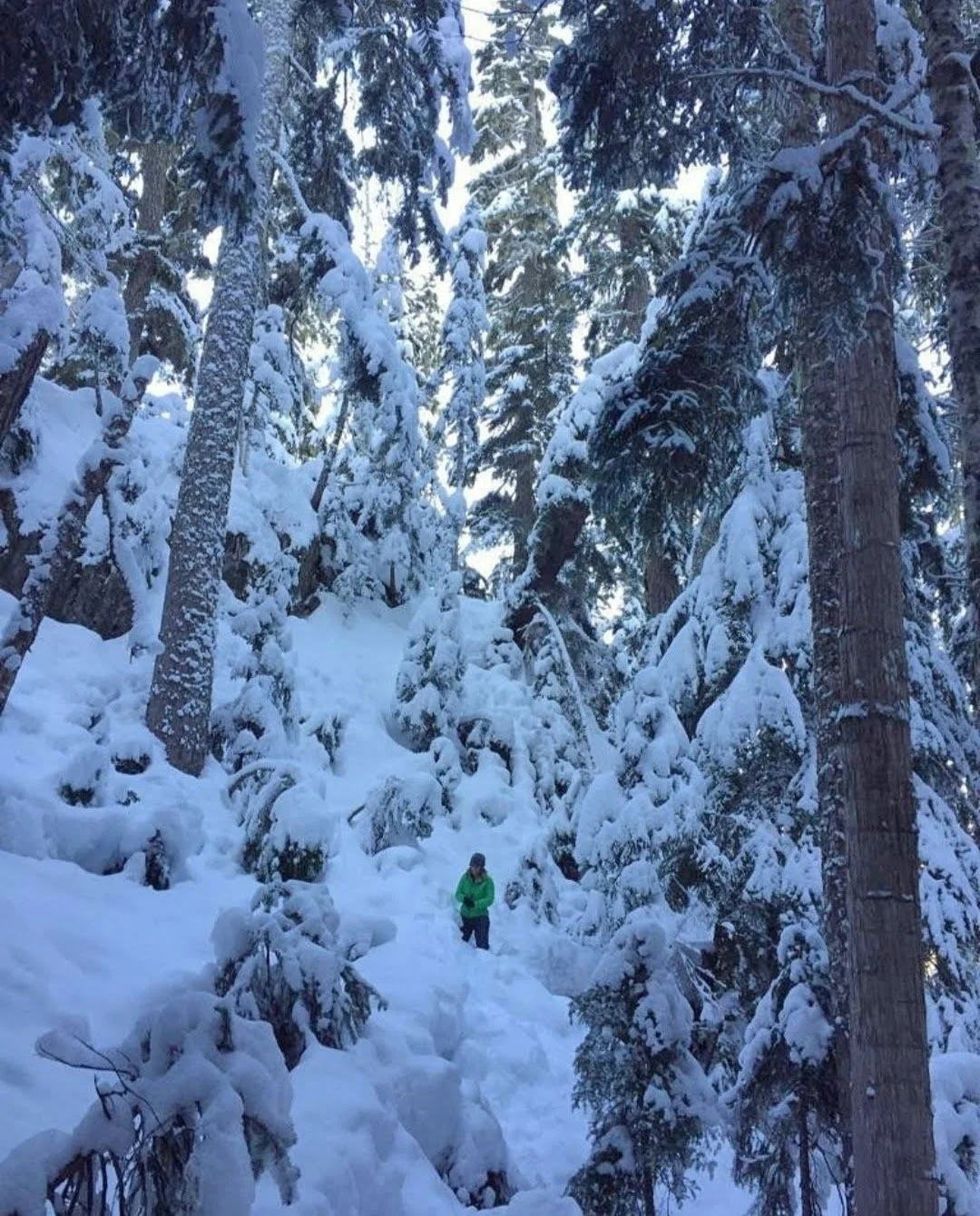
Old growth forests can generally be defined as those dominated by large, old trees, both live and dead, standing and fallen, that usually contain many other smaller trees. Old growth forests can occur anywhere, though usually they are found in areas protected from disturbance. These old forests are rare, and unfortunately becoming rarer every day due to natural disturbances like fire, human disturbance where old growth isn’t protected, and the warming and drying climate.

Because old trees and old-growth forests are rare, they add diversity to forest ecosystems with their uncommon characteristics. Old-growth forests have structures such as large trees, large downed logs, and standing dead trees that are not present in young or maturing forests. The unique structures and attributes of old growth forests provide habitat for plant and animal species not found in other forest types. They also play important roles in hydrological regimes, nutrient cycles, and numerous other ecological processes. In addition to the biodiversity, wildlife habitat, hydrologic function, and carbon storage it supports, old growth is valued for recreation, aesthetics, inspiration, or even spiritual reasons. 


Old growth and fire in New Mexico
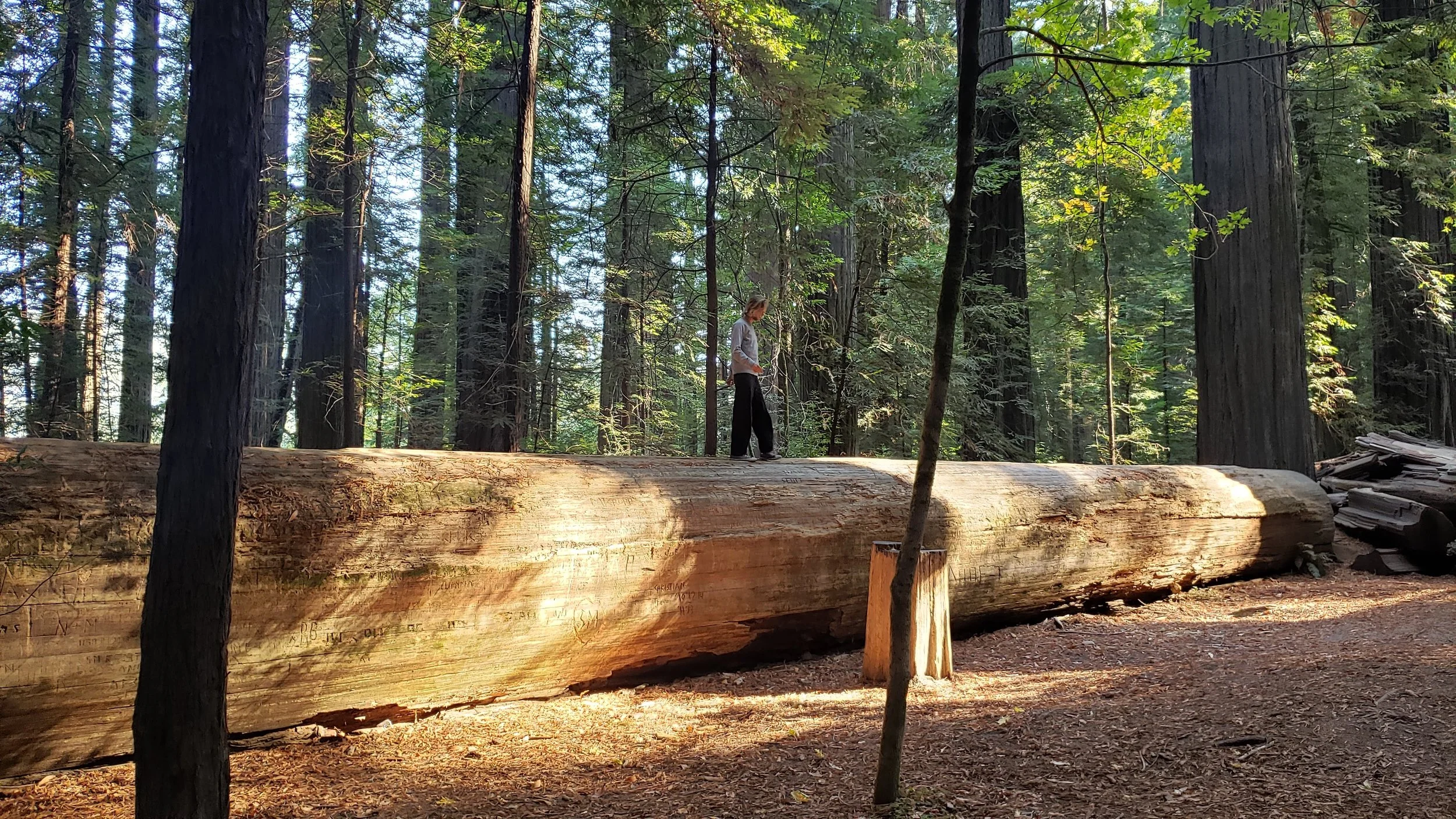
In Redwood National Park, large live trees are interspersed with decadent dead and down snags and logs.

When you picture ‘old growth’, the image that comes to mind is likely decadent redwood or giant sequoia forests in the Pacific Northwest. Did you know that we also have old trees and old growth forest here in the Southwest? Old tree stands have characteristics such as variable tree size and spacing, accumulation of dead standing and fallen trees, decay, multiple canopy layers, gaps, and dominant large trees. These old trees are far less abundant today than they were in the mid-1800s, before the arrival of the railroad brought clearcut logging and a thriving timber industry. Luckily, New Mexico’s boom-and-bust timber industry had a limited reach due to the challenging terrain, roadless landscape, and associated financial costs, and old growth trees still persist in mid-elevation forested areas across the state.
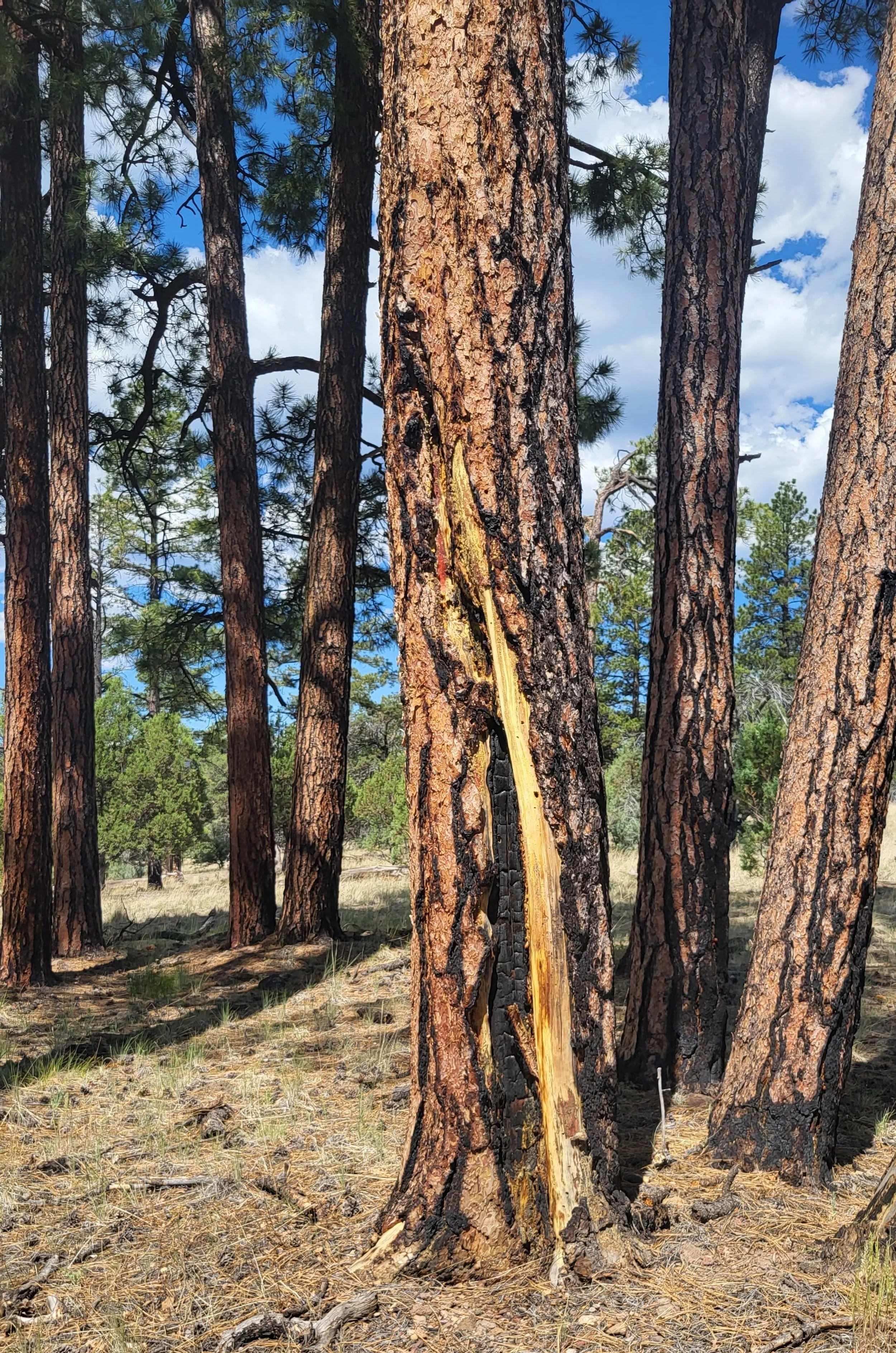
A 7’ scar, partially healed over, on a large mature ponderosa pine tree in the Pecos Wilderness.

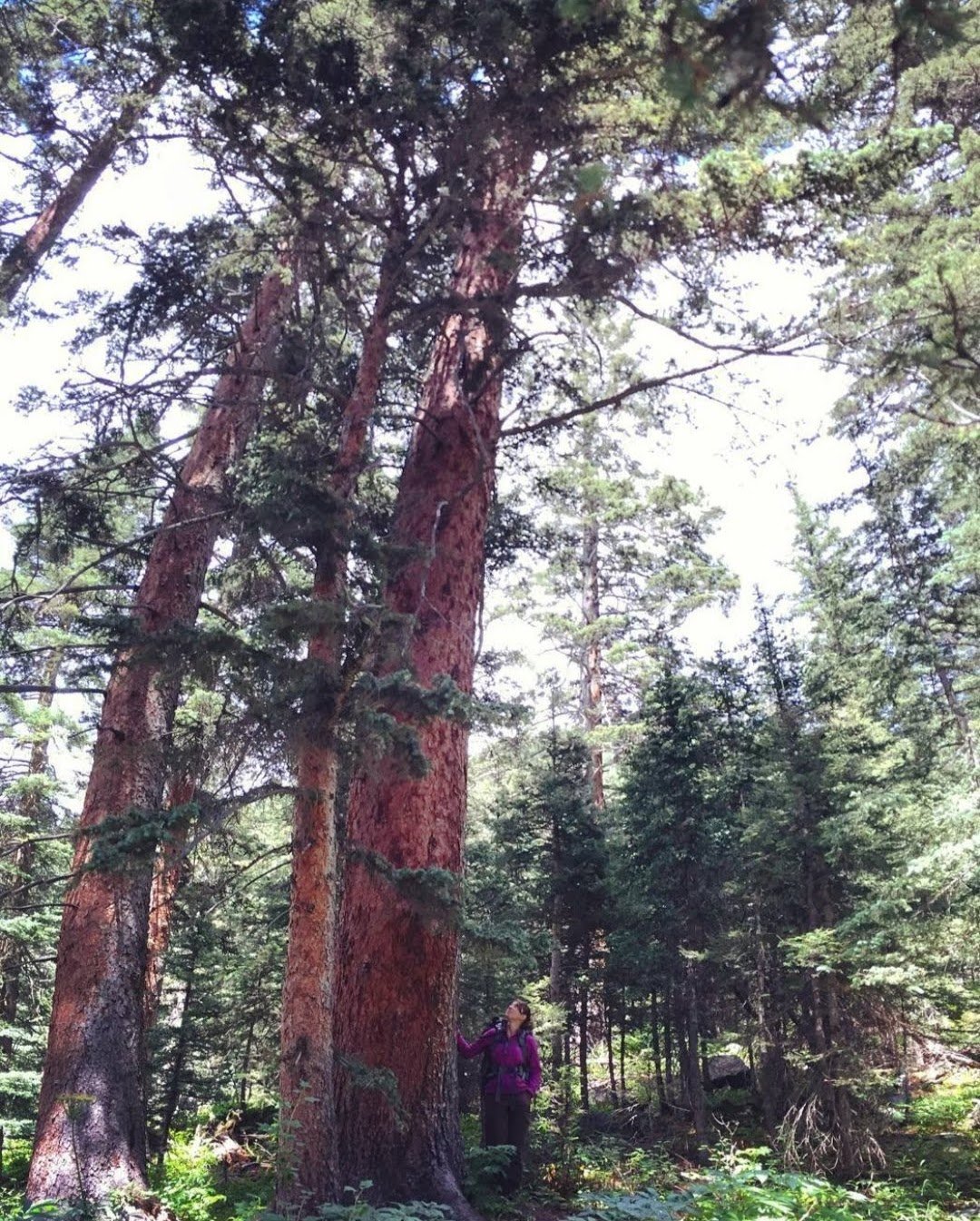
Ponderosa pine trees, a dominant fire-adapted species in New Mexico, begin to develop old growth characteristics between 200 and 300 years of age. They can be identified by their thick bark and fire scars (a place where fire has burned through the bark and damaged a portion of the trunk but the tree has survived and healed over the wound). Characteristics of old ponderosa pines include orange-yellow to occasionally grey bark with large, smooth plates; raised, relatively open, flattened crowns (there is a lot of distance between the ground and the first branch, the branches are not too crowded along the trunk, and the top of the tree is rounded rather than pointed); large-diameter branches; and evidence of past disturbances such as fire scars, lightning-strike scars, or a damaged top. Frequent-fire forests with old trees often have a high canopy and uncrowded understory due to frequent low intensity fire keeping the stands open and preventing shade tolerant competitors from establishing. Keep an eye out on your next stroll through the woods for large-diameter thick-barked trees, especially in drainages and remote areas!

While trees like ponderosa pine and Douglas-fir are resistant to low severity fire when they are old, they can be killed by high intensity wildfires that climb into the forest crown and burn very hot. Ecologically-based stewardship is focused on reducing the risk of high intensity wildfire through thinning and controlled burns – in part to protect these rare, old trees. During controlled burns, old trees are protected by raking litter and duff away from their trunks. This reduces the amount of combustible material around these old trees and helps ensure the low intensity burns don’t smolder and kill their roots or cambium. Restoration work which thins the forest to historic levels can help maturing trees grow larger and become the old trees of the future. Thinning reduces the competition for water and nutrients between trees and helps remaining trees survive drought, grow larger more quickly, and become more resilient to pests, disease, and a hotter and drier climate. 


New Federal Policies to Conserve Old Forests


An amendment to the National Forest Plan

On April 22, 2022, the Biden Administration issued Executive Order 14072, which directs the United States Department of Agriculture and the United States Department of the Interior to define, inventory, identify threats towards, and develop policies to mitigate threats to, mature and old growth forests.
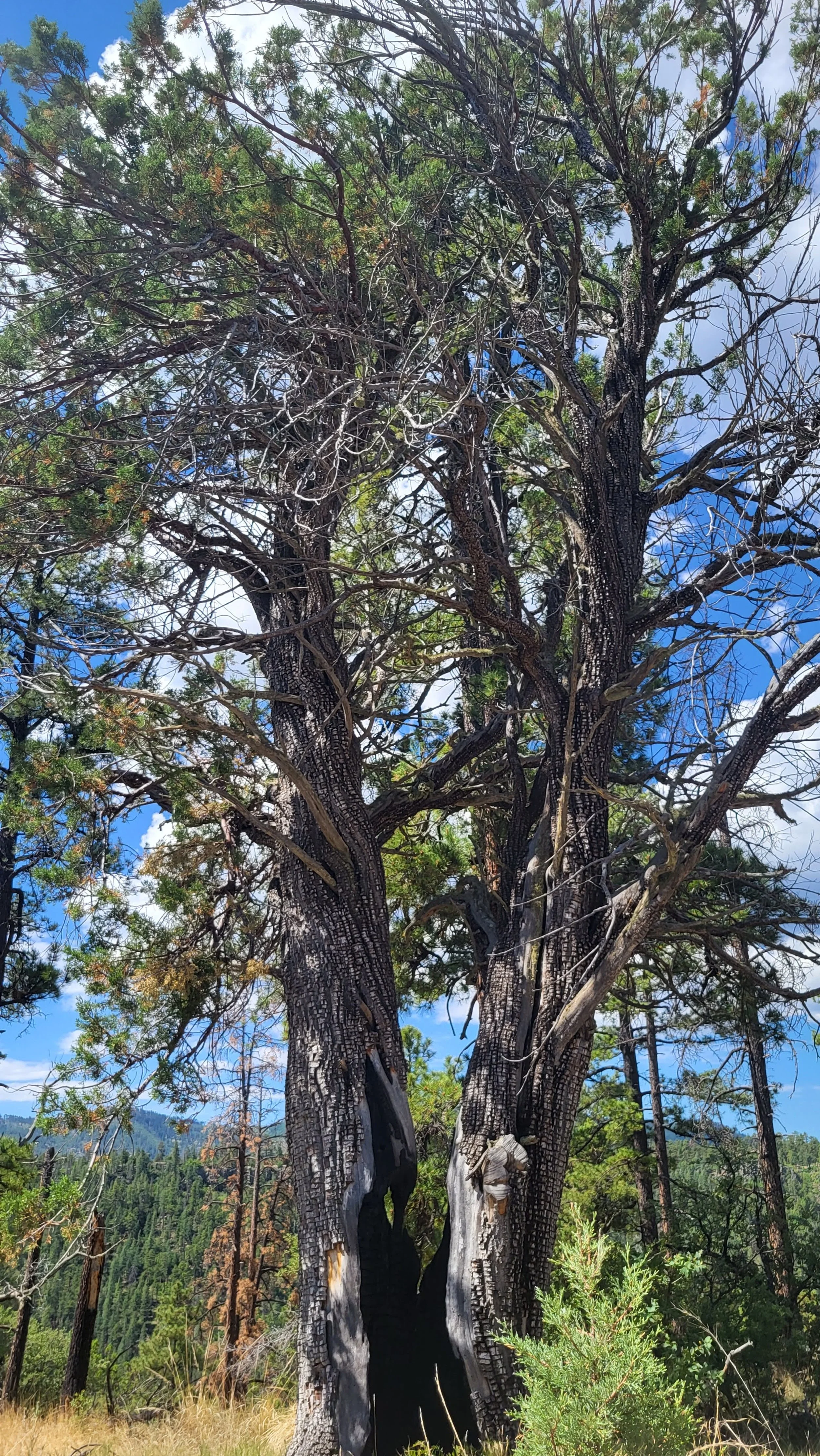
An old growth alligator juniper in the Gila National Forest showing a rare hollowed fire scar at the base of its split trunk.

In response, the US Forest Service has proposed a National Forest Plan Amendment that would make long-term resilience the primary objective for forests with old growth characteristics. In addition to ensuring old growth forests persist into the future, the Plan Amendment will foster mature and maturing forests to become the old growth of the future.

As part of the federal effort to protect old forests, researchers conducted a nation-wide inventory and found 32 million acres of old growth forests. Of that total, 1.3 million acres is comprised of ponderosa pine and 9 million acres is made up of piñon-juniper forests, two dominant forest types in the Southwest. Researchers used that same federal Forest Inventory and Analysis to determine that since the year 2000, we have lost 712,000 acres of old growth to wildfire, 182,000 acres to insects and disease, and 9,000 acres to tree cutting on lands managed by the Forest Service and Bureau of Land Management. Even more worrisome is the prediction that by the end of the century, 90 percent of old-growth forests will be at very high exposure to wildfire-caused mortality and nearly 60 percent will be exposed to drought.  


Ahead of the curve, close to home
While the proposed National Forest Plan Amendment would increase the conservation of old trees nationally, it is unlikely to change management in many forest restoration areas across New Mexico - such as the Santa Fe Fireshed and the Zuni Mountains Landscape - because protection of old and large trees has been a priority in these areas for many years. In 2006, a wide range of groups including federal and state interests and nongovernmental organizations came together to codify their agreement in the New Mexico Forest Restoration Principles. These Principles emphasized the restoration of ecosystem composition, maintenance of watershed and soil integrity, and notably in this context, preservation of old or large trees while maintaining structural diversity and resilience. 

In 2015, after years of ecological monitoring and collaborative forest management, the Cibola National Forest and Grasslands Forest Supervisor made an adaptive management decision that would change the way that trees were marked for restoration thinning. The Old and Large Tree Retention Strategy was implemented for all projects occurring within the Zuni Mountain Collaborative Forest Landscape Restoration Project (CFLRP) area, marking a success in maintaining existing old growth and as well as mature trees that have the potential to develop into old growth.

Learn more about federal policy on mature and old growth forests through this January 2024 webinar recording from the Forest Stewards Guild. In the video, Dr. Zander Evans provides background on what has happened since the issuance of Executive Order 14072 and the next steps in the process. Rhiley Allbee provides an analysis of mature and old growth forest in Collaborative Landscape Restoration efforts. 


Events, Announcements, and Additional Resources


Webinars

FACNM Spring Webinar Series 2024
Friday, March 29 from 12:00-1:00pm: What is the Community Navigators Program?
FACNM is launching its spring webinar series on March 29th! Join Gabe Kohler and Emery Cowan as they introduce the national and regional intent of the Community Navigators Program and discuss how communities across the state can access this resource. Learn more by visiting the FACNM Events page!
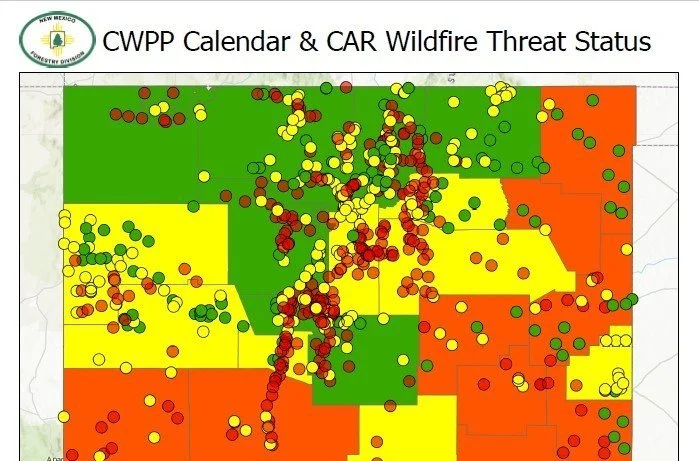
Tuesday, April 16 from 12:00-1:00pm: Community Wildfire Protection Plans
Join NM Forestry Division and The Ember Alliance to hear about CWPPs - the basics, importance of, resources and support for, and relevance to county ordinances and homeowners insurance - during the second webinar in FACNM’s spring series.

Wednesday, May 22 from 1:00-2:00pm: Home Hazard Assessments: Back to Basics
Join NM Forestry Division and The Ember Alliance to hear about CWPPs - the basics, importance of, resources and support for, and relevance to county ordinances and homeowners insurance - during the second webinar in FACNM’s spring series.

Review the entire series at www.facnm.org/events or by downloading the flyer!

View our archive of webinar recordings anytime by visiting the FACNM YouTube page!

Cal FSC Webinar Series
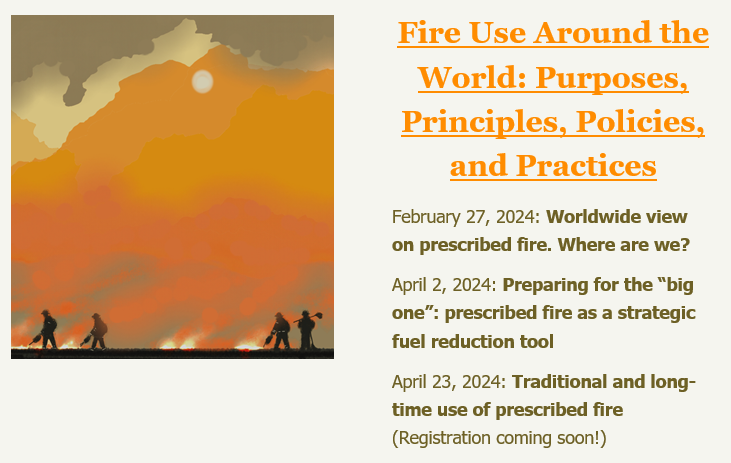
April 2024: Fire Use Around the World: Purposes, Principles, Policies, and Practices
In this webinar series from the California Fire Science Consortium, a survey of prescribed fire from around the globe is presented. It focuses on seven topic areas: fuel management; rangeland and landscape management; management of production forests; wildlife management; monitoring and datasets; and ecological restoration and cultural fire.

……….


Resources for Community Wildfire Defense Grant (CWDG) applications

Cycle 3 of the Community Wildfire Defense Grant program will open in mid-2024. For organizations and collaboratives interested in applying, some resources have become available. These resources are subject to change and will be updated throughout the spring and summer as the CWDG deadline approaches.

  • forestrygrants.org provides access to CWDG Cycle 1 and 2 applications that were awarded or scored high.

  • Recordings of grant-writing workshops that provide more context, questions, and conversations are available on the New Mexico Forestry Division Facebook page

  • Wildfire risk

  • Access Forestry Division’s New Mexico Forest Action Plan. The objectives and goals outlined in this document should be referenced in CWDG applications from New Mexico.
Wildfire Wednesdays #130: Preparing for Wildfire Community Preparedness Day

Happy Wednesday, Fireshed readers!

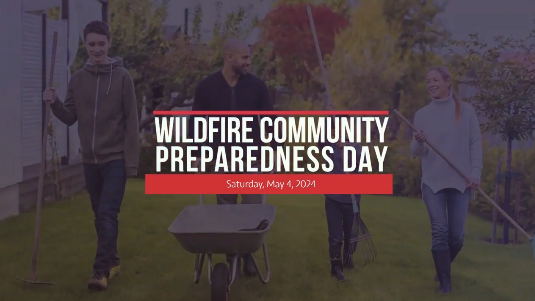
With recent gusty winds and grass fires on the eastern plains, FACNM is looking ahead to the not-so-distant summer fire preparedness planning. Wildfire Community Preparedness Day, held annually in the United States and Canada on the first Saturday in May, is a great place to kick off with your own readiness plans. Each year, the campaign actively encourages groups and individuals living in wildfire-prone areas to come together on a single day to raise awareness and reduce wildfire risks by completing projects that can help make their homes and communities safer from wildfire. This year, the day of action will be held on Saturday, May 4. The Fireshed will be offering ideas, resources, and local opportunities over the next couple of months to help communities prepare for and get involved with Wildfire Prep Day 2024.
Today’s Wildfire Wednesday features:

Take care as we leap(year) into March!
-Rachel


The Power of Community Action in Wildfire Prep

“As wildland fires increasingly involve residential areas, communities have to take action to help mitigate the potential effects of wildfire. However, residents can be uncertain about what to do, reluctant to get involved, or unclear about the impact they can have. As resources are stretched to cope with suppression and restoration efforts,” local community members and leaders play an increasingly important role in promoting and enabling wildfire preparedness.

Collective action means working together to be prepared, vigilant, proactive, and to prioritize resilience over complacency and face the challenge of wildfires head-on. Community in wildfire preparedness is valuable for many reasons. “As residents, [community members and leaders] understand [their neighbors] and are able to encourage mitigation and preparedness in a number of ways, including:

  • Helping to identify important local issues and create a vision for action.

  • Developing a preparedness strategy that takes community members’ goals into account.

  • Obtaining commitment to act by communicating with other residents and building one-on-one relationships. [This emphasizes] the importance of individuals taking on responsibilities that benefit the community.

  • Mobilizing financial and material resources.” (Lang et al, 2006)

Image courtesy of FireSmart Canada

While individual actions to prepare homes, kids, pets, belongings, and businesses for wildfire are an essential element of fire readiness, coming together as a community to learn, assess collective risk, and reduce fire hazards can motivate and amplify the work of becoming fire adapted.


Wildfire Prep Day Ideas and Resources

Prep Day Dashboards

NFPA
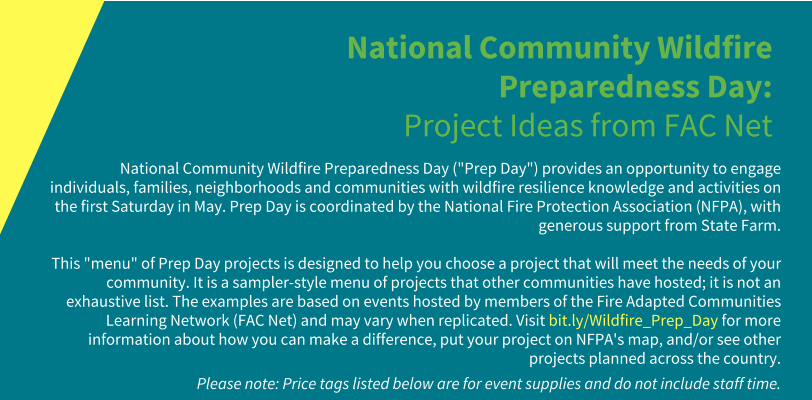
Wildfire Community Preparedness Day - commonly shortened to Wildfire Prep Day - focuses on what you can do in and around your home to help protect against the threat of wildfires. The annual event is organized by the National Fire Protection Agency (NFPA) and sponsored by State Farm. To help you get ready, NFPA offers:

View the NFPA 2024 Prep Day press release.

Another general toolkit: wildfire.gov offers additional information and resources to prepare for all stages: before, during, and after the fire.

FAC Net

Fire Adapted Communities Learning Network offers a Community Prep Day Menu with a plethora of project ideas for individuals and leaders! Those community organizers who are interested in convening a preparedness event in their neighborhood, city, or county can get inspired by these tried-and-true project ideas:

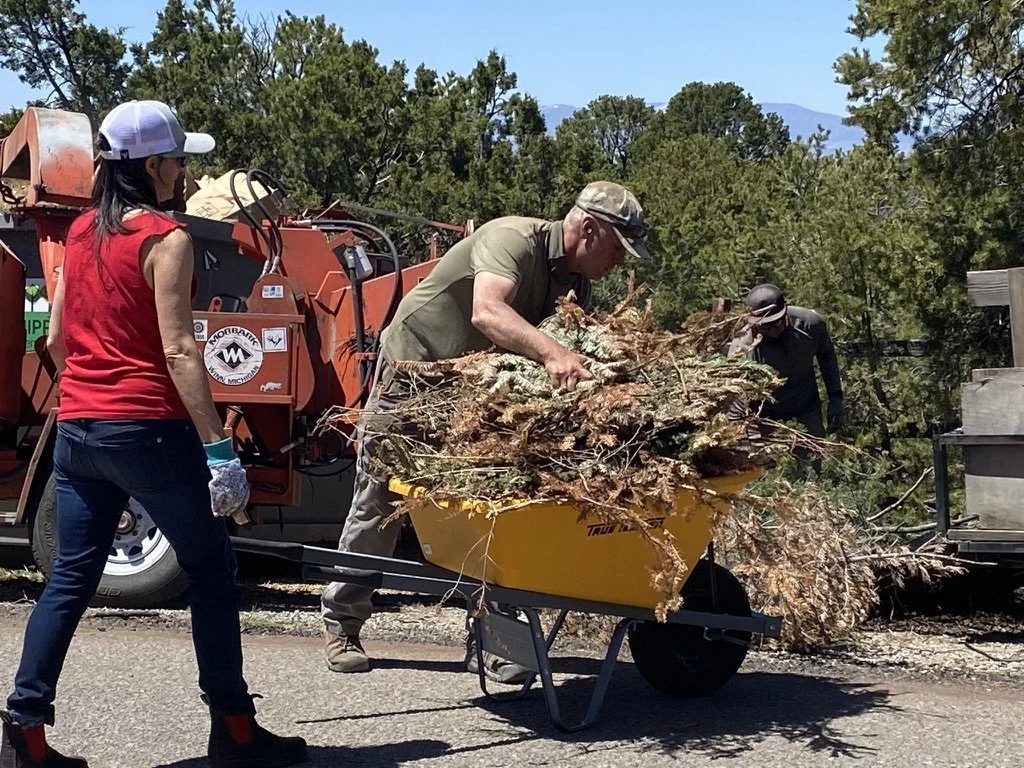
  • Fuels removal: secure funding and organize with your local contractors to hold a community chipper or green waste day.

  • Assessments: partner with an organization such as your fire department to bring existing assessment programs to your community.

  • Education: work with local fire ecologists, fire personnel, and businesses to host an educational day in the woods, community center, or downtown. Invite your guests to talk about fire science, discuss how fires impact businesses and tourism, and tell their personal wildfire stories.

  • Build awareness: partner with your local fire department to bring an engine to the neighborhood! Post up at a stop sign, local park, or entrance road to create a W.U.I. Checkpoint (Wildland-Urban Interface). This activity is modeled after D.U.I. checkpoints, with a play on words. Give vehicles information about fire preparedness as you stop them.

  • Mitigation fair: create an interactive fair: arrange 5-7 stations on various fire preparedness topics with a call to action - some actionable takeaway for participants - at each station. Attendees will visit different stations to learn how to safely and effectively mitigate wildfire risk on their property.

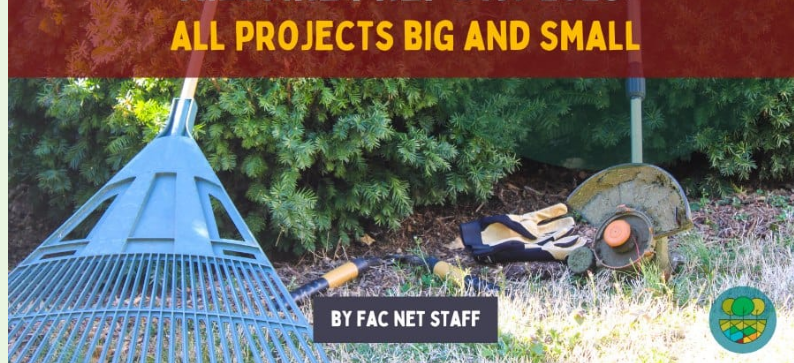
Learn more and get inspired by reading FAC Net’s 2023 Wildfire Prep Day article: All Projects Big and Small.

Assessing Community and Individual Risk

Is your community prepared for fire? How can you and your partners improve your resilience? Use the Fire Adapted Communities Self-Assessment Tool (FAC SAT) to find out! FAC SAT was created to help communities assess their fire adaptation efforts and to plan and track their capacity to live safely with fire over time. This tool can be used to assess individual neighborhoods, cities and even large counties. FAC SAT is a PDF document containing a series of questions. Completing the assessment is a four-step process. Detailed information about who should be involved and how long the process takes can be found in the FAC SAT User and Facilitator’s Guide.

Tailoring the Fire Prep Approach to Your Community

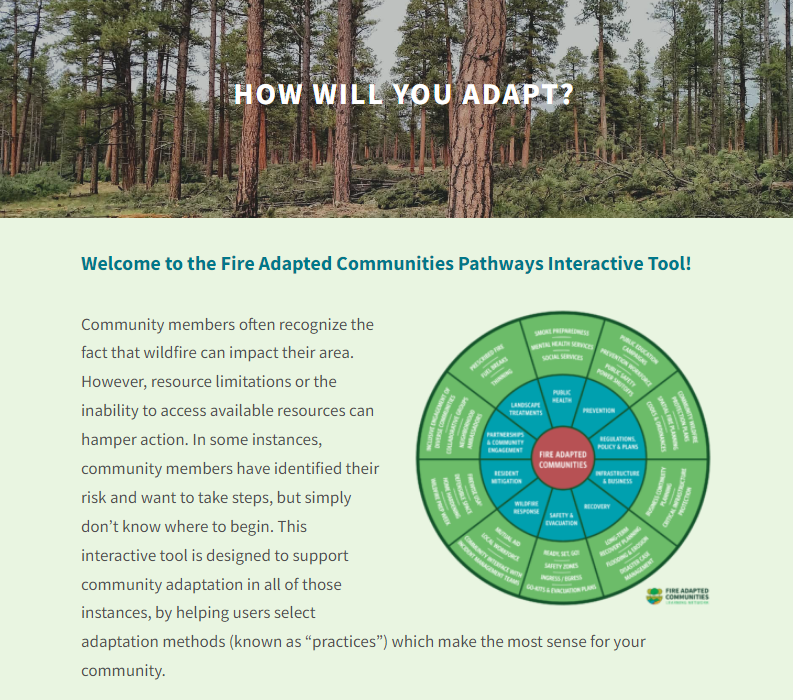
The Fire Adapted Communities Pathways Tool (Pathways Tool) helps users identify a range of fire adaptation practices and resources that research and experience indicate are more likely to work in the places they live and work.

This tool combines decades of research on community wildfire adaptation with practitioner-based knowledge and experience. It helps users identify a community, determine an initial “community archetype” and suggest fire adaptation practices, tools and approaches suited to similar communities. The Pathways Tool then helps users create a ‘pathway’ that is tailored to their community conditions. The tool is also intended to inform progress on fire adaptation across varied regions, identify the most effective programs, grants or assistance for supporting community adaptation, and to demonstrate the diverse needs for wildfire adaptation to promote equity in ongoing fire resilience work.
Learn more, access the Pathways Tool, and watch a recording of the introductory webinar.

……..

Additional Wildfire Prep Resources

The Community Wildfire Planning Center provides a number of resources for planning the Wildland-Urban Interface, including guidance for adopting defensible space ordinances, opportunities for risk assessments through programs like REALFire, links to State and National WUI planning resources, and more. Explore the CWPC website.


Events, Announcements, and Additional Resources

Webinars

Friday, March 29 from 12:00-1:00pm: Community Navigators Program
FACNM is launching its spring webinar series beginning on March 29th! Join Gabe Kohler and Emery Cowan as they introduce the national and regional intent of the Community Navigators Program and discuss how communities across the state can access this resource.
Keep an eye on the FACNM Events page to learn more and register for additional webinars in the spring series!

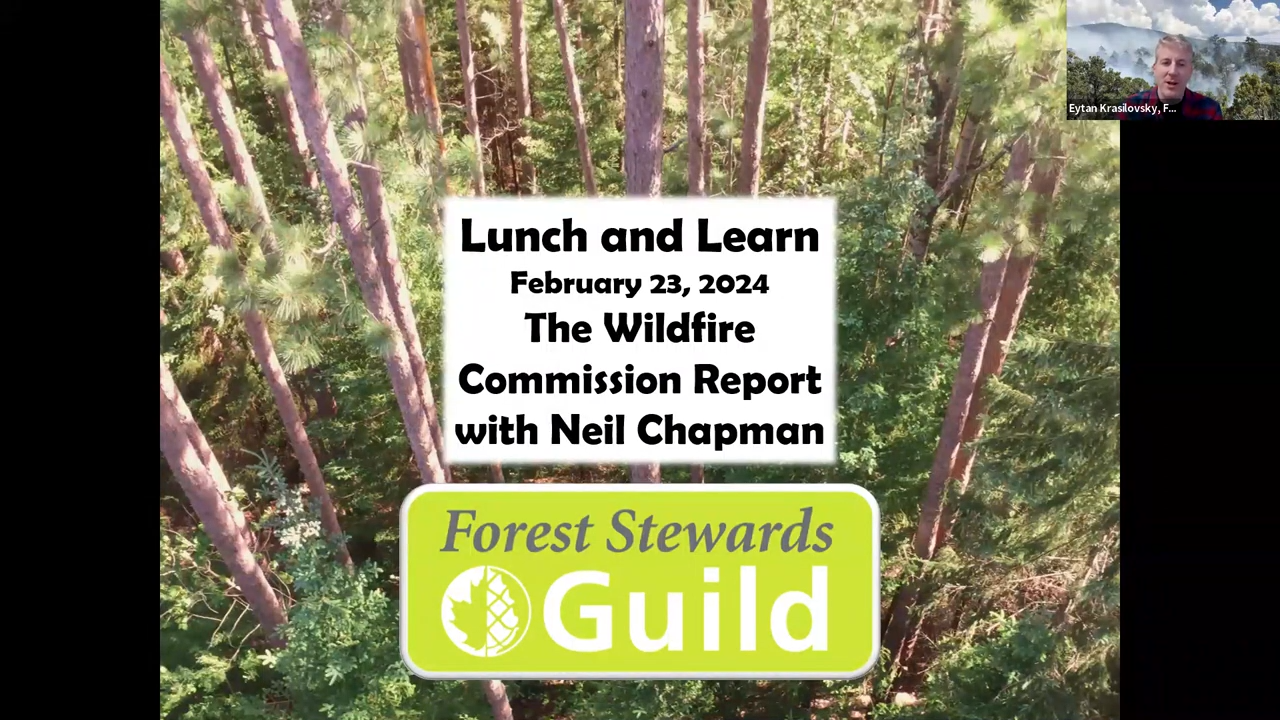
Recording available: The Wildland Fire Mitigation and Management Commission Report
Neil Chapman with the Flagstaff Fire Department joined the Forest Stewards Guild in mid-February to explain the formation and process enacted by the Wildland Fire Mitigation and Management Commission, including the publication and impact of the 2023 Commission Report.

Funding Opportunities

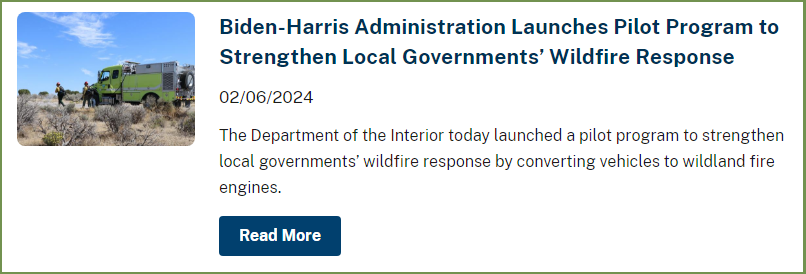
The Department of the Interior has launched a pilot project to help local government agencies convert vehicles for use as wildland fire engines. Agencies serving areas with a population of 25,000 or less are eligible to apply, with applications being accepted through March 21. See the press announcement for details and visit Grants.gov to apply.

In the News

Air Quality
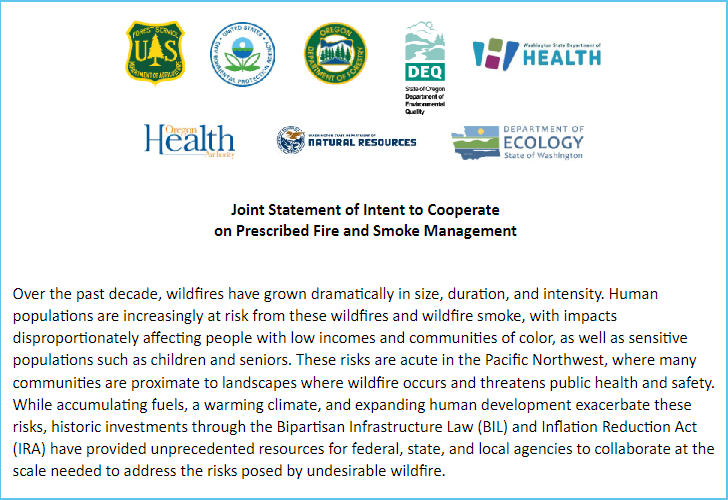
Early this month the U.S. EPA strengthened the National Ambient Air Quality Standards (NAAQS) for fine particle pollution (PM2.5). They have released several fact sheets about this rule change, including “Final Updates to the Air Quality Index…”, “Implementing the Final Rule …”, and “Wildland Fire, Air Quality, and Public Health Considerations”. Last week, the EPA, USDA Forest Service and health and land management agencies in Oregon and Washington recognized the important role of prescribed fire for public health and ecosystem resilience in their “Joint Statement of Intent to Cooperate on Prescribed Fire and Smoke Management.”
For some variations on one approach to helping community members mitigate smoke exposure, see the Fire Networks blog post “Cleaner Air, One Filter at a Time: Stories from FAC Net’s Community Clean Air Project.”

Wildfire Wednesdays #129: Innovations in Biomass Utilization

Hello Wildfire Wednesdays Readers,

Happy Valentine’s Day!

Today, we’re going to get extra romantic and talk about a critical and evolving aspect of hazardous fuels reduction—disposal of the leftover slash and small diameter woody material. These have traditionally been viewed as waste products due to their minimal value in commercial markets, and they are usually disposed of by piling and burning or leaving onsite to decompose. Alternative methods of utilizing these materials are gaining momentum as new products are developed and marketed, presenting exciting opportunities for increased revenue for landowners, job creation, and benefits to the environment, our forested landscapes, and the soil. There are opportunities to partake at the individual scale, with accessible technologies such as backyard biochar production. This can help reshape the ways we approach slash disposal as communities and organic yard waste disposal as residents.

In this week’s write-up, you’ll find the following information:

Read on!

-Dayl


What is Biomass Utilization?

Biomass utilization refers to the conversion of recently harvested organic materials into energy or various bio-based products. Biomass can include a wide range of materials, such as wood, crop residues, and agricultural by-products. The goal of biomass utilization is to harness the energy stored in these organic materials or create value-added products for wide-ranging applications.

There are many ways in which biomass can be utilized:

  1. Bioenergy Production: Biomass can be used to generate heat, electricity, or biofuels. Common processes for bioenergy production include combustion, gasification, and fermentation.

  2. Bioproducts: Biomass can be processed to extract valuable bioproducts, such as building materials and biofuels. Some unique examples of bioproducts include Woodstraw for erosion control and Wood Wool Cement board for construction.

  3. Biochar Production: Biomass pyrolysis can produce biochar, a carbon-rich material that can be applied to soil for improving fertility, carbon sequestration, and overall soil health. Mobile technologies, such as the air curtain burner, may allow for biochar production to be brought into the forest and directly onto a forest treatment worksite.

  4. Anaerobic Digestion: Organic waste and biomass can undergo anaerobic digestion, a biological process that produces biogas (methane and carbon dioxide) as a renewable energy source and also generates digestate, a nutrient-rich fertilizer.

  5. Cofiring: Biomass can be co-fired with coal in power plants to reduce greenhouse gas emissions and transition towards cleaner energy sources.

These technologies present a new hope for closing the loop in hazardous fuels reduction and replacing traditional methods such as pile burning, which impacts air quality eith emissions, and onsite decomposition, which fails to remove the hazard fuels from the forest. Leveraging woody biomass sourced from public lands has the potential to not only reduce carbon dioxide emissions, but also to grow rural economies. The biomass that is created through hazard-fuel treatments can be extracted and repurposed for bioenergy and bioproducts, offering a sustainable and multifaceted solution.

However, it’s not as simple as just implementing these new strategies. The forest products industry faces significant challenges in implementing large-scale forest restoration projects due to constraints such as limited capacity, regulatory barriers, disruptions in supply chains, workforce shortages, logistics hurdles, and a lack of viable markets. One response to these barriers is the Wood Innovations Grant established by the Forest Service to facilitate the expansion of wood and biomass utilization.

Some Examples of Biomass Utilization in Action

SWERI Wood Utilization Team

With the support of the Wood Innovations grant, the Wood Innovations and Utilization Team at the Southwest Ecological Restoration Institutes (SWERI) was born. The objective of the project is to establish a center of expertise and to provide crucial support for the development of forest-based enterprises. These interconnected operations will generate markets that support the restoration of forests and grasslands in the Southwest, create jobs and expand rural economies, and align with watershed protection and fire prevention. Read more in this article from Northern Arizona University.

Placer County, California - Forest Biomass Removal on National Forest Lands

Placer County is exploring and prioritizing projects that collect, process, transport, and utilize woody forest biomass wastes for renewable energy as an alternative to pile burning or mastication. In a public-private partnership demonstration project (report (PDF)/video), over 6,000 tons of slash from fuel hazard reduction treatments in the Tahoe National Forest were utilized for energy. In addition, the state of California Forest Biomass to Carbon-Negative Biofuels Pilot Program funded six projects that demonstrate technologies and plans for the creation of energy from local forest biomass.


What is Biochar?

And how to make it in your backyard

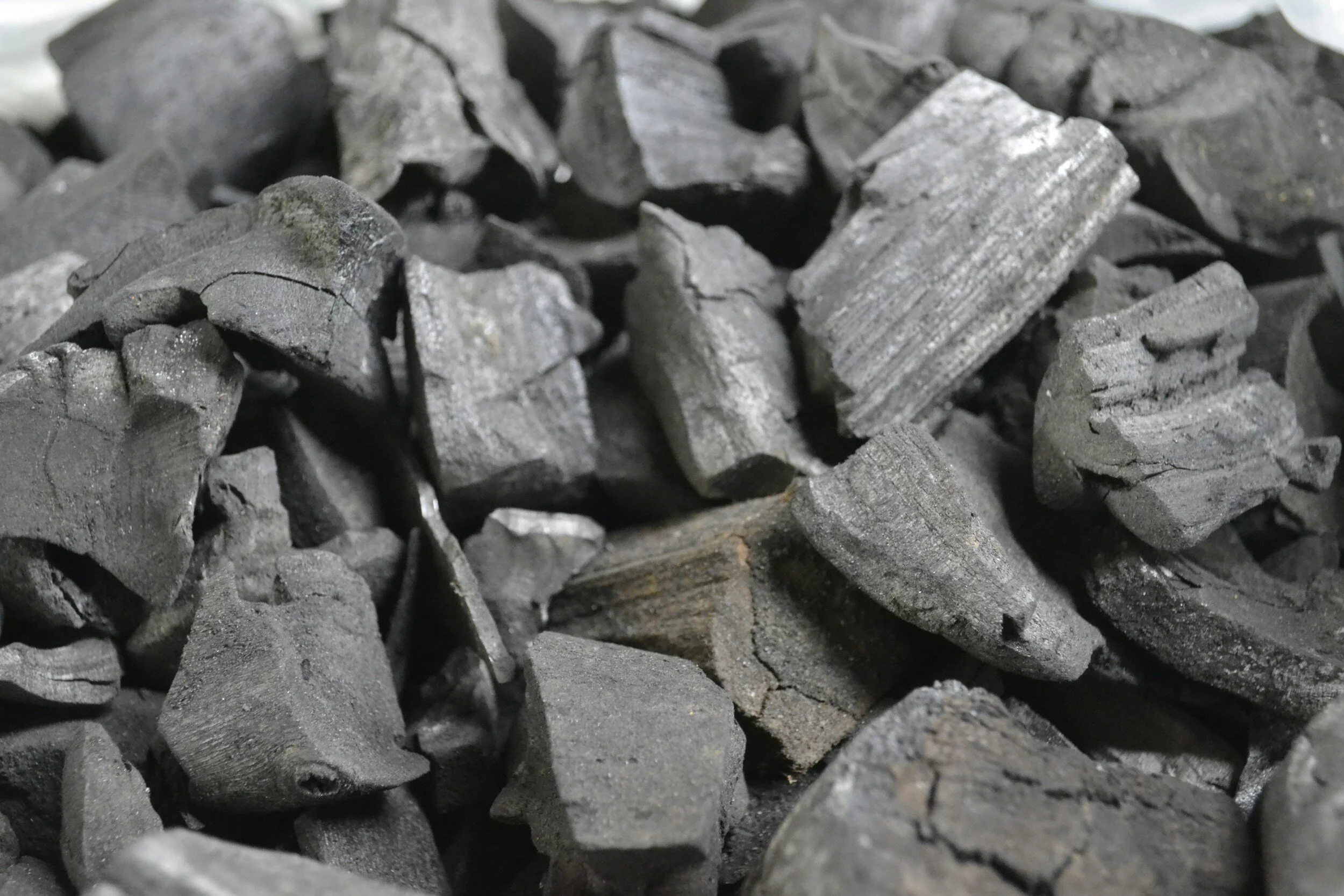
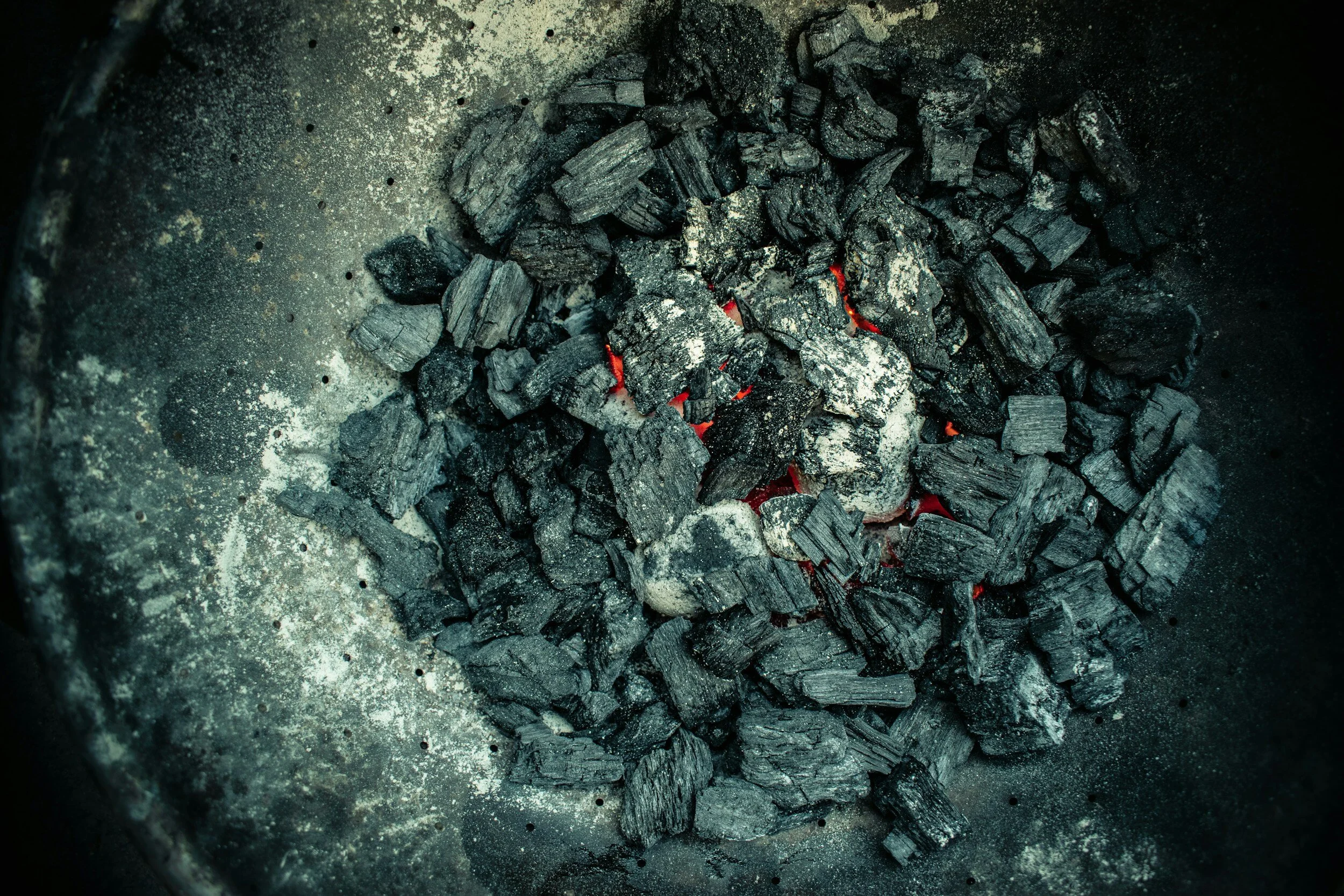
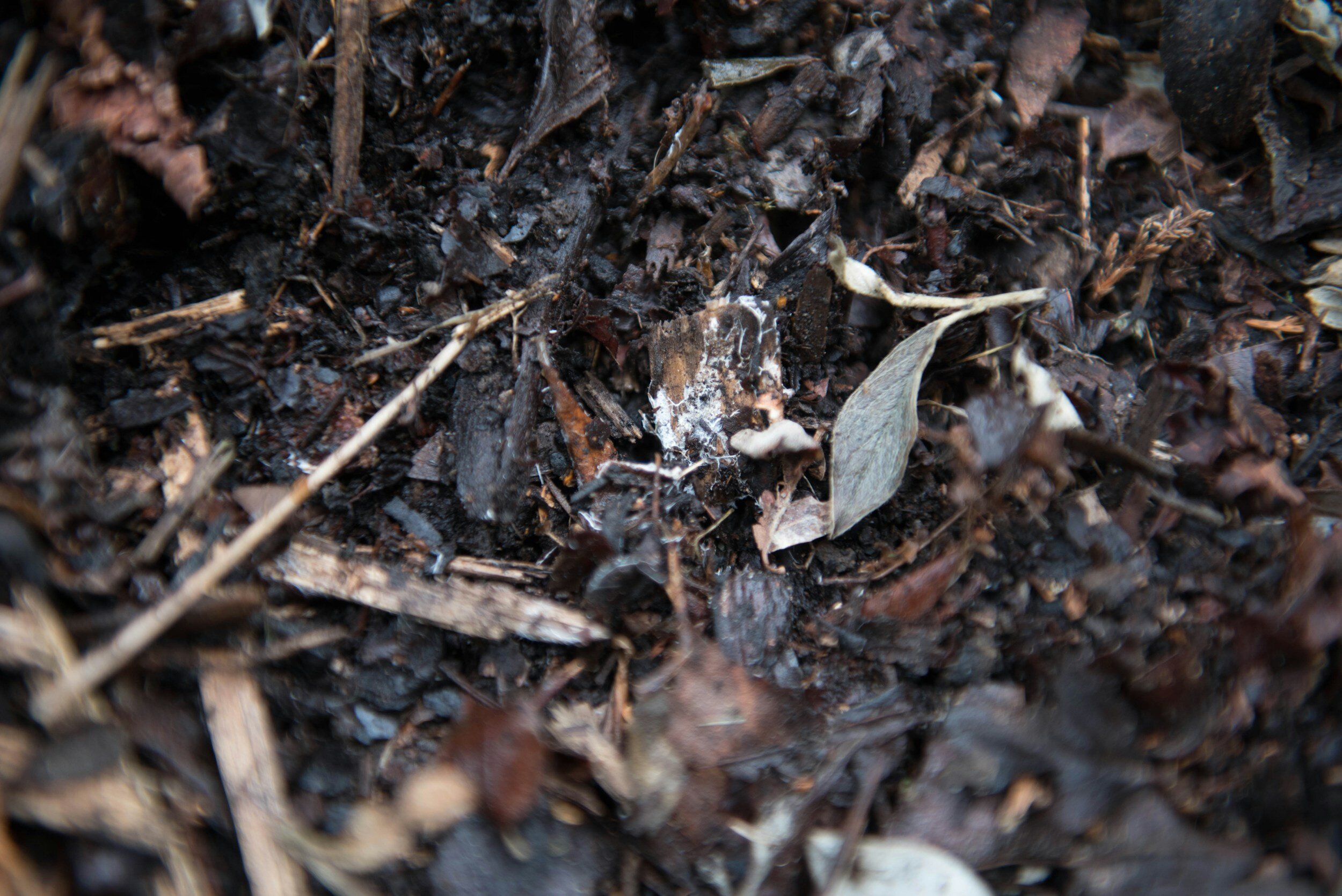
Biochar is a type of charcoal that is created through the pyrolysis process, which involves burning organic material derived from agriculture, forestry, or on a smaller scale, yard wastes. This process occurs in a container with very low levels of oxygen, resulting in minimal smoke and volatiles emissions. You may have already made biochar on your own without even knowing it! Perhaps when extinguishing a campfire or a woodstove at the end of a night by dousing it with water or smothering it with dirt. The natural charcoal that results is the same material as biochar.

Biochar is very useful as a soil amendment, enhancing water and nutrient retention and attracting beneficial microbes via its incredible porosity and negative surface charge. Beyond its soil-enhancing properties, biochar serves as an effective method for sequestering carbon in the soil and preventing it from entering the atmosphere. Typically, the decomposition of organic matter emits greenhouse gases such as CO2 and methane. However, through pyrolysis, the carbon in organic matter is locked into a decay-resistant form, effectively sequestering it indefinitely.

How to make biochar in your backyard

Making biochar in your backyard is a relatively simple process that can be accomplished with basic materials. Here's a step-by-step guide.

(You can also find a cornucopia of resources and instructional videos by doing a quick online search. Each method is going to vary slightly from the next, showing that there are many “correct” ways of making biochar!)

What You’ll Need:

  • Metal Barrel or In-Ground Open Pit: You'll need a metal container with air holes punched in the bottom or a cone-shaped pit dug into the ground. The air holes in the bottom of your metal barrel will pull air up from the narrow point in the bottom of the hole, removing oxygen from the feedstock. The conical shape of the pit will do the same (it should be about as deep as it is wide). The Quivira Coalition offers biochar kiln loans to support people doing their own land stewardship!

  • Starting Material: Dry wood, paper, or other fine woody debris can be used to start the combustion process. Dry tumbleweeds are an effective and satisfying starter. These materials will be layered on top of the pile that you are burning.

  • Biomass Feedstock: Collect woody biomass, such as branches, twigs, or pruned tree limbs to build your pile, and keep some finer materials aside to continually feed the fire once pyrolysis has begun.

  • Safety Gear: Protect yourself by wearing gloves, pants, and long sleeves and have plenty of water onsite in case anything gets out of hand.

Steps to Make Backyard Biochar:

  1. Gather and Load Biomass:

    • Fill the barrel or fire pit with the dry woody material, making sure not to overfill it. Put fine fuels (kindling) on top of the pile in a dense, thick layer.

    • Four pounds of biomass can make close to one pound of biochar, depending on materials and the efficiency of the burn.

  2. Ignition:

    • Using your preferred lighting technique, start burning the pile by igniting the kindling layer on top of your feedstock. A propane torch is the easiest way to evenly light the kindling layer.

    • As the kindling is consumed, continue to add more kindling on top. This will keep air moving upwards and encourage the feedstock layer below to catch fire.

  3. Pyrolysis Process:

    • As the biomass undergoes pyrolysis, it will release gases and leave behind biochar.

    • Keep adding more kindling materials on top as it burns down. The purpose of this is to keep the fire on top of the feedstock to burn away the smoke as it comes off.

    • The flame will be mostly yellow as it consumes gases, and little to no smoke will be produced.

  4. Monitoring:

    • Keep an eye on the process to ensure that the biochar doesn't turn into ash due to excessive oxygen. Once you see ash starting to form, start layering more biomass on top in an even layer to keep oxygen levels low.

    • If you see lots of smoke forming, you may be adding too much material too fast.

  5. Quenching:

    • When all of your feedstock has turned into a pile of red-hot coals, it is time to quench the fire!

    • Using a hose, thoroughly douse the coal bed. Rake the wet coals to find hot spots and re-wet as needed until it’s cold.

    • You can also quench the fire by piling a layer of soil on top. This will stop the flow of oxygen and prevent your feedstock from turning to ash.

  6. Collecting Biochar:

    • After a day or two of cooling and drying out, carefully collect the biochar. The biochar should be brittle and crumble easily in your hands.

  7. Crushing or Grinding (Optional):

    • If desired, crush or grind the biochar to achieve a more uniform particle size. This can enhance its effectiveness when incorporated into the soil.

  8. Incorporating into Soil/Compost:

    • Incorporating biochar into a compost pile first can be beneficial, as this will “charge” the micropores of the biochar with nutrients.

    • Incorporate the biochar compost mix into your garden soil at a recommended ratio of around 5-10%.

*Remember to conduct biochar production in a well-ventilated outdoor area, away from flammable materials, and be cautious about fire safety! Additionally, be aware of local burning and air quality regulations.*


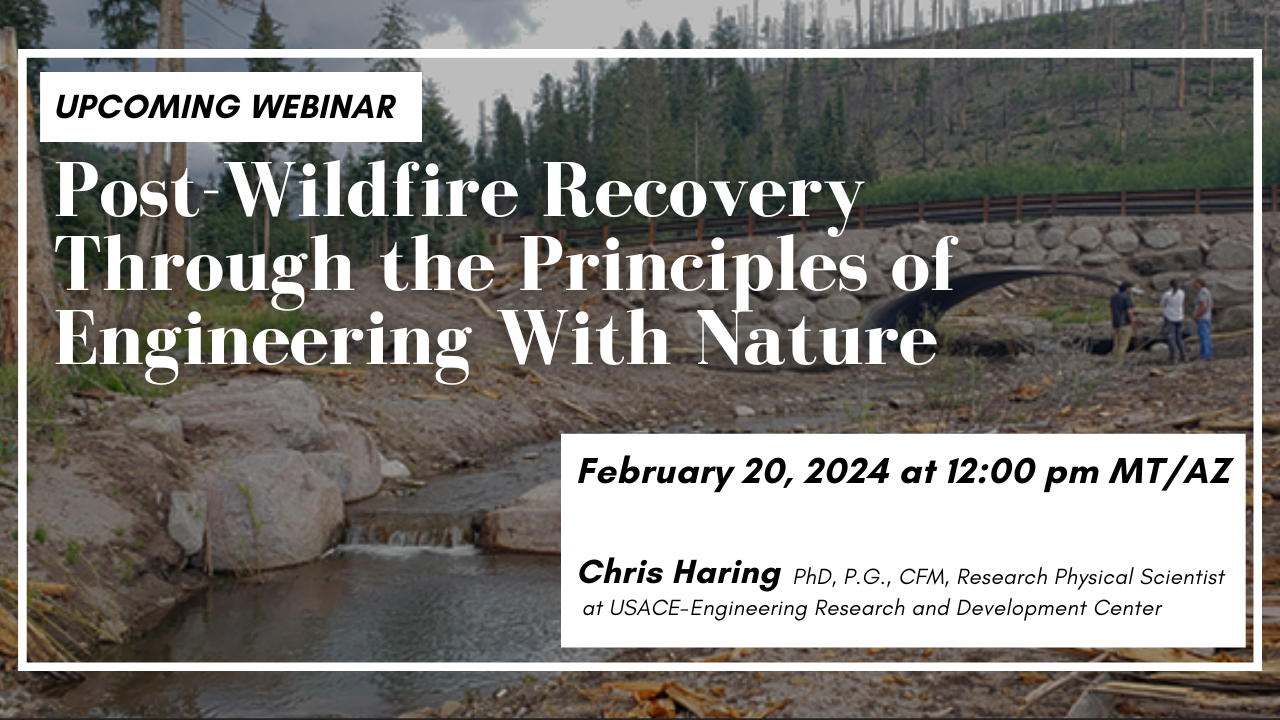
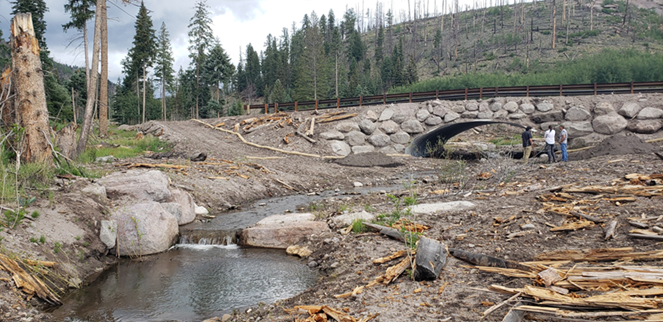
The Santa Clara Canyon in northern New Mexico suffered near total scorching during the Las Conchas Wildfire, a burn which drastically changed the environment and sediment stability of the canyon. After the fire, a 1% chance rain event exhibited a 400% increase in peak flow conditions when compared to pre-fire conditions due to extreme vegetation loss and subsequent soil instability. Since 2011, the Santa Clara Pueblo, Forestry Department has worked with partners to reduce flood hazard in the Pueblo by implementing Engineering with Nature principles: levee improvements, post-fire debris removal, integrating fish passage into the dams, contour felling on steep slopes, and constructing log and boulder structures to stabilize drainages and mitigate sediment transport and deposition. Managing wildfire recovery efforts by applying Engineering With Nature-Natural and Nature-Based Features (EWN-NNBF) principles has the potential to provide a wide range of Flood Risk Management (FRM) benefits to rural and urban settings while increasing co-benefits for the entire watershed. Co-benefits include economic, social, archeological, aesthetic, recreational and biological functioning habitat enhancements.

In this webinar, the presenter will discuss experiences gained and lessons learned that can be transferred to other areas within the Western US that experience wildfires and require FRM guidance on wildfire recovery methods.

Presenter: Chris Haring, PhD, P.G., CFM, Research Physical Scientist with USACE-Engineering Research and Development Center

This webinar is co-hosted by the Arizona Wildfire Initiative.

Lunch and Learn Webinar - Wildland Fire Mitigation and Management Commission

February 23, 2024

12:00 - 1:30 pm MT

Please join the Forest Stewards Guild for a special Lunch and Learn webinar on the 2023 Wildland Fire Mitigation and Management Commission report. Presenter Neil Chapman, Wildland Fire Captain with the Flagstaff Fire Department and Commission member, will discuss the 2021 creation of the 50-member Commission, its mission to recommend improvements to how federal agencies manage wildfire across the landscape, and the recommendation creation process, outcomes, and next steps following publication of the Commission's report.

Learn more at https://www.usda.gov/topics/disaster-resource-center/wildland-fire/commission and read the report, with its 148 final recommendations, at https://www.usda.gov/sites/default/files/documents/wfmmc-final-report-092023-508.pdf

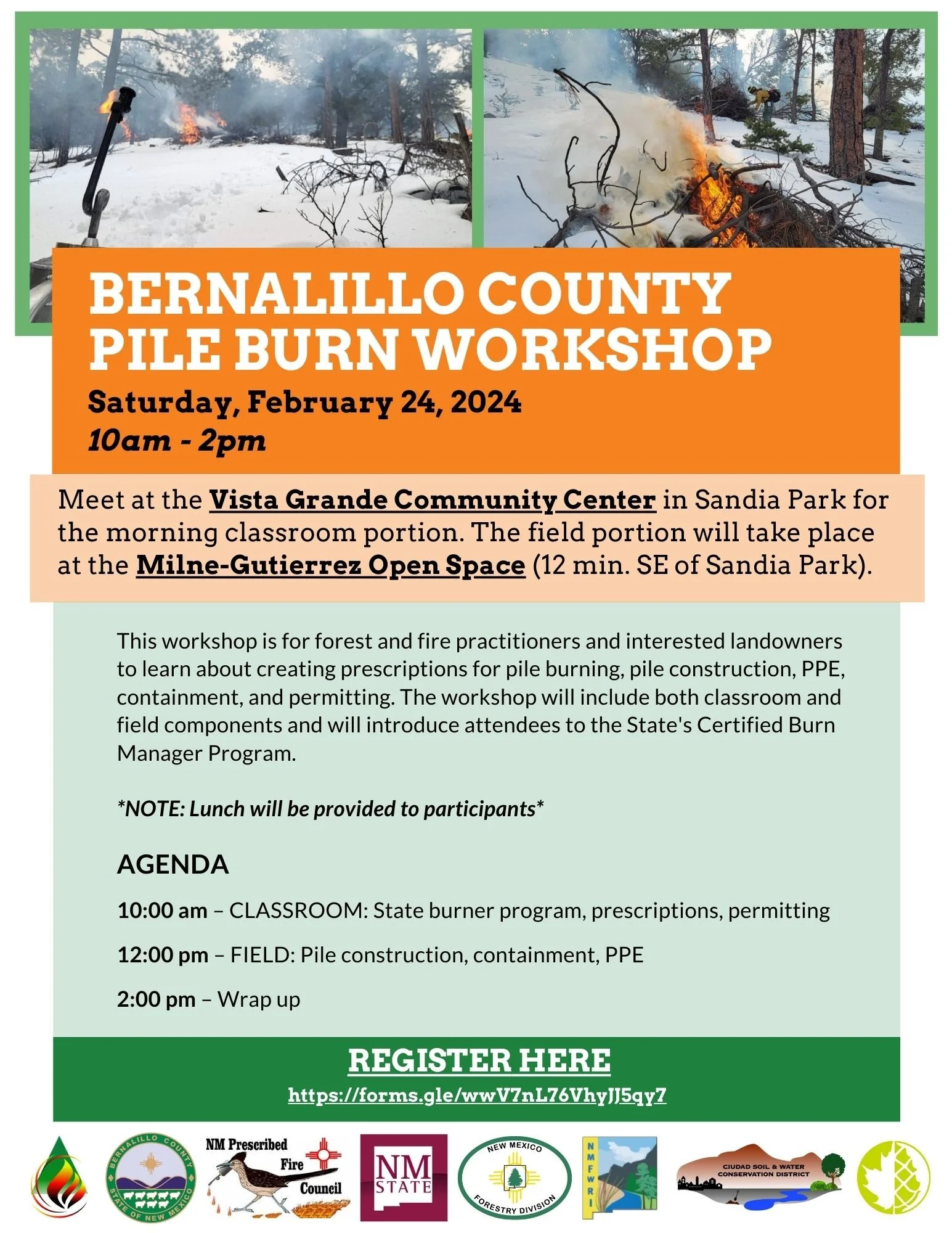
Bernalillo County Pile Burn Workshop

Saturday, February 24 from 10am - 2pm

Meet at the Vista Grande Community Center in Sandia Park for the morning classroom portion. The field portion will take place at the Milne-Gutierrez Open Space (12 min. SE of Sandia Park).

This workshop is for forest and fire practitioners and interested landowners to learn about creating prescriptions for pile burning, pile construction, PPE, containment, and permitting. The workshop will include both classroom and field components and will introduce attendees to the State's Certified Burn Manager Program.

*NOTE: Lunch will be provided to participants*

AGENDA

10:00 am – CLASSROOM: State burner program, prescriptions, permitting

12:00 pm – FIELD: Pile construction, containment, PPE

2:00 pm – Wrap up


Funding Opportunities

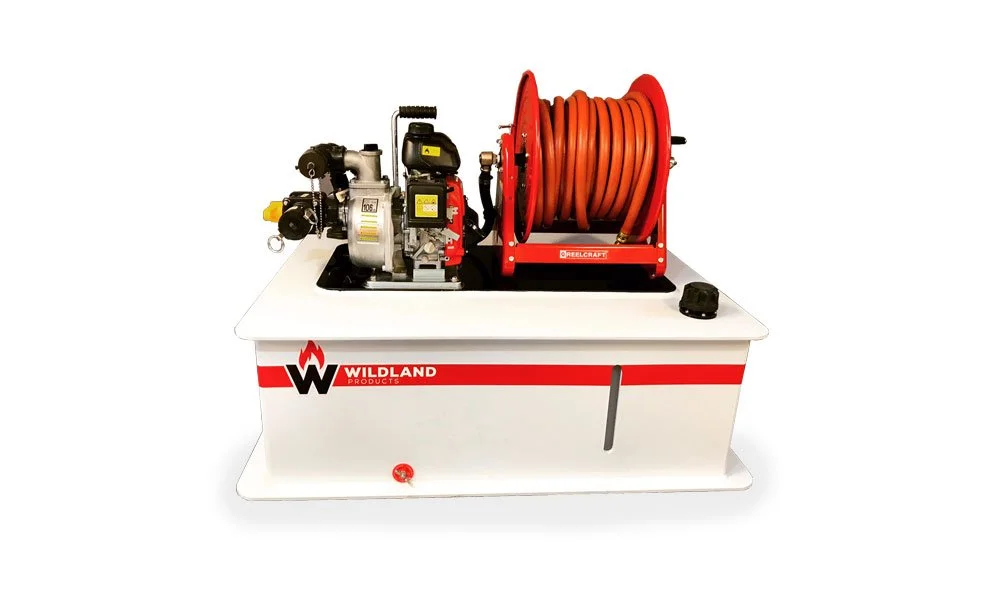
Grant Opportunity for Slip-on Tanker Units

This new pilot program from the Department of the Interior will fund local governments to purchase slip-on tanker units, allowing them to quickly convert trucks and other vehicles for operation as wildland fire engines. Governments that provide emergency services to areas with a population of 25,000 or less are eligible to apply and grant amounts will range from $10,000 to $200,000. A new search tool allows communities to determine their eligibility for this program. Statements of interest are due March 21.


Looking to fund your community fire preparedness event?

Apply for a FAC NM Microgrant!

FAC NM Leaders and Members are eligible to apply for grants awards of up to $2,000 to provide financial assistance for:

  • convening wildfire preparedness events,

  • enabling on-the-ground community fire risk mitigation work, or

  • developing grant proposals for the sustainable longevity of their Fire Adapted Community endeavor.
    Applications will be accepted through February 28, 2024.


Additional Resources

Biochar in the Southwest: Using New Mexico Practices and Regulations as a Model

CJ Ames and Eva Stricker, PhD, Quivira Coalition
Kelpie Wilson, Wilson Biochar Associates

This workbook from the Quivira Coalition offers practices on New Mexico lands as a model for making and using biochar in a relatively hot, dry, and windy environment. It is both a primer on what biochar is and what makes it a useful tool in land management, as well as a guide on how to produce and distribute it on the land. This workbook is intended to accompany in-field or video training that will enable land stewards and technical service providers to safely produce biochar for use in their operations.

Read a free online version here!

Hard copies are available for purchase in the Quivira Coalition Store.


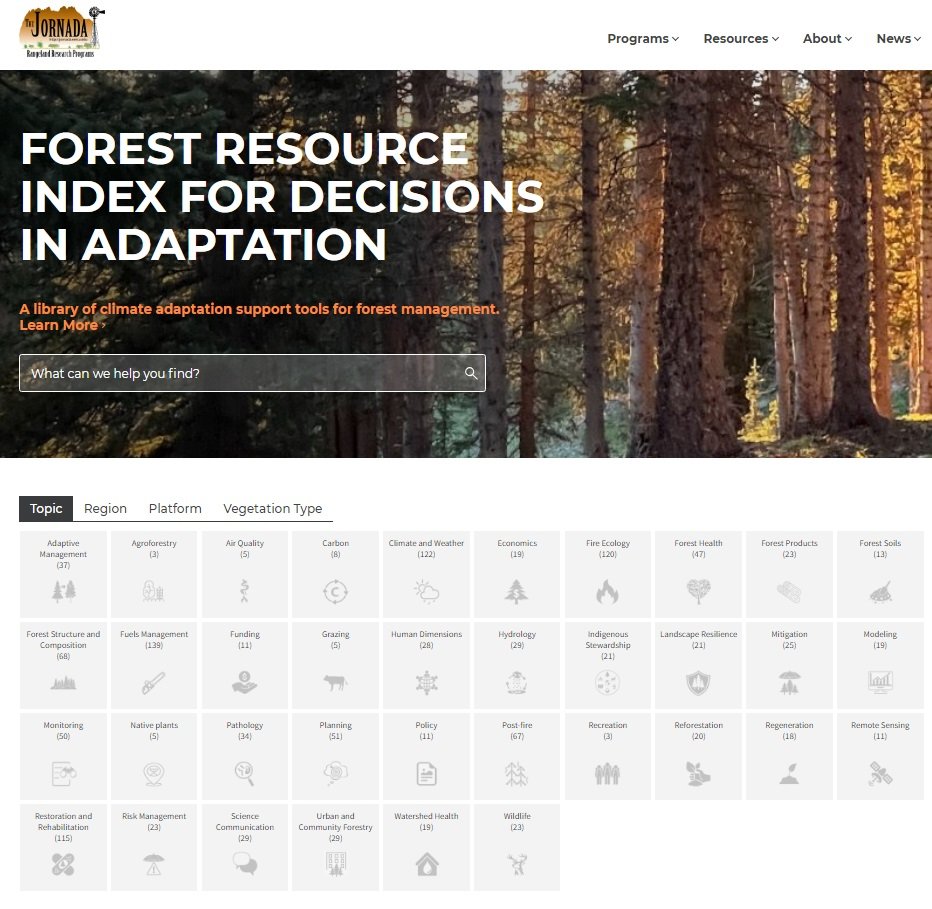
Forest Resource Index for Decisions in Adaptation (FRIDA)

A library of climate adaptation support tools for forest management.

The Forest Resource Index for Decisions in Adaptation (FRIDA) is a library of climate adaptation support tools for forest stewardship in the Southwest.

FRIDA is an online library of decision-support tools and resources to help support climate change adaptation decision-making and forest stewardship in the Southwest. FRIDA allows managers and decision-makers to easily query based on their objectives and area(s) of interest. Users can filter resources by topic, region/state, resource platform, and vegetation type to efficiently find the most relevant region-specific tools and resources to best fit their needs.

Wildfire Wednesdays #128: Vulnerability in Wildfire Risk Rating

Happy Wednesday, FACNM Community!

Wildfire risk does not exist in a vacuum; many factors contribute to how vulnerable an area or a community is to a potential fire. Proximity to wilderness, ecosystem type, defensible space, building materials and styles, financial standing, digital connectivity, and more influence severity of risk. Today we will be exploring one aspect of this intersectional risk - social vulnerability - and how we can account for it in our community protection planning.

This Wildfire Wednesday features:

Take care,
Rachel


Learn more about the Social Vulnerability Index!

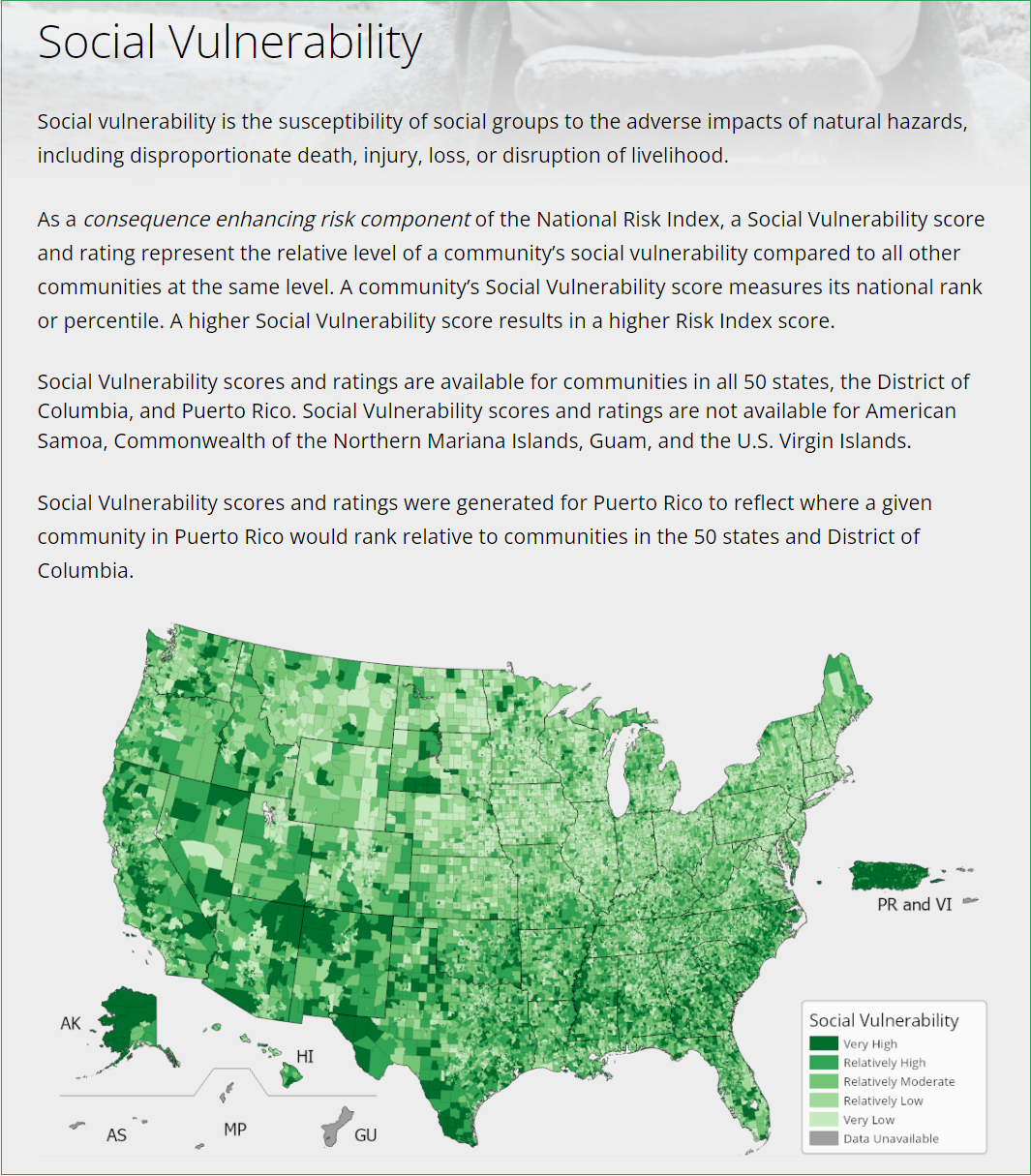
The Social Vulnerability Index

From water shortages to wildfire impacts, research and experience has shown that socially vulnerable groups across the United States are bearing high costs of environmental hardships which are expected to worsen with climate change, population growth, and changes in population centers and habits. Growing evidence indicates that these environmental hardships constitute an environmental injustice, as vulnerable groups are disproportionately exposed.

In the face of wildfires, all communities risk tremendous losses. However, some communities risk losing more of their assets, both tangible and cultural, when their homes or their properties burn. Many rural and under-served communities have no insurance to rebuild their homes; renters are displaced and have no means to recover their valuables; and elderly and disabled residents confront additional threats when responding to events and caring for themselves and their families. Catastrophic wildfire can result in the loss of livelihood for residents and communities as a whole, including loss of jobs, natural resource and tourism industries, and other economic opportunities in the community.

The social vulnerability index refers to the susceptibility of social groups to the adverse impacts of natural hazards. For wildfire, this index can be mapped by overlaying wildfire potential, wildland-urban interface designations, and census tract data. On average, places with high wildfire potential have lower social vulnerability, but nearly 10% of all housing in places with high wildfire potential also exhibit high social vulnerability.


Learn more about tools for evaluating social vulnerability!

Tools for Evaluating Vulnerability

Wildfire Risk to Communities

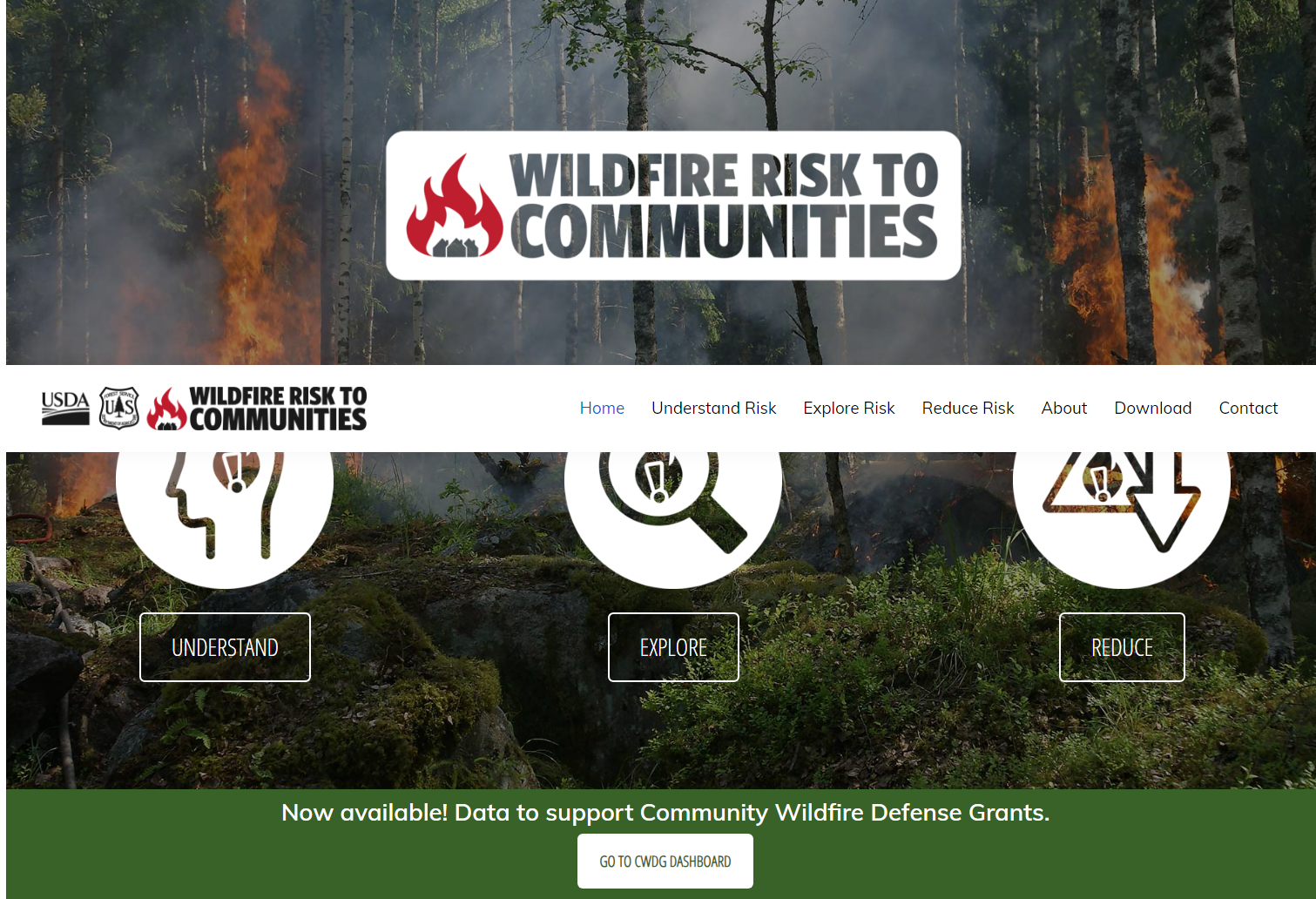
"Wildfire Risk to Communities" is a user-friendly website developed by the USDA Forest Service to aid communities in comprehending and decreasing their vulnerability to wildfires. This platform, established at the directive of Congress, offers interactive maps, charts, and resources to support informed decision-making. Utilizing the most up-to-date research insights, the website identifies and assesses wildfire vulnerability, equipping communities with the necessary tools to manage and mitigate these risks. The data used in the project is drawn from consistent sources like LANDFIRE for vegetation and fuels, the National Weather Service for weather information, and the U.S. Census Bureau for community data. Notably, wildfires and significant disturbances that happened after 2014 are not yet included in the data.

The website is primarily designed for community leaders such as elected officials, planners, and fire managers. It provides a broad perspective on risk across regions, states, and counties. While accessible for exploration online, the data can also be downloaded as GIS raster layers which enables more in-depth and personalized analysis. The website is intended to be used to compare risk among communities rather than within them and is not suitable for evaluating risk at the local, neighborhood, or individual home level. It also features a tool specifically intended for use with Community Wildfire Defense Grant (CWDG) applications.

Justice40 Initiative

Through Presidential Executive Order 14008, the Federal Government has set a goal to have 40% of overall benefits of certain Federal investments flow to disadvantaged communities that are marginalized, underserved, and overburdened by pollution. The categories of investment that fall within the Justice40 Initiative are: climate change, clean energy and energy efficiency, clean transit, affordable and sustainable housing, training and workforce development, remediation and reduction of legacy pollution, and the development of critical clean water and wastewater infrastructure.

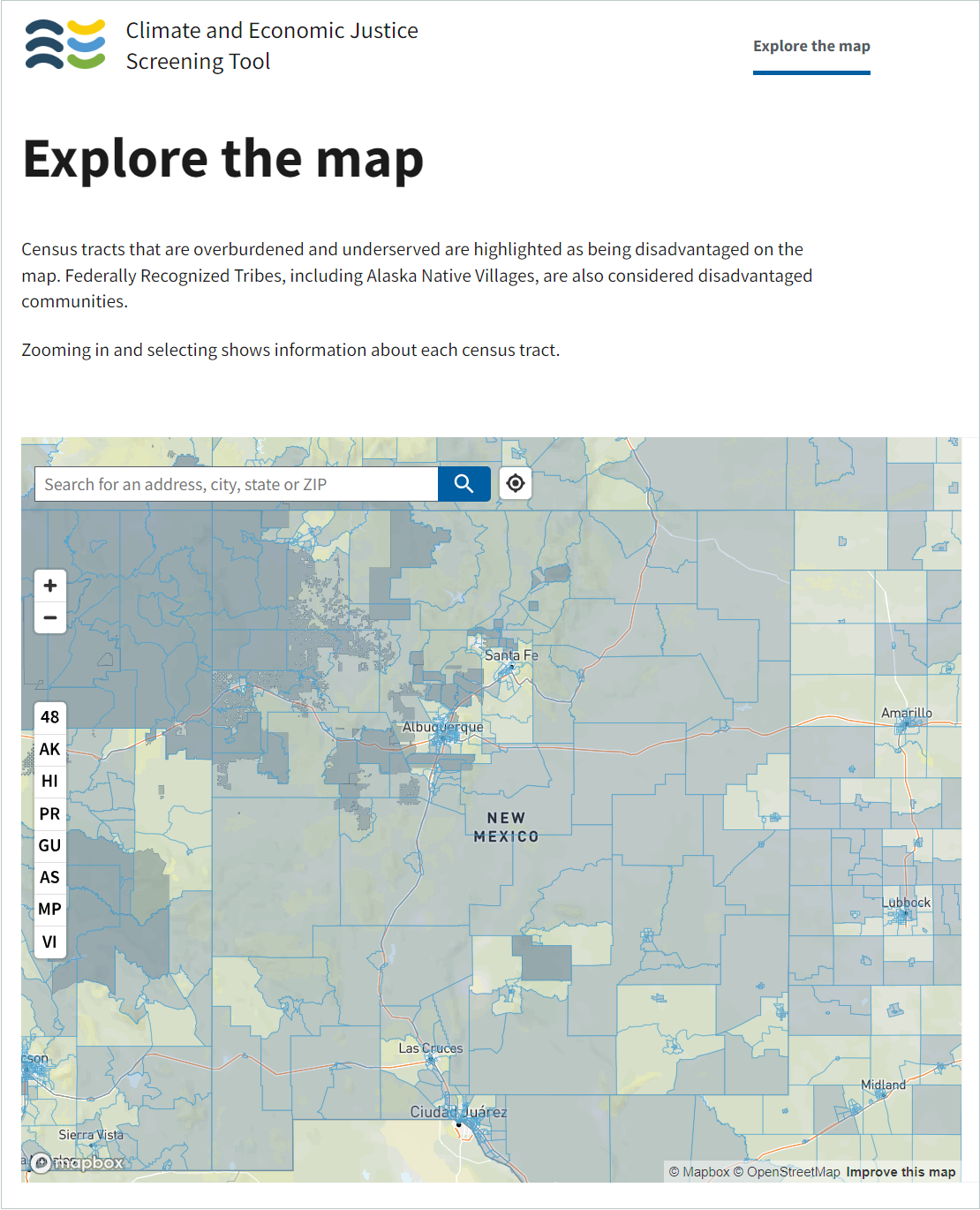
In July 2021, the White House issued formal Interim Implementation Guidance directing all Federal agencies to identify which of their programs are covered under the Justice40 Initiative and to begin implementing a set of reforms to those programs. In January 2023, the White House issued additional guidance to Federal agencies on how to use the Climate and Economic Justice Screening Tool (CEJST), a geospatial mapping tool that helps bring disadvantaged communities to the forefront of planning. Initiatives like J40 are designed, in part, to create more equitable distribution of wildfire risk reduction costs and benefits.

The CEJST is a designed to identify communities that are marginalized and overburdened by pollution and underinvestment. The CEJST features a user-friendly searchable map that identifies disadvantaged communities across all 50 states, the District of Columbia, and the U.S. territories, to the extent data are available for the U.S. territories.

Engagement in Community Wildfire Protection Plans

Since the advent of the National Fire Plan in 2000, numerous policies and programs, including the Healthy Forests Restoration Act and Community Wildfire Protection Plans (CWPP), have been implemented for communities across the nation to work collaboratively with public agencies to identify and reduce wildfire risk. Beginning in 2005, collaborators within New Mexico determined the need to incorporate provisions within these CWPPs to account for and uplift socially vulnerable - rural, low-income, and under-served - communities. Papers such as Measuring Community Capacity for Protection from Wildfire recognized that some of these communities lack the human capital (staff or volunteers) and social capacity (including financial resources) to successfully develop and implement CWPPs on their own.

Technical assistance and direct education and outreach can make a great difference in assisting these communities identify high risk areas and recommend strategies for fire protection. A 2008 document, Engaging Socially Vulnerable Populations in Community Wildfire Protection Plans, provides tools to low-income and under-served communities for protection from wildfire:

  • Ensure that low capacity communities are incorporated within Community Wildfire Protection Plan (CWPP) goals.

  • Conduct risk assessments that include social as well as biophysical dimensions of risk.

  • Identify vulnerable populations and develop strategies to meet their needs within a CWPP.

  • Monitor and evaluate the impact of CWPPs.

Topics covered include CWPP strategies for low capacity communities, Fostering collaboration, Assessing community capacity in a wildfire risk assessment, and Vulnerable populations.

Following the publication of this 2008 guidance, the NM Forestry Division incorporated the recommendation that CWPPs “recognize the needs of especially vulnerable populations such as the elderly, people with disabilities, and disadvantaged populations” in their 2015 and 2021 CWPP Guidelines. This practice is now standard for the creation and updating of Community Wildfire Protection Plans across the state.

Digital vulnerability during disasters

The Disaster Risk Communication and Digital Vulnerability Among Subsidized Housing Residents report details how some groups may lack the information they need to prepare for and respond to disasters because they are unable to receive digital risk communication due to internet access barriers or lower levels of digital literacy skills. It suggests that practitioners should be more cautious when using digital tools to disseminate information, as many individuals in subsidized housing may have difficulty accessing digital information. The report also provides recommendations to ensure the effectiveness of risk communication in vulnerable communities such as digital literacy training and targeted communication campaigns. Read the report in full and peruse the research brief.


Learn more about Resources and Opportunities!

Resources and Opportunities

Webinars

February 20 at 12pm: Post-Wildfire Recovery Through the Principles of Engineering With Nature
In this one-hour webinar from the Southwest Fire Science Consortium and Joint Fire Science Program, Chris Haring with the Army Corps of Engineers will share lessons learned from post-fire erosion control and ecosystem recovery following the Las Conchas fire in Santa Clara Canyon. Chris’ experience centers around Engineering With Nature-Natural and Nature-Based Features (EWN-NNBF), using post-fire debris and existing materials to stem erosion and degradation of the canyon and its drainages.

Wildfire Wednesdays #127: Homeowners Insurance & Escalating Wildfire Risk

Hello Fireshed Folks,

In the face of escalating wildfire risks in the Western U.S., homeowner's insurance stands as an important line of defense against climate change-induced calamities. The surge in unprecedented wildfires in recent times has prompted a reassessment of the risks associated with insuring homes in fire-prone regions by homeowners' insurance companies. Numerous conventional carriers now decline to provide insurance coverage for properties in high-risk areas, and some have stopped renewing existing policies. The reluctance of insurers stems from concerns about potential liabilities, exacerbated by the lengthening periods of drought and lessening wet seasons. This flight of insurance companies has happened perhaps first and worst in the state of California, and the struggle there can give context to what the rest of the west may face. Read on for more details.

In this post:

  • Background: California’s Insurance Challenges & the Impact Beyond CA

  • How Do Insurance Companies Determine Coverage?

  • Exploring Possible Solutions

  • Upcoming Opportunities

Happy Reading!

Best,

Dayl


Background

California’s Insurance Challenges

*Information sourced from this NY Times article and this KQED article.

Climate disasters, especially intensifying wildfires, have posed a significant threat to California, impacting the insurance industry and the millions of residents who rely on it. Seven major insurance companies, including Allstate, State Farm, Farmers Insurance, and AIG, have either left California or scaled back their operations in response to the escalating risks. The state's current business model is under threat, necessitating a comprehensive regulatory overhaul.

California Insurance Commissioner Ricardo Lara faced increased pressure to act as legislative efforts faltered. An executive order from Gov. Gavin Newsom urged swift action to strengthen the property market, prompting Lara to announce significant regulatory changes by the end of the next year. The proposed changes aim to enhance market stability, but they also raise concerns about potential premium increases.

Lara's proposed changes include agreements with insurance companies to offer coverage to at least 85% of homeowners in high wildfire-risk areas. This shift aims to transition homeowners from the state's insurer of last resort, the FAIR plan, back to the regular market. Additionally, allowing companies to use forward-looking climate catastrophe models and passing on California-related reinsurance costs are crucial components of the regulatory overhaul.

While the announced changes aim to address the challenges faced by the insurance industry, reactions have been mixed. Some see it as a necessary compromise to ensure both consumer and insurer viability, while others criticize it as a victory for the insurance industry. The potential for higher premiums has raised concerns, but the changing landscape suggests that the era of cheap insurance may be over, requiring homeowners to adapt to a new normal.

The Impact Beyond California

The challenges faced by California's insurance market are reflective of broader trends in the Western U.S. and beyond. Climate-driven disasters are accelerating price hikes, coverage withdrawals, and market instability, posing a global systemic risk. The potential collapse of the insurance market could have far-reaching consequences on the economy, affecting the real estate industry, mortgages, and overall economic stability.


How Do Insurance Companies Determine Coverage?

*Information courtesy of Ashley Dalton, an Insurance Agent with offices in Ruidoso and Alamogordo, NM. View her PowerPoint presentation slides on the topic here.

30-50% of underwriting decisions are based on the two following programs:

For typical structure loss due to fires

Public Protection Class ISO (1971)

• 50% comes from the quality of your local fire department, including staffing levels, training and proximity of the firehouse.

• 40% comes from availability of water supply, including the prevalence of fire hydrants and how much water is available to put out fires.

• 10% comes from the quality of the area’s emergency communications systems (911).

• An extra 5.5% can come from community outreach, including fire prevention and safety courses.

For predicting risks specific to wildland fires in rural areas

ISO Fireline (2004)

• Fuel — Grass, trees, or dense brush feed a wildfire.

• Slope — Steeper slopes can increase the speed and intensity of wildfire.

• Access — Limited access and dead-end roads can impede firefighting equipment.

• Scores range from negligible (0) to low (1), moderate (2–3),high (4–12), and extreme (13–30)

For the remaining 50-70%, it depends on the following: Construction type (fire-resistive, non-combustible, ordinary, heavy timber, wood-framed), roof type, renovations, condition, size, and age.


Exploring Possible Solutions

*Information and ideas are sourced from an interview with Nancy Watkins, a specialist in wildfire risk assessment and climate resilience. Listen to/watch the podcast episode here, and read her related research paper here.

The Need for Comprehensive Data

An important point in this conversation is the need for comprehensive data to thoroughly understand wildfire risk, and this is one of the main disconnects in the world of wildfire insurance. There are major challenges in quantifying risk, especially concerning community-level mitigation efforts, and the data needed to understand the current and future risk of wildfire is evolving rapidly. And while individuals may believe that mitigation efforts should guarantee insurance coverage, certain factors may still deter insurance companies.

The dynamic nature of mitigation work, changing annually, poses difficulties for insurers who cannot conduct on-site inspections regularly. Additionally, satellite imagery may not capture crucial zones near homes. One solution to these difficulties, as suggested by Nancy Watkins, would be to establish a data commons, providing parcel-level inspection data that is aggregated to enhance the quantification of wildfire risk. These data could provide invaluable insights for insurance companies, fire management professionals, scientists, and modelers, offering a more accurate depiction of wildfire risk. It can also lead to insights about where fire mitigation work can provide the most value relative to where a fire may come into a community, such as focusing on properties on the edge of the wildland-urban interface rather than in the middle of a residential development.

Community-Wide Mitigation and Market Incentives

So, what is going to motivate your neighbors to want to be wildfire prepared? Changes to the insurance industry may do the trick, in the form of communities getting official risk designations from insurance companies. This would involve having categories of community risk, just like there are currently categories of community hazard. These risk categories would be based upon what is done near communities to slow fire down, what fire response resources exist in communities, and how people have discouraged the fire from spreading from house to house.

An example of this process might look as follows: if 75% percent of a community has completed measurable mitigation actions, then the risk level as a community would decrease. This system would provide a way to differentiate communities and make them more attractive to insurance companies. These community-level distinctions could also serve to bring community members together and increase participation in programs such as Firewise.

Conclusion

The evolving landscape of homeowner's insurance in the Western U.S. amid escalating wildfire risks signifies a critical juncture where challenges and potential solutions intersect. The significant impact on California's insurance market, marked by the departure of major carriers and regulatory efforts, exemplifies the broader trends affecting the region and beyond. As climate-driven disasters continue to drive price hikes, coverage withdrawals, and market instability, the repercussions extend to the economy, impacting real estate, mortgages, and overall stability. The delicate balance between consumer protection and insurer viability underscores the need for continued dialogue and collaboration to navigate the evolving challenges posed by escalating wildfire risks in the Western U.S.

Upcoming Opportunities


Funding Opportunity

Spring 2024 Fire Adapted Communities grant funding: application portal opening soon!

Are you interested in promoting and developing your community’s fire adapted practices? Motivated to convene community events but need a little help? Consider applying for seed funding this Spring!

FACNM is offering grants of up to $2,000 to Leaders and Members seeking financial assistance to:

  • convene wildfire preparedness events,

  • enable on-the-ground community fire risk mitigation work, or

  • develop grant proposals to ensure the financial longevity of their Fire Adapted Community endeavor.


Job Opportunity

The Forest Stewards Guild is hiring a Southwest Ecological Monitoring Technician for the 2024 season! Applications are due February 9th. Please include a resume, cover letter, and three references sent to collin@forestguild.org.

Read the full position description here.


Upcoming Events

FACNM January Connection Call for Network Members and Leaders

Jan 29, 2024 1:00pm Mountain Time

Network members and leaders, please join us for our January FACNM connection call! We will be discussing network building successes, challenges, and strategies, and experiences with active outreach in our communities.

FAC Net Vulnerability Webinar

Jan 29, 2024 12:00pm Mountain Time

This webinar will provide an overview and quick "how-to" on tools for gathering and leveraging vulnerability data, which can be used to apply for federal grants that benefit under-resourced communities. Topics will include the Resilience Analysis and Planning Tool (RAPT), Grant Equity Threshold Tool (GETT), and the Climate and Economic Justice Screening Tool (CEJST).

Webinar: Overview of Prescribed Fire Liability in State Law

Feb 1, 2024 11:30am Mountain Time

Hosted By: The Nature Conservancy and the Fire Learning Network

In this 90-minute webinar, Sara Clark will provide an overview of prescribed fire liability in state law, including definitions of liability and how state laws defining liability interact with certified burn manager programs, tribal sovereignty and cultural burning, and prescribed fire insurance.

Thinking and Working in Projects: A Free ArcGIS Pro training workshop

February 15 · 12:30pm – 4:30pm MST

February 16 · 12:30pm – 4:30pm MST

Objectives of this course: understanding project design and functionality, creating a project from a template, sharing maps, layouts and content between projects, collaborating and integration with AGOL, Portal, streaming services. 

To take part in this training you’ll need an active or trial license to ArcGIS Pro 3.X and will need to download the software before taking the course. You can download a 21-day trial here.

This free workshop is limited to 16 participants and is sponsored by the New Mexico Forest and Watershed Restoration Institute. Registering for the course will reserve your spot on both afternoons.