The origin of the name, Red Flag Warning, is a literal one, according to Tamara Wall of the Desert Research Institute: “If there was… high fire danger, local fire stations would go and run a red flag up the flagpole. It was a very visual, kind of pre-mass communications way to signal to people in the area that it was a high-danger day” (NPR, 4/14/23).
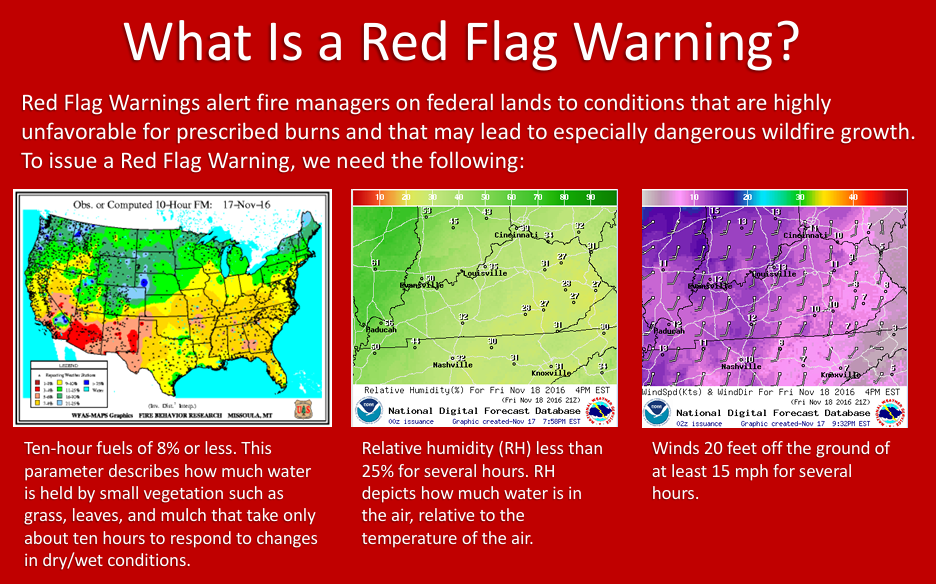
According to the National Weather Service (NWS), which issues these alerts in conjunction with local and state agencies, a Red Flag Warning is part of a weather forecast which indicates a local increase in fire danger risk in the next 12 to 24 hours. This increased risk is due to a combination of critical fuel conditions and critical weather conditions (warm temperatures, very low humidities, and strong winds). This means that if a wildfire starts, the conditions are right for it to spread rapidly and be difficult to contain.
This combination of 1. low relative humidity (RH), 2. strong surface wind, 3. unstable air (an incoming or outgoing storm system that creates a significant temperature differential between the land surface and lower atmosphere), and 4. drought creates critical fire weather (NWCG, Critical Fire Weather). When it comes to issuing a Red Flag Warning, primary criteria include relative humidity of 15% or less combined with sustained surface winds, or frequent gusts, of 25 mph or greater. Both conditions must occur simultaneously for at least 3 hours out of a 12-hour period, according to the National Weather Service. Meteorologists also consider how all forecasted weather elements combine to create hazardous conditions (e.g. moderate humidity combined with high temperatures and high winds), even if they don’t fit the humidity and wind criteria individually.
When you see a Red Flag Warning, it means that critical fire weather is currently or will soon be occurring. Red Flag Warnings differ in timing from a fire weather watch, which is a longer-term forecast that warns of the possible development of Red Flag conditions in the next 72 hours. Fire Weather Watches may be issued with meteorologists forecasting up to 8 days in advance, whereas Red Flag Warnings are only issued when the critical fire weather conditions meeting the criteria for these Warnings are expected to begin in the next 12-24 hours.
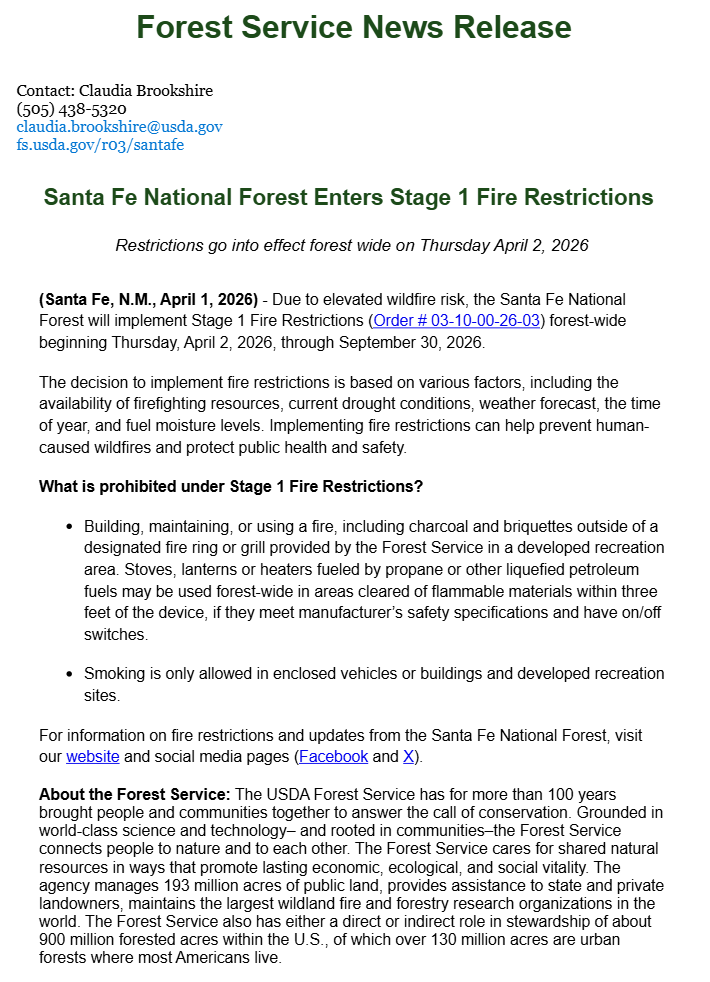
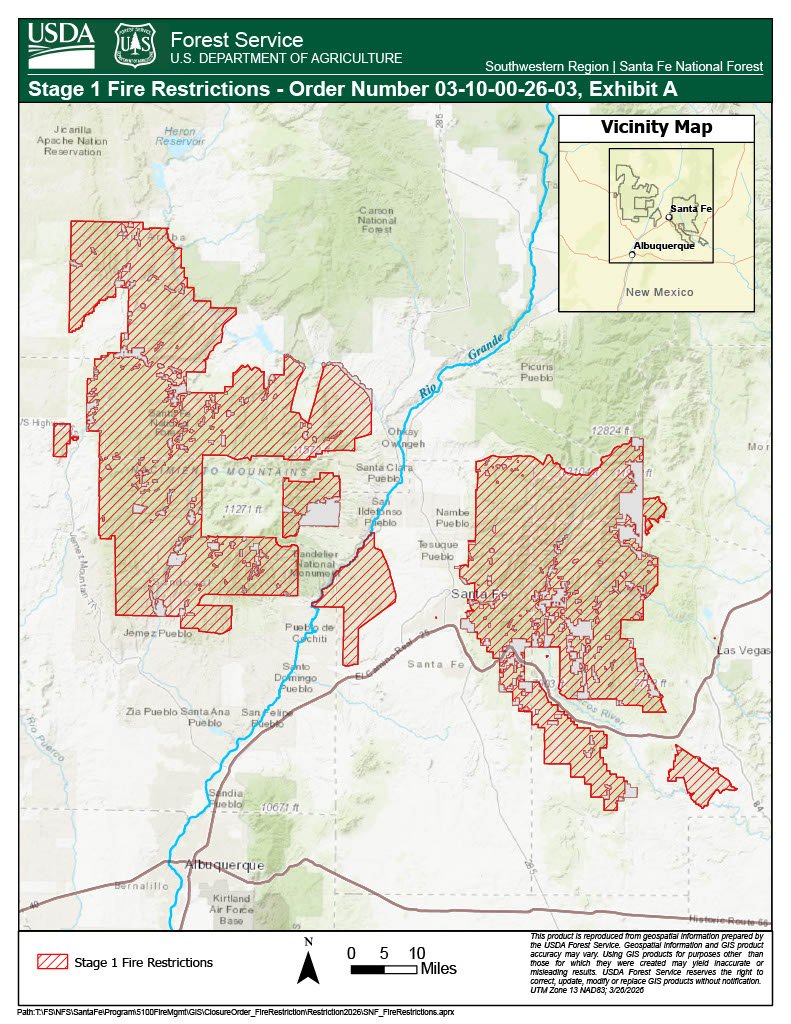
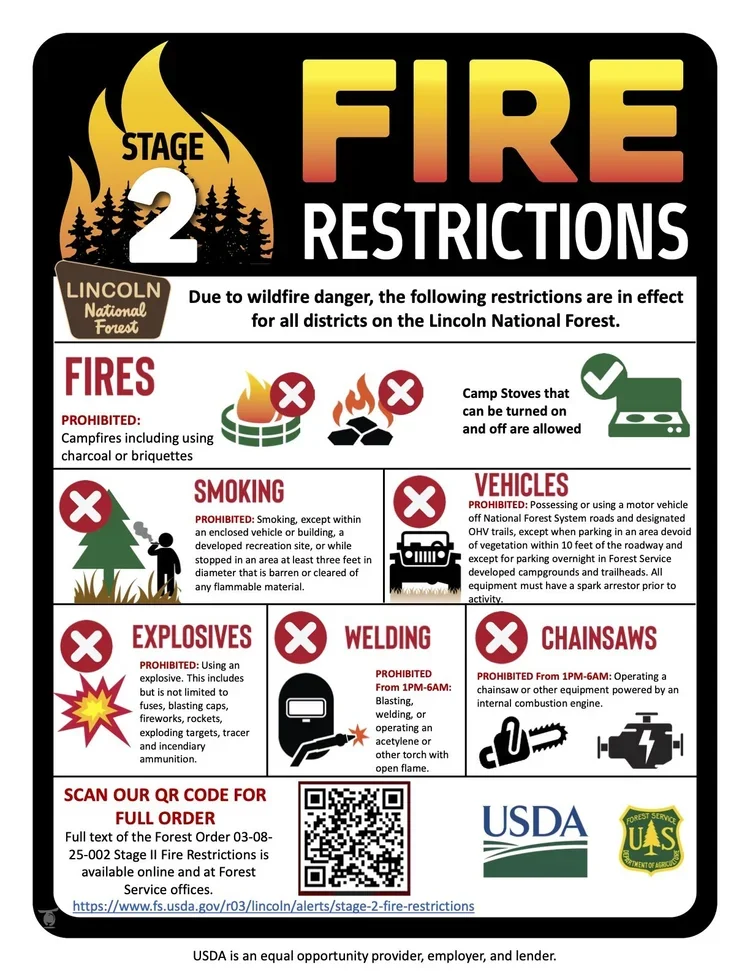
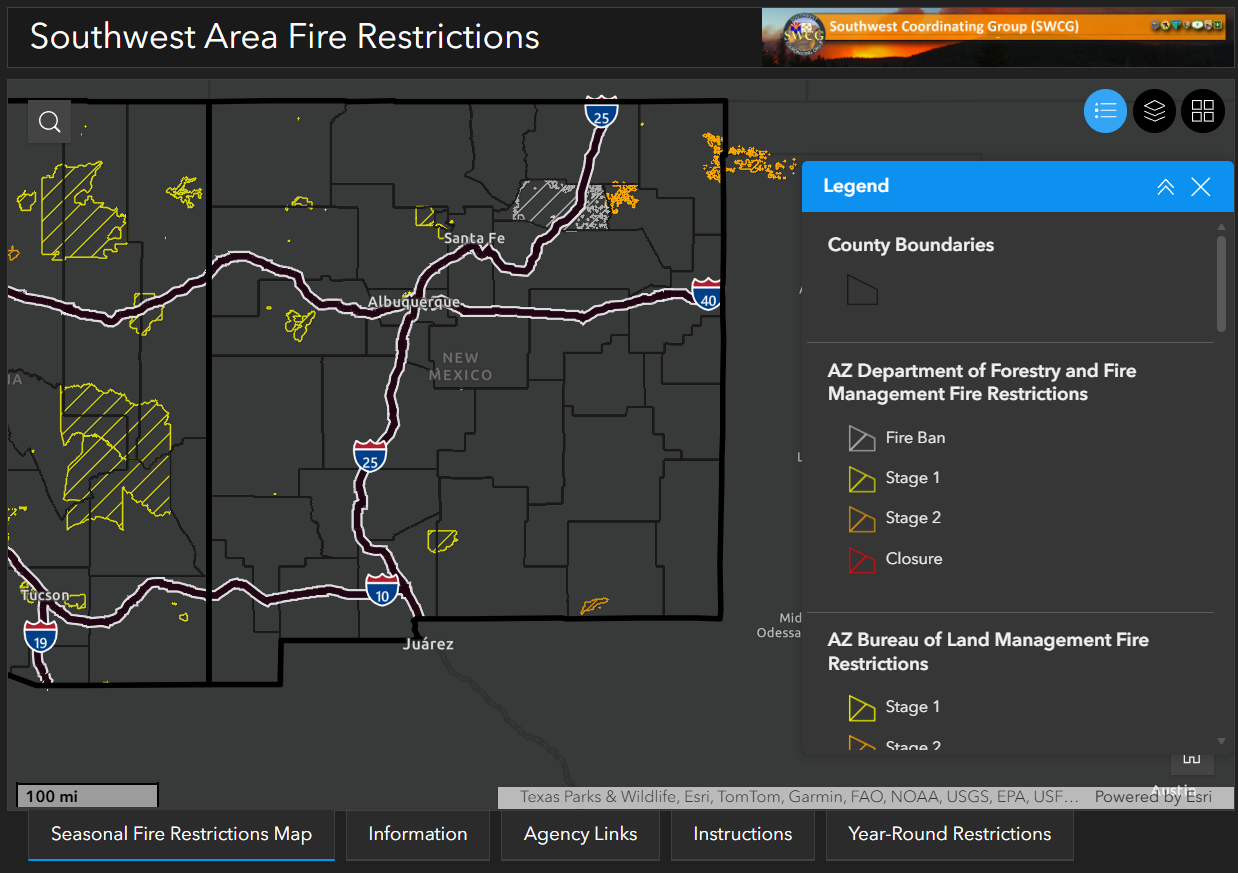
The alert announcing a Red Flag Warning, whether online, on the news, or on your weather app, will usually indicate for how long the Red Flag Warning is forecasted to last. Fire management personnel take Red Flag Warnings into account and may respond by changing staffing numbers or preemptively moving resources into a certain region to be prepared for a potential ignition. During extended periods of high risk, local authorities may consider policy decisions like banning campfires or closing specific areas.
How to Respond
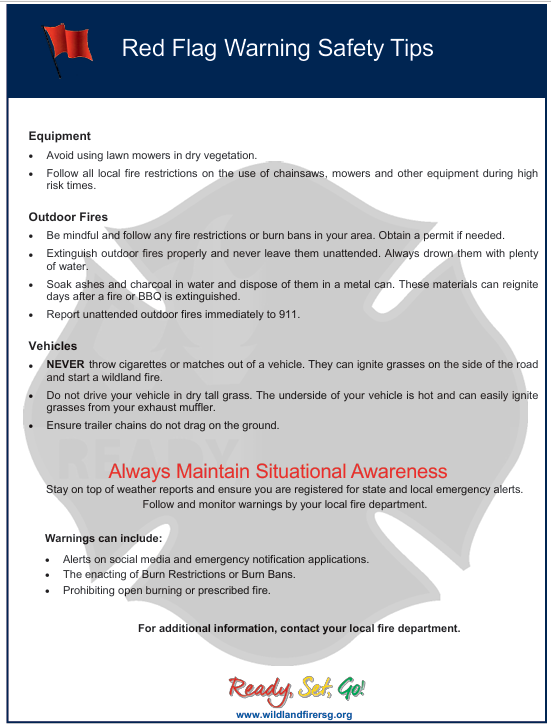
Adjust your behaviors accordingly to avoid creating a spark that could ignite a larger fire.
If you are allowed to burn in burn barrels in your area, cover them with a weighted metal cover.
DO NOT throw cigarettes or matches on the ground or out of a moving vehicle.
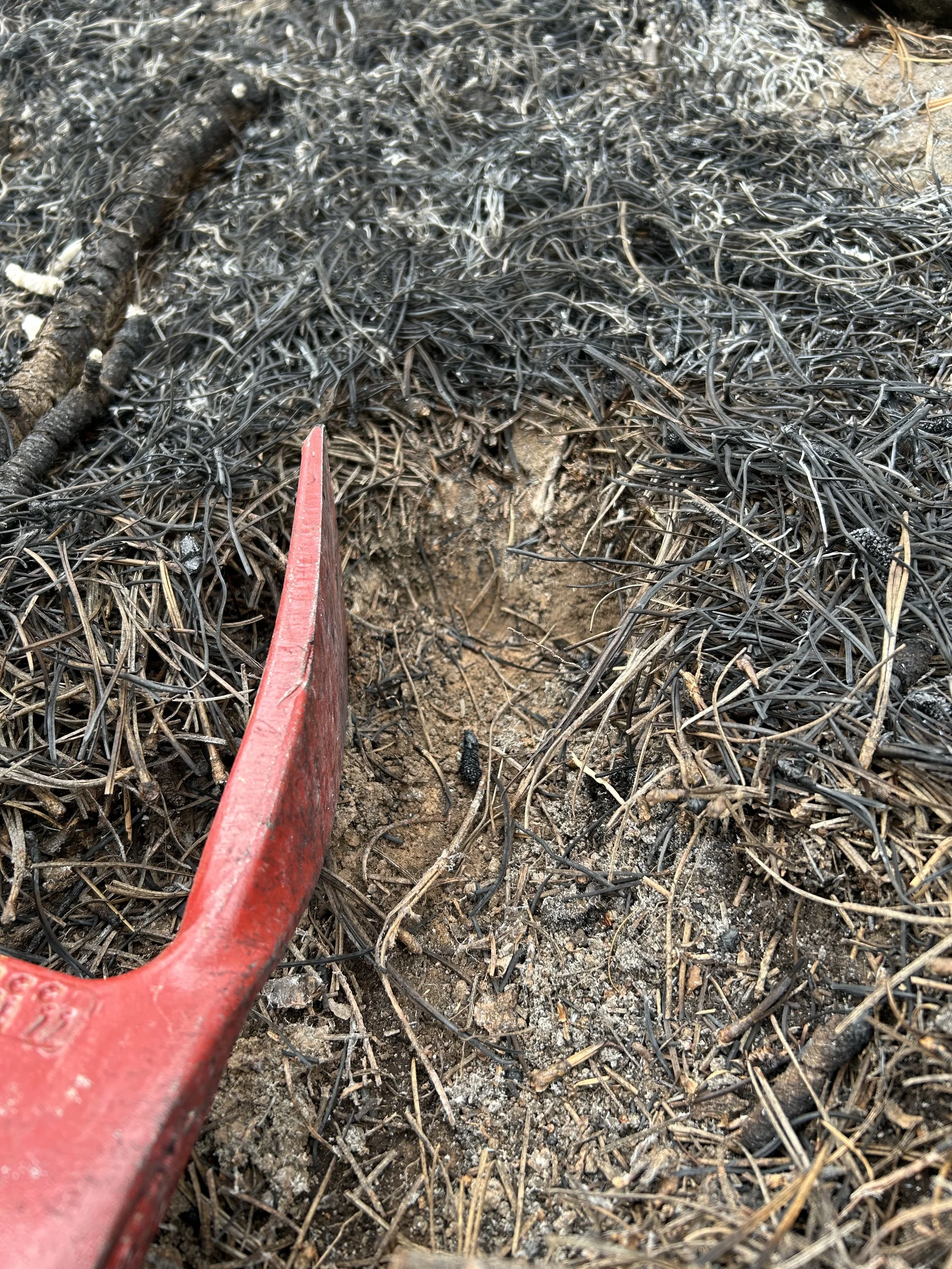
If outdoor fires are allowed, make sure to extinguish them properly. Drown fires and charcoal with plenty of water and stir with a shovel to make sure everything is cold to the touch with bare skin.
Avoid parking a recently driven vehicle on dry grass or other areas with vegetative cover.
Ensure that no chains or hanging metal are dragging from your vehicle or tow-behind trailer which could cause a spark.