Wildfire Wednesdays #46: House Bill 57 - After the Flames Webinar

Hi Fireshed Members,

As we focus on incremental progress toward wildfire preparedness, it is important to stop along the way to appreciate our successes. This week I want to focus on House Bill 57, which represents a big success towards our goals in the Fireshed landscape.

This Wildfire Wednesdays features:

  • Governor Michelle Lujan Grisham signs House bill 57, improving forest management and helping NM avoid catastrophic wildfires.

  • After the Flames webinar: Understand Post-Fire Flood Risk Before the Fire

Best,

Gabe

Gov. signs bipartisan measure to improve forest management, help N.M. avoid catastrophic fires
thumbnail_image001.jpg

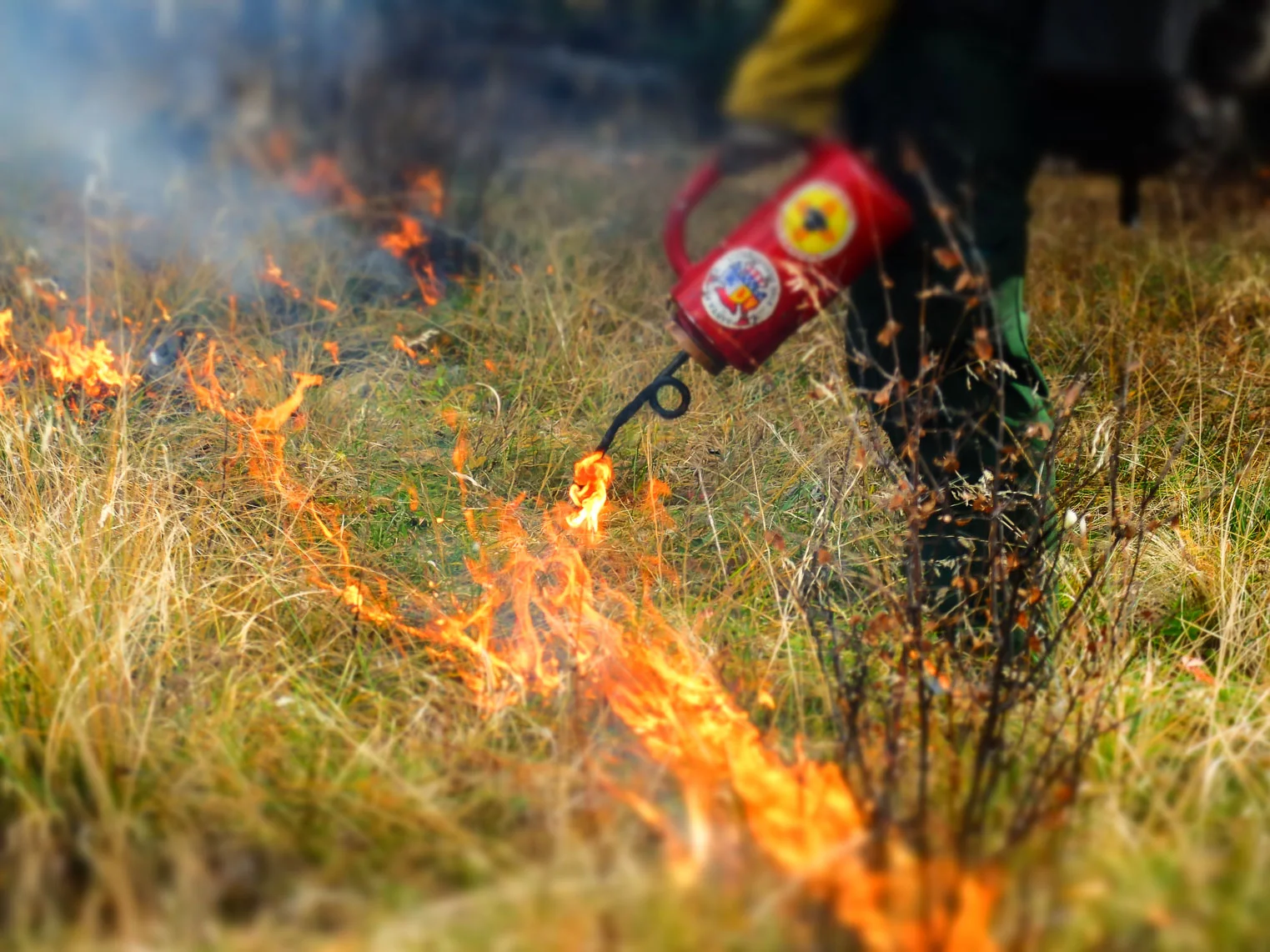
Gov. Michelle Lujan Grisham on Thursday signed into law House Bill 57, an important environmental measure that will help the state improve forest management amid a changing climate through prescribed burns, which will contribute to lessening the risk of catastrophic wildfire.

“The Prescribed Burning Act is an important proactive action for our state to ensure our forests and watersheds provide clean water and other benefits for future generations – while recognizing and mitigating the impacts of a changing climate,” said Gov. Lujan Grisham.

To read the full release, click here

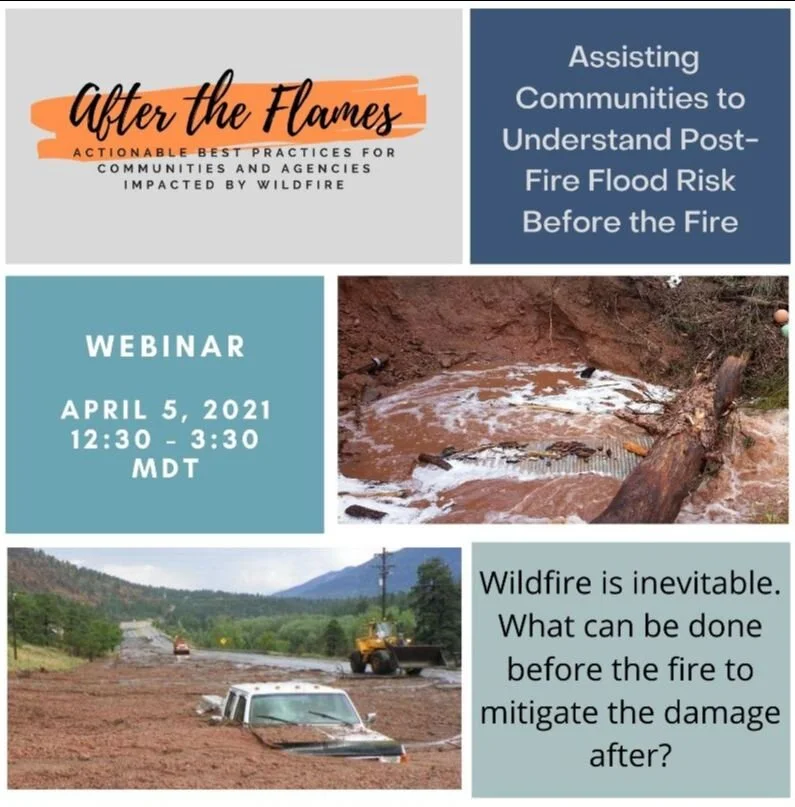
After the Flames Webinar: Assisting Communities to Understand Post-Fire Flood Risk Before the Fire

YOU DON'T HAVE TO WAIT TO START PLANNING
af957232-a01d-4ba9-8c58-676ead54b8c8.jpg

April 5th 2021 12:30 – 3:30pm mst,

Join experts from the Enginuity Engineering Solutions for a discussion of – What information is available to plan for post-fire flooding?

  • How to update that information

  • How to use publicly available models

  • Use assessments to understand values at risk

Click here to learn more and to register.

Hi Fireshed Members,

With Southwest wildfire preparedness week at the end of this month (3/28 – (4/3), now is a great time to get ready for wildfire season in your home and community. This year, there are many excellent virtual resources. You can enjoy the webinars below from the comfort of your own couch. Take advantage of all the great information at your finger-tips and don’t forget to invite your friends, family, and neighbors to tune in.

This Wildfire Wednesday features:

  • Proactive steps for individual and family preparedness webinar, tomorrow, March 11th

  • Home Ignition Zone webinar Tuesday, March 16th at 6pm

  • New Mexico State Forestry WUI fuels grant RFP and Non-federal lands fuels grant RFP start today, March 10th.

Best,

Gabe

NMSU Learning to Live with Fire webinar: Proactive steps for individual and family preparedness

Tomorrow, March 11th at 12pm

Guest Speaker Tom Dominguez, Santa Fe County Extension Agent

This informative lunch-hour webinar series from New Mexico State University Extension, Learning to Live with Fire, is going on every Thursday in the month of March. Tune in this week to learn how you and your family can get prepared for the upcoming fire season. Also, this talk will share information about now to identify and dispose of trees that have experienced insect and disease mortality. With this year’s drought conditions, we may be seeing more insect and disease mortality.  

For more information and to register, click here.

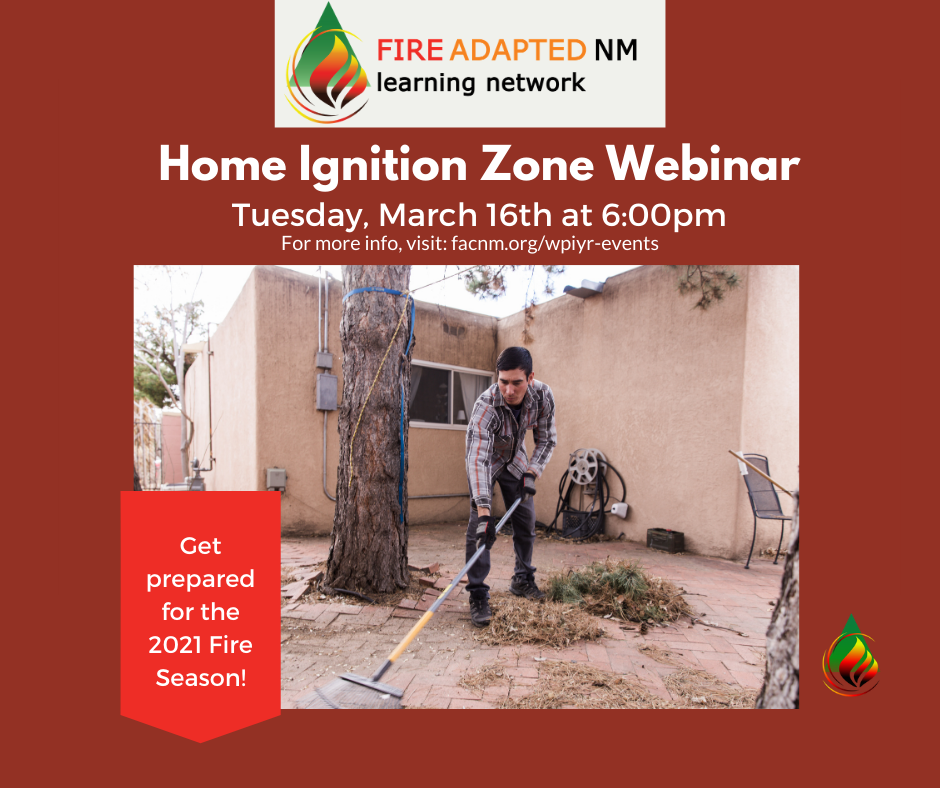
Home Ignition Zone webinar Tuesday, March 16th at 6pm

Please join us on Tuesday, March 16th at 6pm mst for a Home Ignition Zone Webinar with guest speaker Captain Jerry McAdams. Through this 1-hour webinar we hope to teach our audience some simple and effective ways to reduce the risk of home ignition from flames and embers. The webinar will take place on Facebook live and will be streaming from the FACNM Facebook as well as partner Facebook pages.  

Our guest speaker, Jerry McAdams, has over 20 years of experience working in the fire service. Jerry is a Senior Captain and NFPA Certified Wildfire Mitigation Specialist (CWMS) for the Boise Fire Department in Boise, Idaho.  

This webinar is part of an interagency campaign to promote wildfire preparedness in 2021, centering around the theme “Wildfire Preparedness is Year-Round," Fire Adapted New Mexico and will be hosting a monthly webinar series for March, April, and May.  

New Mexico State Forestry Division Requests Applications for their WUI Fuels and Non-Federal Lands Grant Programs

image.jpg

Today, March 10th, New Mexico State Forestry Division released the notice of funding opportunities and request for applications (RFA) to two grant programs: The FY22 Wildland Urban Interface Hazardous Fuels Grant, and the FY21 Non-Federal Lands Hazardous Fuels Grant.

For full grant program information, and to access the RFAs, click here.

Wildfire Wednesdays #44: Home Ignition Zone Webinar - Wildfire Preparedness Day Toolkit

Hi FireshedMembers,  

Keep up the good work! With warmer temperatures and windy spring weather, fire season comes early in the Southwest. With this year being a drought year, it is never too early to start preparing your home for wildfire.  

This Wildfire Wednesdays features: 

  • Home Ignition Zone Webinar, March 16th: Protect your Home from Wildfire 

  • A Wildfire Preparedness Day Toolkit from NFPA for planning an event in your community  

Best,  

Gabe 

Home Ignition Zone (HIZ) Webinar: Protect your Home from Wildfire 

Copy of HIZ webinar flyer.png

Please join the Fire Adapted New Mexico learning network on March 16th at 6pm mst for a Home Ignition Zone Webinar with guest speaker Captain Jerry McAdams. Through this 1-hour webinar FACNM will teach the audience some simple and effective ways to reduce the risk of home ignition from flames and embers. The webinar will take place on Facebook live and will be streaming from the FACNM Facebook as well as partner Facebook pages.  

Guest speaker, Jerry McAdams, has over 20 years of experience working in the fire service. Jerry is a Senior Captain and NFPA Certified Wildfire Mitigation Specialist (CWMS) for the Boise Fire Department in Boise, Idaho.  

As part of an interagency campaign to promote wildfire preparedness in 2021, centering around the theme “Wildfire Preparedness is Year-Round,” Fire Adapted New Mexico will be hosting a monthly webinar series for March (HIZ), April (smoke preparedness), and May. (evacuation).

Wildfire Preparedness Day Toolkit from NFPA: Plan an Event in your Community! 

NFPA-logo-placeholder_800x400.png

Wildfires across the United States have cost more than 100 lives and more than $25 billion in property losses in just the last two years. That’s why it’s so important to take steps to improve the wildfire safety of your home and community.  

Put safety first. On the first Saturday in May. Take the first step by participating in Wildfire Community Preparedness Day on Saturday, May 1, 2021. There are simple things you can do in an afternoon or over a weekend that research shows will help your home survive a wildfire.  

Plan your project with this toolkit. Inside you’ll find the tools you need to start your own customized project, step by step. Start with a simple checklist. Then explore a list of possible projects. Move on to promoting your efforts, safety tips, funding, and more. Just turn the page. 

To get started, click here.  

Wildfire Wednesdays #43: NMSU Webinar Series - Land Manager Webinar Series - FACNM Virtual Lunchroom

Hi Fireshed Members,  

Thank you all for your continued efforts and support toward our goal of becoming better prepared for wildfire. This collective goal of improving our relationship with wildfire is what binds the many different members, ambassadors, and partners in this coalition.

This week’s Wildfire Wednesdays features some resources to keep us informed: and connected:

  • The Learning to Live with Wildfire webinar series hosted by NMSU  

  • The Forest Service’s land manager-focused webinar series 

  • Fire Adapted New Mexico Virtual Lunchroom this Friday: Stay Connected 

Best,

Gabe

Learning to Live with Wildfire Webinar Series 

the-home-ignition-zone.png

This New Mexico State University (NMSU) hosted webinar series takes place every Thursday in March and will focus on how you can prepare for wildfire season. The one-hour sessions start at noon and feature Doug Cram, NMSU extension, as well as numerous guest speakers.  

March 4th: Wildfire! You have 5 minutes to evacuate. What should I do? 

Also: Evacuation? It won't happen to me, right? Lessons learned from the Ute Park Fire. Guest speaker Arnie Friedt, NM State Forestry. 

Register here for Session 1: March 4th 

March 11th: Be Prepared for Wildfire – Proactive steps for individual and family preparedness. 

Also: Identification of insect and disease tree mortality and proper disposal. Guest Speaker Tom Dominguez, Santa Fe County Extension Agent. 

Register here for Session 2: March 11th 

March 18th Be Prepared for Wildfire – Proactive steps to safeguard your home, yard, and neighborhood. 

Also: Technical assistance for private forest landowners. Guest speaker Shannon Atencio, NM State Forestry. 

Register here for Session 3: March 18th 

March 25th: Be Prepared for Wildfire – Special focus on ranches and farms. 

Also: Livestock and wildfire. Guest speaker Ruben Baca, NM Livestock Board. 

Register here for Session 4: March 25th 

Forest Service Land Manager-focused Winter Webinar Series 

EpeKxj3W8AAkPTr.png

The USDA Forest Service’s Rocky Mountain Research Station has been busy hosting a land manager-focused winter webinar series. There is a wealth of information in these webinars and they are all recorded. If you work with a land management agency and would like to stay up-to-date on recent forestry, fire, and natural resource management research, these webinars are a great resource.  

Upcoming: Fire severity: mapping past fires and predicting the future 

March 3rd, 10-11am MT 

For more information, click here. 


Upcoming: Pollinator-friendly plants for restoration 

March 10th,  10-11am MT 

For more information, click here. 

Fire Adapted New Mexico (FACNM) Virtual Lunchroom  

photo credit: Ali Lerch

photo credit: Ali Lerch

If you have questions, recommendations, corny jokes, or would just like to talk about wildfire, please attend the FACNM Virtual Lunchroom this Friday, February 26th at 12pm. This is a great way to learn more about the statewide Fire Adapted New Mexico learning network and connect with others across the state.

These monthly listening sessions are an open-format Zoom call where you can connect with FACNM members, leaders, or chat with the FACNM network coordinator, Gabe Kohler. This is a great place to direct friends, family, or neighbors that are interested in learning more about FACNM or wildfire preparedness more generally.  

The first virtual lunchroom will take place this Friday, February 26th, from 12 - 1pm. To join the virtual lunchroom, click here.  


Wildfire Wednesdays #42: Wildfire Wednesdays Live - Home Hardening Basics

Hi Fireshed Members,

February is a great time to show your home some love. Take some time to identify vulnerable areas that need to be addressed before a wildfire appears. And remember, while you may not see the flames, wind can carry hot embers from burning vegetation or other materials at least a mile or more away from an active wildfire.

This Wildfire Wednesday features:

  • Wildfire Wednesday live TONIGHT at 6pm: Fire, Wildlife, and the Mexican Spotted Owl.

  • Start from the top – work down and out: Home Hardening Basics

Best,

Gabe

Wildfire Wednesday Live Tonight at 6pm: Fire, Wildlife, and the Mexican Spotted Owl

Join us Tonight, Wednesday the 17th at 6pm on the Fireshed Facebook page for the next live event with Dr. Gavin Jones, Research Ecologist for the USDA Forest Service.

 Megafires are becoming the new normal. How is wildlife responding? How can we better conserve them? Join us for the next Wildfire Wednesday Live event to learn more and chat with Dr. Gavin Jones, research ecologist for the USDA Forest Service.

Dr. Gavin will discuss his research related to fire and wildlife, with a focus on the California and Mexican spotted owl.

Come for the speaker, stay for the interactive Q&A in the chat!

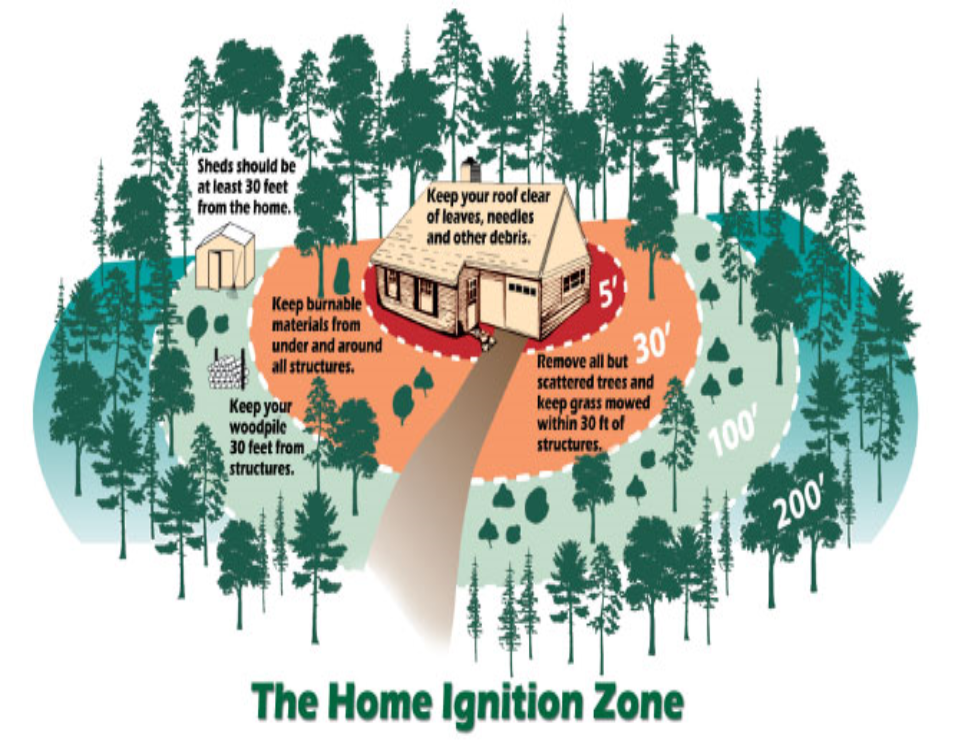
Start from the Top – Work Down and Out: Roofs, Attics, Vents, Skylights, Eaves, etc.

HIZ Zones-01.jpg

Start with the top of the structure, work down to the ground, and then work out from there. Click on the links to access specific factsheets from the National Fire Protection Association (NFPA) as well as other reputable sources.

Roofs and Skylights

  • Check your roof. Houses with wood shake or shingle roofs are more likely to be destroyed during a wildfire. If possible, consider installing fire-resistant roofing material, such as asphalt composition shingles, metal, concrete or clay tile. A damaged roof with missing shingles and plastic skylights can also give hot embers from a wildfire an easy entry point. Maintain flat roofs, ensuring no cracks or exposed sublayers exist.

  • Clear your rain gutters, flat roofs, and valleys in pitched roofs. Remove pine needles, leaves, or other materials that may have accumulated over the winter. Embers can easily ignite in dried out debris.

Attics and Vents:

  • Check your vents. Consider changing out standard ¼-inch mesh with 1/8-inch metal wire mesh (if building codes and required air flow allow) to prevent wildfire embers from penetrating attics, eaves, and crawl spaces. Keep vents clear from debris and do not plant shrubs underneath or in front of vents.

Eaves and Walls:

  • What about walls? Replace exterior wall coverings that are combustible, susceptible to melting, or can readily transmit heat with noncombustible or fire-resistant materials.

  • Windows can be a weak point. Dual-paned windows with tempered glass will resist greater fire intensities than single pane windows.

Decks:

  • Clean your deck. Remove debris from under your deck and from the gaps between deck boards. Replace wooden lattice with properly vented solid skirting or with 1/8-inch wire mesh to keep embers out.

Landscaping:

  • Don't store firewood, gas cans, lawn mowers, cardboard or other combustible materials next to your home. Move these items at least 5-feet away from the outside walls of the house.

  • Landscaping could light up your home. Think about replacing flammable plants with fire resistant species and replace wood chips with decorative rock for ground cover.