Wildfire Wednesdays #41: CWPP 2.0 - Talking to kids about wildfire

Hi Fireshed Members,

The month of February, and into the early spring, is a great time to make some incremental progress on wildfire preparedness BEFORE wildfire season. We're still at the big picture here. Taking simple steps like increasing your knowledge and awareness and making a plan for your family, animals, structure, and property are a great way to get started on the right foot.

This week’s Wildfire Wednesday includes:

  • Wildfire Wednesdays Live is back February 17th (details)

  • CWPP 2.0: The Next Generation of Community Wildfire Protection Plans

  • A toolkit for talking to kids about wildfire

Best,

Gabe


CWPP 2.0: The Next Generation of Community Wildfire Protection Plans
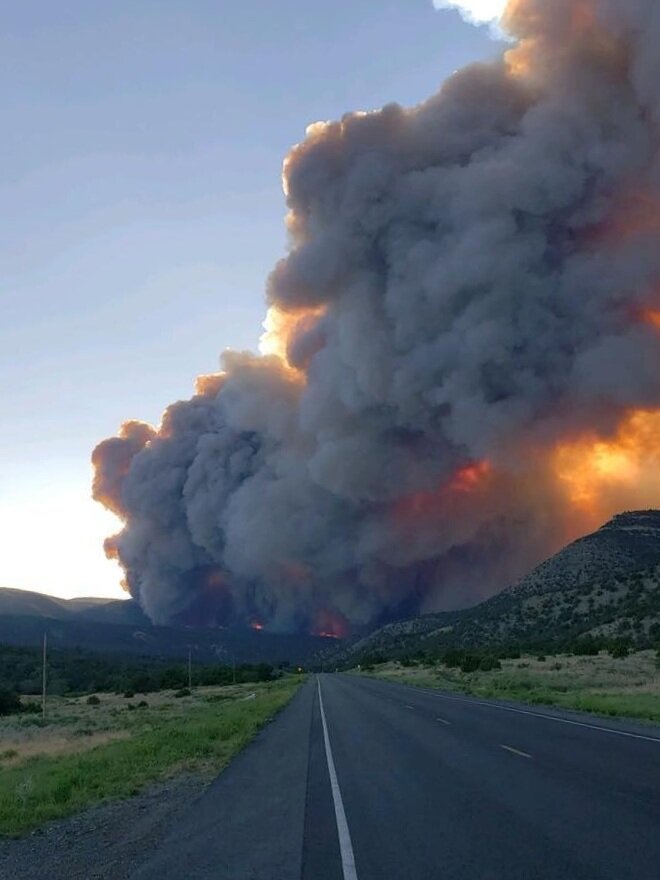
Ute+park+fire+inci+web+nmsf.jpg

For a crash course on CWPPs, see last week’s blog post.

CWPPs have become a key tool for communities seeking to plan for wildfire. However, as time has passed, communities across the country have wrestled with implementation, plan updates, effective communication, engagement strategies and more. In May of 2020, FAC Net convened participants across the country in a CWPP-focused learning group to help connect practitioners to each other and current research. Known as CWPP 2.0, this learning group met monthly from May until December 2020.

For a summary of the themes and takeaways from the CWPP 2.0 learning group, click here.


Talking to your Kids about Wildfire
TNFACLogoCircleNew2019.png

To help prepare for wildfire while we are indoors due to winter temperatures and covid-19 social distancing guidelines, the Tahoe Network of Fire Adapted Communities created an excellent series of weekly tips.  

Preparing for wildfire is a crucial part of living in New Mexico. Given the importance of planning for the whole family, children should not be left out of preparedness conversations. While your kids are home, you can use this time to talk about wildfire science and introduce fun, fire-related curriculum.

General Tips

  • Start the conversation with a video or activity to get your child's attention.

  • Ask your child what they already know about wildfire.

  • Be prepared to repeat information; wildfire can be difficult to understand.

To read the full blog post, complete with videos and activities, click here.
Save the Date for the next Wildfire Wednesday Live! 2/17/21 6pm on Facebook

Photo: Sheila Whitmore

Photo: Sheila Whitmore

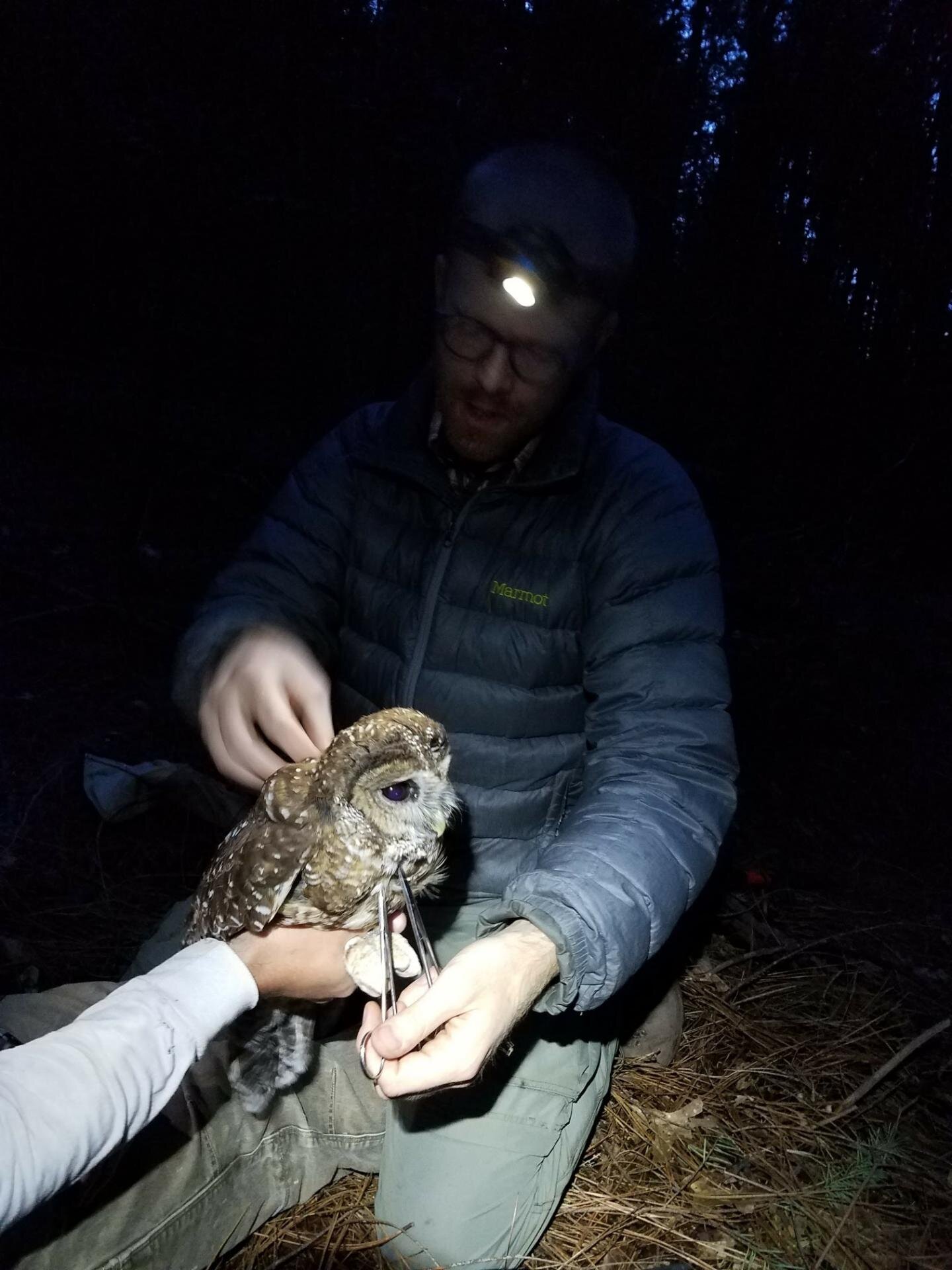
Join us on Wednesday the 17th at 6pm on the Fireshed Facebook page for the next live event with Dr. Gavin Jones, Research Ecologist for the USDA Forest Service.

Megafires are becoming the new normal. How are wildlife responding? And how can we better conserve them? In this Wildfire Wednesday Live event, Dr. Gavin Jones of the US Forest Service will discuss his research related to fire and wildlife, with a focus on the California and Mexican spotted owl.

WildfireWednesdayLIveFeb2021.png

Wildfire Wednesdays #40: CWPPs - Before, During, and After Wildfire - Wildfire Preparedness for those in Need

Hi Fireshed Members,  

Wildfire preparedness is year-round. This process involves taking actions to better prepare for, respond to, and recover from wildfire. As we head into spring, it is a great time to take actions to prepare for wildfire.  

This week’s Wildfire Wednesdays includes: 

  • Information about Community Wildfire Protection Planning (CWPP) 

  • A facilitation guide for Before, During, and After Wildfire from Washington Fire Adapted Communities 

  • A partnership between Habitat for Humanity and FACNM to provide wildfire preparedness assistance to those in need.

Best,  

Gabe 

Community Wildfire Protection Plans (CWPPs) 

IMG_9914 (1).JPG

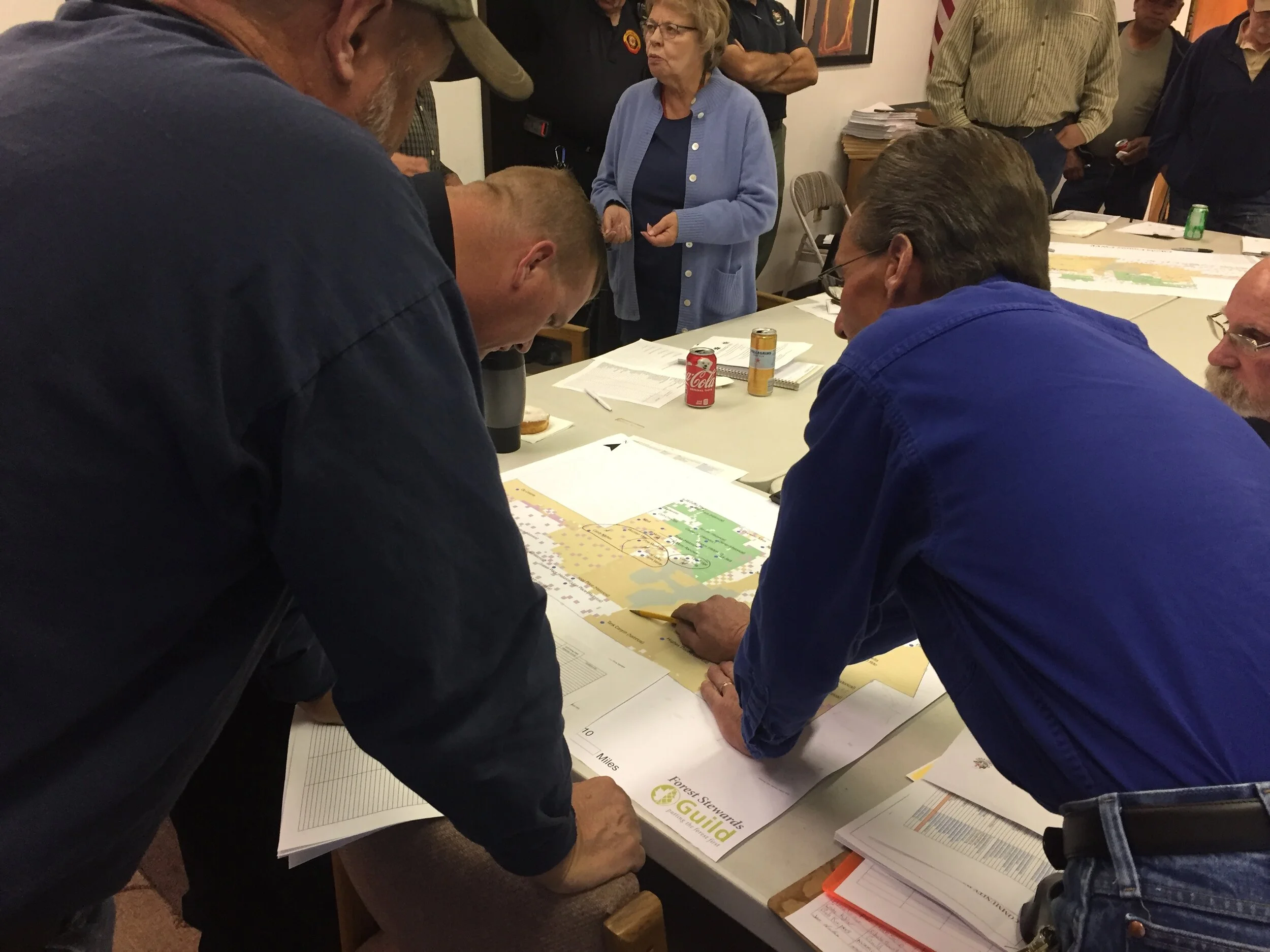
As you may know, Santa Fe County just updated its CWPP.

To view the new plan, click here.

To view the interactive map, click here.

…but what is a CWPP, and why do they matter?

A Community Wildfire Protection Plan (CWPP) is a written plan describing wildfire hazards and mitigation measures for a community. In New Mexico, many CWPPs focus at the county scale, but there sometimes individual community CWPPs within the county plan. These plans are authorized and defined in Title 1 of the Healthy Forests Restoration Act and are an important pre-requisite for numerous wildfire risk reduction funding programs.  

The purpose of a CWPP is to “reduce wildfire risk to communities, municipal water supplies, and other at-risk land through a collaborative process of planning, prioritizing, and implementing hazardous fuels reduction projects.” The CWPP process is ongoing and core teams that write these plans continually work together to update them and to achieve the tasks outlined in the plan.  

Key Points about CWPPs 

  • All community members concerned about wildfire threat are encouraged to participate in the CWPP process.  

  • There is no prescribed format to which a CWPP must conform, and plans vary depending on the objectives and desires of the community.  

  • CWPPs should effectively address local forest and range conditions, values-at-risk, and priorities for actions 

Benefits of a CWPP 

  • Increasing community capacity by working collaboratively and strengthening relationships 

  • Helps establish and define boundaries for the wildland-urban interface, used to identify areas where federal funds may be applied.  

  • Fuel-reduction projects that are identified in a CWPP are to receive priority for funding and implementation by federal agencies 

To view a complete list of CWPPs across New Mexico, click here.


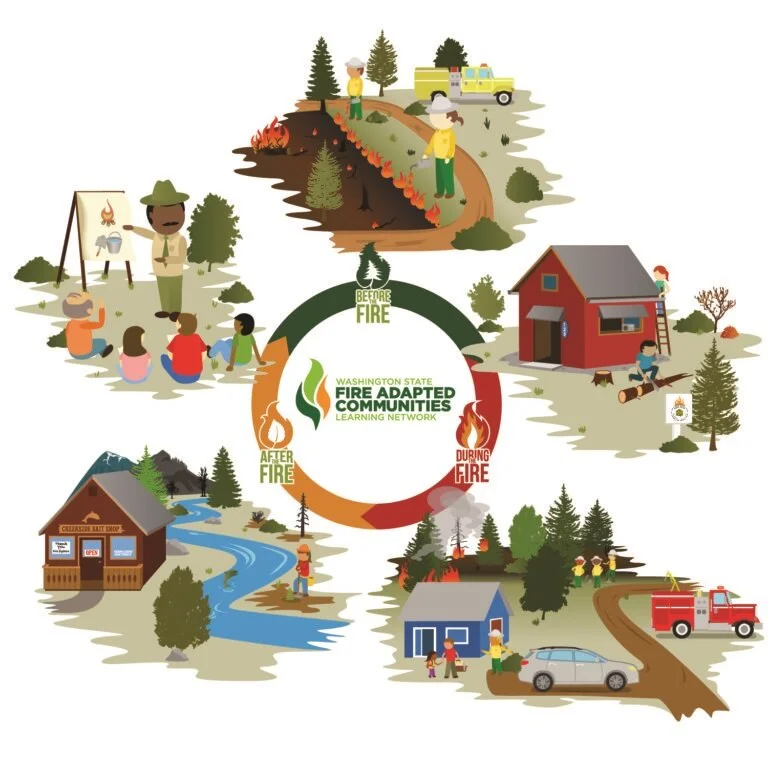
Before, During, and After the Wildfire  

Infographic-WFACLC-01-768x768.jpg

Fire adapted communities, like many of the communities in The Fireshed, understand their risk and are taking action to better prepare for, respond to, and recover from wildfire.  

This facilitation guide, created by the Washington Fire Adapted Communities Learning Network, is a helpful tool to walk yourself and others in your community identify areas where you may improve your wildfire preparedness. Although it is a difficult time to meet in-person, this facilitation guide may be a conversation starter with your neighbors about how you can work together on wildfire preparedness in the warmer months.  

To view the facilitation guide, click here.  


FACNM and Habitat for Humanity Provide Wildfire Preparedness Assistance to those in Need 

EspanolaValleyLosAlamos_xsm.png

Our statewide Fire Adapted Communities New Mexico (FACNM) learning network is partnering with Habitat for Humanity (H4H) of Los Alamos and Espanola Valley to provide wildfire preparedness assistance to those in need. FACNM will assist H4H volunteers and program coordinators by providing a Home Ignition Zone training and printed materials to be shared through H4H’s A Brush with Kindness program.  

The A Brush with Kindness program is an exterior home preservation service that offers painting, landscaping, and exterior minor repair services for home owners in need. This partnership will add to this program’s existing services by providing information and resources for reducing the risk of ember ignitions to participating homes.  

If you would like to learn more about this partnership or support this partnership through volunteer capacity, please contact gabe@forestguild.org.  

Glorieta pile burns in the Fireshed

IMG_5746.JPEG

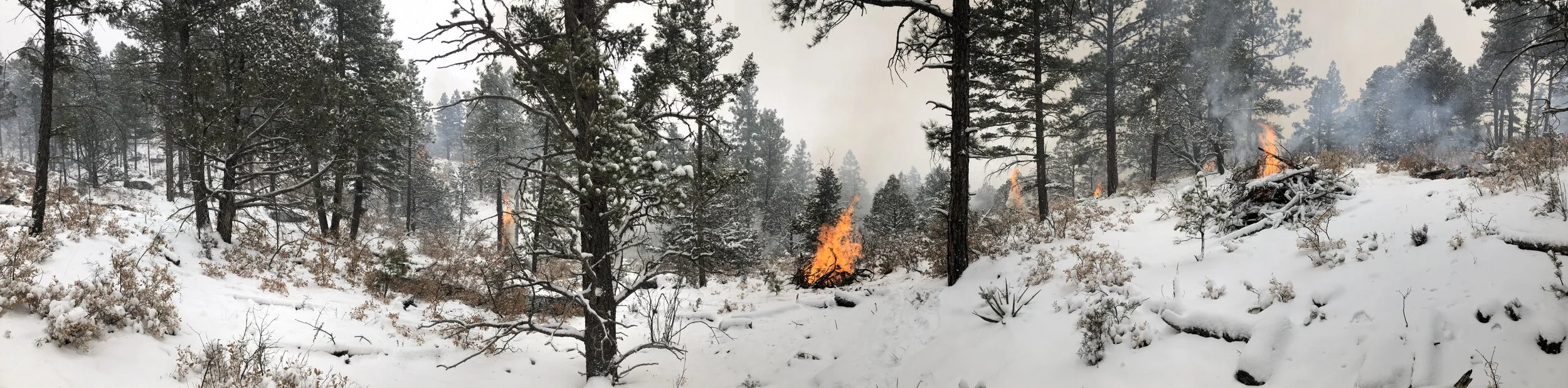
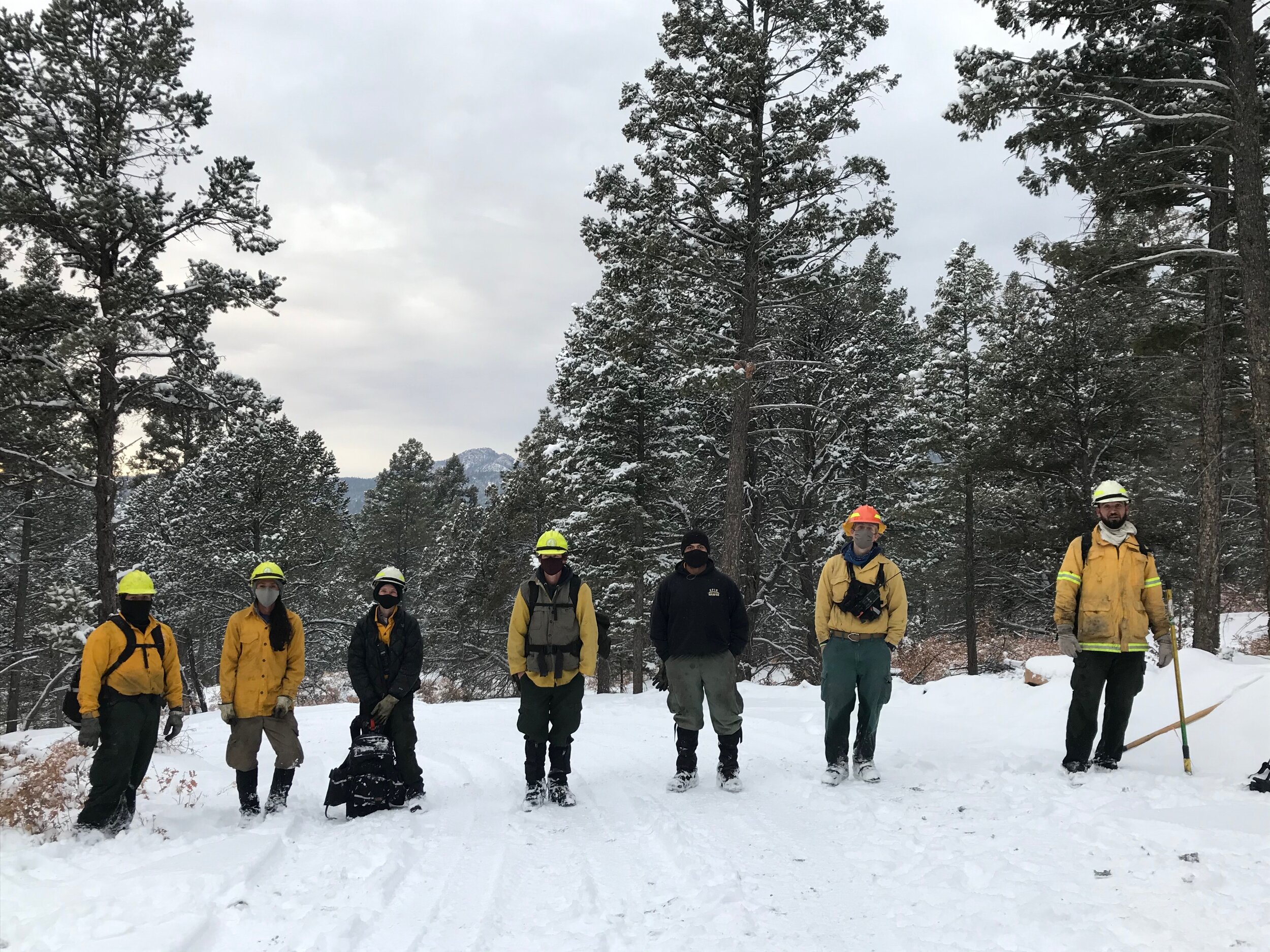
Taking advantage of recent moisture while closely monitoring smoke to limit impacts, the All Hands All Lands Burn Team continues pile burning at Glorieta Adventure Camps this week (1/26 – 29) after completing 19 acres last week and another 11 this week, bringing the total to 30 of the planned 55 acres completed. In addition to ignitions, the All Hands All Lands Burn Team has crews on site monitoring, patrolling, and mopping up the piles. When conditions permit, the Pile Burn Squad will continue burn operations.

Eytan Krasilovsky on behalf of Coalition partner, Forest Stewards Guild was interviewed yesterday on KRQE News 13 about current prescribed burn activity.

Check out the recent news articles about burn activities:

Fire prevention efforts underway ahead of New Mexico's wildfire season

Dry conditions throughout New Mexico could set up for busy fire season

IMG_5776.JPG

Wildfire Wednesdays #39: Wildfire Preparedness is Year Round - Wildfire Risk Reduction Grants

Hi Fireshed Members,  

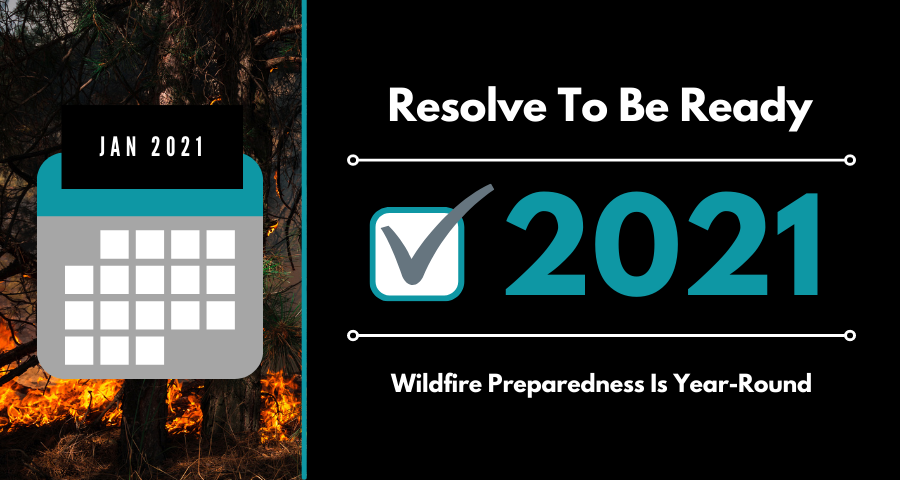
Recognizing that longer, more extreme fire seasons are likely to continue, The Santa Fe National Forest (SFNF) is working with partners at other agencies, forests, and  non-governmental organizations to launch a 2021 campaign to promote wildfire preparedness with a different theme for each month of the year. The message for January: resolve to be ready.  

This Wildfire Wednesday newsletter features.  

  • Wildfire Preparedness is Year-Round Webpage: Resolve to be Ready this January. 

  • New Mexico Counties Wildfire Risk Reduction Grant 

Stay safe and healthy,  

Gabe 

Wildfire Preparedness is Year-Round: Resolve to be Ready this January! 

JanuaryResolveToBeReady2021WildfirePreparedness.png

The beginning of a new year, when the risk of wildfire is relatively low, is a good time to start thinking about what you can do now to be ready for fire season later. With most of Northern New Mexico in extreme drought, the 2021 fire season could begin as early as late March/early April. Start learning about living with wildfire and Ready, Set, Go! principles. 

Before January ends, make a few more resolutions: 

  • Develop an emergency plan: choose a safe place to meet, learn evacuation routes, and establish an out-of-town contact. 

  • Take a current photo of you and your pet(s) together in case you get separated during a disaster. 

  • Get to know your neighbors and invite them to be a part of your emergency plan. 

  • Snap photos of important documents and save them in a secure place or online. 

  • Set up group text lists so you can communicate with friends and family during emergencies. 

  • Take a class in CPR and first aid. 

  • Keep and update emergency supplies, including cash. 

  • Have back-up power sources available to charge devices in case of a power outage. 

  • Check your insurance for coverage on disasters like wildfire and floods. Snap pictures of your property for insurance purposes. 

  • Sign up for emergency alerts and warnings. Download the FEMA app or check with your city or county government to see if they have an alert and notification system in place.  

The SFNF is working with the Cibola and Carson National Forests, Forest Stewards Guild, Fire Adapted NM, New Mexico Forestry Division, Bureau of Land Management New Mexico State Office to build a 2021 wildfire preparedness calendar and share the message across multiple platforms, including social media, webinars and community events. Bookmark the wildfire preparedness calendar at facnm.org/wildfire-preparedness to follow the campaign throughout the year.

Wildfires threaten hundreds of homes in New Mexico every year, especially in the wildland-urban interface (WUI) where development meets fire-prone wildland vegetation. Studies show that many of the homes lost to wildfire could have been saved by advanced planning and preparation. When wildfire strikes, will you be ready? It’s never too soon to ask yourself that question and start taking steps to protect your home and your family.

New Mexico Counties (NMC) Wildfire Risk Reduction Grants 

NM-Counties-logo.png

New Mexico Counties is pleased to announce the 2021-2022 Wildfire Risk Reduction (WRR) Program for Rural Communities. The WRR Program assists at-risk communities throughout New Mexico in reducing their risk from wildland fire on non-federal lands. Funding for this program is provided by the National Fire Plan through the Department of the Interior/Bureau of Land Management for communities in the WUI and is intended to directly benefit communities that may be impacted by wildland fire initiating from or spreading to BLM public land.  

Funding categories include: 

  • Education and Outreach Activities up to $10,000/project 

  • CWPP Updates up to $15,000/project 

  • Hazardous Fuels Reduction Projects up to $50,000/project 

Click here for the 2021-2022 program information, and applications are located on the NMC website: https://www.nmcounties.org/services/programs/