Coalitions and Collaboratives Spring Grant Opportunity!

Get your community started on the right foot this Spring by applying for the Action, Implementation, and Mitigation (AIM) grant through Coalitions and Collaboratives!

This newsletter marks the release of another round of grant funding for increasing local capacity to reduce wildfire risk. The Request for Proposal (RFP) and Concept Paper for the Spring 2021 Action, Implementation and Mitigation (AIM) grant are now live on COCO's website. COCO will be accepting Concept Papers though February 11, 2021 until 5:00 PM MT. Click here for the RFP and instructions. Download the Concept Paper here or from the AIM Grant Page.

To learn more about this funding opportunity, be sure to check out the informational webinar recording will posted on COCO’s website.

We invite you to share this opportunity with colleagues and organizations working on reducing their community's wildfire risk. For more information about Coalitions & Collaboratives, Inc., please visit co-co.org.

January prescribed fires in the Fireshed

FOR IMMEDIATE RELEASE:  January 7th, 2021 

Two prescribed fires are scheduled for January in the Fireshed, Aztec Springs and Pacheco Canyon. Read on for more information on each of them.

Aztec Springs Prescribed Burn Scheduled for January  

Santa Fe, NM – The City of Santa Fe Fire Department Wildland Division and The Forest Stewards Guild are planning to take advantage of snowpack conditions to conduct a prescribed pile burn on city land near the municipal watershed starting January 19th and continuing on through February 26th, 2021 weather dependent.  The burn will be contingent on wind, relative humidity, temperature, and expected weather patterns and may be postponed and/or cancelled until conditions permit. Open Burning on a smaller scale will be conducted intermittently during this period to burn remote piles and assess conditions on site. This work is part of the Fire Department’s mission to reduce risk to lives and property from wildfire. It is also part of The Greater Santa Fe Fireshed Coalition to improve the health and long-term resilience of forested watersheds and communities by addressing wildfire. 

Due to the location of the Aztec Springs Prescribed Pile Burn and its proximity to the city smoke will be visible from City of Santa Fe, State Road 475, State Road 590, and State Road 84/285. Smoke may settle into lower elevations and drainages overnight but should lift by mid-morning. Lingering smoke may be present for up to two days after ignitions are complete.

During the burn period, information regarding the project can be obtained by calling the Santa Fe Fire Department Wildland Division at 505-955-3901 or visiting www.santafefireshed.org.

###

SFNF Española District Continues Pile Burns to Reduce Fuels

SANTA FE, NM – Jan. 7, 2021 – Fire managers on the Santa Fe National Forest (SFNF) hope to take advantage of favorable conditions, including forecasted snow over the weekend, to implement the previously announced Pacheco Canyon prescribed pile burn on the Española Ranger District as early as next week.

The 106-acre pile burn is part of the larger Pacheco Canyon Forest Resiliency Project, a 2,042-acre forest restoration project that was instrumental in keeping the lightning-caused Medio Fire from crossing Forest Road (FR) 102 and threatening significant values at risk, including the Santa Fe ski basin and municipal watershed. The Pacheco Canyon treatment area south of FR 102 helped firefighters contain the Medio Fire, which started on Aug. 17, at approximately 4,000 acres.  

Each prescribed burn is designed to meet specific objectives and will be managed with firefighter and public safety as the first priority. The Pacheco Canyon pile burn, approximately 6 miles east of Tesuque Pueblo and 3 miles west of Ski Santa Fe, will help reduce the risk of high-severity wildfire by removing woody debris from earlier thinning operations. 

Winter is an optimal time to burn slash piles because snow on the ground keeps the fire from spreading to adjacent vegetation. Generally, pile burns produce less smoke and burn with less intensity than broadcast burns across a larger landscape. Fire managers will implement the pile burns only if conditions, including fuel moisture levels, air quality and forecasted weather, are favorable for successful implementation. 

The SFNF manages prescribed fires in compliance with New Mexico state regulations on air quality and smoke management. Smoke from the Pacheco Canyon prescribed pile burn may be visible in Santa Fe, Tesuque, Nambe, Los Alamos and Pojoaque as well as the I-25 and US 285/84 corridors.  

Smoke-sensitive individuals and people with respiratory problems or heart disease are encouraged to take precautionary measures. Information on air quality and protecting your health can be found online at the New Mexico Department of Health (NMDOH) Environmental Public Health Tracking (EPHT) website. Information on the Forest Stewards Guild’s HEPA Filter Loan Program is available here.

The 2,042-acre Pacheco Canyon project is part of the Greater Santa Fe Fireshed, a collaborative effort focused on making the forested areas within a 107,000-acre perimeter surrounding Santa Fe more resilient to wildfire, insects and disease, drought and climate change.  

Fire updates will be posted on the SFNF websiteNew Mexico Fire Information website and on the Santa Fe National Forest Facebook page and Twitter @SantafeNF

For more information on the Pacheco Canyon pile burn, contact the Española Ranger District at 505-753-7331.                         
Last day to apply for EQUIP financial assistance!

All New Mexico agricultural producers who would like to be considered for financial assistance under general 2021 Environmental Quality Incentives Program (EQIP) or special conservation initiatives need to apply by tomorrow, January 8, 2021. Please see the news release for instructions to sign up for fiscal year 2021 Environmental Quality Incentives Program (EQIP).

Ag Producers Should Take Advantage of Federal Program Assistance by January 8, 2021 Sign up Deadline

The United States Department of Agriculture’s (USDA) Natural Resource Conservation Service (NRCS), Assistant State Conservationist for Programs Kenneth Branch, announced today that a sign up for fiscal year 2021 Environmental Quality Incentives Program (EQIP) is underway. All New Mexico agricultural producers who would like to be considered for financial assistance under general EQIP or special conservation initiatives need to apply by TOMORROW, January 8, 2021.

Screen Shot 2021-01-07 at 12.36.36 PM.png

While producers can apply year-round for EQIP assistance, this application cutoff announcement is specific to the following National Initiatives, State Initiatives and Local Allocations:

1)  General EQIP (Local Allocations)

2)  Organic (Certified and Transitioning)

3)  On-Farm Energy

4)  Conservation Activity Plans

5)  Strike Force Initiative

6)  Lesser Prairie Chicken Initiative

7)  NM High Tunnel (including Beginning Farmer and Rancher)

8)  Source Water

9)  National Water Quality Initiative (NWQI)

10)  New Mexico Wildlife Initiative

11)  Water SMART Initiative

12)  Socially Disadvantaged

13)  Beginning Farmer and Rancher

14)  Joint Chiefs

i. Greater Santa Fe Fireshed

15)  Tribal

16)  Water Management Entities (WME)

Producers can apply by visiting their local NRCS field office and submitting their Conservation Program Application (NRCS-CPA-1200) or those who have established a Client Gateway account may submit their application online. Producers need to receive a farm and tract number from the Farm Service Agency (FSA) by the application deadline.

As we roll out a new Farm Bill to our nation’s farmers, ranchers, and private forests, Kevin Norton, Acting Chief of the NRCS announced some of our FY2021 Agency’s priorities;

  • Better understanding of our customer needs and improve overall customer service.

  • Streamline our processes and program delivery to best serve our customers.

  • We recognize the importance of partnerships and relationships.

  • Our success is based on our locally led process.

  • Elevate the importance of soil health across our agency through outreach and communication efforts to further enhance and promote the delivery of soil health principles to staff, customers and partners.

    EQIP provides a targeted, science-based approach to restoring and protecting habitat while strengthening rural economies and cultivating collaboration among conservation partners. EQIP provides a flat rate payment to producers to install conservation practices, such as Cover Crops, Range Planting, Windbreaks, Residue Management No-Till, Riparian Forest Buffers, Watering Facilities, Fence, Tree Planting, and Wildlife Habitat Management.

    NRCS provides leadership in a partnership effort to help people conserve, maintain and improve our natural resources and environment. You can find more Programs at NRCS Programs. For more information about NRCS New Mexico visit NRCS New Mexico.


- USDA is an equal opportunity provider, employer, and lender. -

Wildfire Wednesdays #38: Rx Fire Outreach Toolkit - Tribal Relations Peer Learning Session

Hi Fireshed Members,

This will be our last Wildfire Wednesdays before the holidays. The newsletter will resume on January 6th. As you all know, making our communities safe from wildfire is a year-round, incremental process. With that in mind, please follow along with the Wildfire Wednesday newsletters in the New Year to for step-by-step guidance to get ready for wildfire in 2021.

This week’s Wildfire Wednesdays newsletter features:

  • Put Fire to Work: A toolkit for communicating the importance of prescribed fire as a tool for wildfire resilience

  • Peer learning session Friday 12/18: Utilizing 638 for Tribal Relations and Promoting Tribal Fuels Treatments

Happy Holidays,

Gabe

Put Fire to Work: A Prescribed Fire Outreach Toolkit for Partners and Practitioners

download.png

We are very excited to feature Put Fire to Work in this week’s Wildfire Wednesday. This user-friendly toolkit created by the Washington Prescribed Fire Council is a great resource for finding effective messages about the importance of prescribed fire as a tool for community wildfire resilience and forest health. The site features message templates as well as step-by-step guides for developing outreach that will be effective for the particular context that you live or work within.

In addition to the outreach content stored on this site, the site’s user-friendly layout is noteworthy. Digital toolkits like this serve help to take some of the work out of social media outreach and new-media approaches.

Click here to check out the Put Fire to Work website.

If you use the Put Fire to Work toolkit, don’t forget to show them your appreciation on social media.

Utilizing 638 for Tribal Relations

4b10e6af-7d2a-4b3e-a876-eaf7a5262a92.jpg

Peer learning session on Friday, December 18th, from 1:30 – 3pm MST.

Click here to register.

Sponsored by the National Partnership Office and hosted by The National Forest Foundation.

During this peer learning session, attendees will:

  • Meet the new Director of the Forest Service Office of Tribal Relations,

  • Gain an understanding of the “638 self-determination demonstration authority” granted to the Forest Service in the 2018 Farm Bill,

  • Gain an understanding of the relationship between 638 and the Tribal Forest Protection Act,

  • Have the opportunity to ask questions of the panelists.

Suggested Audience:

Forest Service employees, tribal partners looking to implement projects through 638, and natural resource collaborators

U.S. Forest Service Speakers include:

  • Reed Robinson, Director, Office of Tribal Relations;

  • Alicia-Bell Sheeter, Management and Program Analyst, Office of Tribal Relations; and

  • Alison Leiman, Grants Policy Specialists, Business Operations.

This session will be recorded and a link to the recording will be emailed to all registrants. If you are unable to attend the peer learning session but are interested, please register to ensure you receive the follow-up email.

Wildfire Wednesdays #37: Chipping - Home Hardening - Eastern Jemez Landscape Futures

Hi Fireshed Members,

‘Tis the season for informational webinars about wildfire adaptation. Grab your favorite snack, send the link to a neighbor or colleague who might share your enthusiasm, and tune in to these great informational sessions to get ideas about how you can take action in your community this upcoming Spring.

This week’s edition of Wildfire Wednesday features:

  • Chipping Best Practices Webinar tomorrow, December 10th

  • A Wildfire Home Retrofit Workshop for fire professionals and educators (community leaders)

  • East Jemez Landscape Futures: A collaborative approach to post-fire

Stay safe,

Gabe 

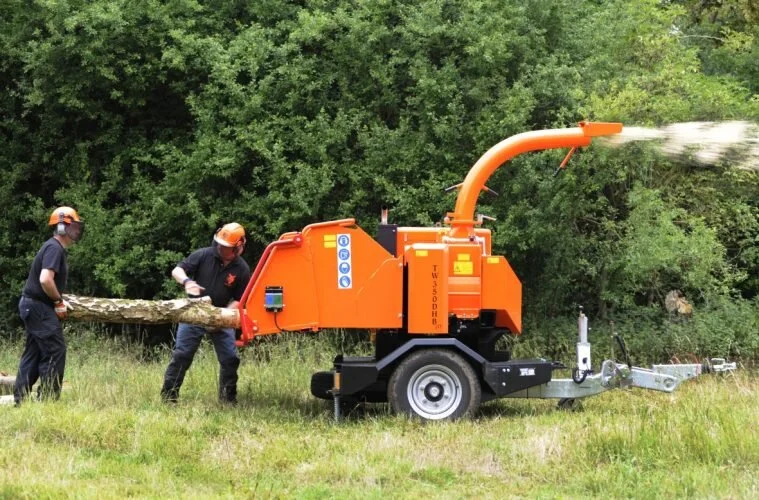
Chipping Best Practices Webinar Tomorrow!

tree-wood-chipper-hire-brisbane-759x500.jpeg

1 PM MST on December 10

Join wildland mitigation subject matter expert Jeremy Taylor and RSG! Program staff for a Best Practices Webinar on Chipping Programs.

Click here for webinar registration.

 We’ll cover:

  • Considerations when launching a chipper program

  • Promoting the program/engaging the community to participate

  • Operational considerations

  • Funding opportunities/mechanisms

We also will be introducing a new opportunity available to program members to support chipping programs in their response area.

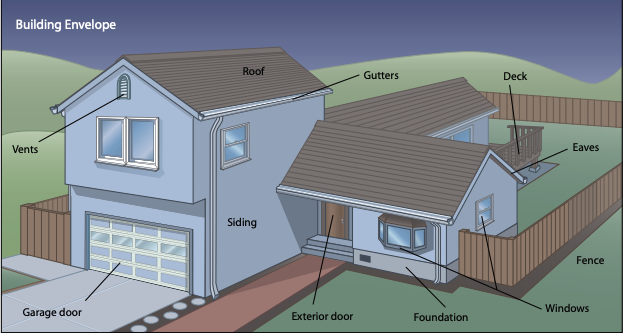
A Wildfire Home Retrofit Workshop for fire professionals and educators

Screen Shot 2020-12-09 at 11.24.50 AM.png

December 15th, at 10am MST

For the full agenda, and to register, click here.

Fire professionals and educators are invited to join our FREE virtual Wildfire Home Retrofit Workshop. Please share this invitation with your peers or other fire professionals and educators you know.

During this interactive workshop, attendees will learn:

  • How homes are threatened during a wildfire

  • How to identify a home’s ember vulnerabilities and prioritize retrofits based on cost, effort and location scenarios

  • How to effectively communicate home hardening techniques to homeowners throughout the U.S.

There will be opportunities to share ideas, experiences and best practices as well as opportunities to ask questions during multiple Q&A sessions.

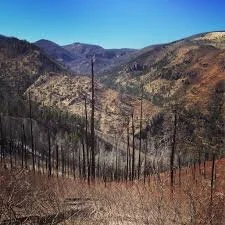
East Jemez Landscape Futures: A collaborative approach to post-fire

download (1).jpeg

December 15th, 12pm MST

Click here to register!

The East Jemez Landscape Futures (EJLF) project is a collaborative, landscape-scale approach to help guide future planning and research efforts in the severely altered landscapes of the eastern Jemez Mountains. EJLF seeks to address uncertainty by building a network of land managers, scientists, artists, NGOs and interested community members to inform future management, identify research needs, and capture stories from individuals and communities who were affected by these changes.

This webinar will share the EJLF experience and lessons learned responding to the complex questions of post-fire landscapes. Hosted by the Burned Area Learning Network and the Southwest Fire Science Consortium

Presenters: Colin Haffey, Sasha Stortz, and Savannah Lehnert