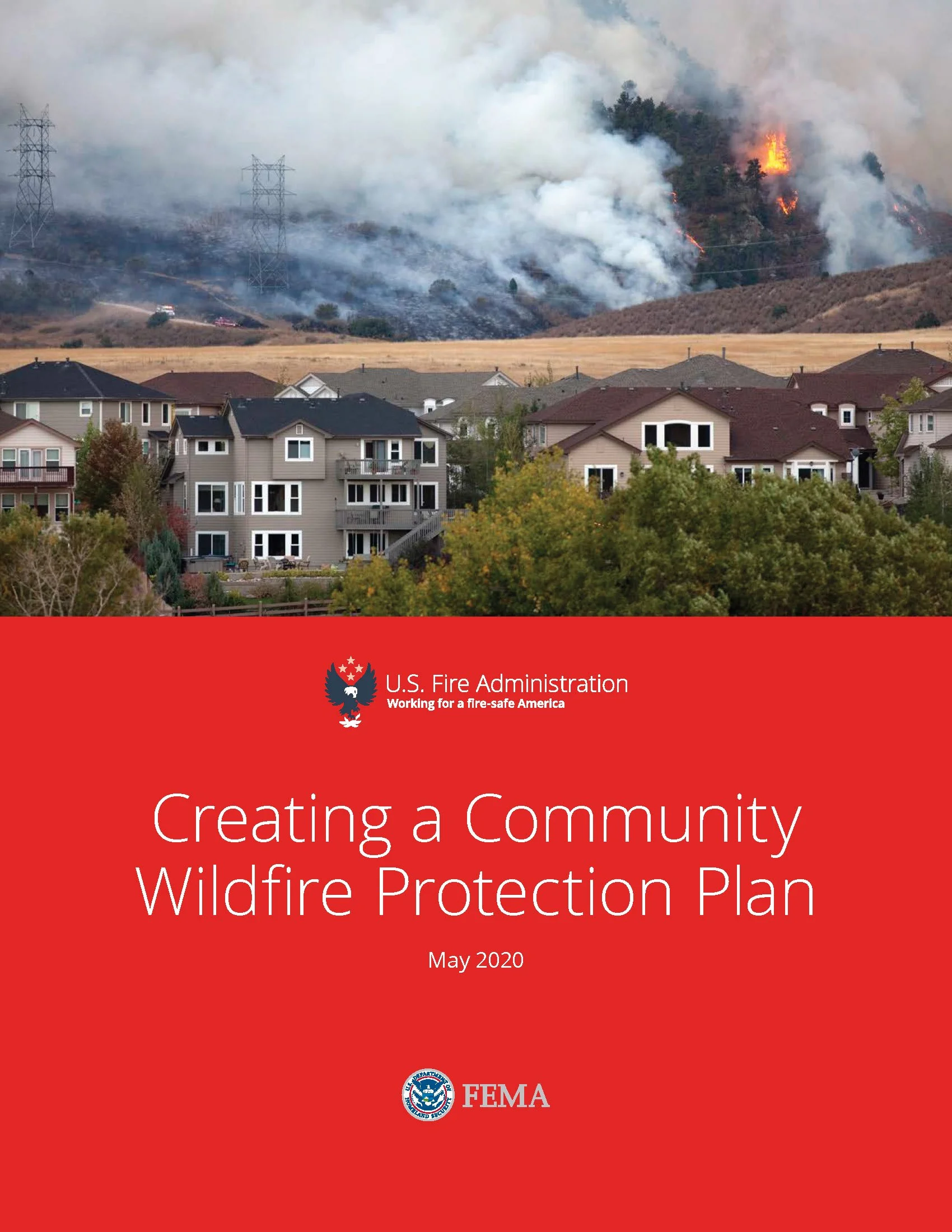
“Community Wildfire Protection Plans have become the primary mechanism for evaluating risk due to their emphasis on community involvement and assessment of local resources. CWPPs are also an important planning document used by emergency responders and citizens to plan for and respond to wildfire emergencies. Local leaders and governmental entities find CWPPs valuable for the purposes of identifying critical needs and prioritizing funding” (NM EMNRD, 2021).
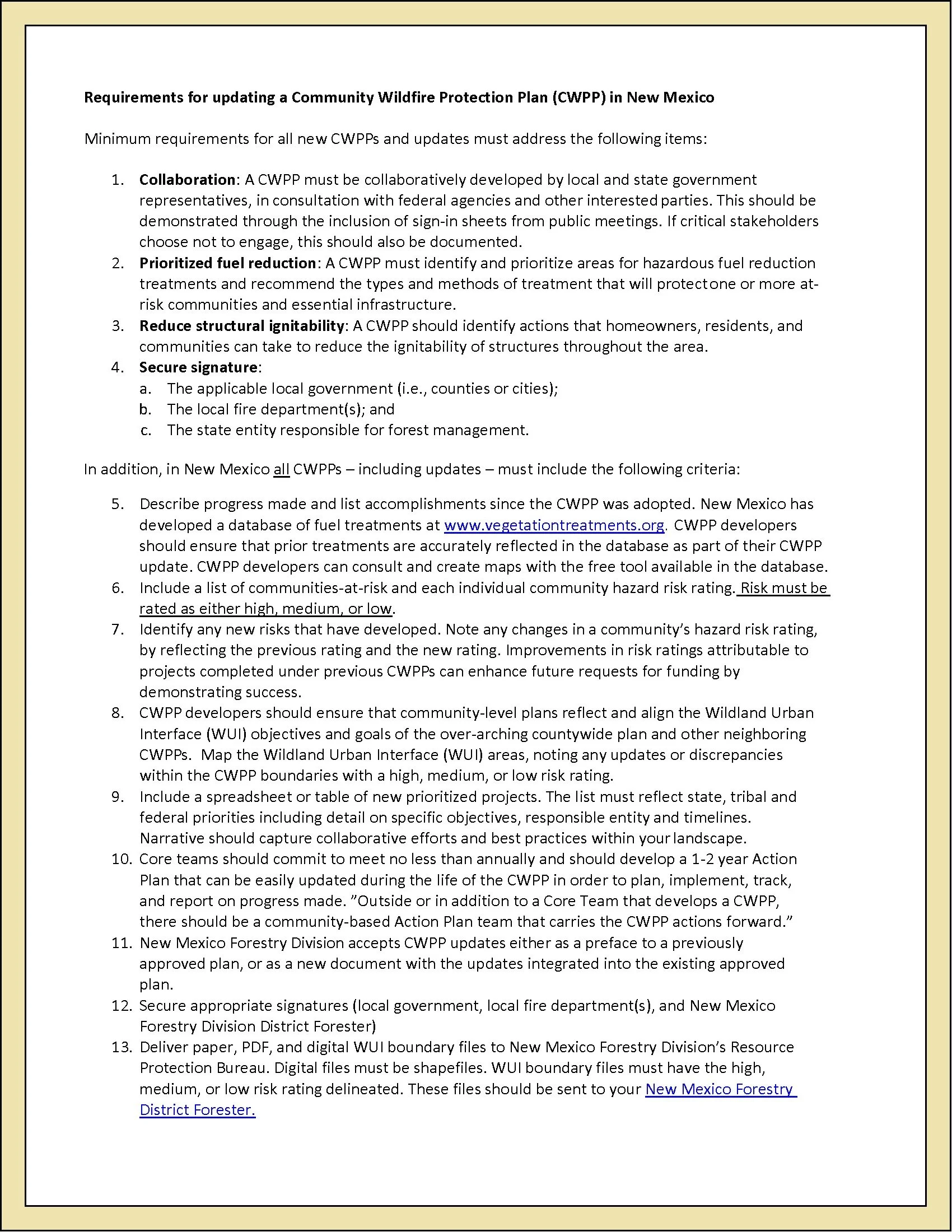
A CWPP has five main sections:
Community Risk Ratings
Priority Fuel Reduction (vegetation treatments)
Priority Actions (evacuation planning, education outreach, etc.)
Reduction of Structural Ignitability
Adoption and Signatures
Community Risk Ratings
Risk ratings are specific to distinct communities. They are usually calculated using a computer-based (GIS) wildfire risk model and must be categorized as either high, medium, or low. Models may include a number of different risk factors, each given a weight which corresponds to their importance, such as:
Fuel hazards (vegetative fuels present)
Risk of wildfire occurrence (locations of previous wildfires)
Essential infrastructure at risk (homes, businesses, power, communication facilities, etc.)
Other community values at risk (areas with scenic, recreational, economic or cultural value)
Local preparedness and firefighting capability (road access, distance from fire stations, distance from water sources)
Where appropriate, these ratings should reflect and align with national Wildland Urban Interface (WUI) objectives and goals.
Priority Fuel Reduction
A CWPP must identify and prioritize areas for hazardous fuel reduction treatments and recommend the types and methods of treatment that will protect one or more at‐ risk communities and essential infrastructure. This identification will likely be based on a combination of community risk ratings and social and economic values (tourism hot spots, areas of cultural importance, business hubs, etc.). Prioritizing fuel reduction creates a collaborative map for which areas will receive treatment in what order and why.
Priority Actions
After identifying the areas at greatest risk and greatest need for action, the next step in developing a CWPP is to select community wildfire risk reduction priorities. These actions may include fuel treatments, restoration projects, outreach and education, evacuation planning, and more.
Reduction of Structural Ignitability
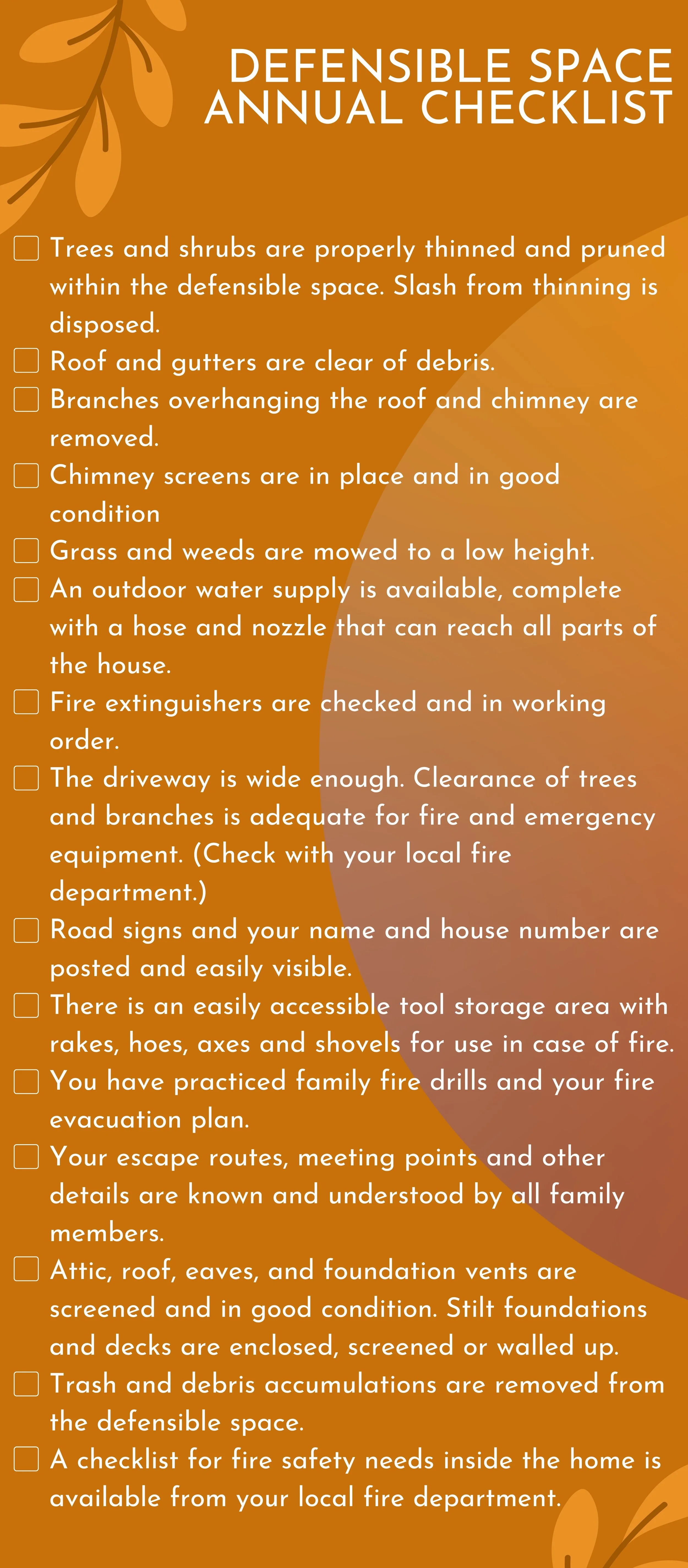
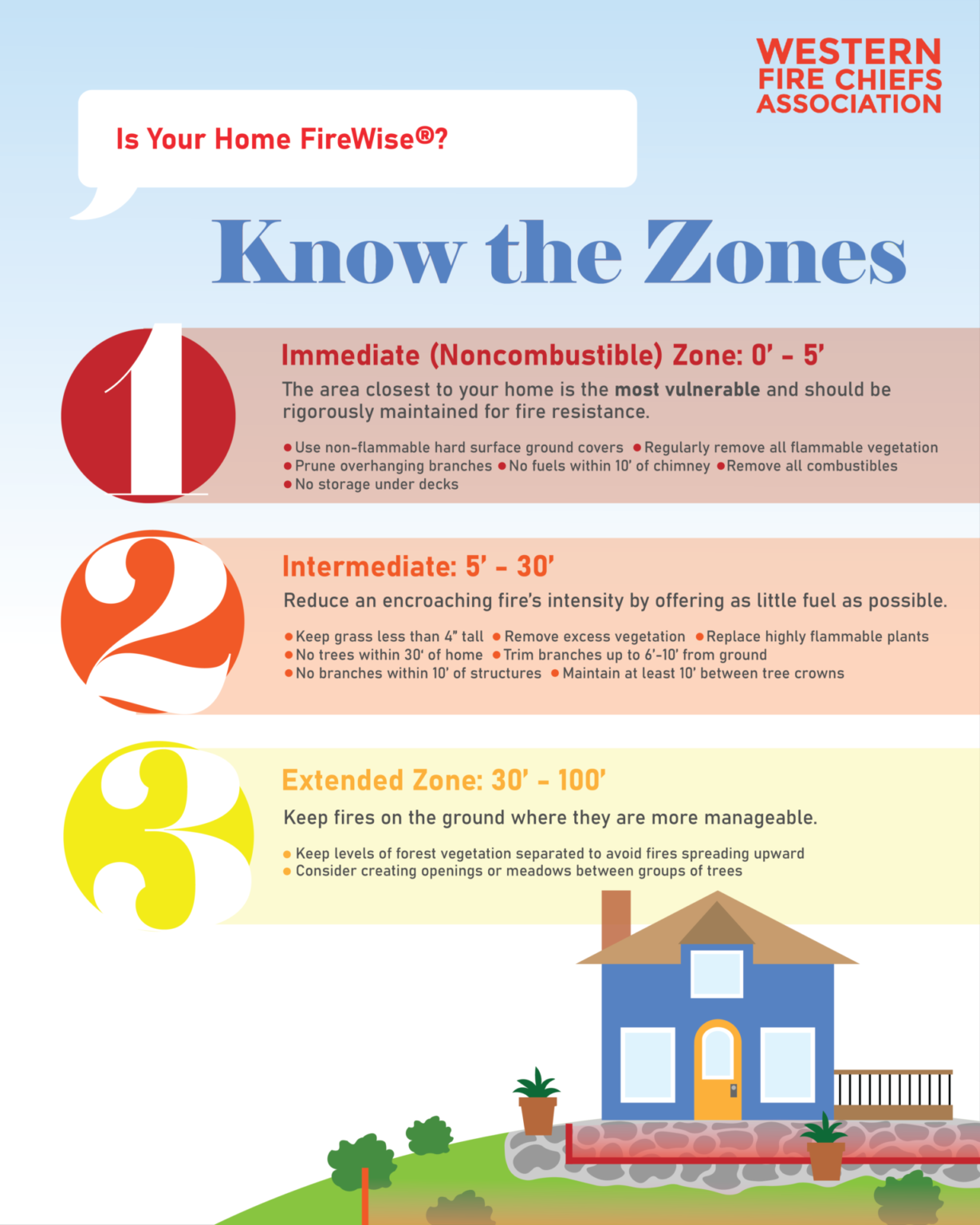
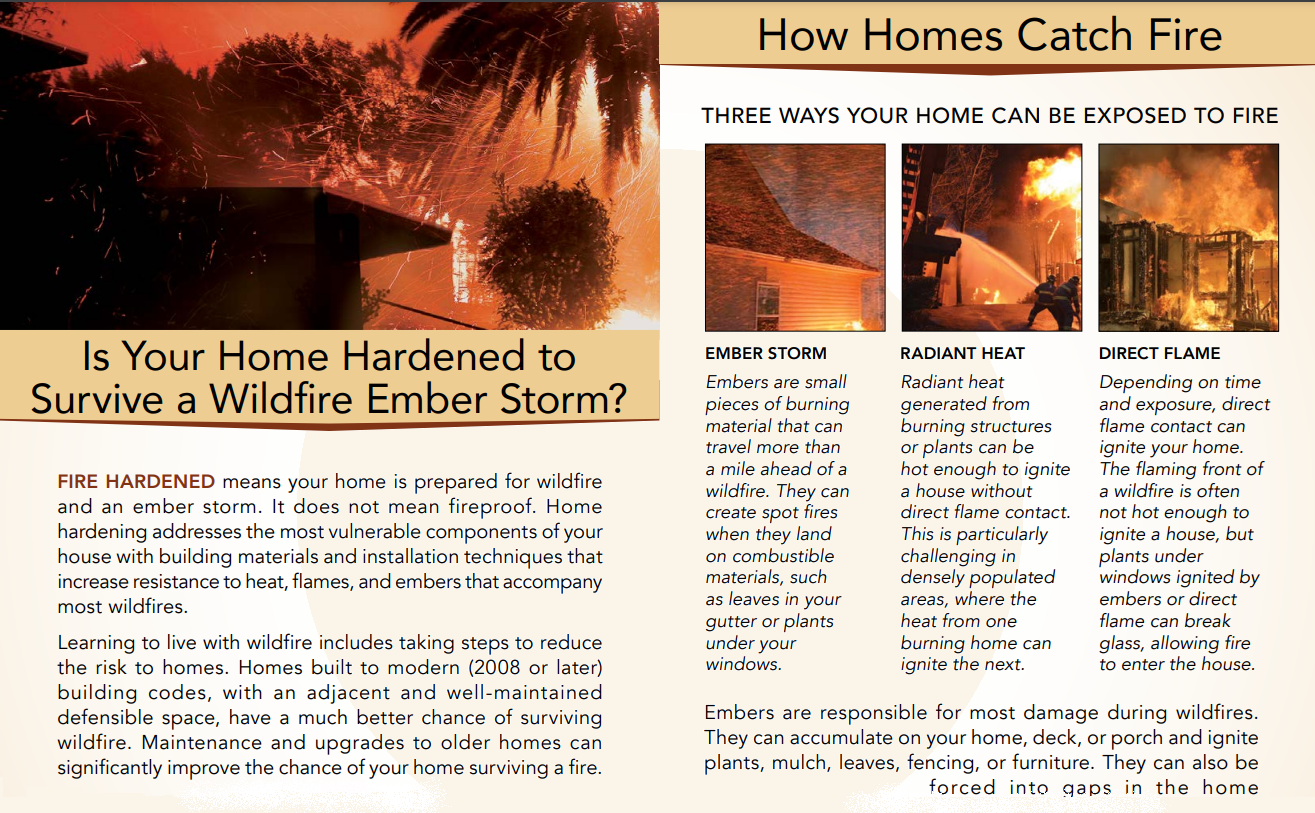
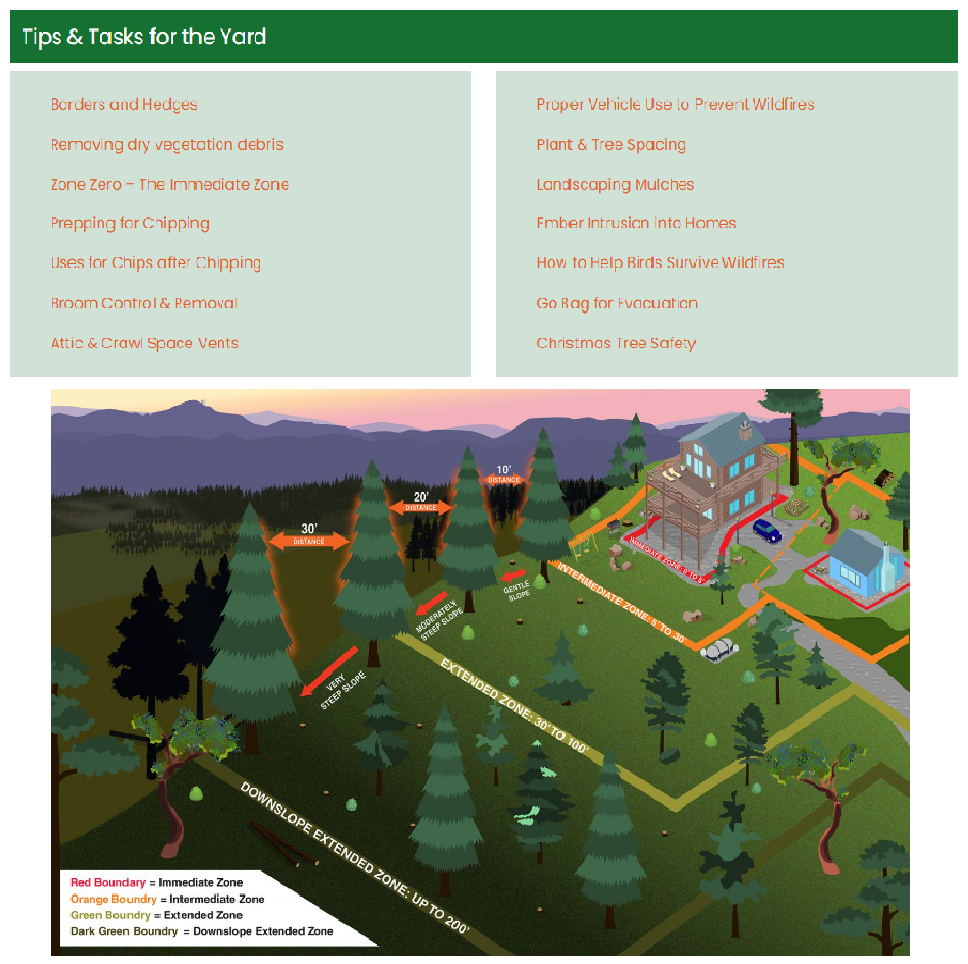
In additional to priority fuel reduction projects and risk reduction priorities, a CWPP should identify actions that homeowners, residents, and communities can take to reduce the ignitability of structures throughout the area. This part of the plan may include guidelines for home hardening, creation of defensible space, and funding mechanisms for this work throughout high-priority communities.
Adoption and Signatures
The HFRA requires local governments, local fire department(s) and the state entity responsible for forest management (EMNRD) to sign off on the final contents of a CWPP. Additional signatories on your CWPP may include collaborators involved in the creation of the plan and key individuals from communities which will be impacted.