Stewarding the Fireshed

Protecting Our Forest, Community, and Health

Housed within the current and ancestral lands of the Pueblos of Nambe, Tesuque, and other indigenous and traditional communities, the Greater Santa Fe Fireshed represents 107,626 acres of interconnected social and ecological wildfire concerns. The human and natural communities surrounding Santa Fe have been left vulnerable to high-severity wildfire, drought, and ecological disease by climate change and past land mismanagement. A number of studies and risk-modeling efforts have illuminated just how severe the consequences could be if a wildfire raged across the Sangre de Cristo mountains in their current untreated and overly dense condition.
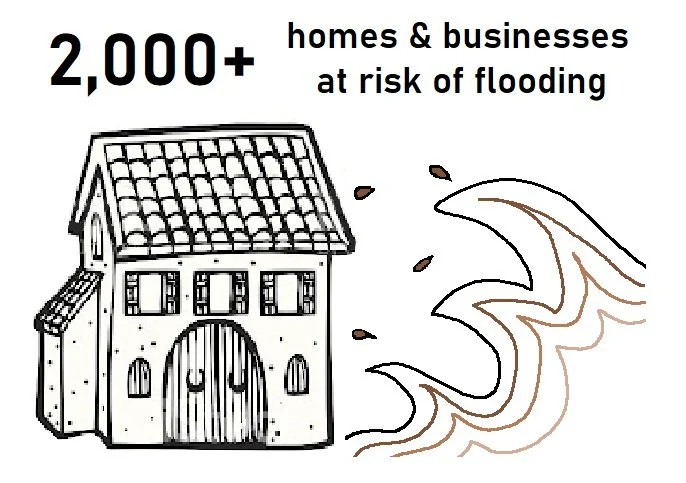
 
Sketch of puebloan-style building being flooded by brown water with text "2,000+ homes & businesses at risk of flooding"
 
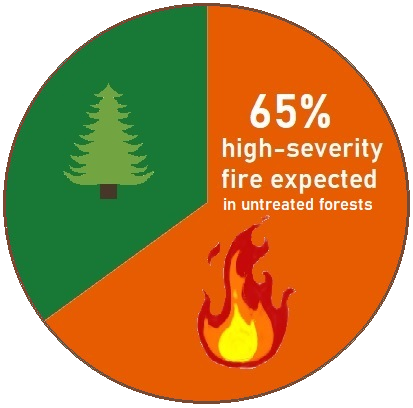
Pie chart infographic displaying high-severity fire expected in 65% of the forest in untreated areas


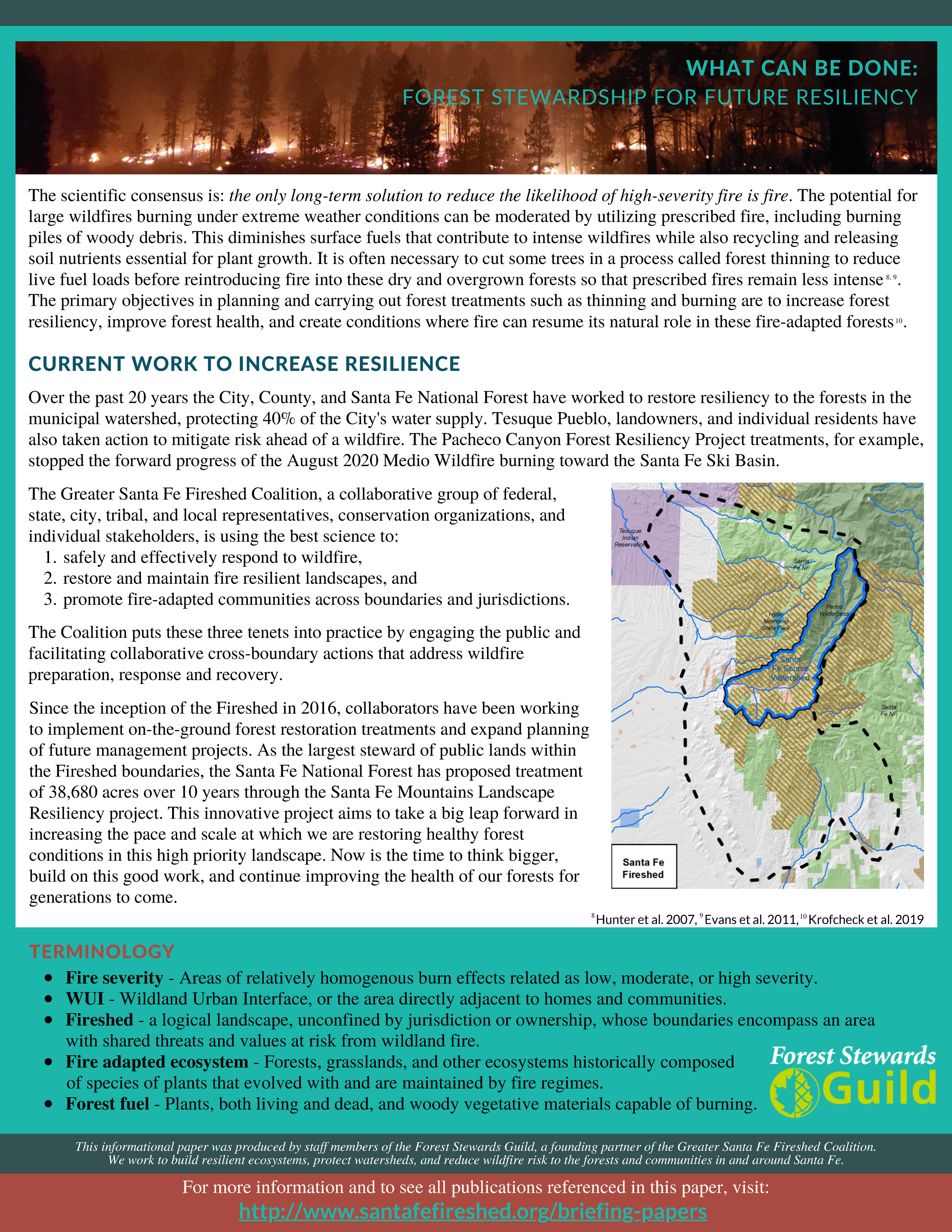
What Can Be Done: Forest Stewardship for Future Resiliency

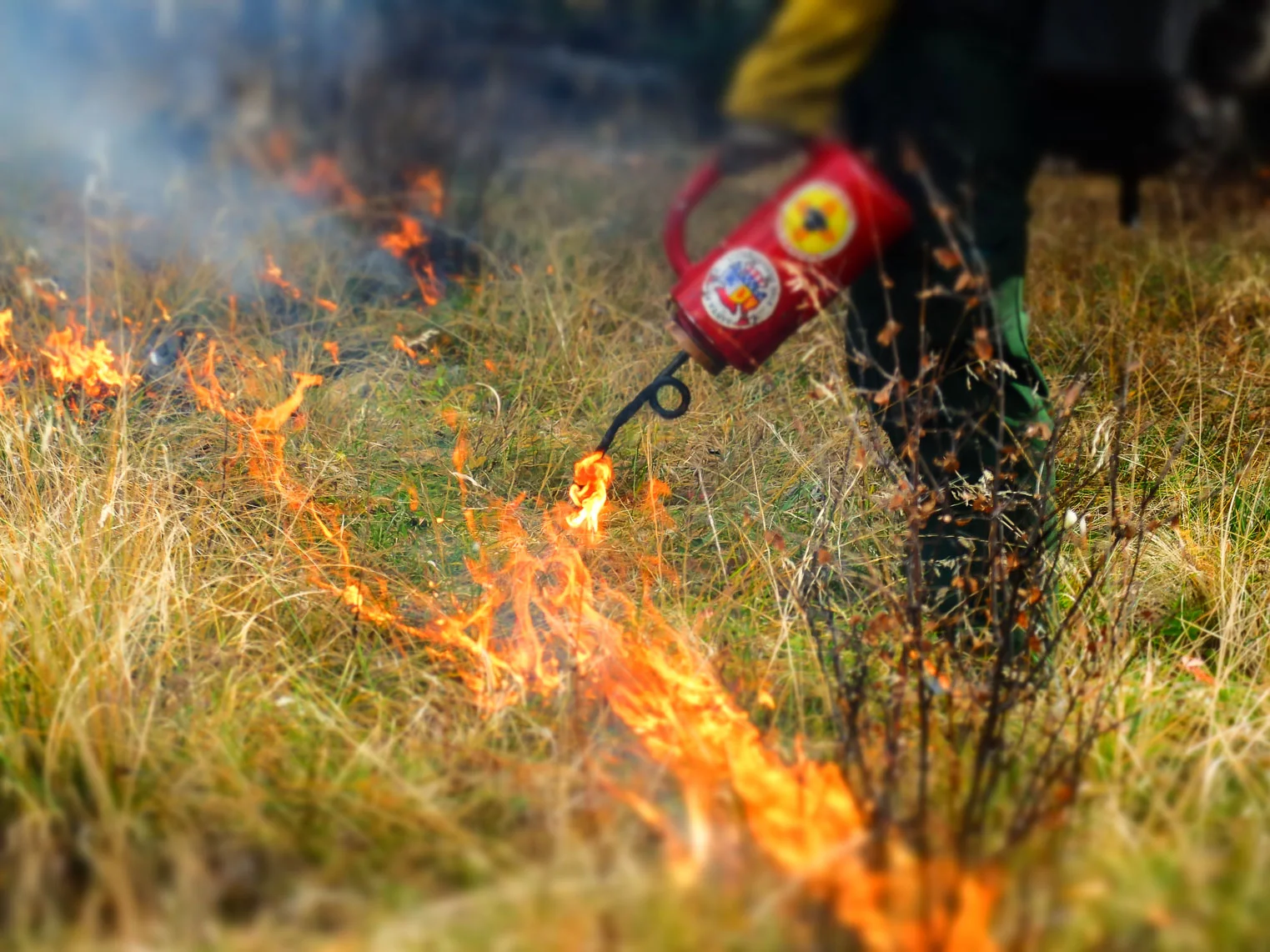
In an effort to reduce wildfire risk and improve forest resiliency, forest and fire managers now work collaboratively with the community and landowners to put the best available science into practice through forest treatments on this landscape. The primary objectives in planning and carrying out land management treatments such as stream restoration, forest thinning, and prescribed burning are to improve forest health and create conditions where fire can resume its natural beneficial role in these fire-adapted forests.
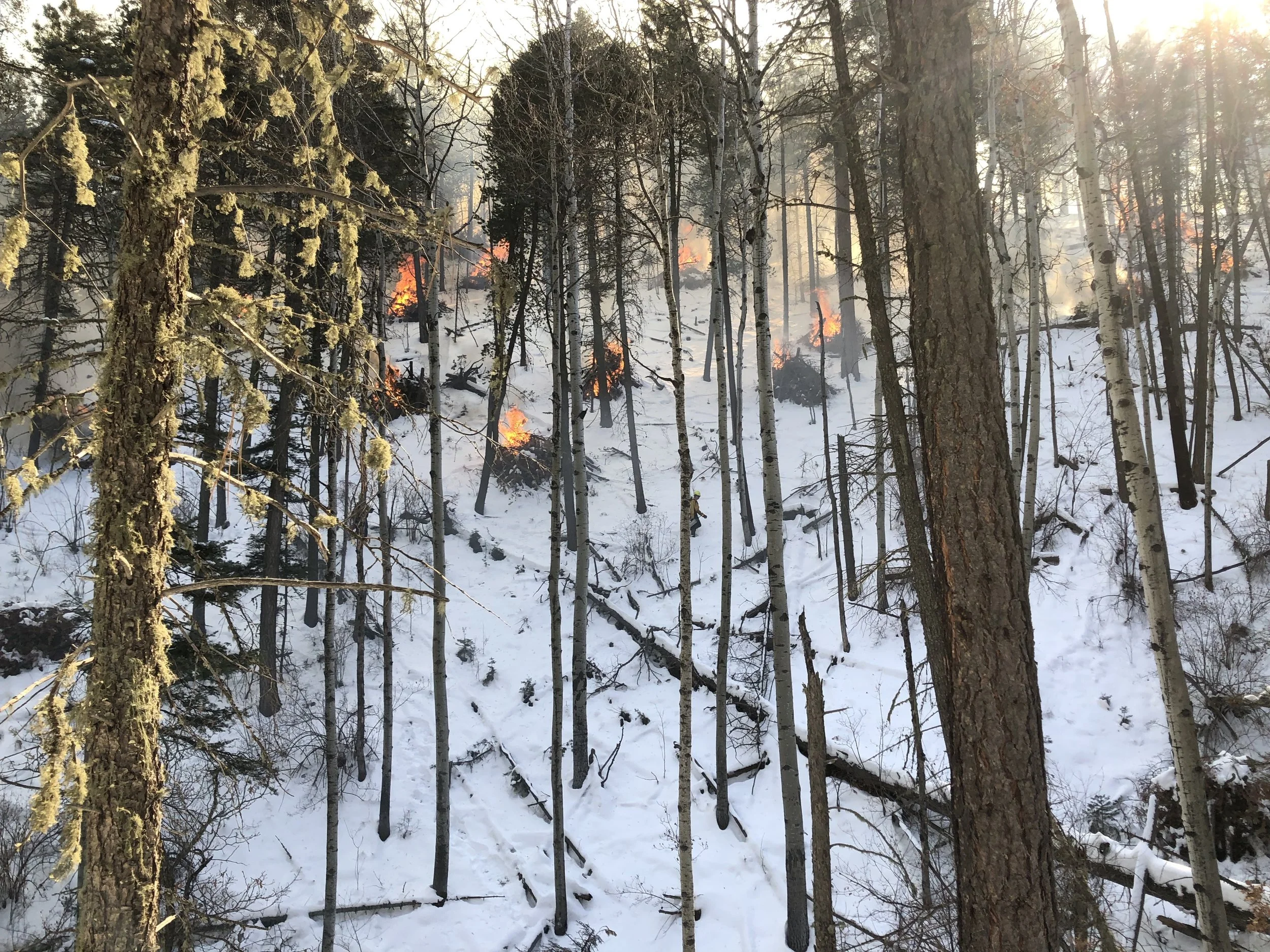
Piled slash burning on a snowy slope in a controlled burn within the Santa Fe municipal watershed
 

Want to Learn More?

A two-page insert was circulated in several December 2021 editions of the Santa Fe Reporter describing the history of this landscape, how and why it has come to be at-risk, and the ways in which the Greater Santa Fe Fireshed Coalition and others are working to improve the well-being of our forests for generations to come. We invite you to revisit this briefing paper to learn more about our collective responsibility and privilege in Stewarding the Fireshed. Click the link below to view all Fireshed Coalition briefing papers and learn more about challenges and opportunities across the landscape.
Wildfire Wednesdays #76: Resolve to be Ready for Wildfires!

Happy New Year Fireshed community!

We hope you enjoyed the holidays and are excited for the new year. The devastating Marshall fire in northern Colorado the day before New Year’s Eve was a harsh reminder that wildfire preparedness is something to be considered year-round. As you’re forming resolutions for this upcoming year, now is a great time to think about improvements you can make and good habits you can continue to be more prepared for wildfires.

This week’s Wildfire Wednesday features information on:

  • Planning for wildfire

  • Where to additional find resources to learn more and get new ideas

Best,

Liz


Planning for Wildfire

As was the case in the 2018 Camp Fire and the 2021 Marshall Fire, residents sometimes must evacuate with a moment’s notice. The steps you take before the threat of wildfire are critical to your family’s ability to evacuate effectively, protecting your home and property, and ensuring the safety of your neighbors and community. Check out this study published in 2021 examining the factors that influenced the survival or destruction of structures in the 2018 Camp Fire, demonstrating that actions can be taken to increase the likelihood of your home surviving a wildfire. Preparing for wildfire may seem like a daunting task but below are several resources that can serve as planning templates and break down the different stages/aspects of wildfire preparation.

Living with Fire

Since 1997, the Living with Fire Program has provided “recommendations to residents on preparing for wildfire and reducing wildfire threat to homes and communities.” A collaborative effort between “federal, state, local firefighting agencies, and resource management agencies”, the Living with Fire Program provides resources to a variety of individuals in addition to their community events and peer-reviewed publications. Their website includes a plethora of resources for different stages of wildfire preparedness planning such as: fire hazard assessments, improving defensible space, creating an evacuation plan, and more.

Ready, Set, Go!

Cal Fire provides a great resource for wildfire preparedness plans and action items. Their Ready, Set, Go! Campaign emphasizes the different stages of wildfire evacuations and preparation:

  • Be Ready: Create and maintain defensible space and harden your home against flying embers.

  • Get Set: Prepare your family and home ahead of time for the possibility of having to evacuate. Ensure you have a plan of what to take and where to go – evacuation plans will be different this year due to COVID-19. Ask friends or relatives outside your area if you would be able to stay with them, should the need arise. If you do need to evacuate and plan to stay with friends or relatives, ask first if they have symptoms of COVID-19 or have people in their home at higher risk for serious illness. If that is the case, make other arrangements. Check with hotels, motels and campgrounds to learn if they are open. Also get set by learning about your community’s response plan for each disaster and determine if these plans have been adapted because of COVID-19.

  • Be Ready to GO!: When wildfire strikes, go early for your safety. Take the evacuation steps necessary to give your family and home the best chance of surviving a wildfire.

Even though the video below and resources above were designed for California residents, the lessons are applicable across the Western US.

Ready.gov

The “wildfires” section of the Ready.gov website has some practical and important advice to make your life easier during an evacuation, such as: making electronic copies of important documents, downloading the FEMA app to receive National Weather Service alerts, and designating a room that can be closed off from outside air in case you need to shelter in place from smoke.


Additional Planning Resources

If you’ve already improved your defensible space and created an evacuation plan you may think you’re done enough, but there is always something more you can to be prepared for wildfires!

Wildfire Wednesdays #75: Post-fire Water Impacts

Happy Holidays, Fireshed Community!

Today’s guest writer, Rachel Bean of the Forest Stewards Guild, joined us back in September to discuss the connection between forest health and healthy water. Click here to revisit that blog post and refresh your memory on the basics of a watershed. Today, Rachel will be examining potential post-wildfire impacts on water.

This Wildfire Wednesday features information on:

  • Post-fire debris flows

  • Water-supply reservoir impacts

  • Water quality following a wildfire


Fire and Floods

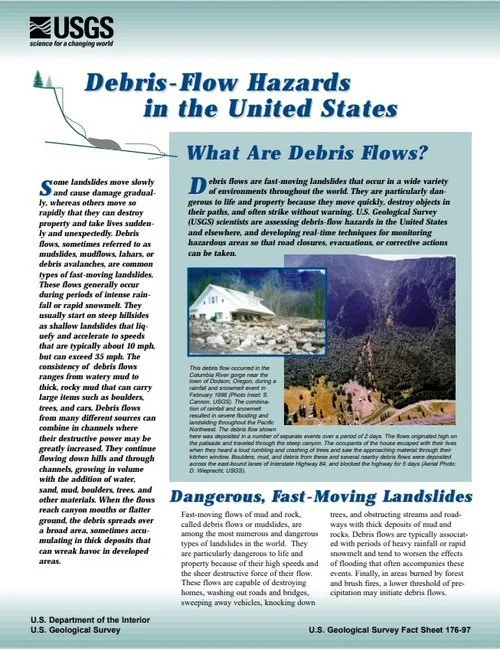
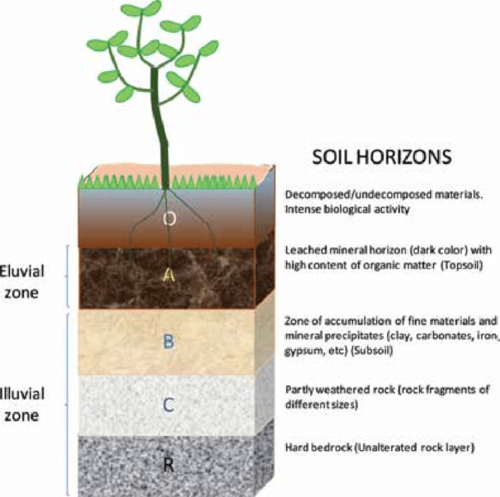
Schematic diagram courtesy of Larramendy and Soloneski, 2019

Soil comes in all shapes and sizes. More specifically, soil comes in all different textures (particle size), porosities (the amount of space between particles), and structures (the way particles of different sizes are arranged in layers). The combination of all of these physical factors determines how much water the soil can absorb when it rains or snows and how much water it can hold in the form of soil moisture. A complete soil profile is made up of a mixture of minerals, organic matter, water, and air.

Soils are important components of ecosystem sustainability because they supply air and water, nutrients, and mechanical support for plants. In turn, plants stabilize the soil with their vast root systems. By absorbing water during infiltration, soils provide water storage as well as delivering water slowly from upstream slopes to drainages and channels where it contributes to streamflow (Neary et al. 2005).

Schematic courtesy of American Forestry Foundation in collaboration with the U.S. Department of Agriculture

When a wildfire burns through an area with lots of fuel (combustible organic material such as tree leaves and needles, grasses, twigs, branches, and logs) on the ground, it sets the stage for that fire to burn hot and then smolder. This transfers quite a bit of heat downward into and through the soil. The greatest increase in temperature occurs at, or near, the soil surface. The more the soil heats, the more likely it is to experience destruction of its organic material and large changes in its mineral layer.

Ash and organic oils from burned plants coat the soil mineral particles, creating what is called a hydrophobic soil. This means that water is no longer absorbed into the soil, but rather runs off it along the surface. Instead of acting like a sponge, the soil acts like the basin of a kitchen sink.

As water runs off the soil and gathers momentum, it also gathers dirt, ash, rocks, sticks, and larger material. A trickle becomes a muddy flood called a debris flow. While debris flows can be triggered by events other than wildfire, they are more likely to occur following a high-severity wildfire which renders the soil hydrophobic.

In the southwestern Rocky Mountains, moderate to severe forest fires can increase the likelihood of debris flow events by consuming rainfall intercepting canopy, generating ash, and forming water-repellant soils resulting in decreased infiltration and increased runoff and erosion. Debris flows, a destructive form of mass wasting, create significant hazards for people, and cause severe damage to watersheds and water resources
— Manuel Lopez, US Geological Survey

Impacts on Water-Supply Reservoirs

Debris flows can overfill riverbeds and drainages, tear out trees and move boulders, and can destroy homes, businesses, and entire towns in a slurry of sludge. They can also fill water-supply reservoirs with a heavy load of sediment, taking the reservoir off-line in the short-term and forcing municipal water suppliers to rely on a secondary water source for residents, shortening the reservoir lifetime, increasing maintenance costs, and potentially rendering reservoirs unusable for storage or potability. Several municipalities across the state of New Mexico have had to spent millions of dollars to dredge their reservoirs following sedimentation events. Visit the Greater Santa Fe Fireshed Coalition’s Source Water webpage to learn more.


Post-fire Water Quality

Water quality can be compromised by wildfires both during active burning and for months and years afterward. As discussed above, burned watersheds are prone to increased flooding and erosion, which can negatively affect water-supply reservoirs, water quality, and drinking-water treatment processes.

Sediment which is transported off of the land and into waterways during post-fire flooding and erosion often contains a lot of nutrients, dissolved organic carbon, major ions, and metals. These elements can make treating water to make it safe for drinking more difficult; they can also result in algae outbreaks, which reduce the amount of dissolved oxygen available to fish and other aquatic species. The use of fire retardants during suppression of a wildfire could also have significant effects on downstream nutrients.

Runoff from burned areas contains ash, which may have significant effects on the chemistry of receiving waters such as lakes, wetlands, reservoirs, rivers and. Runoff from burned areas also produces higher nitrate, organic carbon, and sediment levels, warmer temperatures, and more unpredictable streamflows. The increased turbidity (cloudiness caused by suspended material) of this runoff leads to changes in source-water chemistry that can alter drinking-water treatment. Heightened iron and manganese concentrations may increase chemical treatment requirements and produce larger volumes of sludge, both of which raise water-treatment operating costs.

Wildfire Wednesdays #74: FEMA Grant Programs

Hi Fireshed Community,

As temperatures continue to drop, and we head into Winter, it is a great time to do some planning for next year. Winter offers us some time to get proactive by planning wildfire adaptation projects and applying for funding to support this work. With that in mind, this edition of Wildfire Wednesdays shares some information about the well-funded grants that are administered through FEMA.

This Wildfire Wednesdays shares information on:

  • The variety of FEMA Hazard Mitigation Assistance grants

  • The process for applying to FEMA Hazard Mitigation Assistance grants

  • Eligibility requirements for FEMA Hazard Mitigation Assistance grants

  • Resources for learning more about FEMA Hazard Mitigation Assistance grants

Best,

Gabe

Hazard Mitigation Assistance Grants

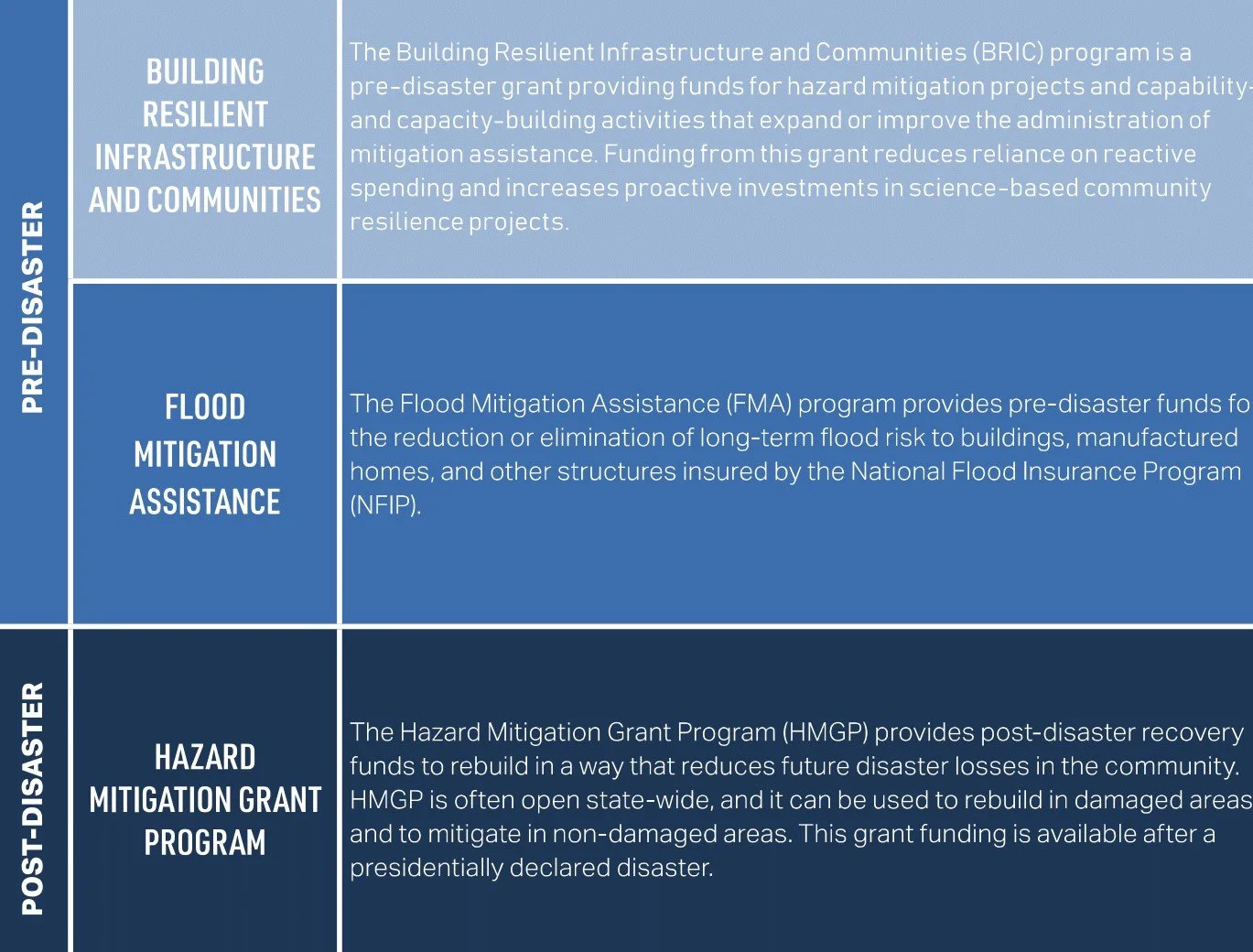
The Department of Homeland Security’s FEMA HMA programs present a critical opportunity to reduce the risk to communities from natural hazards while simultaneously reducing reliance on Federal disaster recovery funds. The HMA program includes three grant types for qualifying mitigation activities, especially those that mitigate flood risk in areas that previously experienced losses and help prevent future damages. Within the HMA program, the Building Resilient Infrastructure and Communities program will be receiving a substantial increase in available funding that can support wildfire mitigation projects.

FEMA offers both pre- and post-disaster funding opportunities. Pre-disaster mitigation opportunities allow communities to plan for future disasters and enjoy the benefits of achieving a more resilient landscape before a natural disaster strikes. Post-disaster mitigation opportunities allow communities to take advantage of larger pots of funding that may become available in the aftermath of a federally-declared disaster.

Non-disaster/annual grants

  • Building Resilient Infrastructure and Communities (BRIC)

  • Flood Mitigation Assistance (FMA)

Disaster grants

  • Hazard Mitigation Grant Program

  • Hazard Mitigation Grant Program – Post fire

From The Nature Conservancy’s report: “Promoting Nature-Based Hazard Mitigation through FEMA Mitigation Grants.

“Natural Hazard Mitigation – any sustainable action that reduces or eliminates long-term risk to people and property from future natural disasters.”

Two types of activities within Hazard Mitigation Assistance:

  • Planning – breaks the cycle of disaster damage, reconstruction, and repeated damage

  • Projects – are long-term solutions that reduce the impact of disasters in the future

These grants require substantial administrative capacity and provide additional funding (up to 10%) to support this workload. There is funding within the HMA grant program to support project scoping in the years leading up to an application.

How to Begin the Application Process

In state of New Mexico FEMA funds pass through the Department of Homeland Security and Emergency Management (DHSEM) as sub-grants. Because of this, it is important to have early communication with the State Hazard Mitigation Officer, and the state agency’s grants team, to develop consensus on project approach.

State Hazard Mitigation Officer and Unit Manager: Chelsea Morganti, chelsea.morganti@state.nm.us

You will want to reach out to the State Hazard Mitigation Officer before August because a Notice of Interest are typically due in early October for the annual programs (BRIC and FMA). Although this deadline is a ways out, get started with project planning early and make sure that you are working with an entity with a current FEMA Hazard Mitigation Plan. A hazard mitigation plan for the applicant or sub applicant is essential to all HMA programs.

Eligibility

Talk to the State Hazard Mitigation Officer early to discuss eligibility. In general, a current FEMA Hazard Mitigation Plan for the project area is a core requirement. Many county governments have FEMA Hazard Mitigation Plans and are eligible applicants.

From The Nature Conservancy’s report: “Promoting Nature-Based Hazard Mitigation through FEMA Mitigation Grants.

Learn More!

To gain a better understanding for how HMA grants are a viable funding source for nature-based solutions to hazard mitigation, read The Nature Conservancy’s report, “Promoting Nature-Based Hazard Mitigation through FEMA Hazard Mitigation Grants.”

Watch this video with (@ timestamp: 3.00.00 ) Chelsea Morganti, New Mexico’s Hazard Mitigation Officer with the Department of Homeland Security and Emergency Management from the 2021 Wildland Urband Fire Summit.

Check out the Hazard Mitigation Assistance Guidance webpage.

Reach out to Gabe Kohler, gabe@forestguild.org, with the Fire Adapted New Mexico learning network for support.

Wildfire Wednesdays #73: The Ecological Role of Fire

Hello Fireshed community,

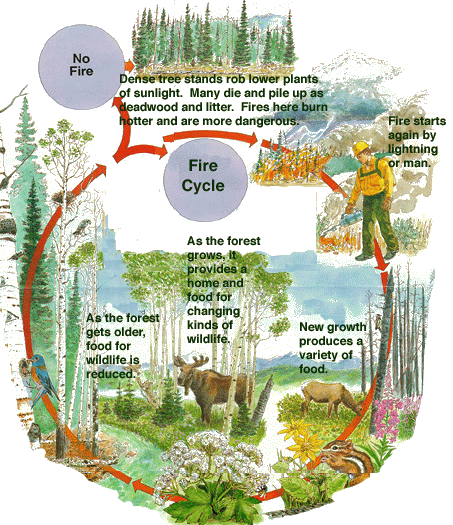
Happy Wednesday and a happy Thanksgiving to you and your family! This year we’re feeling particularly grateful for the beautiful landscapes of Northern New Mexico that we live and recreate in and the fire personnel that keep our ecosystems and communities safe. While we often share resources on how to prepare for or cope with wildfire, this week we wanted to share with you information regarding the ecological role of fire. The role of fire varies across landscapes and many ecosystems have evolved to have specific and beneficial relationships with periodic wildlife. Keep reading to learn more!

This week’s Wildfire Wednesday features information on:

  • How fire benefits ecosystems

  • Fire adapted species

  • Fire return intervals

Best,

Liz


How fire benefits ecosystems

Periodic, low-intensity fire can have many positive effects across ecosystems, keep reading to learn more or click on any of these sources to dive deeper: Benefits of Fire (Cal Fire); Fire Effects on Soil (NAU); Fire Ecology (BLM); Fire’s Natural Role (USFWS); The Ecological Benefits of Fire (National Geographic).

Photo credit: Sharon Hood

  • “Cleans” the forest floor

    When low-intensity fire travels through the understory it removes the layer of dead or decaying plants. By removing this debris, it opens up space on the forest floor where growth of new plants is encouraged and it reduces the likelihood of high-intensity wildfire.

  • Returns nutrients to soil

    Although overall some nutrients on-site are lost during a fire, fire actually increases the amount of available nutrients in an ecosystem. Soil fertility increases after low-intensity fire as the fire chemically converts nutrients in dead plants that would otherwise take much longer to decay and return to the soil.

  • Increases diversity

    When a forest is without fire it leads to over-crowding, preventing sunlight from reaching the forest floor and creating intense competition for water and available nutrients. In the aftermath of low-intensity fire, gaps in the canopy are created allowing sunlight through and there is more available nutrients and water. Low intensity fires can also eliminate invasive/noxious weed infestations, allowing an opportunity for native plants to grow and establish. Some native species actually require fire for seed germination!

  • Creates new habitat

    Fire removes thick brush, maintains open meadows, and thins out dense forests, all creating new habitat for animals and birds. Additionally, those trees that do not survive fire create new habitat for insects and cavity nesting birds and animals.

  • Kills pests and diseases

    Fire kills populations of beetles, mites and other harmful pests which reduces disease and keeps forests healthier.

Photo credit: Harvey Mudd College


Fire adapted species

Many of our beloved plant species are fire-adapted, meaning that they have “life history traits that help them survive wildfire or to use resources created by wildfire.” There are different categories of fire-adapted plants based on the traits that allow them to survive or flourish with wildfire (from Fire Ecology by the Bureau of Land Management)

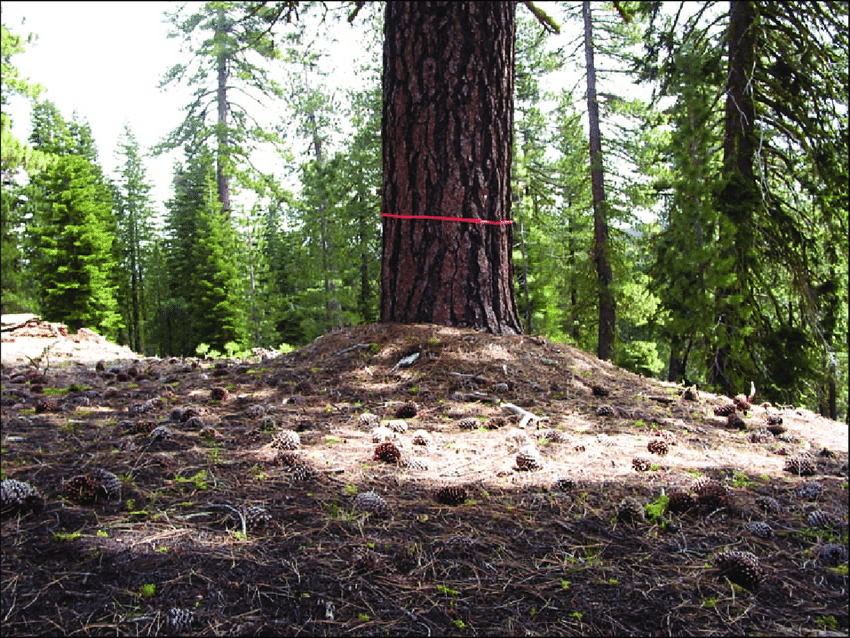
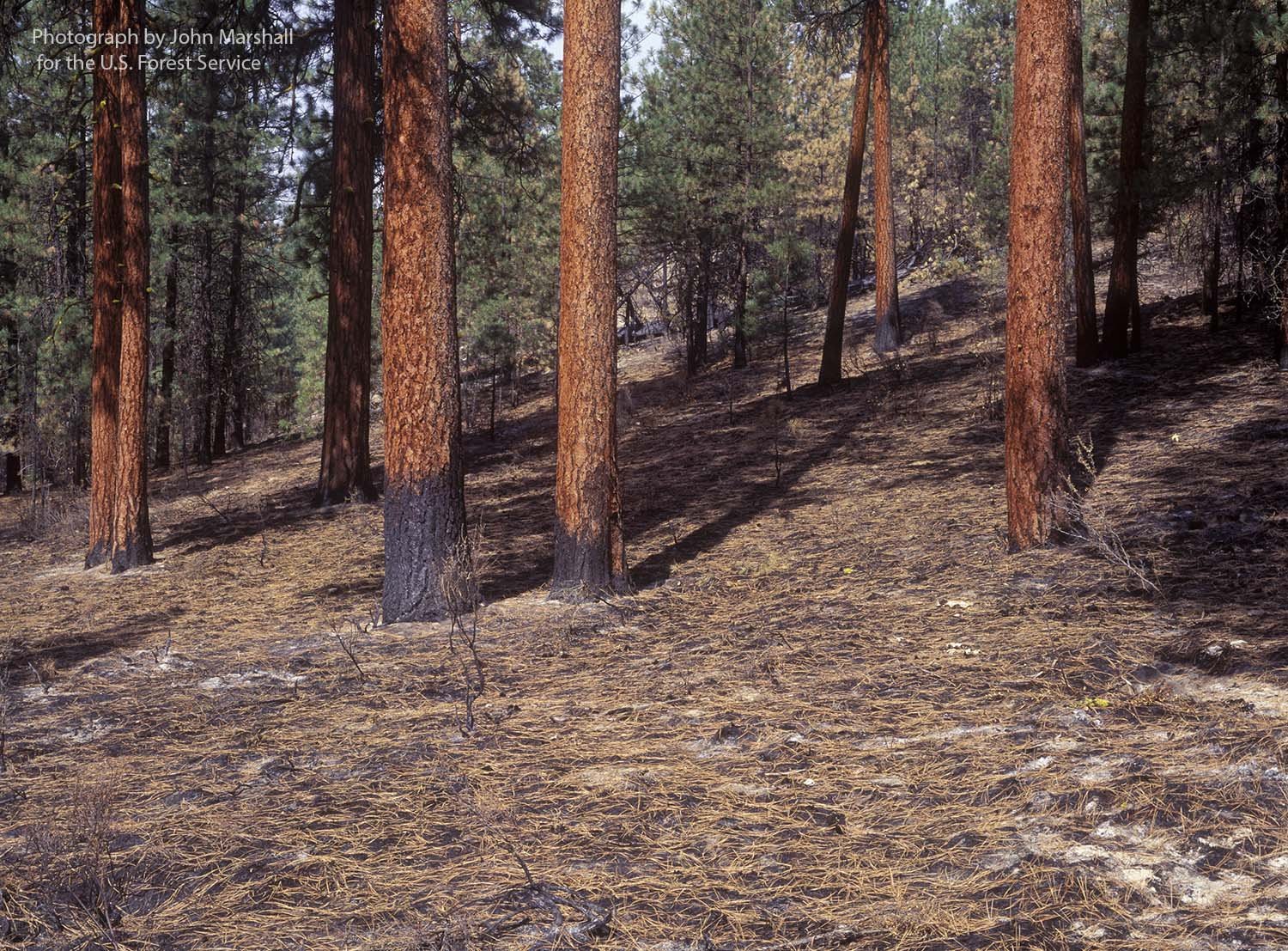
Ponderosa pines, an example of a “resister” fire-adapted species (Credit: John Marshall)

  • Resisters are the species that can survive moderate to low-intensity fires with little to no damage. Some adaptations of Resisters include: thick bark to shield them from fire; deep roots protected from fire; the shedding of their lower branches to prevent fire from climbing; and moist, short needles or leaves that are hard to burn. Some examples include: ponderosa pine, sugar pine, and Douglas-fir.

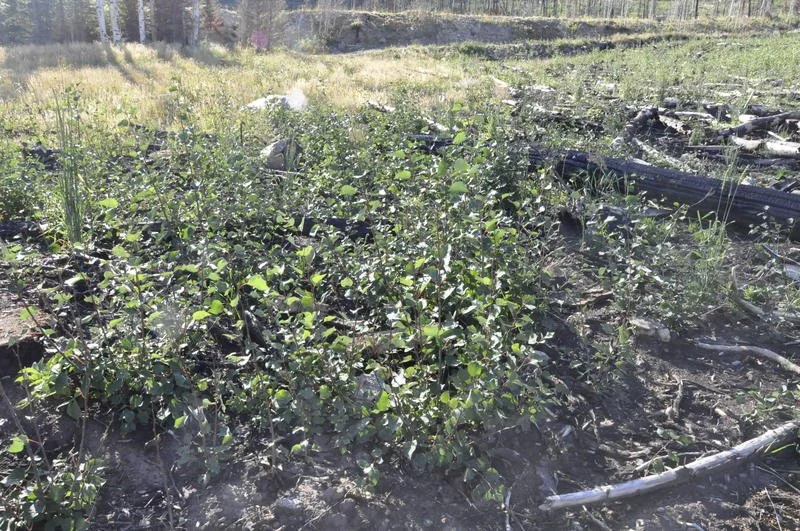
Aspen resprouting after a recent fire in Utah (Credit: Karen Mock)

  • Sprouters are the species that endure fire. Sprouters resprout from their roots, trunks, limbs, and/or crown after a burn. Many shrubs are sprouters. Some of these species also have hard shelled seeds relying on fire to crack them open. While the parent plant may be injured in a fire, the new sprouts are able to grow in nutrient rich soil and have less competition. Some examples include: oak, aspen, and madrone.

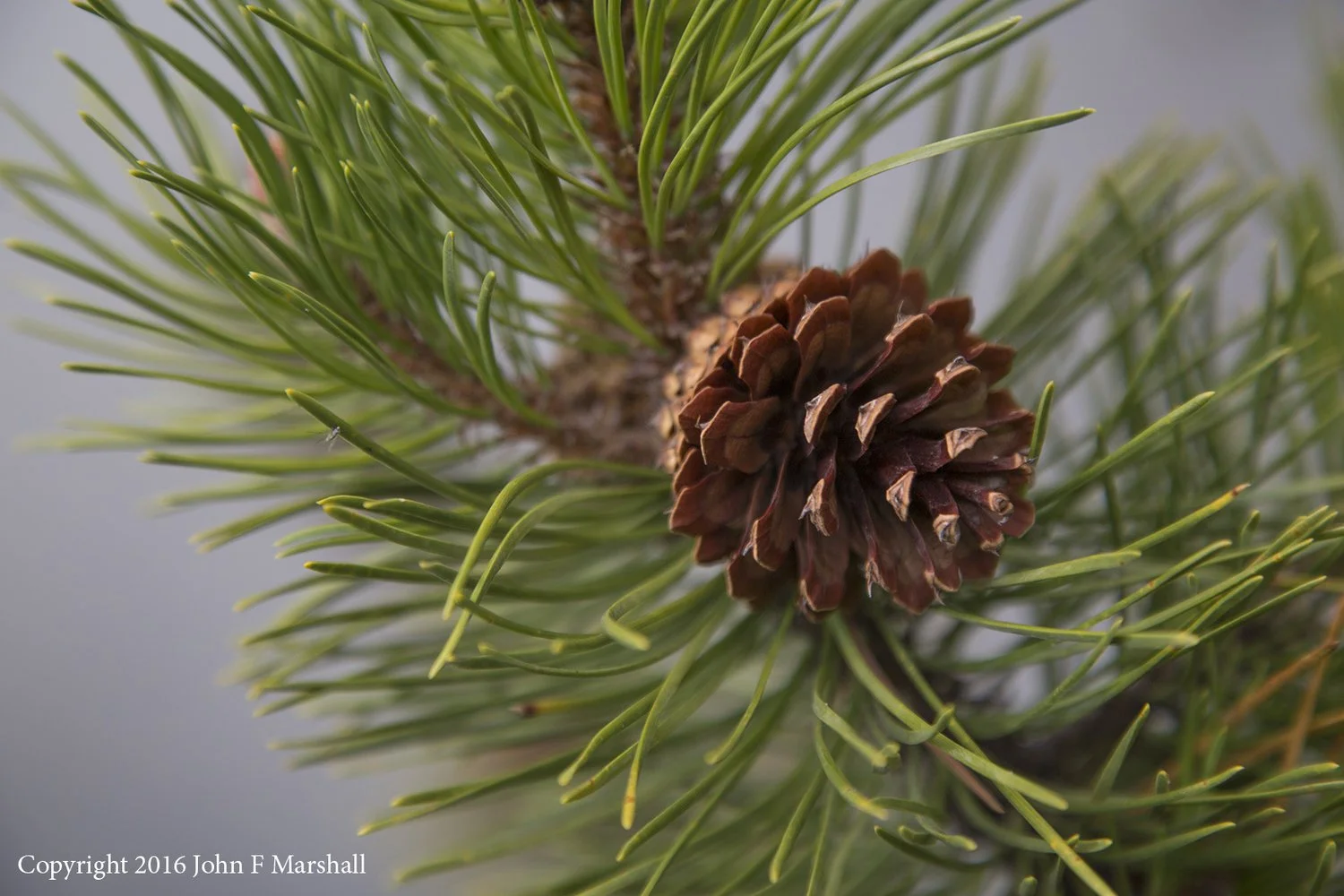
Lodgepole pines, an example of a “seeder” species, requires fire for their seeds to germinate.

  • Seeders are adapted to evade fire by shedding lots of seeds that sprout after fire. These sprouts thrive from the rich nutrients recycled into the soil. Right after a fire is a prime time for a plant to disperse its seeds and germinate because there is more space to grow and less competition for resources like sunlight, water, and nutrients. Many Seeders are dependent on fire to create the habitat needed for their seedlings to sprout and grow. Seeders are not invaders because they already inhabited the area before the fire and their population does not spread as rapidly as invaders. Some examples include: buckbrush, lodgepole pine, and manzanita.

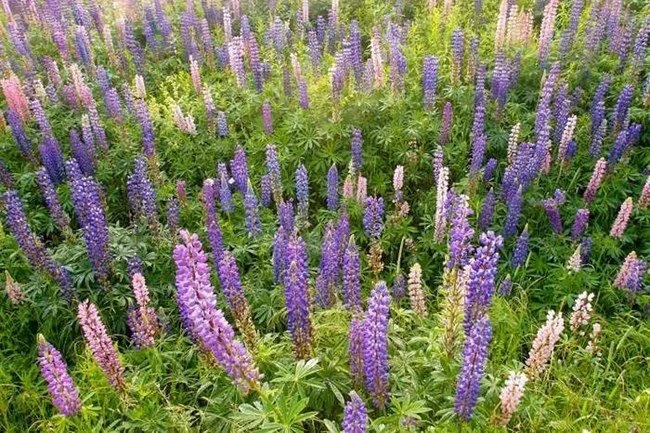
Filling the “invader” niche, lupine will take advantage of recently burned areas (Credit: NPS)

  • Invaders take over recently burned areas. Their populations are either limited or unknown prior to fire. Invaders tend to have seeds that are highly dispersive by wind, animals, or people. Many invaders are noxious weeds that take over areas after disturbances such as a fire, flood, or development. Some examples include: star thistle, fireweed, scotch broom, and lupine.

White fir trees are “avoiders”, they tend to grow in areas where fire does not frequently occur.

  • Avoiders are least adapted to fire because they grow in areas where fire does not normally occur. They are typically found near water or in high elevations. Avoiders are a late successional species, thus they are not found in recently burned areas. Avoiders have thin bark, shallow roots, and lots of resin, which can help a fire spread. Few avoiders survive moderate to high intensity fires. Some examples include: white fir, vine maple, western red cedar, and western hemlock.

To learn more about the different traits plants develop to survive wildfire or use it to their advantage check out this Britannica article “Playing with Wildfire: 5 Amazing Adaptations of Pyrophytic Plants”


Fire Return Interval

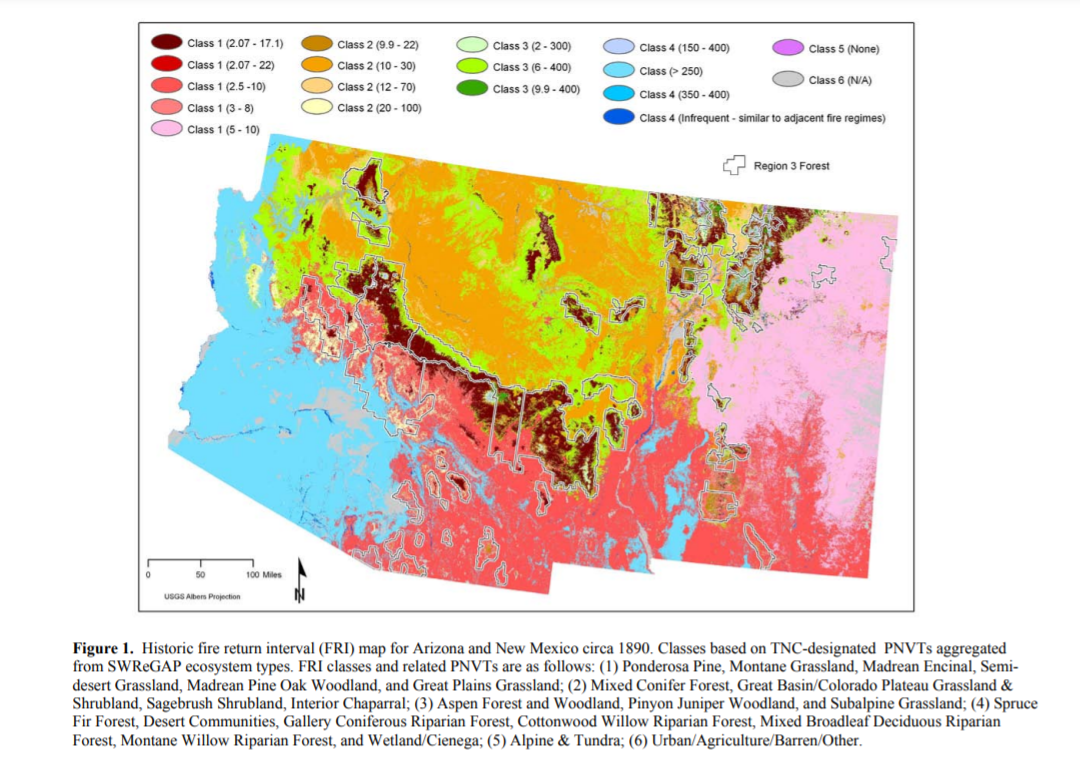
A fire return interval is the (historical or natural) time between fires in a defined area, usually at the scale of a point, stand or relatively small landscape area. For example, fires in ponderosa pine communities burned naturally on a cycle of one fire every 5 to 25 years. This frequent fire burned the grasses, shrubs, and small trees, and maintained an open stand of larger ponderosa pine trees.

Check out this table from the Forest Service detailing fire regime characteristics for different ecosystem types in the Southwest.

Map showing the historic fire return interval in years for Arizona and New Mexico (Credit: HISTORIC FIRE RETURN INTERVALS FOR ARIZONA and NEW MEXICO: A REGIONAL PERSPECTIVE FOR SOUTHWESTERN LAND MANAGERS)