Wildfire Wednesdays #23: After the Wildfire New Mexico - Stories from The Medio Wildfire

Hi Fireshed Members,

Although firefighters are continuing to wrap up wildfires from the 2020 season, the majority are contained. At this point, Burned Area Emergency Response (BAER) teams are beginning to assess post-fire conditions with goal of analyzing how wildfires impacted the landscape, determining if there are values at immediate risk, and recommending emergency treatments. This is part of the recovery process from wildfire, and is an important part of being fire adapted.

This week’s Wildfire Wednesday features:

  • The After the Wildfire New Mexico website for post-fire resources

  • Some perspectives on The Medio wildfire that burned close to Santa Fe

Best,

Gabe

After the Wildfire

Experiencing a destructive wildfire can be devastating. This guide was written to help New Mexico communities recover after wildfire. It includes information on how to mobilize your community, a list of resources available to communities and individuals for assistance, and a technical guide with information about post-fire treatments to address the catastrophic effects of a wildfire on the land and to prepare for potential flooding. If you are reading this guide before a wildfire occurs, use it to help you plan ahead.

This guide is intended to provide useful information during this difficult time, and to start you on the road to recovery.

To visit After the Wildfire New Mexico, click here.

For more post-fire resources, check our New Mexico Fire Information, click here.  

Stories from the Medio Wildfire
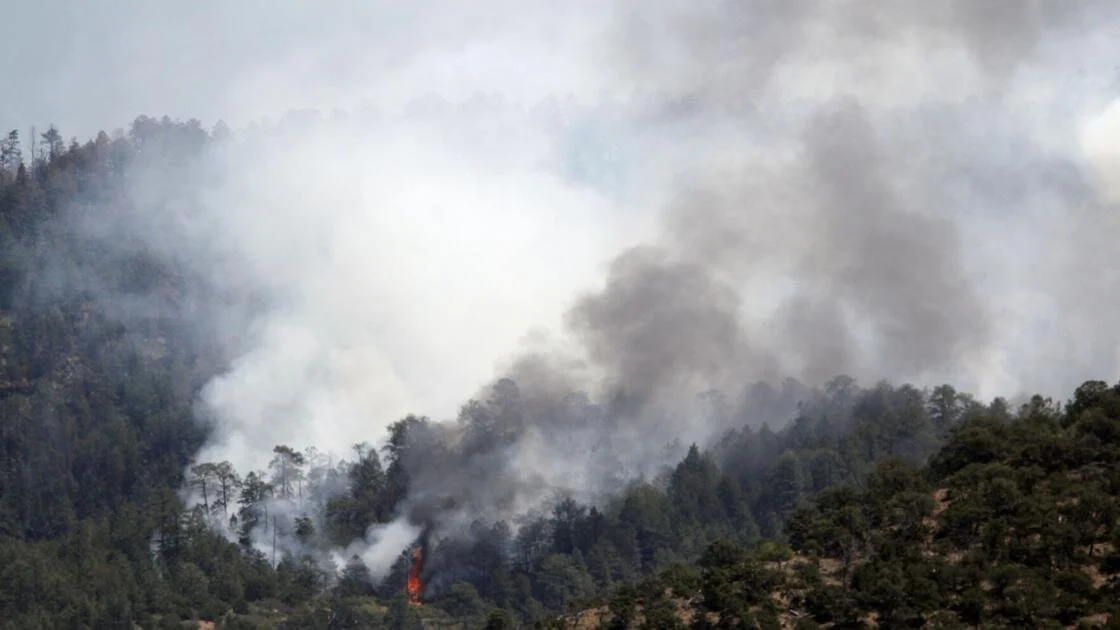
The Medio Wildfire, which burned around 5 square miles just north of Santa Fe, has been a visible reminder of the risk that New Mexico communities face from wildfire. Many hope that this wildfire will raise consciousness around wildfire risk and encourage homeowners, agency representatives, firefighters, and others to work together for wildfire preparedness.

There have been many news articles about the Medio fire. We would like to share some articles that have done a good job telling the story of the Medio fire from different perspectives.

An article by Ceder Attanasio, with the Associated Press, puts the story of the Medio wildfire within the context of increasing wildfire nationwide and highlights the importance of community mitigation. To read the Attanasio’s article about the Medio fire, click here.

Another article, “A Closer Look at the Medio Fire,” by Leah Cantor, provides an in depth description of the fire management tactics that were used to fight the Medio fire and the role that fuel reduction treatments, prescribed fire, and community mitigation played in shaping the decision making space of the incident command team. To read “A Closer Look at the Medio Fire,” click here.

Finally, an article by the NM Political Report, describes how indigenous activists from The Three Sisters Collective created a citizen led solution to help people suffering from the effects of wildfire smoke. To read the article about The Three Sisters Collective’s response to the Medio wildfire, click here.
Wildfire Wednesdays #22: DIY Smoke Filter - Accurate Wildfire Information Websites

Hi Fireshed Members,

Smoke is in the air and wildfire season is still underway. With drought across northern New Mexico, fuel moistures are abnormally low, and wildfires continue to burn within the dry fuels.

Although northern New Mexico received a close to normal amount of snow during the 2019-2020 water year, the timing of that snow was early in the season, creating the dry, late summer conditions that firefighters are working within.

To help you stay informed and provide some relief from smoke, this Wildfire Wednesday includes:

  • Instructional video for creating a DIY HEPA air filter for around $25

  • Webpages for finding accurate, up-to-date wildfire information

Best,

Gabe

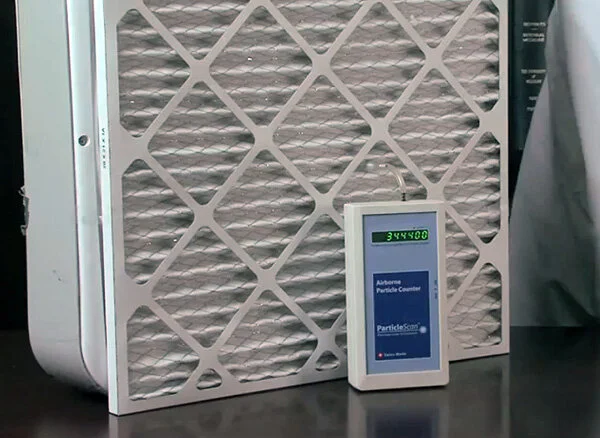
Find Relief from Wildfire Smoke: Create a DIY Smoke Filter for $25

With wildfire smoke from The Medio Fire and the Caja Fire, you may be looking for some relief. Although The Fireshed Coalition coordinates a HEPA filter loan program, we are currently out of filters for loaning out. Below are some alternative options for managing the health effects from wildfire smoke in your home.

Wildfire Information across New Mexico

NM+Fire+Info.png

For the most accurate and up-to-date information on wildfires and fire restrictions across New Mexico subscribe to the New Mexico Fire Information mailing list by visiting nmfireinfo.com. New Mexico Fire information is an interagency effort by federal and state agencies in New Mexico to provide timely, accurate fire and restriction information for the entire state. The website is updated as new information is available.

9de09075-4015-4590-bd15-e1716196edef-Screen_Shot_2020-08-24_at_1.34.00_PM.jpeg

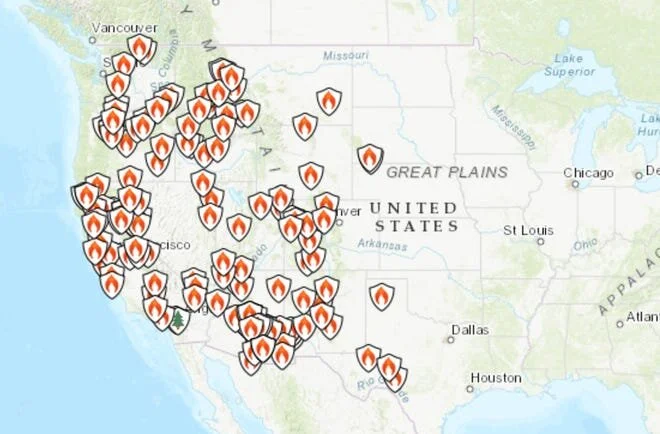
To follow a wildfire incident longer-term,  after it has been described on New Mexico Fire Information, you can visit The Incident Information System at inciweb.nwcg.gov. The Incident Information System, commonly referred to as inciweb, is an interagency all-risk incident information management system that was designed to: 1. Provide the public a single source of incident related information, and 2. Provide a standardized reporting tool for the Public Affairs community. This tool has an interactive map viewer that allows you to see all the wildfires that are active across the state and across the entire country.

Wildfire Wednesdays #21: Aspen Regeneration - Fall Fire and Fuels Youth Corps

Hi Fireshed Members,

Part of living within the Fireshed is understanding the forests that surround our homes and communities, including the role of wildfire within these forests. This understanding can help us learn what to expect during fire season, and make us better prepared to respond and recover from wildfire in our area. Aside from protecting lives and property, we may also gain a more nuanced understanding of the effects of wildfire and other ecosystem disturbances within these forested systems.

This week’s Wildfire Wednesday features a new resource about Aspen regeneration in forests across the Rocky Mountains of Northern New Mexico.

Best,

Gabe

Aspen Next Generation

Cover-Aspen-Next-Generation-Report-1583x2048.jpg

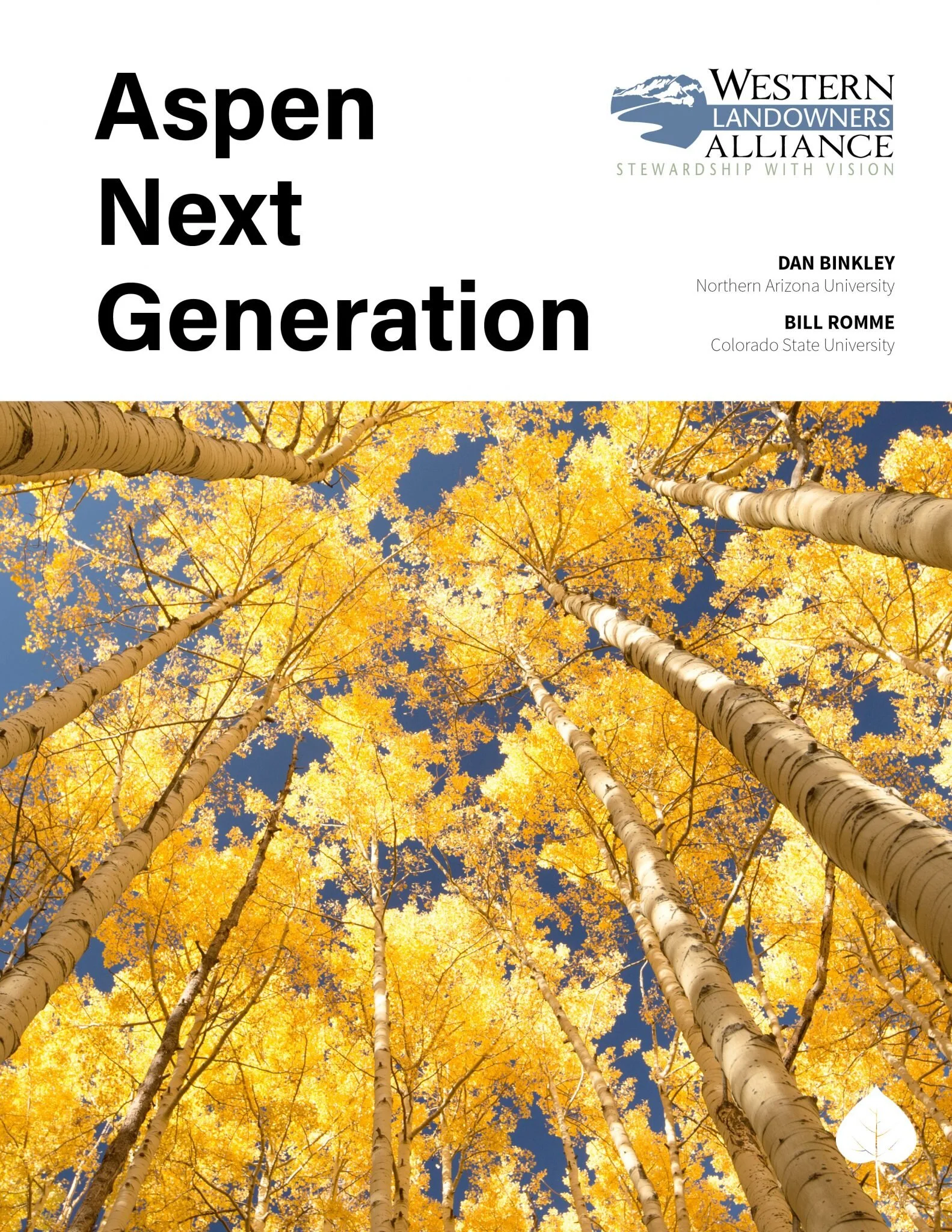
In the Rocky Mountains of Northern New Mexico, Aspen trees are especially important, and have an interesting relationship with wildfire. Aspen trees are a favorite to many New Mexicans because they add beauty to landscapes, foster high diversity and productivity of understory plants, provide habitat to many species, and burn with moderate fire behavior.

Some are concerned that Aspen trees and stands are not regenerating well in New Mexico; young cohorts are scarce in many areas. The Aspen Next Generation (ANG) Project aims to foster the future of aspen by pulling together insights from landowners, agency personnel and scientists across southern Colorado and northern New Mexico. The report features place-based conversation summaries that include Chama and the Jemez Mountains of northwestern New Mexico, Vermejo Park in north central New Mexico, and the Culebra Range of the Sangre de Cristo Mountains in south central Colorado.

To read the insights gathered in their report: click here.


The Forest Stewards Fall Fire and Fuels Crew

As wildfire activity in the Southwest winds down with the arrival of the monsoon season, other parts of the country are just getting going. As a result, many firefighting resources in the Southwest are deployed to other parts of the country, limiting local capacity to implement prescribed burns during prime burn windows. Prescribed fire is a necessary tool used by land managers to reduce wildfire risk and restore resilience to forests. The fall FSYC fire and fuels program helps fill this gap in capacity. This Monday, August 17th, the Forest Stewards Youth Corps began their training for the Fall 2020 season.

The fall FSYC program prepares participants for careers in natural resource management by providing them with training and certifications in:

  • National Wildfire Coordinating Group (NWCG) Basic Wildland Fire Fighting (S-130/190)

  • Wildland fire chainsaw use (S-212)

  • CPR and first-aid

  • Defensive driving

  • Forestry

  • Leadership development

  • Job skills such as resume and cover letter writing, and

  • New Mexico Forest Worker Safety.

The Forest Stewards Guild is currently hiring one more crew member to the Mountainair crew. If you know someone in this area between 18-25 that is a certified type II wildland firefighter, please contact Gabe at 509-844-3048.

Wildfire Wednesdays #20: Prescribed Fire on Private Land - Healthy Soils Webinar Series

Hi Fireshed Members  

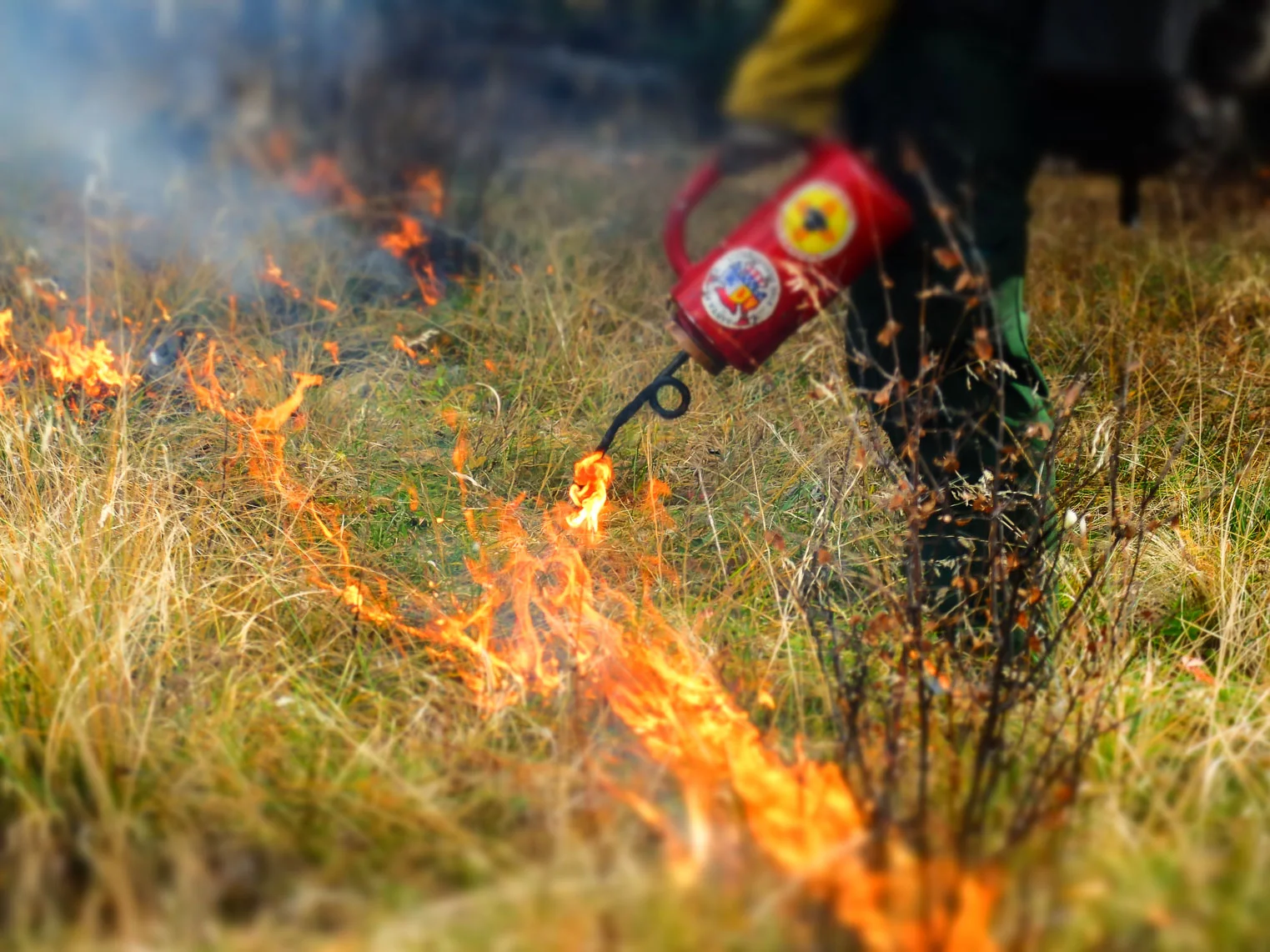
As we head into the late summer, many land management agencies and private forest owners are preparing to implement prescribed fire. Prescribed fire is a useful tool to help reduce surface fuel loads, decrease wildfire risk, improve understory vegetation growth, and improve forest health in many forest types across New Mexico. The process of planning and implementing prescribed fire is challenging, but not impossible, for private landowners.  

This week’s Wildfire Wednesday features: 

  • A Forest Stewards Guild publication titled “Prescribed Fire on Private Land in New Mexico” 

  • A webinar series about soil health in Piñion-Juniper woodlands 

Best,  

Gabe 

Prescribed Fire on Private Land in New Mexico 

download (1).jpeg

If you have ever wondered about the legal framework for implementing prescribed fire on private lands in New Mexico, please check out the 2019 report by The Forest Stewards Guild titled, “Prescribed Fire on Private Land in New Mexico.” This report is an update to their 2017 report titled, “Controlled burning on private land in New Mexico,” and describes the many programs and authorities that can help a private landowner restore low-severity fire to their property. New Mexico’s state government is working hard to help private landowners gain the support and legal protection required to use prescribed fire as a land management tool.  

To read the full report, click here.  

Healthy Soils Webinar Series 

ECOTONE_Logo_Stacked_CMYK.jpg

Soil health determines the trees that grow and the type of fire regime within New Mexico’s forests. To understand how soil health connects to forest systems like Piñion-Juniper woodlands, check out the Healthy Soils webinar series starting tomorrow Thursday, August 13th. 

Jan-Willem Jansens of Ecotone Landscape Planning is hosting a webinar series with The Forest Stewards Guild. This series will provide some soil science basics and help you feel more comfortable monitoring soil health. There are three webinars:

1) Defining Healthy Woodland Soil (Zoom link): 12:00pm -1:30pm, Thursday, August 13th

2) Measuring Woodland Soil Health: 12:00pm - 1:30pm, Thursday, August 27th

3) Managing Woodlands for Soil Health: 12:00pm - 1:30pm, Thursday, September 10th

Click the links above to register for the webinars.

Wildfire Wednesdays #19: Wildfire and Pollinators - Support Navajo Nation Elders

Hi Fireshed Members,

With the monsoon rains in New Mexico, we hope that many of the wildfires start cooling down, and our communities and ecosystems can begin to recover. Wildfire is a natural disturbance in many of New Mexico’s forests. Depending on the fire behavior and severity, we often see species and ecosystems respond well to wildfire. Fuel reduction thinning and prescribed fire are powerful tools that help keep fire behavior and severity within the range that ecosystems are adapted to recover from.  

This week’s Wildfire Wednesday includes: 

  • A briefing paper about the relationship between native pollinators and wildfire 

  • An opportunity to support The Navajo Nation in a time of need. 

Best,  

Gabe  

Pollinators Briefing paper_Final (1).jpg

Briefing Paper: Pollinators and Wildfire 

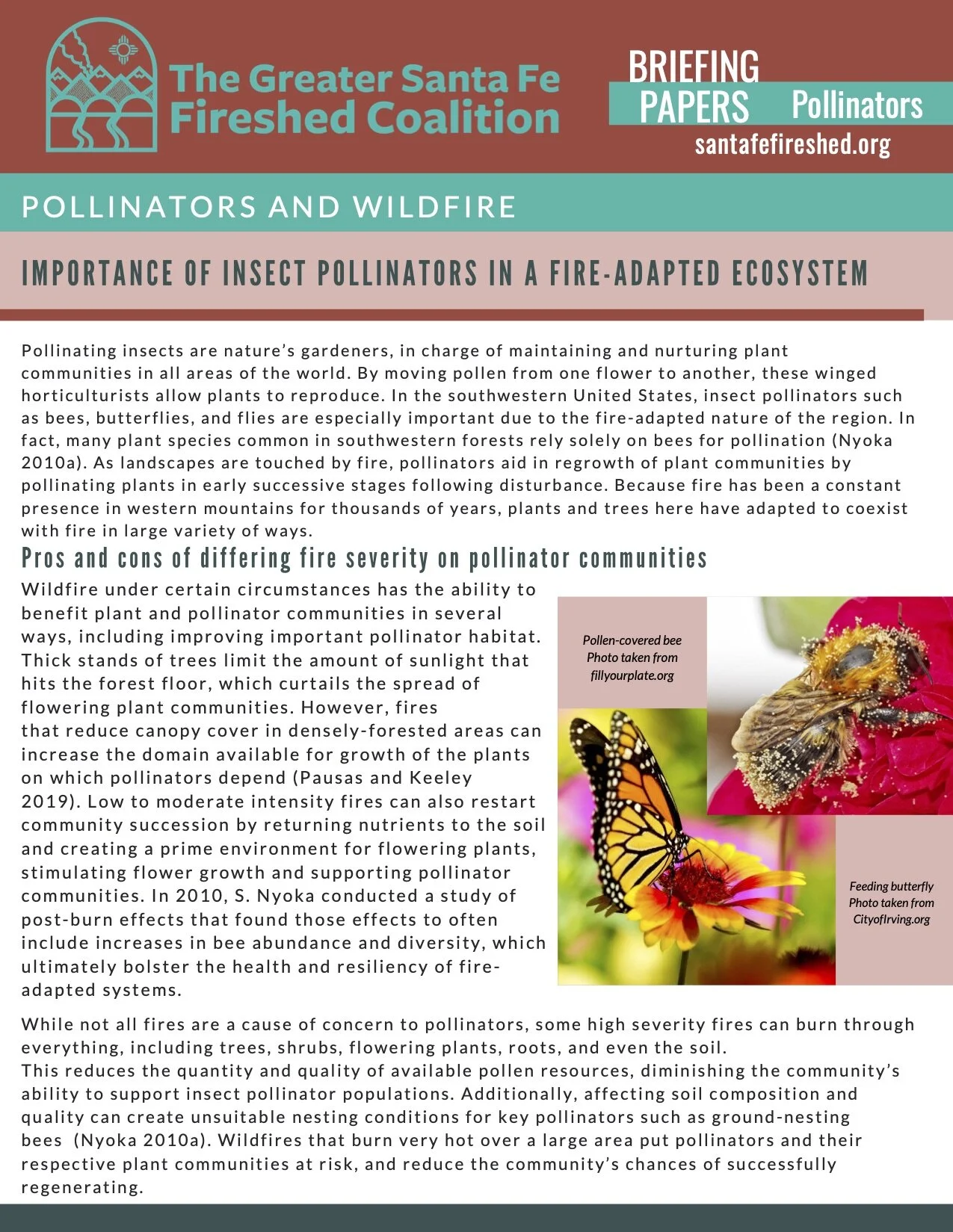
Birds and bees and...wildfire? As an introduction to the studies being conducted on pollinating insects and birds and their relationship to wildfire, the Forest Stewards Guild is releasing another briefing paper covering why pollinators are important, and how they are affected by fires of differing severity. Be sure to check out this newest addition of to our series of Briefing Papers! 

To read the briefing paper, click here.  

Support the Navajo Nation in a Time of Need 

download.jpeg

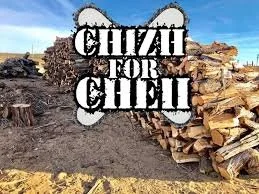
In addition to recovering from and actively fighting wildfire, The Navajo Nation is disproportionately struggling with the covid-19 pandemic. One way that you can help is by contributing to the “Chizh for Cheii,” or “wood for grandpa” fund that supports firewood delivery to Navajo Nation elders. Many people on the Navajo reservation, especially elders, live with no running water and electricity. These people rely on firewood to heat their homes, and with winter around the corner and firewood in short supply, they need your help.  

To view the “Chizh for Cheii” go fund me page, click here: https://www.gofundme.com/f/chizh-for-cheii