Wildfire Wednesdays #83: How to Talk About Wildfire

We recognize the many wildfires which have ignited recently and are threatening homes and communities across the state. Our hearts go out to those who have been forced to evacuate, experienced destruction of property, or are otherwise impacted. Sign up for New Mexico State Forestry Division’s wildfire alert system here or visit NM Fire Info’s During a Wildfire webpage for more information and resources. Those who have been evacuated can find a Red Cross disaster shelter using this tool.

ready! set! go! guide
EN SUS MARCAS! LISTOS! FUERA!
after wildfire nm

Hello and happy Wednesday, FACNM readers!

The blustery winds of spring are blowing in change both across the landscape and in the FACNM community. My name is Rachel and I work for the Forest Stewards Guild, a forestry nonprofit out of Santa Fe. I have contributed to this blog a few times in the past and will be helping out with the Wildfire Wednesdays project into the future. I look forward to getting to know this virtual community of curious and passionate folks!

Today we will be talking about talking - specifically, how to talk to kids about wildfire. Hotter drier days and those strong spring winds mean that wildfire season is here and smoke is on the horizon. Although wildfire is a natural phenomenon in the desert Southwest, it still poses a risk to our homes and communities and can be a pretty scary subject, especially for our youngest FACNM’ers.

This week’s Wildfire Wednesday features information on:

  • Teaching: how to talk about fire ecology - the science behind wildfire

  • Preparation: how to get your kids ready for wildfire

  • Coping: how to talk to kids about upsetting news and current events

  • Plus a wildfire graphic novel and coloring book for kids or the young at heart, upcoming FACNM events, and more!

Best regards,

Rachel


Teaching: breaking down fire ecology

What is fire?
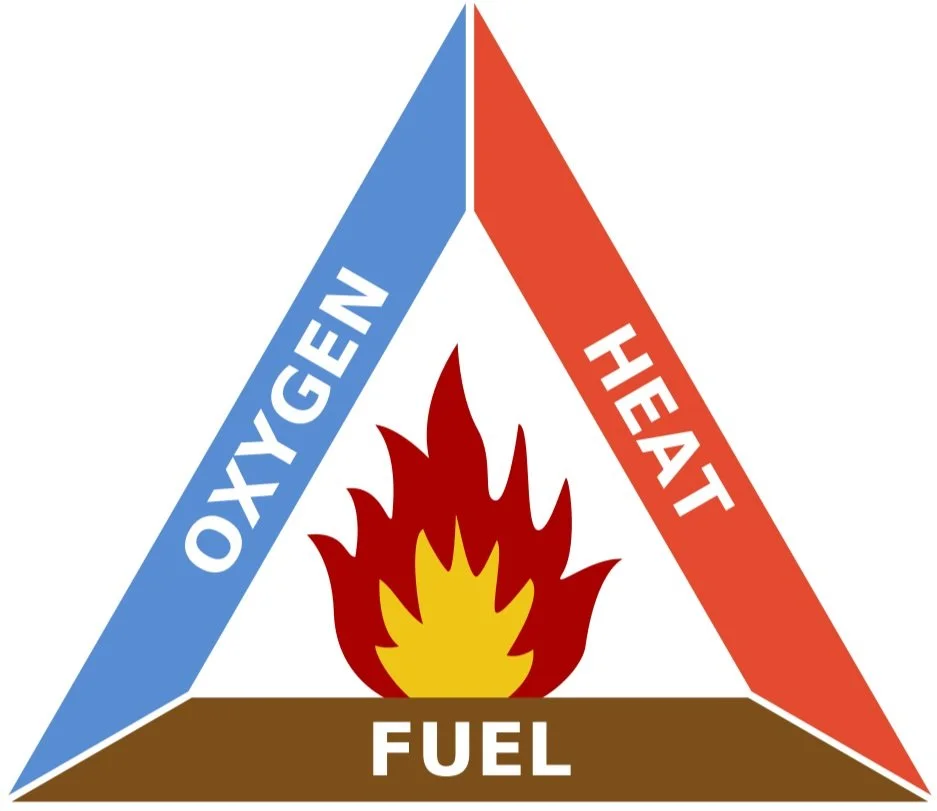
Triangle displaying oxygen, heat, and fuel on its three sides, making up the components necessary to create fire

The Fire Triangle: illustration courtesy of Oregon State University

Before we can talk about how fire spreads, we need to understand what fire is. We can feel its heat, smell its smoke, and see its light, but fire is actually not a solid, liquid, or gas. Rather, it is the result of a chemical reaction called combustion. Combustion is the process by which a substance called fuel reacts rapidly with oxygen and gives off heat. There are three components needed for ignition and combustion to occur. A fire requires fuel ­to burn, air to supply oxygen, and a heat source to bring the fuel up to ignition temperature. Heat, oxygen and fuel form the fire triangle. Fire’s heat is the result of super-excited molecules releasing energy in the form of heat as they break and reform their atomic bonds. Smoke is the result of organic material in the fuel being heated to the point that it converts from a solid to a gas. Light is the result of that released energy incandescing, or glowing, and giving off visible light waves at a very high temperature.

How does fire spread?

“After combustion occurs and a fire begins to burn, there are several factors that determine how the fire spreads. These three factors include fuel [what burns], weather [such as temperature and how dry the air is], and topography [the flatness (such as a grassland) or steepness (such as a mountain slope) of the ground]. Depending on these factors, a fire can quickly fizzle or turn into a raging blaze that scorches thousands of acres” (How Wildfires Work).

Fire ecology: the study of fire as a natural part of the ecosystem


Preparation: getting ready for wildfire

Preparing an evacuation kit
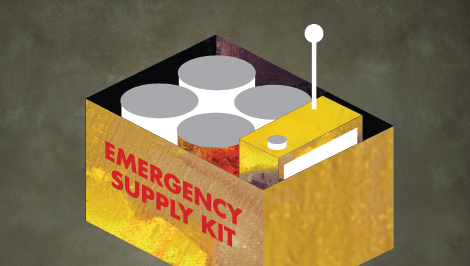
Illustration of an emergency supply kit: a box with rations, radios, and other evacuation necessities inside

Illustration courtesy of CalFire

When a wildfire is spreading quickly and your family receives orders to evacuate, your safety is the top priority. This means you probably won’t have time to go through the house and decide what you want or need to take with you, you will just need to get moving. One key to readiness is “having an emergency supply kit ready to grab on the go, long before a wildfire or other disaster occurs. Keep it easily accessible so you can take it with you when you have to evacuate [and] plan to be away from your home for an extended period of time.” Follow the link to learn how to assemble your kit.

Making a family plan
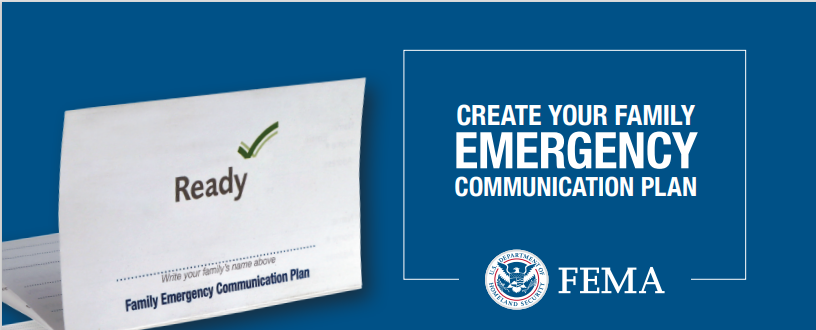
Figure out before a disaster strikes how the whole family will react. Know how you’ll contact one another and reconnect if separated, establish a family meeting place that’s familiar and easy to find, consider the specific needs of your household, and practice ahead of time! Learn how to make a plan today.

Staying up-to-date on wildfires near you

Now that you’re prepared with an evacuation kit and a plan, you need to know where to find accurate information on a wildfire burning nearby.

The National Wildfire Coordinating Group (NWCG) maintains InciWeb, a website where official responding agencies such as the US Forest Service and NM Forestry Division can announce new wildfire ignitions and update wildfire incidents with location, containment status, acres burned, and evacuation notices. Search by incident name or find an incident on their national map (InciWeb).

New Mexico Fire Information (NM Fire Info) is an interagency effort by federal and state agencies to provide timely and accurate fire and restriction information for the entire state. The aim is to maintain one website where the best available information and links related to wildfire and restrictions can be accessed. Find updates on wildfires in the state, links to other helpful sites, and information on fire restrictions and smoke management (NM Fire Info).

visit inciweb
visit nm fire info

Coping: how to talk about challenging subjects

illustration of adult talking to and comforting child

“After disturbing incidents like… natural disasters, feelings of panic and fear increase. Extensive news coverage and posts on social media can heighten those feelings, especially in kids and teens. As adults grapple with how to move forward in the aftermath these events, it's important to help kids and teens process them, too.” Follow these General Guidelines for helping your kid(s) cope and find security in the face of upsetting current events.

During and following a wildfire, “routine is disrupted and one's sense of security is undermined. Families and communities should not underestimate the accumulative effects of evacuation, displacement, relocation, and rebuilding”. Talking to your child, providing them with facts and explanations of what fire is and why it happened, and allowing them time to process and ask questions can all help them cope with the stress and fear associated with living through a wildfire. Visit this link to learn how to help children impacted by wildfires.


Additional resources
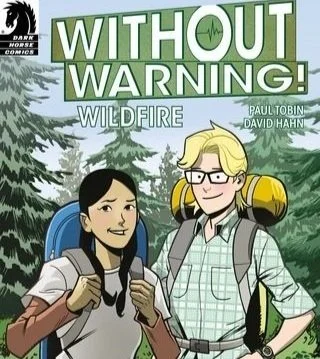
Graphic novel: create an account on Dark Horse to access this open-source graphic novel. Follow along as Meghan and Alexx encounter a wildfire, experience what it is like to be evacuated, and talk about fire safety in Without Warning! Wildfire Safety Comic.
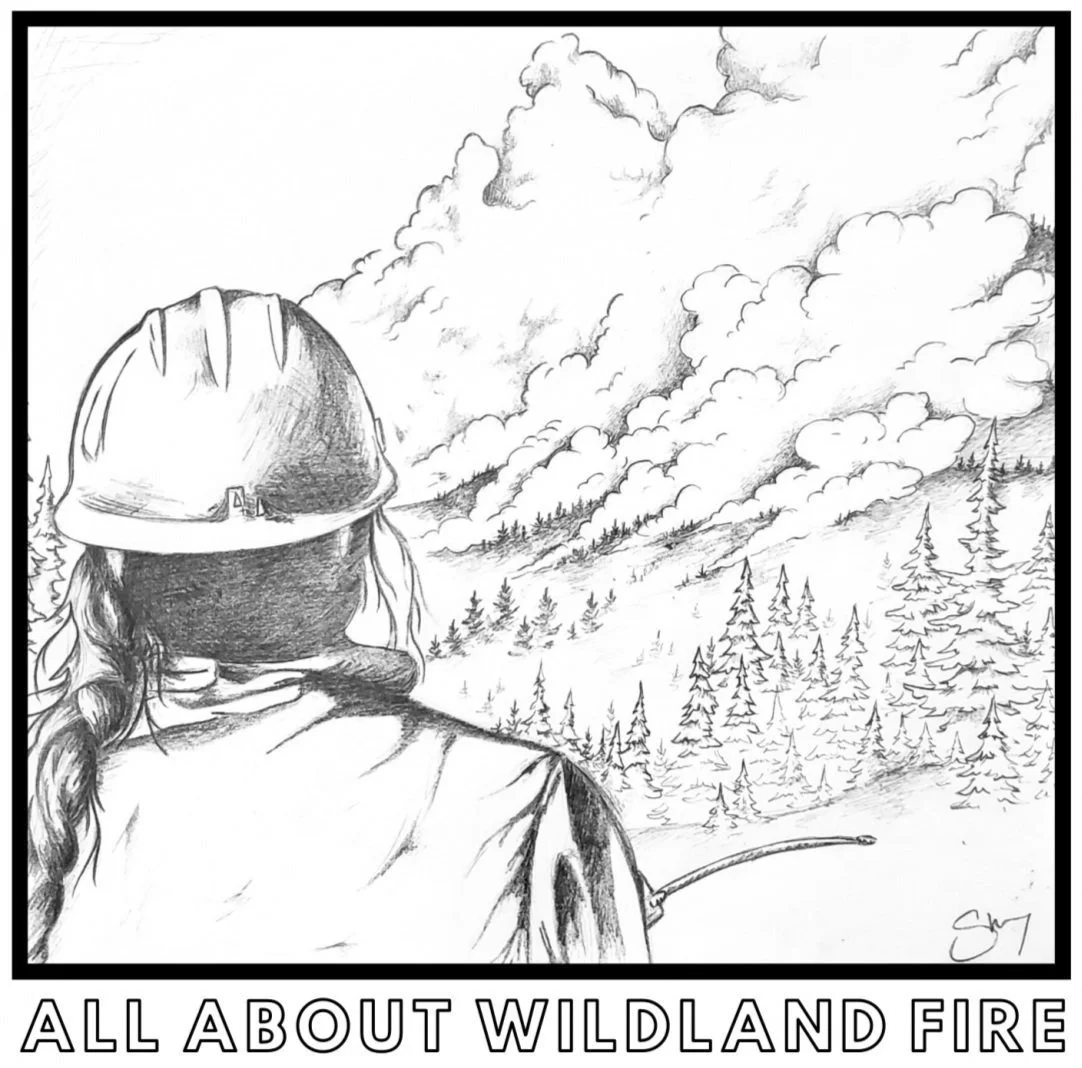
Coloring book: educational wildland fire coloring sheets, available for download from The Smokey Generation (Wildfire Coloring Sheets).


Upcoming Events

Join us as we celebrate National Wildfire Preparedness Day all through the month of May!

Upcoming webinars:

Research Survey:

Barriers to Biochar Production

There is little research directly considering barriers to individual- and community-scale biochar production, and the region’s socioecological context may present unique barriers to adoption different from those reported elsewhere. Click here to fill out the survey and support this research that will promote biochar.
STAY UP TO DATE ON EVENTS

Wildfire Wednesdays #82: Southwest Wildfire Awareness Week!

Happy Wednesday Fireshed community!

This week, March 31st - April 2nd, is Southwest Wildfire Awareness Week. This year’s theme is “Don’t Wait for Wildfires to Start, Prepare and Be Aware.”

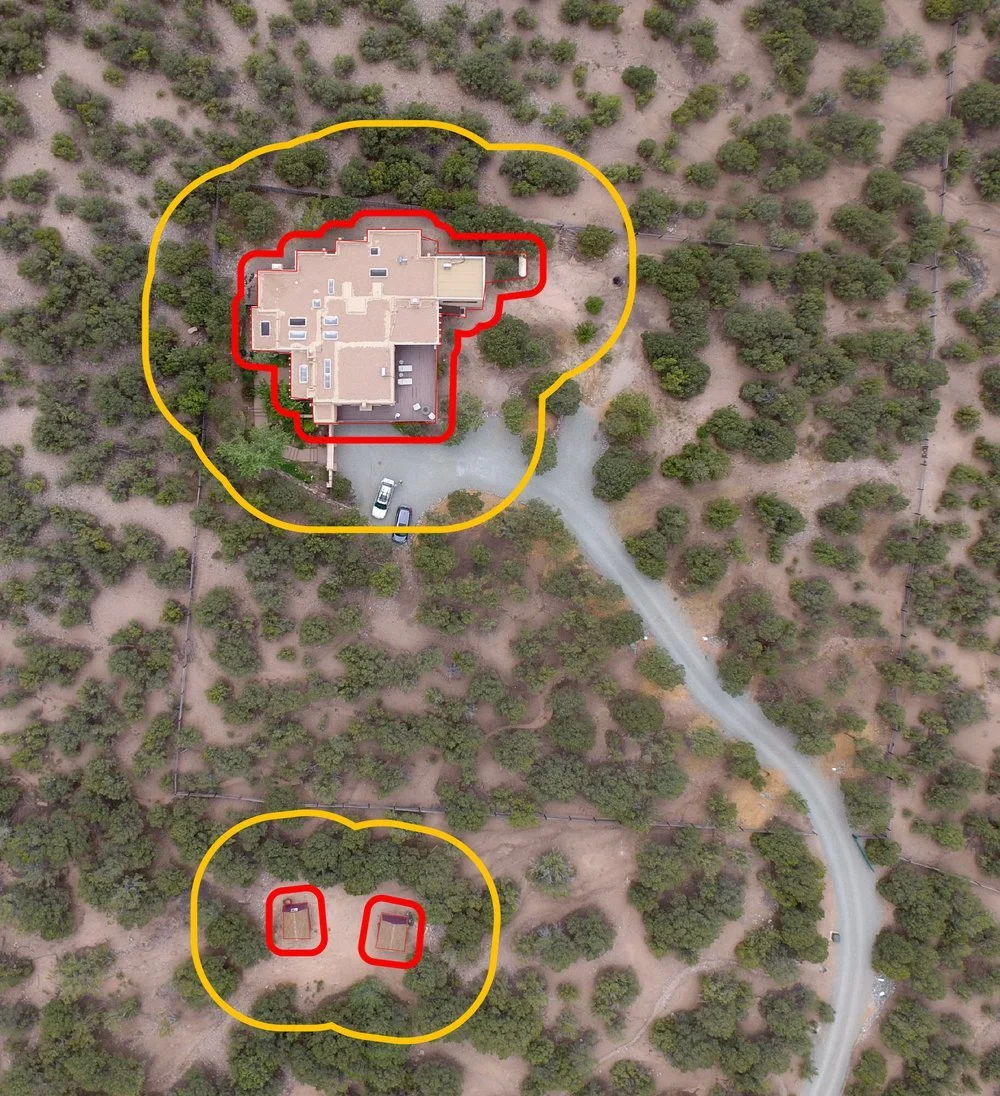
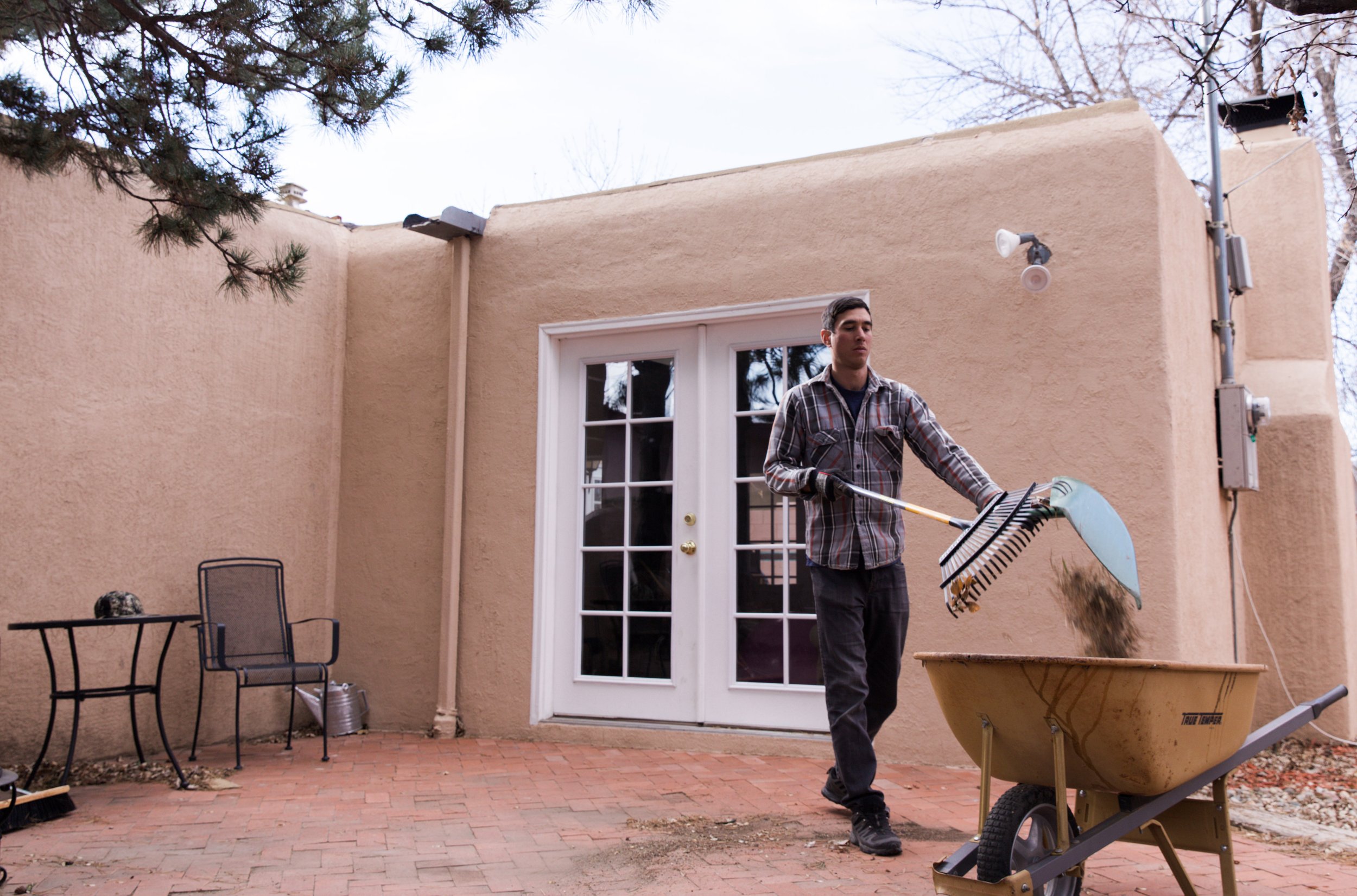
Historically, New Mexico’s fire danger is highest in the spring, when red flag conditions are common. It is important to be prepared before the onset of red flag conditions and reduce your property’s wildfire risk. Taking steps now to harden your home and create defensible space is the best way to reduce the threat of wildfire to you, your family and your community.

This week’s Wildfire Wednesday features information on:

  • Red Flag days

  • Meaningful projects that you can complete in as little as 10 minutes

  • Home Ignition Zone Webinar: Thursday, March 31st at 2pm

  • Upcoming events: Women’s Chainsaw safety workshop

Best,

Gabe

Red Flag Warnings

A Red Flag Warning means warm temperatures, very low humidities, and stronger winds are expected to combine to produce an increased risk of fire danger.  Keep an eye on your local weather or call into your local fire department to learn if a red flag warning is in effect in your area. Follow the National Weather Service’s guidance on red flag days:

 - If you are allowed to burn in your area, all burn barrels must be covered with a weighted metal cover, with holes no larger than 3/4 of an inch.

 - Do not throw cigarettes or matches out of a moving vehicle. They may ignite dry grass on the side of the road and become a wildfire.

 - Extinguish all outdoor fires properly. Drown fires with plenty of water and stir to make sure everything is cold to the touch. Dunk charcoal in water until cold. Do not throw live charcoal on the ground and leave it.

 - Never leave a fire unattended. Sparks or embers can blow into leaves or grass, ignite a fire, and quickly spread.

Improve Fire Outcomes in your Community

Meaningful projects you can complete in as little as 10 minutes

Even small actions can have a big impact on fire outcomes for your home, family and community. Whether you have 10 minutes or 10 hours to dedicate to wildfire preparedness, use that time increase your safety, strengthen community resilience and improve fire outcomes. Not sure where to start? Click here to review this list of project ideas from the national Fire Adapted Communities learning network!

Home Ignition Zone webinar: Tomorrow at 2pm!

Click here to register for Zoom, or tune in live on the FACNM Facebook live page.

In this 60 minute webinar, Megan Fitzgerald-McGowan of the National Fire Protection Association will show you how to prepare your home for fire season. Research has shown that there are simple and easy actions you can take in the areas closest to your home to drastically lessen the chances of it catching fire in a wildfire. Tune-in to learn about the Home Ignition Zones and find out what you can do! Register now to attend the webinar via Zoom, or tune in on the FACNM Facebook live page.

Upcoming Events

Women’s Chainsaw Safety Fundamentals

April 30th - May 1st in Chama, NM

If you don’t typically use a chainsaw, have a healthy fear of them, or are not sure you’re up for handling one, then this course is designed for you! It’s also for women with experience who might like to brush up on safety skills and build extra confidence in a supportive group of fellow female land stewards. The first day will cover most of the content and include hands-on practice, and the second day will provide additional opportunities to build proficiency.

Click here to learn more!

Wildfire Wednesdays #81: Fuel Reduction Treatments

Happy Wednesday Fireshed community!

We hope you’re enjoying the first glimpses of spring and have been taking some time to prepare your home and property for fire season (you can visit our resident resources page to learn what steps you can take now). Forestry and fire science are constantly evolving fields as new research provides insight into best practices and climate change projections. We wanted to share with you some new scientific research that will inform forest management and restoration decisions made in our region.

This week’s Wildfire Wednesday features information on:

  • Overview of fuel treatment effectiveness

  • Updates on new fuels-reduction research

  • Upcoming webinar series of interest: Science You Can Use

Best,

Liz


Overview of fuel treatment effectiveness

What are fuel reduction treatments?

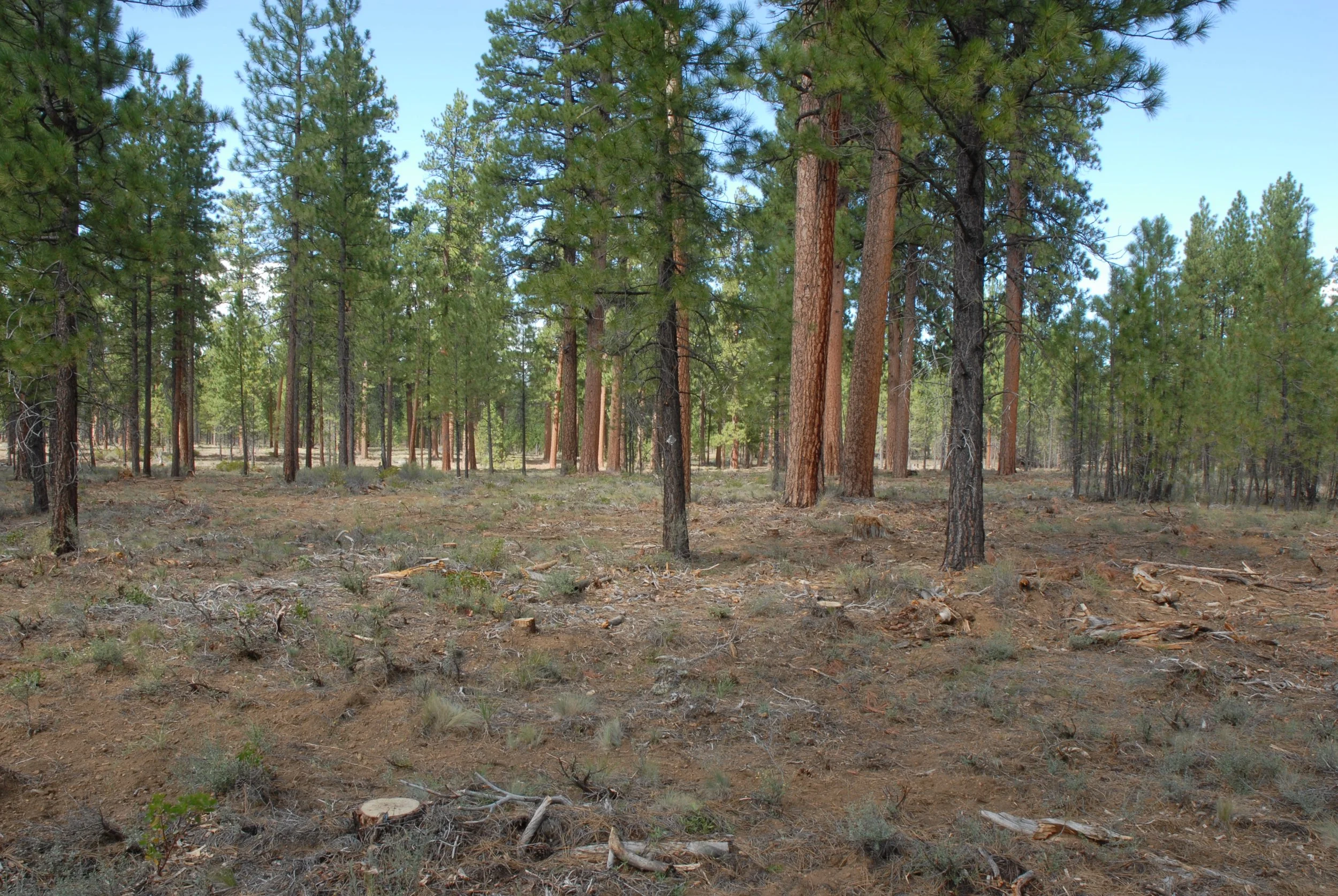
Photo credit: Deschutes National Forest

A fuel reduction treatment is a carefully selected treatment to “help reduce and rearrange the amount and continuity of fuel within a forest stand and across the landscape”. These treatments can include “thinning, prescribed burning, pruning, and mechanical understory treatments, such as mastication or mowing” and often include a combination of these treatments. These treatments reduce and rearrange surface fuels, increase the vertical and horizontal distance between tree crowns, retain large-trees, and promote fire-adapted forests while retaining wildlife habitat (OSU extension).

What do we know about fuel reduction treatments?

Through both on-the-ground wildfire and modeling, there is a scientific consensus that fuel reduction treatments have the ability to change fire behavior. Certain treatments, such as thinning and leaving behind slash, can actually create more extreme fire behavior, whereas other treatments, like thinning and surface fuels reduction, can moderate fire behavior. A 2016 meta-analysis of 56 studies concluded that thinning followed by burning treatments had positive effects in terms of reducing fire severity, tree mortality, and crown scorch. Fuel reduction treatments are an important component in protecting the wildland urban interface (WUI). Thinning and fuel breaks can modify fire behavior and protect homes and values at risk and also provide a safer environment for firefighters to protect resources. Fuel reduction treatments, and particularly prescribed fires, are critical to combat the increased frequency, size and severity of wildfires that we’ve experienced in recent decades.

This summary was based off the “Fuel treatment effectiveness” memo from the Forest Stewards Guild written by Dr. Zander Evans.


New fuel-reduction literature

Landscape-scale forest restoration decreases vulnerability to drought mortality under climate change in southwest USA ponderosa forest

“Drought-induced tree mortality is predicted to increase in dry forests across the globe as future projections show hotter, drier climates. This could potentially result in large-scale tree die-offs, changes in species composition, and loss of forest ecosystem services, including carbon storage. While some studies have found that forest stands with greater basal areas (BA) have higher drought mortality, many have not evaluated the extent to which forests restored to lower densities via restoration activities affect drought mortality. The southwestern USA is particularly susceptible to tree mortality due to the predicted increases in temperature, drier soils, and forests with high density.” This paper examined the modeled effect of ponderosa pine mortality in response to a landscape-scale forest restoration project in northern Arizona (Four Forests Restoration Initiative). The results from this paper indicate that forest restoration projects have the potential to mitigate the effects of climate change and subsequent tree mortality.

Highlights:

• Dry western US forests are at risk of large-scale tree die-offs due to hot-drought.

• We modeled forest restoration effects on future ponderosa pine drought mortality.

• Without thinning, mortality will increase 45–57% over current rates by mid-century.

• With thinning, mid-century mortality rates remain near or below contemporary rates.

• Lower tree density can mitigate the effects of climate change on drought mortality.

click here to read

Effectiveness of fuel treatments at the landscape scale: State of understanding and key research gaps

This literature review synthesized 127 studies related to landscape-scale fueld treatment effectiveness in North American ecosystems. This summary “generally provided evidence that fuel treatments reduced negative outcomes of wildfire and in some cases promoted beneficial wildfire outcomes, although these effects diminished over time following treatment and were influenced by factors such as weather conditions at the time of fire. The simulation studies showed that fuel treatment extent, size, placement, timing, and prescription influenced the degree of effectiveness. Empirical studies, though limited in scope, provided evidence that fuel treatments were effective at reducing the rate of spread, progression, extent, or severity of actual wildfires both within and outside of treated areas. Case studies documented outcomes of specific wildfire events and contained managers’ evaluations of fuel treatment effectiveness. Across the three study types, the importance of treating multiple strata to reduce fuels contributing to fire spread and severity was emphasized. Fuel treatments contributed to fire suppression efforts by reducing costs and facilitating suppression activities such as fireline construction.”

Objectives:

  • Evaluate the extent to which landscape fuel treatments:

    • Mitigate adverse effects of wildfire.

    • Provide opportunities to manage fire for beneficial effects of wildfire.

    • Provide opportunities for cost efficient fire suppression strategies and maximize firefighter safety.

    • Provide results to inform future fuel treatment planning.

  • Identify research gaps.

click here to read

Science You Can Use Spring 2022 Webinar Series

“Join us for the Spring 2022 Science You Can Use webinar series featuring seven land-manager focused webinars presented by Rocky Mountain Research Station scientists and collaborators. These one-hour sessions will begin with concise presentations followed by Q&A and discussion. Webinars will be hosted on Zoom. Recordings will be posted on this page as soon as they are available.”

Upcoming webinars:

  • March 30, 10:00 - 11:00 MT

    Recent Megafires Provide a Tipping Point for Desertification of Conifer Ecosystems

  • April 6, 10:00 - 11:00 MT

    Accounting for the Benefits of Public Lands

  • April 13, 10:00 - 11:00 MT

    Effects of Forest Management and Climate Scenarios on Biodiversity in the Sierra Nevada Mountains

  • April 20, 10:00 - 11:00 MT

    Effective Communication about Wildfire Management:  Observations from 20 years of fire social science research

click here to learn more

WILDFIRE WEDNESDAYS #80: Home Hazard Assessment

Happy Wednesday fireshed community!

It’s March, and with the warmer weather comes windy and dry conditions that can lead to an early fire season. In Northern New Mexico, some fire restrictions have already been put in place which is a good reminder that wildfire preparedness is year-round. Now is a great time of year to take care of some things around your home and property to prepare for wildfire season, check out the resources below to learn how!

This Wildfire Wednesday features information on:

  • Home Hazard Assessment Guide & Worksheet

  • Firewise USA Community Wildfire Risk Assessment Tutorial

  • "How To Prepare for Wildfire Season in New Mexico 2022“ Webinar Series

  • Home Ignition Zone Webinar

Best,

Liz


Home Hazard Assessment Guide & Worksheet

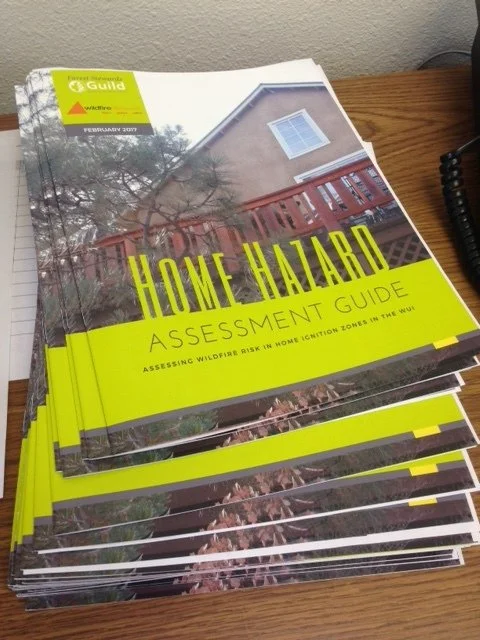
The prospect of preparing your home for fire season can seem overwhelming, since planning for any disaster means imaging the worst. So, to get started the best thing to do is to create a plan and then begin with the easiest tasks. To assist in making a plan we’d like to present the Home Hazard Assessment Guide. With this guide and the accompanying worksheet you can assess the areas of your home that could use improvement and then keep track as you work to improve them. This short guide covers all the areas that you might be concerned about that might cause your home to ignite. This guide provides homeowners with tools to assess your home's wildfire risk and prioritizes actions you can take to reduce that risk. The assessment worksheet included with this guide is intended to help you understand your risk and where vulnerabilities on your property may lie. Every home is different in terms of wildfire risk and hazards. The goal for this worksheet is not to get a hazard rating of zero, but simply to address certain vulnerabilities that present a wildfire risk to your home. Where you choose to reduce risk on your property is specific to your property's unique features. Start by inquiring with your local fire department about wildfire risk in your area. Your community may have a Community Wildfire Protection Plan (CWPP) which will provide you with a CWPP ranking and recommendations for reducing risk in your community.

home hazard guide
home hazard worksheet (to be used with guide)

Firewise USA Community Wildfire Risk Assessment Tutorial

The Community Wildfire Risk Assessment Tutorial from Firewise provides an overview of the wildfire risk assessment process. You will learn how to evaluate your community’s strengths and vulnerabilities to wildfire as well as use that knowledge to inform your assessment.

Upon completion of this tutorial, you should be able to:

  • Identify environmental features that impact ignition resistance in a wildfire

  • Using environmental features observations, record findings in the Firewise USA® Community Wildfire Risk Assessment template, and

  • Use recorded findings to draft a multi-year action plan to reduce site risk from wildfire

click here to watch the tutorial

How To Prepare for Wildfire Season in New Mexico 2022 Webinar Series

Each Thursday in March NMSU Extension Forest and Fire Specialist Doug Cram is presenting the “Learning to Live with Fire: How to Prepare for Wildfire Season in New Mexico 2022” Free Extension Webinar Series.

Schedule:

  • March 3rd: Wildfire! You have 5 minutes to evacuate. What should I do?

  • March 10th: Proactive steps for individual and family preparedness.

  • March 17th: Steps to safeguard your home, yard, and neighborhood.

  • March 24th: Farm and ranch considerations

  • March 31st: Post-fire response.

click here to learn more and register

Home Ignition Zone Webinar

In this 60 minute webinar, Megan Fitzgerald-McGowan of the National Fire Protection Association will show you how to prepare your home for fire season. Research has shown that there are simple and easy actions you can take in the areas closest to your home to drastically lessen the chances of it catching fire in a wildfire. Tune-in to learn about the Home Ignition Zones and find out what you can do! Register now to attend the webinar via Zoom, or tune in on the FACNM Facebook live page.

click here to register

Wildfire Wednesdays #79: Biochar

Happy Wednesday Fireshed community,

We hope you’re doing well and enjoyed the slightly warmer weather we’ve had across northern New Mexico! Biochar may be a term you’ve heard recently as its use is becoming increasingly popular. Today we’re sharing some background information on biochar as well as some resources for land managers and land owners on how to utilize this resource!

Today’s Wildfire Wednesday features:

  • Background on Biochar

  • Webinars on biochar topics

  • Upcoming biochar workshops

Additionally:

  • How to Prepare for Wildfire Season in New Mexico 2022 Free Extension Webinar Series

  • Fire & Ice: success story on collaborative prescribed burning

  • Hiring announcement: Wildland Coordinator and Wildland Firefighters

Best,
Liz


Background on Biochar

What is biochar?

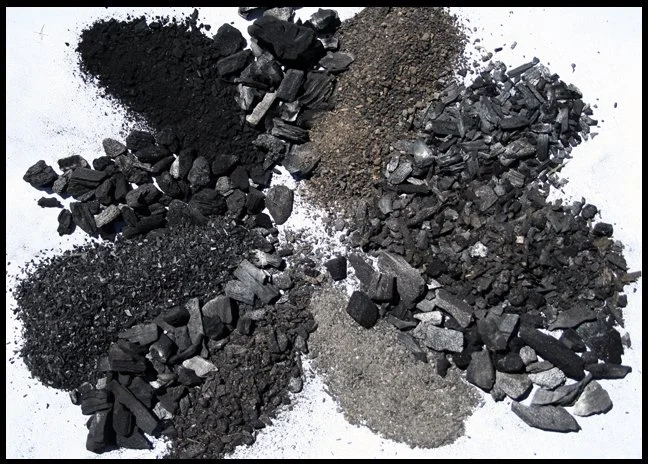
“Biochar is a charcoal-like material that is produced from plant materials such as grass, agricultural and forest residues that are decomposed at high temperatures, often during renewable energy production. During the process, the physical and chemical properties of the plant material change into a highly porous, stable, carbon-rich material known as biochar. Recent research suggests it has the potential to be used as a soil conditioner and as a container substrate amendment in agriculture and horticulture, and it may improve several soil and substrate physical, chemical and biological properties. (What is Biochar and How Different Biochars Can Improve Your Crops)”

Uses for biochar:

“The carbon component in biochar is relatively stable, and, hence, biochar was originally proposed as a soil amendment to store carbon in the soil. Biochar has multifunctional values that include the use of it for the following purposes: soil amendment to improve soil health, nutrient and microbial carrier, immobilising agent for remediation of toxic metals and organic contaminants in soil and water, catalyst for industrial applications, porous material for mitigating greenhouse gas emissions and odorous compounds, and feed supplement to improve animal health and nutrient intake efficiency and, thus, productivity. (Multifunctional applications of biochar beyond carbon storage)”

Click on any of the resources below to learn more:


Webinars on biochar topics

Biochar Workshop Part 1: How to Make Biochar

Watch the whole day of the Biochar Workshop led by Bob Wells, soil scientist Jon Nilsson and Patryk Battle. Learn how to make biochar and its many beneficial uses including greatly enhancing soil life and fertility. Discover innovative ways to maximize its uses for dynamically carbon negative farming and gardening. Visit our website for workshops and many free resources for growing food organically at http://www.livingwebfarms.org

The webinars below come from the Biochar Market Opportunities Webinar Series by Dovetail Partners

Biochar Use in Viticulture:

Biochar has been successfully used in viticulture to boost productivity through improved plant and soil health without negative effects to the grape or wine flavor. Learn about biochar’s potential, including how biochar is being used and can solve problems, during this webinar. Information provided will be applicable for biochar producers, users, practitioners, and investors.

Biochar Use with Livestock and Poultry

This Biochar Use with Livestock and Poultry webinar includes topics on biochar’s potential and how biochar is being used to solve problems. Information provided is applicable for biochar producers, users, practitioners, and investors.

Biochar Use in Stormwater Management

Over the last decade biochar has begun to play an ever-expanding role in managing and decontaminating stormwater. Learn about biochar's potential, including how biochar is being used and can solve problems, during this webinar.


Upcoming Biochar Workshops

COME LEARN ABOUT BIOCHAR!

“Biochar is an important emerging tool for productively dealing with organic wastes such as thinned woods, giving land stewards additional options for mitigating fire risk. Additionally, biochar can be used as an organic amendment that can help build productivity and is aligned with the healthy soil principles according to the NRCS.

In this workshop, attendees will *ideally* watch and participate in a biochar kiln burn led by Preston Englant. Weather conditions the day of the workshop will determine if a burn is possible, but attendees will participate in the preparation of a biochar kiln and review safety precautions and process either way. A good resource on biochar is Kelpie Wilson’s YouTube channel.

Workshop attendees will be provided with a workbook of instructions and considerations for making biochar in the southwest, and may have access to biochar kilns to borrow through the Quivira Coalition for conducting their own burns. Our hope is to establish a network of technical service providers who can supervise burns in New Mexico. This workshop is free to attend. Please bring your lunch. There will be some snacks and extra water.”

CLICK HERE TO REGISTER

How to Prepare for Wildfire Season in New Mexico 2022 Free Extension Webinar Series

Learn more

Fire & Ice: success story on collaborative prescribed burning

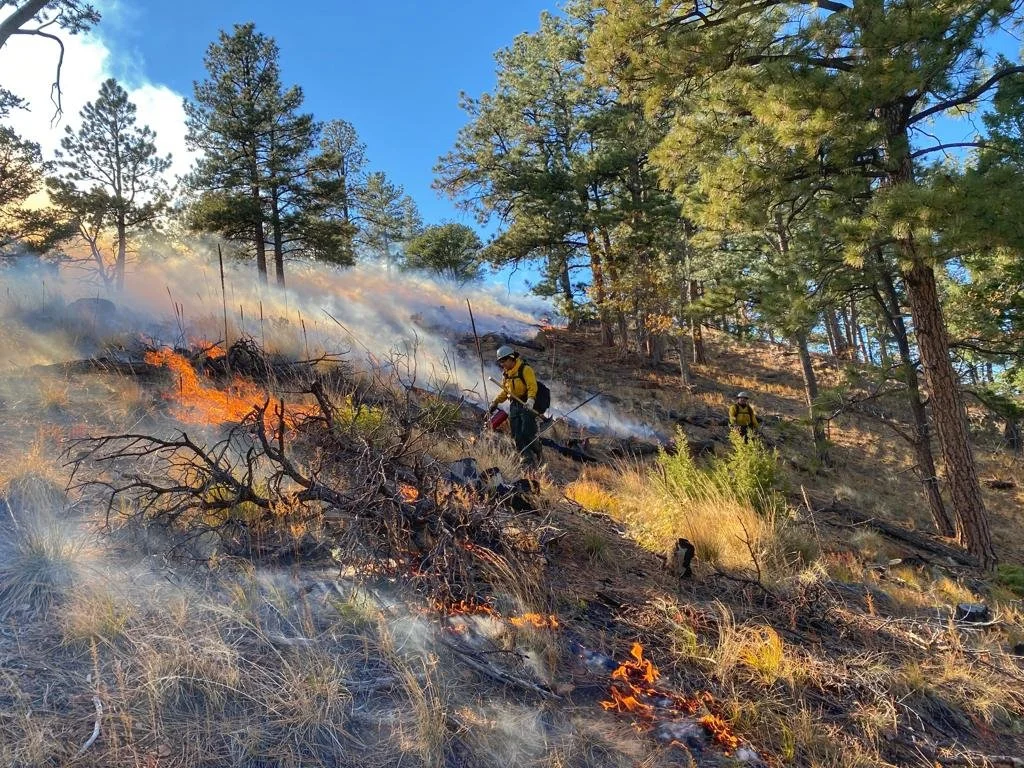
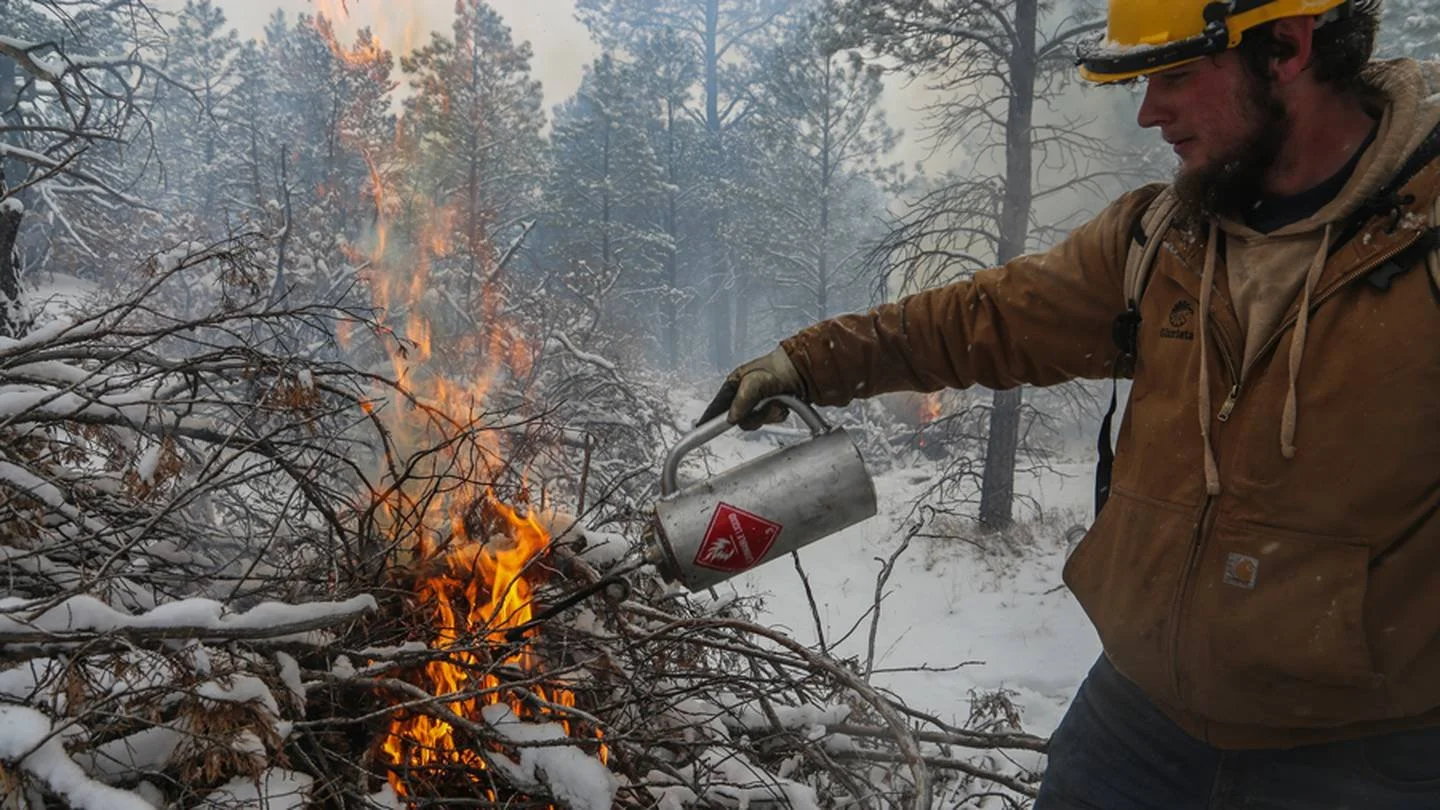
“While schools and government offices closed due to the snow, a fire crew saw a perfect opportunity to eliminate hazardous fuels. The Forest Stewards Guild on Wednesday led a team to burn hundreds of piles on Glorieta Adventure Camp’s property to minimize the potential for high-severity fire events.

(Source: William Melhado)

Dangerous and unhealthy fires—the consequence of suppression efforts by the Forest Service up until the 1970s—pose a threat to communities and ecosystems given the buildup of hazardous fuels and dense landscapes, advocates of controlled burns say. Along with forest thinning, prescribed burns reduce the danger communities face in the event of a large fire, which would pollute water sources and significantly disrupt the ecosystem.”

While the Forest Service can burn on private land, it’s easier for organizations like the Forest Stewards Guild to coordinate prescribed burns with landowners, explains Gabe Kohler, southwest program manager. ‘We use our crew to get some of those private land chunks done, but we also try and use it to demystify fire,’ Kohler tells SFR. Through hands-on training and a youth program, Kohler hopes to ‘get folks out here and show people, ‘You can do this.’ A private landowner could, with 10 guys, come out here and do a lot of good stuff,’ he says.”

Click here to read the full story from the Santa Fe Reporter


Hiring announcement: Wildland Coordinator and Wildland Firefighters

From the Angel Fire Fire Department:

We are hiring!  Seeking an experienced Wildland Coordinator and an additional 3 Wildland Firefighters.  Please see attached job descriptions.  Hourly rate dependent on experience and training.

The Wildland Coordinator can be full time or part-time (subject to the candidate/experience), and the wildland firefighters can go to work immediately doing slash burning until the fire season begins.  We do intend to be deployable in and out of state in 2022.

For more information please contact Chief Henson directly @ khenson@angelfirenm.gov.