Wildfire Wednesdays #78: New Mexico Fire Round-Up

Hello Fireshed community!

We hope you stay safe and warm this week with the upcoming storm. While we may not always love the cold and snow, the moisture is great for the forest and creates optimal conditions for safe pile burning, a form of prescribed fire. Make sure to check out (or subscribe!) to the New Mexico Fire Information webpage to learn about upcoming prescribed fires. If you have concerns about smoke from fires near you, visit our Smoke & HEPA Filter Loan Program page to learn about what you can do to remain healthy during times of smoke. There has been a lot going on this season related to fire in New Mexico and we wanted to share with you some important and useful updates!

This Wildfire Wednesday features information on:

  • Recent prescribed fires in NM

  • Funding opportunities

  • Updates to the New Mexico Vegetation Treatment Database

  • The upcoming Women Owning Woodlands virtual conference

Best,

Liz


Recent prescribed fires in NM

Pacheco Canyon pile burn
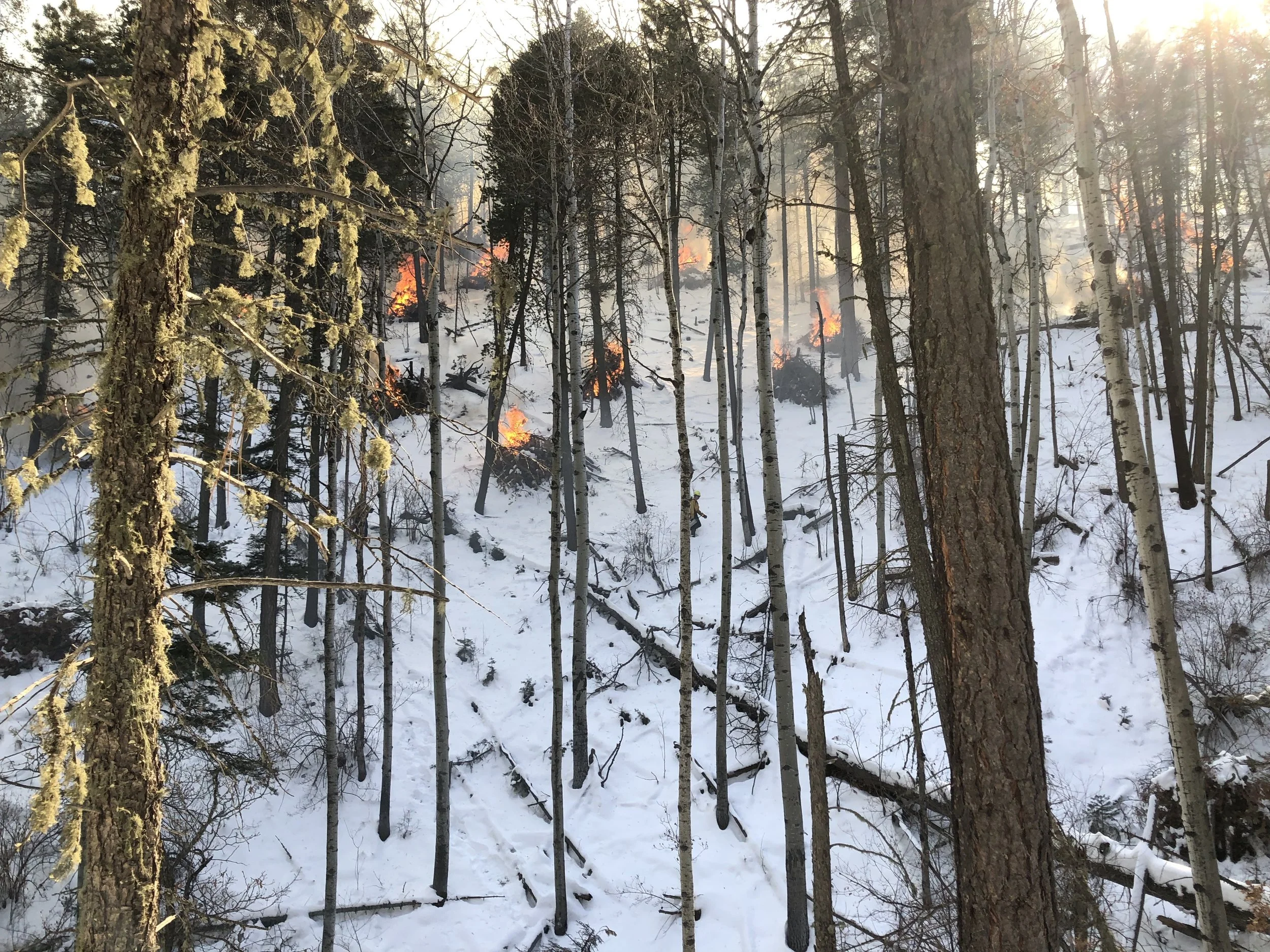
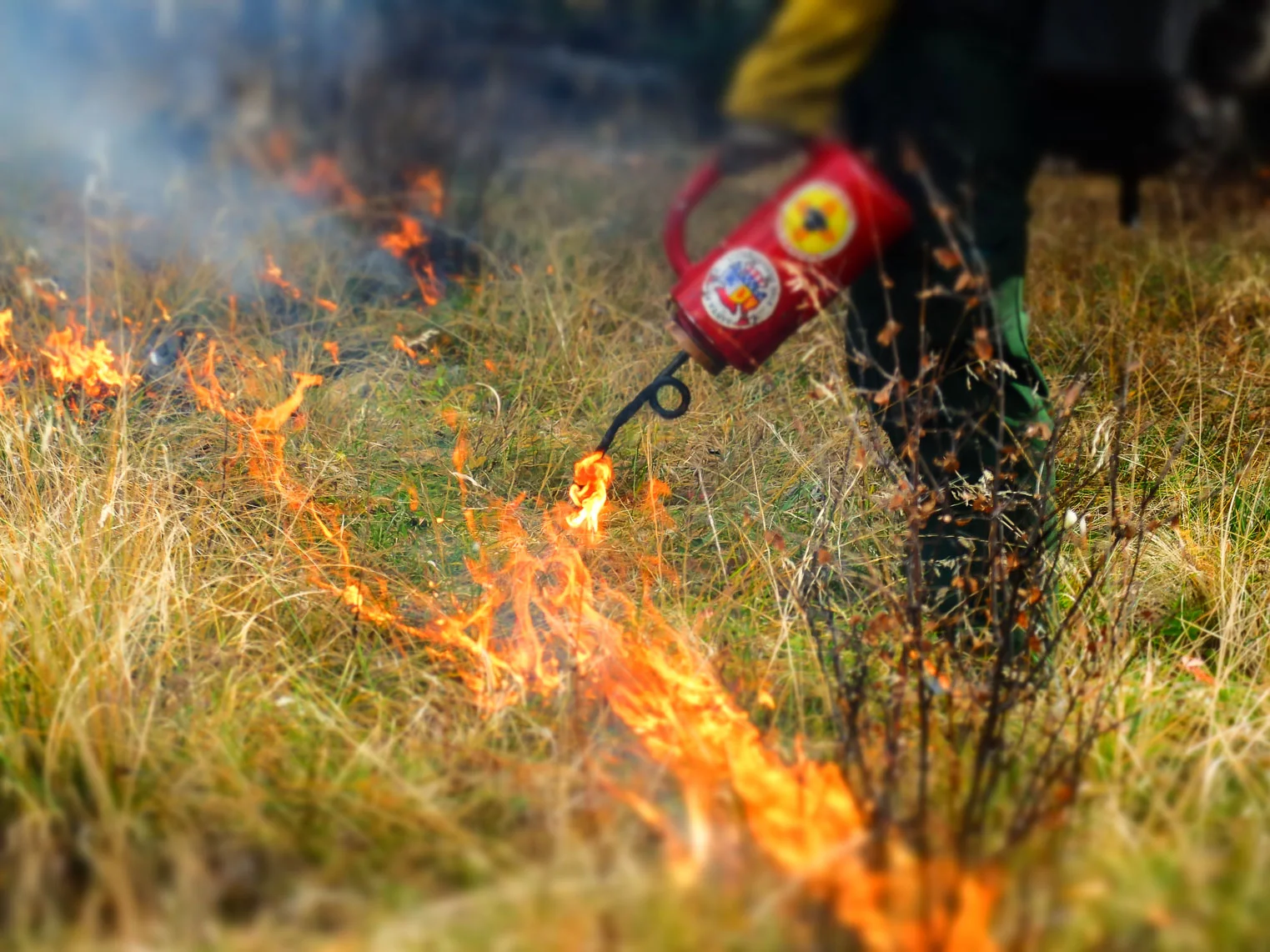
Liz Bailey of the Forest Stewards Guild walks away after lighting a pile during the Pacheco Canyon prescribed fire.

From the Forest Service News Release: “The recent prescribed pile burn in Pacheco Canyon on the Santa Fe National Forest (SFNF) 7 miles northeast of Santa Fe was a great example of shared stewardship across ownership boundaries to reduce wildfire risk and protect communities and other assets in the wildland-urban interface (WUI), SFNF Supervisor Debbie Cress said today.

Crews completed a total of 443 acres of piles of slash and woody debris on Forest Service lands and another 111 acres on the Pueblo of Tesuque’s Vigil Grant. The two prescribed pile burns were implemented by the SFNF, Pueblo of Tesuque, Pueblo of Santa Clara, New Mexico Forestry Division, Santa Fe County Fire Department, City of Santa Fe Fire Department and the All-Hands All-Lands Burn Team, a collaboration by Forest Stewards Guild, The Nature Conservancy and Rio Grande Water Fund, with additional support from the Carson National Forest.”

Read more the rest of the press release by clicking here

Coyote Ranger District pile burn
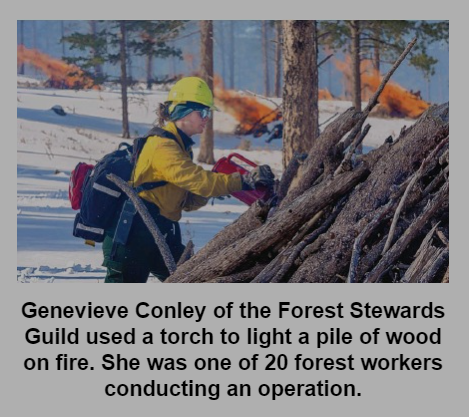
Clip from the Albuquerque Journal’s “A friendly forest fire” article.

Visit this article, “A friendly forest fire” from the Albuquerque Journal to learn more about the pile burns that are happening across the Santa Fe National Forest this winter.

“Forest Service workers as well as others spend much of the spring trimming or cutting down trees and making huge piles of wood. Then, when there is enough snow to prevent a fire from creeping around on the forest floor, they light the piles.”


Funding opportunities

Wildfire Risk Reduction Program for Rural Communities

Background: The New Mexico Association of Counties is pleased to announce the 2022-2023 Wildfire Risk Reduction Program for Rural Communities that assists at-risk communities throughout New Mexico in reducing their risk from wildland fire on non-federal lands.

Grant funding categories include:

  • CWPP Updates up to $20,000/project

  • Education and Outreach Activities up to $15,000/project

  • Hazardous Fuels Reduction Projects up to $75,000/project

Eligibility: Eligible applicants must be a county government or municipality, a 501(c)(3) organization in New Mexico, a statutorily recognized political subdivision such as a Soil & Water Conservation District, or a Native American tribe working on behalf of one or more communities at risk of wildfires in New Mexico.

Deadline: March 7, 2022

click here to learn more about the wildfire risk reduction program for rural communities

AIM Program Grant

Background: This funding opportunity is open to organizations working to advance wildfire risk reduction. The AIM grant is available for a wide variety of capacity-building activities, including personnel, planning efforts and wildfire risk reduction work on non-federal lands. Coalitions and Collaboratives Inc. (COCO) funds organizations across the country with a focus on programs and projects that increase communities’ ability to overcome barriers to successful community wildfire mitigation, multiplies the efforts, achieves quantifiable outcomes, supports equitable and inclusive community wildfire mitigation programs across the fence, and supports place-based solutions.

Eligibility: The organization must have a nonprofit (501c3) status or have a nonprofit or local government fiscal sponsor that may include:

  • Conservation District

  • Regional and local collaborative efforts

  • Fire Safe Councils and/or Wildfire Councils

  • Non-profit groups that promote hazardous forest fuel reduction treatment projects in partnership with local, state or private entities

  • Fire departments

  • Tribes

  • City or county government

Deadline: February 18, 2022

click here to learn more about aim program grants

Updates to the New Mexico Vegetation Treatment database

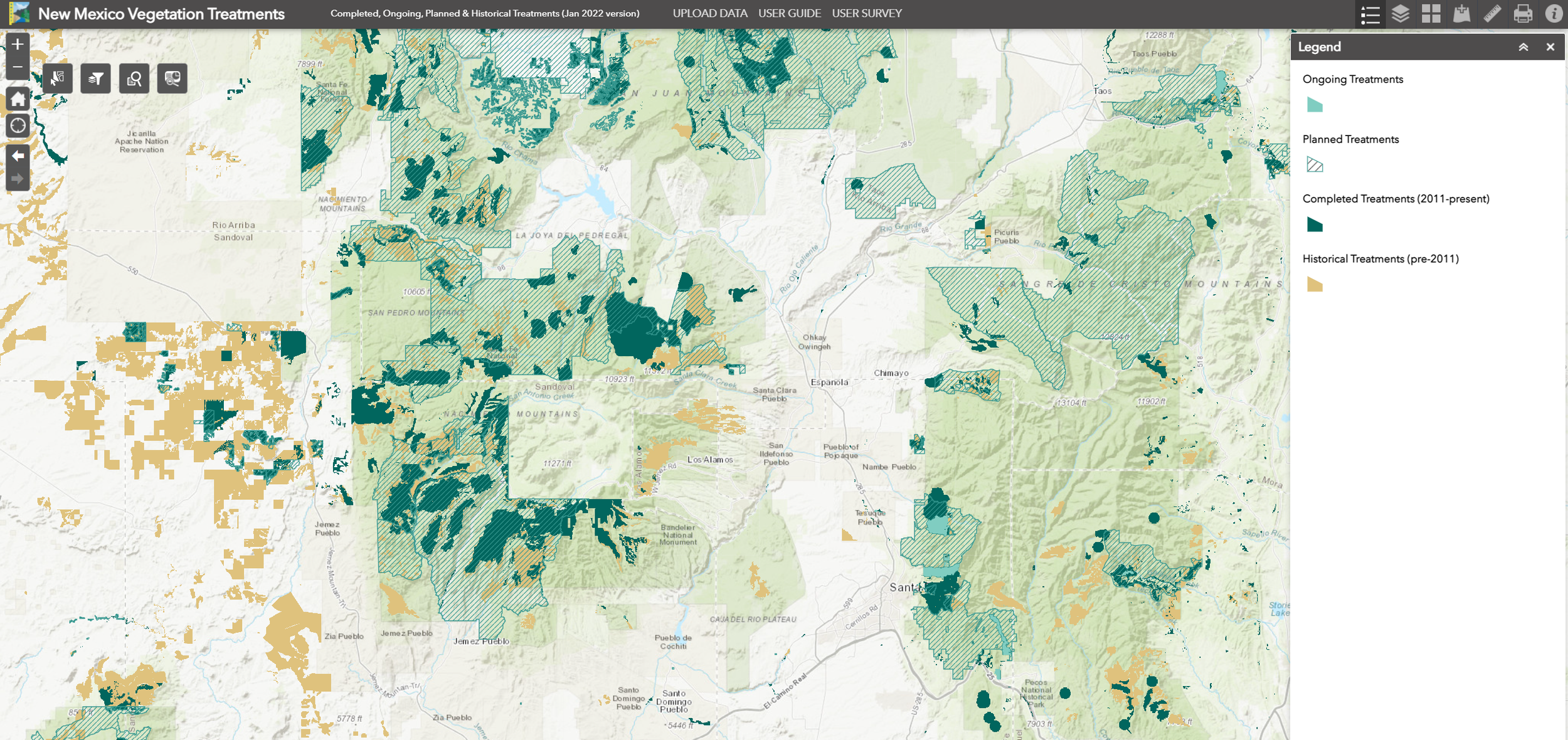
The New Mexico Vegetation Treatments database has recently been updated with new planned, in progress, and completed projects from USFS, NM State Forestry, NM Shared Stewardship Portal, and Taos Pueblo DNR. The NM Vegetation Treatment geodatabase was created by the New Mexico Forest and Watershed Restoration Institute (NMFWRI) for the Forest and Watershed Health Coordinating Group. If you’re interested in learning about what vegetation treatments have been completed or are upcoming in a certain area and increasing your awareness of efforts to improve forests and watershed in New Mexico, this is a very valuable tool.

Women Owning Woodlands virtual conference

In March 2022, the National Women Owning Woodlands (WOW) Network is hosting a Virtual Conference for women woodland owners, stewards, and enthusiasts. Join women forest stewards from across the country for a conference focused on forging connections between women and forest stewardship. Click here to learn more
Wildfire Wednesdays #77: Women in Fire

Hello Fireshed community,

We hope you’ve been staying warm and healthy! This week we are focusing on a growing subset of the fire workforce. Women currently make up less than 10% of fire professionals and bring valuable skills and perspectives to the field while facing certain challenges that their male counterparts may not experience.

This week’s Wildfire Wednesday features information on:

  • History of women in fire

  • Identifying & overcoming challenges for women working in fire

  • Resources for women in fire

  • Female fire professional spotlight: Sarah DeMay

  • Upcoming webinars of interest: Using Biochar Series

Best,

Liz


History of women in fire

The majority of women in the fire service will remain unknown, their names lost to history.

1818

Women have been fighting fires in the US for over two centuries. The first account of a female firefighter was Molly Williams who was a member of the Oceanus Engine Company #11 and fought fires until she was in her seventies. Molly was a former slave and it is unclear whether her “volunteer” work as a firefighter was entirely of her own volition as her former enslaver was also a volunteer firefighter for Oceanus 11. Her involvement in fire began by cleaning the firehouse and tending to the firefighters but in 1818 when many of the men were bedridden with illness, Molly picked up a pumper and began to put out fires herself.

1836

Lillie Hitchcock Coit was just 15 years old in San Francisco when she helped pull the Knickerbocker Fire Engine Company No. 5 up a slope to get to a fire on Telegraph Hill. She was made an honorary member of the Knickerbocker Company and attended most of the fires for the engine company until she was married. When Lillie died in 1929 she left a third of her inheritance to the City of San Francisco and the money was used to build Coit Tower on top of Telegraph Hill.

1940’s

During World War II many women in the US volunteered for the fire service to take the place of men who had been called into the military. In 1942, the Forest Fire Fighters Service (FFFS) was created which consolidated resources to recruit and train residents of forested areas to serve in a fire capacity. Women eagerly volunteered for the FFFS, one mother of a solider said, “I can swing an ax with most men, and if those Russian women can shoulder rifles and march with their men, I guess I can eat smoke here in this forest where I've lived all my life."

1960’s

The first all-women volunteer fire companies were established in King County, California and Woodbine, Texas. In King County, these female crews provided firefighting and first-aid services during the day when male volunteers were unavailable. The women in Woodbine formed their own volunteer fire department due to a lack of services available in their town, they hosted raffles and bake sales to raise money to buy a 1942 Ford pumper and receive training.

1971

The first women known to be paid for fire suppression were on wildland firefighting crews for the Forest Service and Bureau of Land Management. In 1971 in Alaska one woman applied to work for a BLM crew, the agency agreed that she could work as long as she recruited 12 other women for the crew. She successfully found 24 women to work on an all-female crew that summer.


Identifying & overcoming challenges for women working in fire

All fire professionals face work-related risks and challenges, however, due to the lower proportion of women in the fire workforce, their specific needs and risks have been typically overlooked in scientific research and fire programs. Research examining firefighting often exclude women from their analyses due to their “small sample size” (Jahnke et al., 2012). Increased research and equipment development focused on the needs and risks for female firefighters is needed.

  • Fire culture (source: Emerging Health and Safety Issues Among Women in the Fire Service).

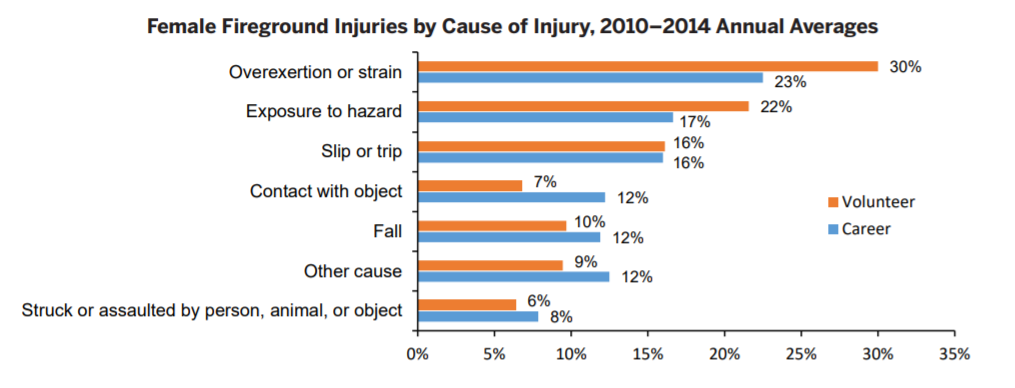
    • “One factor that may contribute to the higher number of injuries among women is a woman firefighter’s resistance to break away from a task and/ or the resistance to ask for help from male counterparts during strenuous tasks. This resistance may stem from the fear of being viewed as weak by their male counterparts. It is important for department leadership to create a culture where women firefighters feel comfortable speaking up about unsafe conditions and are able to ask for help from male counterparts without fear of judgment”

    • “The long-time male-dominated culture of the fire service may lead to barriers for the success of women in the fire service. Male firefighters with negative attitudes toward women being in the fire service can be a barrier for women joining a department and create difficulty in developing a positive work culture... Women firefighters are at risk of higher levels of anxiety, exposure to sexism, lower job association, and higher levels of coworker conflict…Organizations that invest in creating a positive culture can increase job satisfaction and retention in the fire service.”

  • Health concerns (source: Emerging Health and Safety Issues Among Women in the Fire Service)

    • While there has been some indication that occupational exposures might impact reproductive health for female fire-fighters, there has been minimal research conducted to determine the extent to which this may be true.

    • 58% of women surveyed reported that they were given ill-fitting gear, including breathing apparatus face pieces. The majority of gear for firefighting has been designed for male bodies and are not appropriate for female firefighters.

    • “When compared to their male counterparts, women firefighters tended to be younger, more educated, more likely to be single, more likely to use tobacco products, and to have healthier body compositions”

    • The injury rate among women firefighters is 33 percent higher than their male counterparts.


Resources for women in fire


Female fire professional spotlight: Sarah DeMay

Sarah DeMay is an active member of the Women Owning Woodlands (WOW) program as well as a fire professional. Her fire career began shortly after she graduated college when she moved to New Mexico for an internship working with the Fire Ecology program at Bandelier National Monument. Since then, she has taken on many different roles as a fire professional, land steward, and mother. A recent interview with Sarah about her experiences as a fire professional and land steward is featured here on the WOW website.

There are more women in fire now than when I first started out, but women are still in the minority and still experience the inherent challenges within any male-dominated culture. In the early years, I felt like I had to be tougher, stronger, better. I was constantly combating being the “token woman”. Eventually I did break free from this emotional shackle; I was good at my job, confident, respected- but it was not an easy journey to get to this place. I think that the increase in women within the workforce has changed the culture in some very good and enduring ways, including more of an emphasis on emotional health and higher value on skills and education. Despite the extra challenges they face, women who work in wildland fire really want to be there, truly love it, and excel because of this. Women do make fire better.
— Sarah DeMay

Upcoming webinars of interest: Biochar

The Using Biochar Webinar Series has two upcoming webinars remaining in their series. Learn about biochar’s potential in three market sectors, including how biochar is being used and can solve problems. Applicable information for biochar producers, users, practitioners, and investors.

Jan 26: Biochar with Livestock and Poultry
Feb 9: Biochar for Stormwater Management

click here to register

Stewarding the Fireshed

Protecting Our Forest, Community, and Health

Housed within the current and ancestral lands of the Pueblos of Nambe, Tesuque, and other indigenous and traditional communities, the Greater Santa Fe Fireshed represents 107,626 acres of interconnected social and ecological wildfire concerns. The human and natural communities surrounding Santa Fe have been left vulnerable to high-severity wildfire, drought, and ecological disease by climate change and past land mismanagement. A number of studies and risk-modeling efforts have illuminated just how severe the consequences could be if a wildfire raged across the Sangre de Cristo mountains in their current untreated and overly dense condition.

 
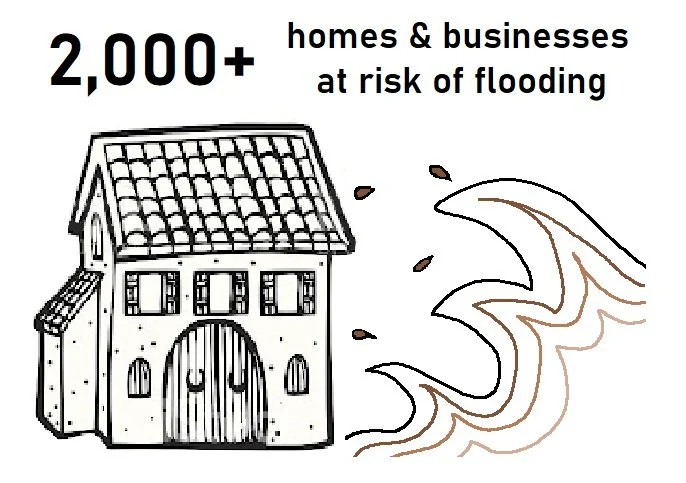
Sketch of puebloan-style building being flooded by brown water with text "2,000+ homes & businesses at risk of flooding"
 
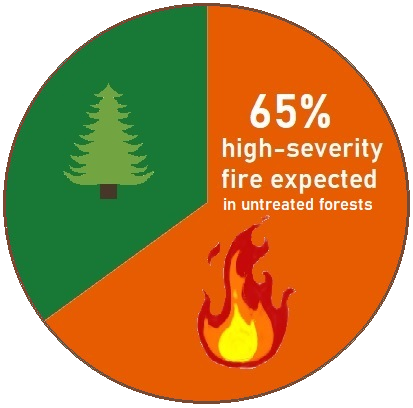
Pie chart infographic displaying high-severity fire expected in 65% of the forest in untreated areas


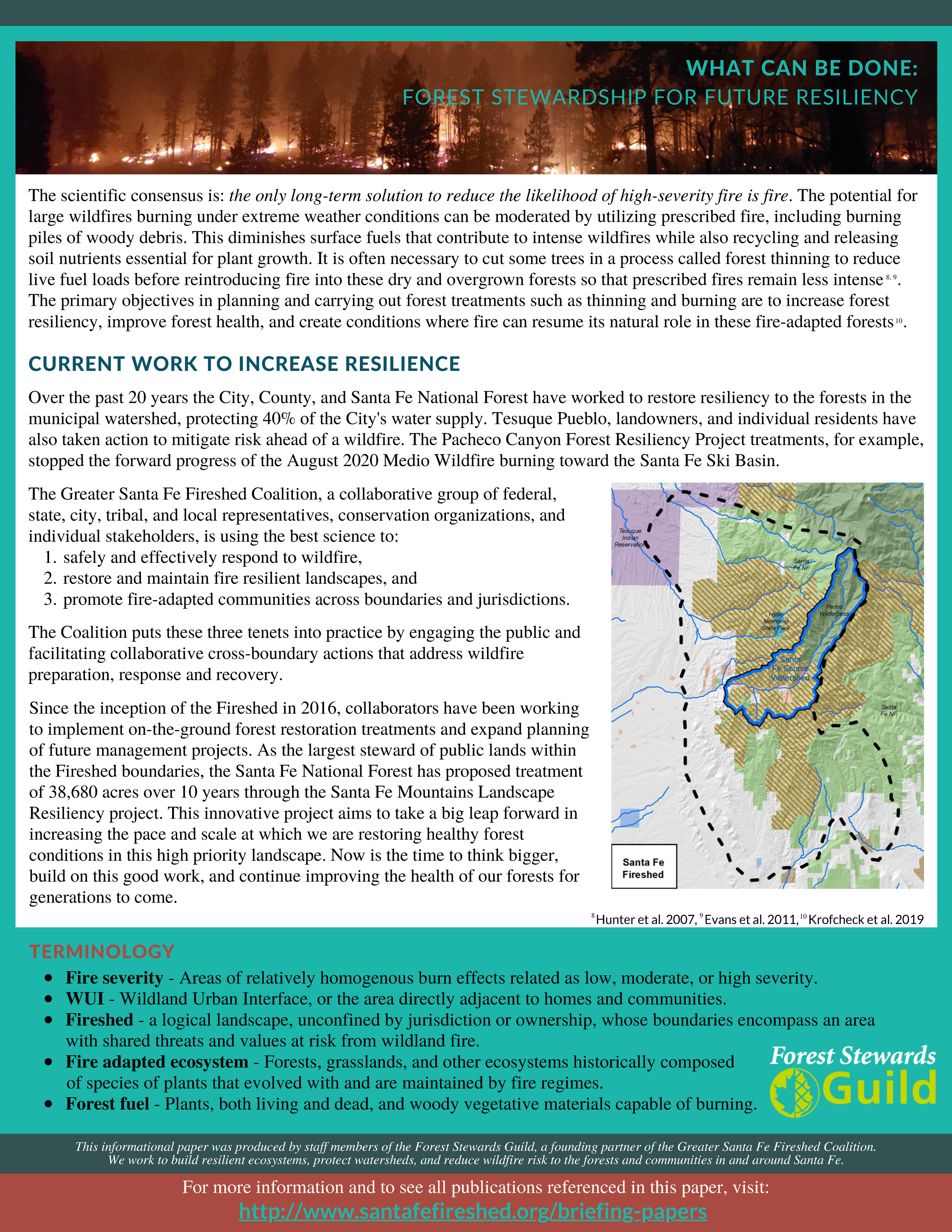
What Can Be Done: Forest Stewardship for Future Resiliency

In an effort to reduce wildfire risk and improve forest resiliency, forest and fire managers now work collaboratively with the community and landowners to put the best available science into practice through forest treatments on this landscape. The primary objectives in planning and carrying out land management treatments such as stream restoration, forest thinning, and prescribed burning are to improve forest health and create conditions where fire can resume its natural beneficial role in these fire-adapted forests.

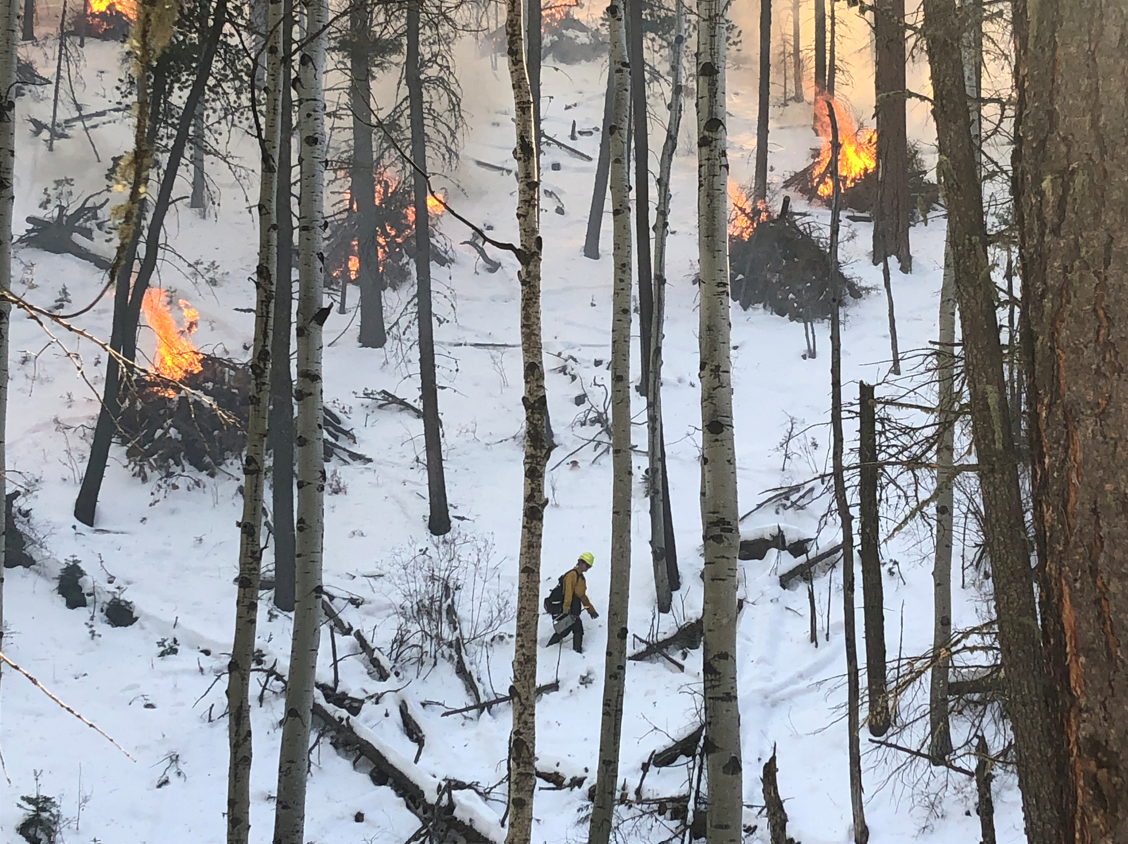
Piled slash burning on a snowy slope in a controlled burn within the Santa Fe municipal watershed
 

Want to Learn More?

A two-page insert was circulated in several December 2021 editions of the Santa Fe Reporter describing the history of this landscape, how and why it has come to be at-risk, and the ways in which the Greater Santa Fe Fireshed Coalition and others are working to improve the well-being of our forests for generations to come. We invite you to revisit this briefing paper to learn more about our collective responsibility and privilege in Stewarding the Fireshed. Click the link below to view all Fireshed Coalition briefing papers and learn more about challenges and opportunities across the landscape.

View all Briefing Papers

Wildfire Wednesdays #76: Resolve to be Ready for Wildfires!

Happy New Year Fireshed community!

We hope you enjoyed the holidays and are excited for the new year. The devastating Marshall fire in northern Colorado the day before New Year’s Eve was a harsh reminder that wildfire preparedness is something to be considered year-round. As you’re forming resolutions for this upcoming year, now is a great time to think about improvements you can make and good habits you can continue to be more prepared for wildfires.

This week’s Wildfire Wednesday features information on:

  • Planning for wildfire

  • Where to additional find resources to learn more and get new ideas

Best,

Liz


Planning for Wildfire

As was the case in the 2018 Camp Fire and the 2021 Marshall Fire, residents sometimes must evacuate with a moment’s notice. The steps you take before the threat of wildfire are critical to your family’s ability to evacuate effectively, protecting your home and property, and ensuring the safety of your neighbors and community. Check out this study published in 2021 examining the factors that influenced the survival or destruction of structures in the 2018 Camp Fire, demonstrating that actions can be taken to increase the likelihood of your home surviving a wildfire. Preparing for wildfire may seem like a daunting task but below are several resources that can serve as planning templates and break down the different stages/aspects of wildfire preparation.

Living with Fire

Since 1997, the Living with Fire Program has provided “recommendations to residents on preparing for wildfire and reducing wildfire threat to homes and communities.” A collaborative effort between “federal, state, local firefighting agencies, and resource management agencies”, the Living with Fire Program provides resources to a variety of individuals in addition to their community events and peer-reviewed publications. Their website includes a plethora of resources for different stages of wildfire preparedness planning such as: fire hazard assessments, improving defensible space, creating an evacuation plan, and more.

visit the living with fire website

Ready, Set, Go!

Cal Fire provides a great resource for wildfire preparedness plans and action items. Their Ready, Set, Go! Campaign emphasizes the different stages of wildfire evacuations and preparation:

  • Be Ready: Create and maintain defensible space and harden your home against flying embers.

  • Get Set: Prepare your family and home ahead of time for the possibility of having to evacuate. Ensure you have a plan of what to take and where to go – evacuation plans will be different this year due to COVID-19. Ask friends or relatives outside your area if you would be able to stay with them, should the need arise. If you do need to evacuate and plan to stay with friends or relatives, ask first if they have symptoms of COVID-19 or have people in their home at higher risk for serious illness. If that is the case, make other arrangements. Check with hotels, motels and campgrounds to learn if they are open. Also get set by learning about your community’s response plan for each disaster and determine if these plans have been adapted because of COVID-19.

  • Be Ready to GO!: When wildfire strikes, go early for your safety. Take the evacuation steps necessary to give your family and home the best chance of surviving a wildfire.

Even though the video below and resources above were designed for California residents, the lessons are applicable across the Western US.

visit cal fire's website to learn more

Ready.gov

The “wildfires” section of the Ready.gov website has some practical and important advice to make your life easier during an evacuation, such as: making electronic copies of important documents, downloading the FEMA app to receive National Weather Service alerts, and designating a room that can be closed off from outside air in case you need to shelter in place from smoke.


Additional Planning Resources

If you’ve already improved your defensible space and created an evacuation plan you may think you’re done enough, but there is always something more you can to be prepared for wildfires!

Wildfire Wednesdays #75: Post-fire Water Impacts

Happy Holidays, Fireshed Community!

Today’s guest writer, Rachel Bean of the Forest Stewards Guild, joined us back in September to discuss the connection between forest health and healthy water. Click here to revisit that blog post and refresh your memory on the basics of a watershed. Today, Rachel will be examining potential post-wildfire impacts on water.

This Wildfire Wednesday features information on:

  • Post-fire debris flows

  • Water-supply reservoir impacts

  • Water quality following a wildfire


Fire and Floods

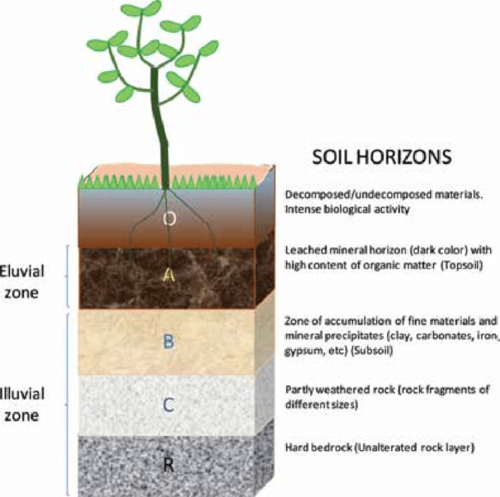
Schematic diagram courtesy of Larramendy and Soloneski, 2019

Soil comes in all shapes and sizes. More specifically, soil comes in all different textures (particle size), porosities (the amount of space between particles), and structures (the way particles of different sizes are arranged in layers). The combination of all of these physical factors determines how much water the soil can absorb when it rains or snows and how much water it can hold in the form of soil moisture. A complete soil profile is made up of a mixture of minerals, organic matter, water, and air.

Soils are important components of ecosystem sustainability because they supply air and water, nutrients, and mechanical support for plants. In turn, plants stabilize the soil with their vast root systems. By absorbing water during infiltration, soils provide water storage as well as delivering water slowly from upstream slopes to drainages and channels where it contributes to streamflow (Neary et al. 2005).

Schematic courtesy of American Forestry Foundation in collaboration with the U.S. Department of Agriculture

When a wildfire burns through an area with lots of fuel (combustible organic material such as tree leaves and needles, grasses, twigs, branches, and logs) on the ground, it sets the stage for that fire to burn hot and then smolder. This transfers quite a bit of heat downward into and through the soil. The greatest increase in temperature occurs at, or near, the soil surface. The more the soil heats, the more likely it is to experience destruction of its organic material and large changes in its mineral layer.

Ash and organic oils from burned plants coat the soil mineral particles, creating what is called a hydrophobic soil. This means that water is no longer absorbed into the soil, but rather runs off it along the surface. Instead of acting like a sponge, the soil acts like the basin of a kitchen sink.

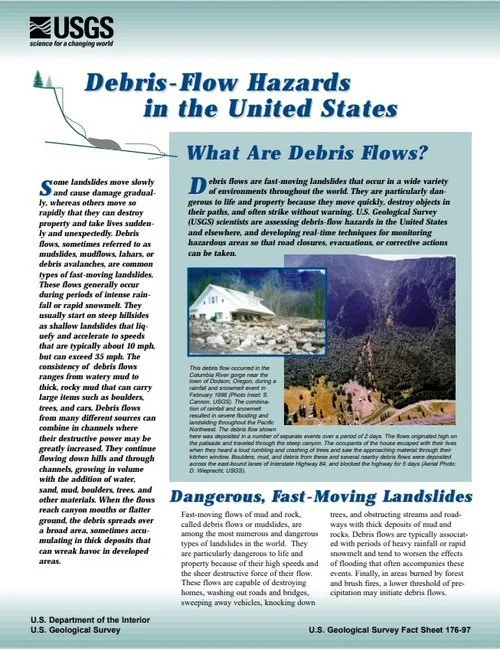
As water runs off the soil and gathers momentum, it also gathers dirt, ash, rocks, sticks, and larger material. A trickle becomes a muddy flood called a debris flow. While debris flows can be triggered by events other than wildfire, they are more likely to occur following a high-severity wildfire which renders the soil hydrophobic.

In the southwestern Rocky Mountains, moderate to severe forest fires can increase the likelihood of debris flow events by consuming rainfall intercepting canopy, generating ash, and forming water-repellant soils resulting in decreased infiltration and increased runoff and erosion. Debris flows, a destructive form of mass wasting, create significant hazards for people, and cause severe damage to watersheds and water resources
— Manuel Lopez, US Geological Survey

Impacts on Water-Supply Reservoirs

Debris flows can overfill riverbeds and drainages, tear out trees and move boulders, and can destroy homes, businesses, and entire towns in a slurry of sludge. They can also fill water-supply reservoirs with a heavy load of sediment, taking the reservoir off-line in the short-term and forcing municipal water suppliers to rely on a secondary water source for residents, shortening the reservoir lifetime, increasing maintenance costs, and potentially rendering reservoirs unusable for storage or potability. Several municipalities across the state of New Mexico have had to spent millions of dollars to dredge their reservoirs following sedimentation events. Visit the Greater Santa Fe Fireshed Coalition’s Source Water webpage to learn more.


Post-fire Water Quality

Water quality can be compromised by wildfires both during active burning and for months and years afterward. As discussed above, burned watersheds are prone to increased flooding and erosion, which can negatively affect water-supply reservoirs, water quality, and drinking-water treatment processes.

Sediment which is transported off of the land and into waterways during post-fire flooding and erosion often contains a lot of nutrients, dissolved organic carbon, major ions, and metals. These elements can make treating water to make it safe for drinking more difficult; they can also result in algae outbreaks, which reduce the amount of dissolved oxygen available to fish and other aquatic species. The use of fire retardants during suppression of a wildfire could also have significant effects on downstream nutrients.

Runoff from burned areas contains ash, which may have significant effects on the chemistry of receiving waters such as lakes, wetlands, reservoirs, rivers and. Runoff from burned areas also produces higher nitrate, organic carbon, and sediment levels, warmer temperatures, and more unpredictable streamflows. The increased turbidity (cloudiness caused by suspended material) of this runoff leads to changes in source-water chemistry that can alter drinking-water treatment. Heightened iron and manganese concentrations may increase chemical treatment requirements and produce larger volumes of sludge, both of which raise water-treatment operating costs.