Happy Holidays Fireshed community,
As temperatures drop and snow begins to fall, many land managers across New Mexico have shifted from summer forest treatments to winter management activities, such as burning slash piles. But before winter settled in, land management agencies and partners across the state achieved several major milestones, with this fall experiencing a great amount of collaborative, landscape-scale prescribed fire work.
After prescribed fire operations conclude, agencies typically release updates on acres treated, smoke impacts, and long-term monitoring plans. What’s often missing from these summaries, however, is the larger story: why each burn mattered, how it contributes to landscape resilience, and what it means for the people putting fire on the ground. Each operation represents meaningful progress, not only in reducing the risk of a future consequential fire and restoring ecosystems adapted to fire, but also in developing the future fire workforce and strengthening cross-jurisdictional partnerships.
Highlighted below are several of the autumn prescribed burns supported or led by the All Hands All Lands (AHAL) Burn Network, a critical resource that helps land managers reintroduce fire at the right place and time and increase the pace and geographic scale at which it is happening.
This Wildfire Wednesday features:
All Hands All Lands Fall 2025 Prescribed Fires Successes
Black Lake Prescribed Broadcast Burn (deep dive on the burn and its impact)
Borrego Mesa Prescribed Jackpot Burn (Truchas/Santa Fe NF, NM)
Ojo Sarco Prescribed Broadcast Burn (Ojo Sarco/Carson NF, NM)
Holiday Mesa Prescribed Broadcast Burn (Jemez Springs/Santa Fe NF, NM)
Espinosa Prescribed Broadcast Burn (Mountainair, NM)
The Paseo Project - Art X Fire in northern NM
Conservation Seedling Program - taking orders now
New! Prescribed Burn Planner Webinar
National Wildfire Mitigation Awards
Be merry and be well,
Megan
All Hands All Lands Fall 2025 Prescribed Fire Successes
Black Lake Prescribed Broadcast Burn
In a nutshell: the 2025 burn, the sixth in this area, was part of a much larger landscape-scale restoration effort—one that requires long-term commitment.
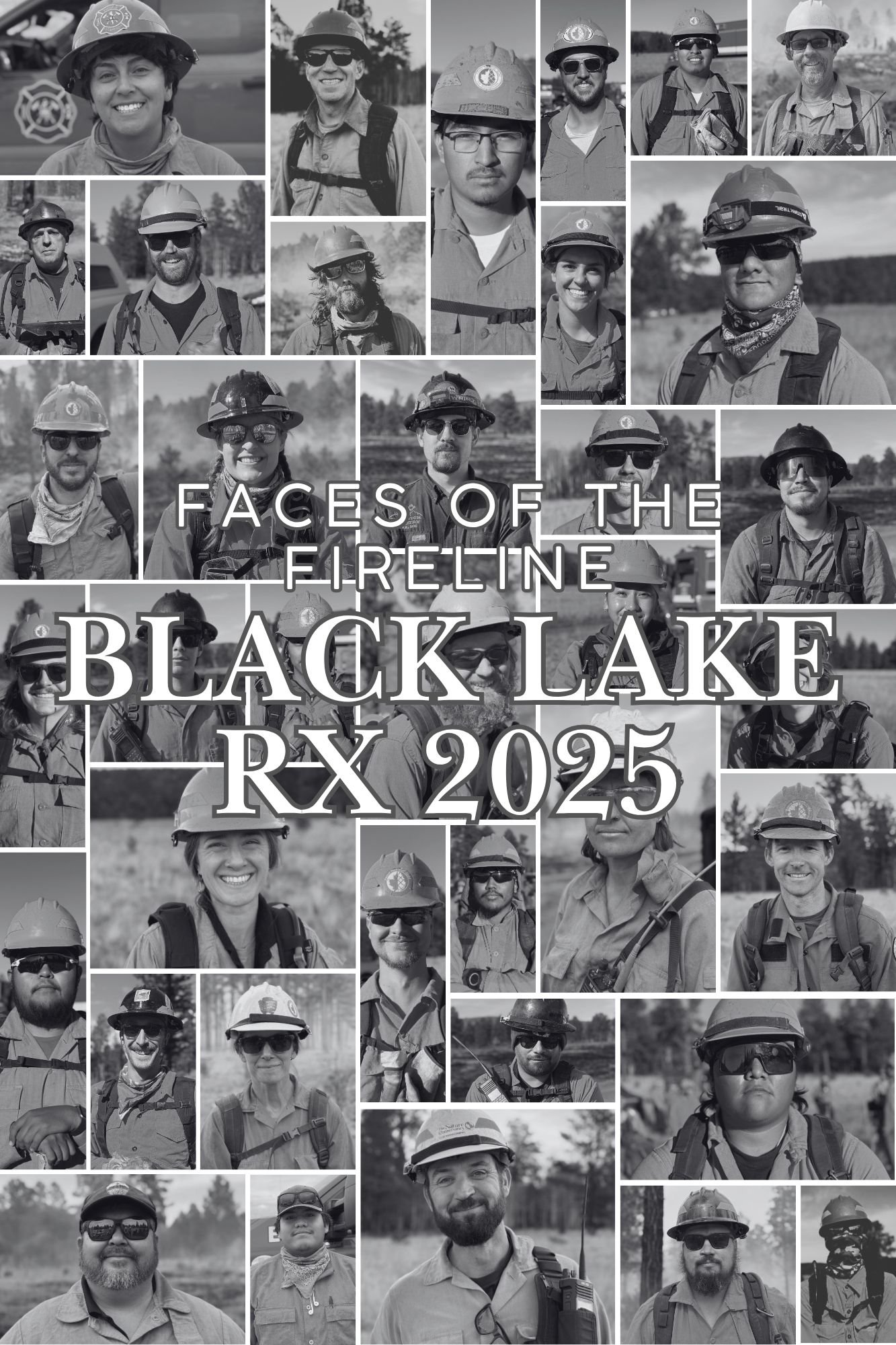
During the third week of October, roughly 50 people from agencies, organizations, and local departments across New Mexico gathered in Black Lake (a small community just east of Angel Fire) to complete a 370-acre collaborative prescribed broadcast burn. Organized by the Forest Stewards Guild and bossed (overseen) by The Nature Conservancy, the burn took place on State Trust Land managed by the New Mexico State Land Office. Participants represented a wide range of partners, including the Forest Stewards Guild and its youth crews, Angel Fire Fire Department, Picuris Pueblo, New Mexico Highlands University, the New Mexico Forest and Watershed Restoration Institute (NMFWRI), The Nature Conservancy, Philmont Scout Ranch, the New Mexico Forestry Division, and Moreno Valley Fire Department.
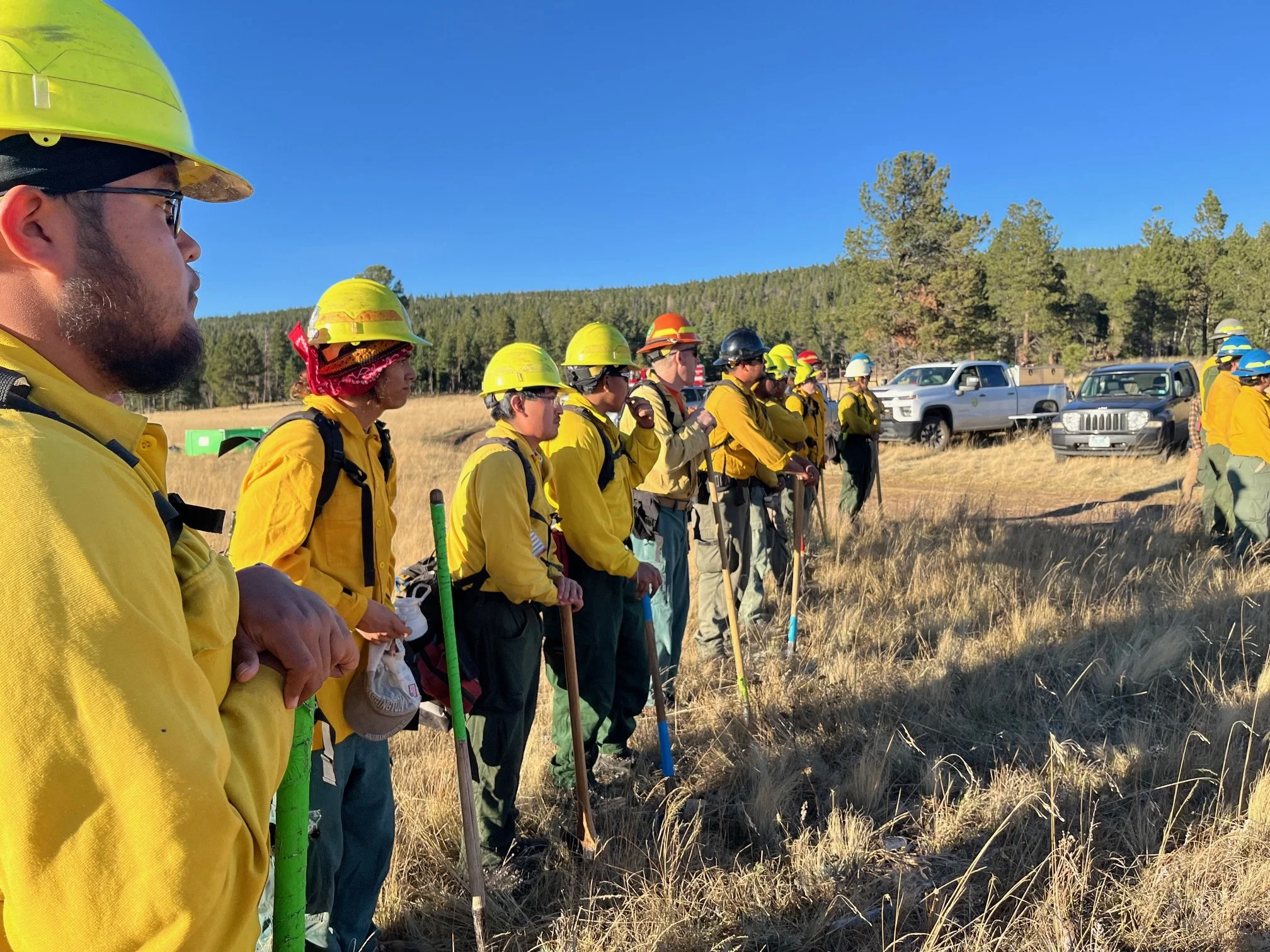
The impact of this burn comes from both the collaborative execution and the strong training and learning environment it created. As participants gathered for morning briefing early on day one of the burn, the circle was filled predominantly by FFT2s—firefighter type 2 personnel who hold basic fire qualifications—with several experiencing prescribed fire for the first time. Many individuals, especially from local fire departments and non-profit organizations, were placed in trainee roles, working to advance their fire qualifications and gain experience that can be put to use in future assignments. Many of the FFT2 roles (holding the containment lines, putting strips of fire on the ground to carry the flames in a controlled manner, mopping up after the burn was completed to ensure its containment) were filled by members of the Forest Stewards Youth Corps crews and students from New Mexico Highlands University. Through this training and hands-on experience, collaborative burns can strengthen local capacity and provide meaningful workforce development opportunities for young adults looking to explore careers in forestry, wildland fire, and natural resource management.
Burn organizers additionally hosted a public tour of the burn, bringing more than a dozen community members onto the landscape to observe operations firsthand, learn about safety measures that reduce the risk of escapes, and watch active fire on the ground. Public tours play a critical role in building familiarity and comfort with prescribed fire, especially in a landscape which has been impacted by large severe wildfires in the recent past. This is exemplified with NMFWRI, where staff members took the initiative to become fire-qualified active burners after attending a public tour during the 2024 Black Lake prescribed burn. As one 2025 FFT1 noted, the tours help grow the next generation of practitioners as much as they help educate the public.
Reflecting on the field tour, one of the facilitators shared:
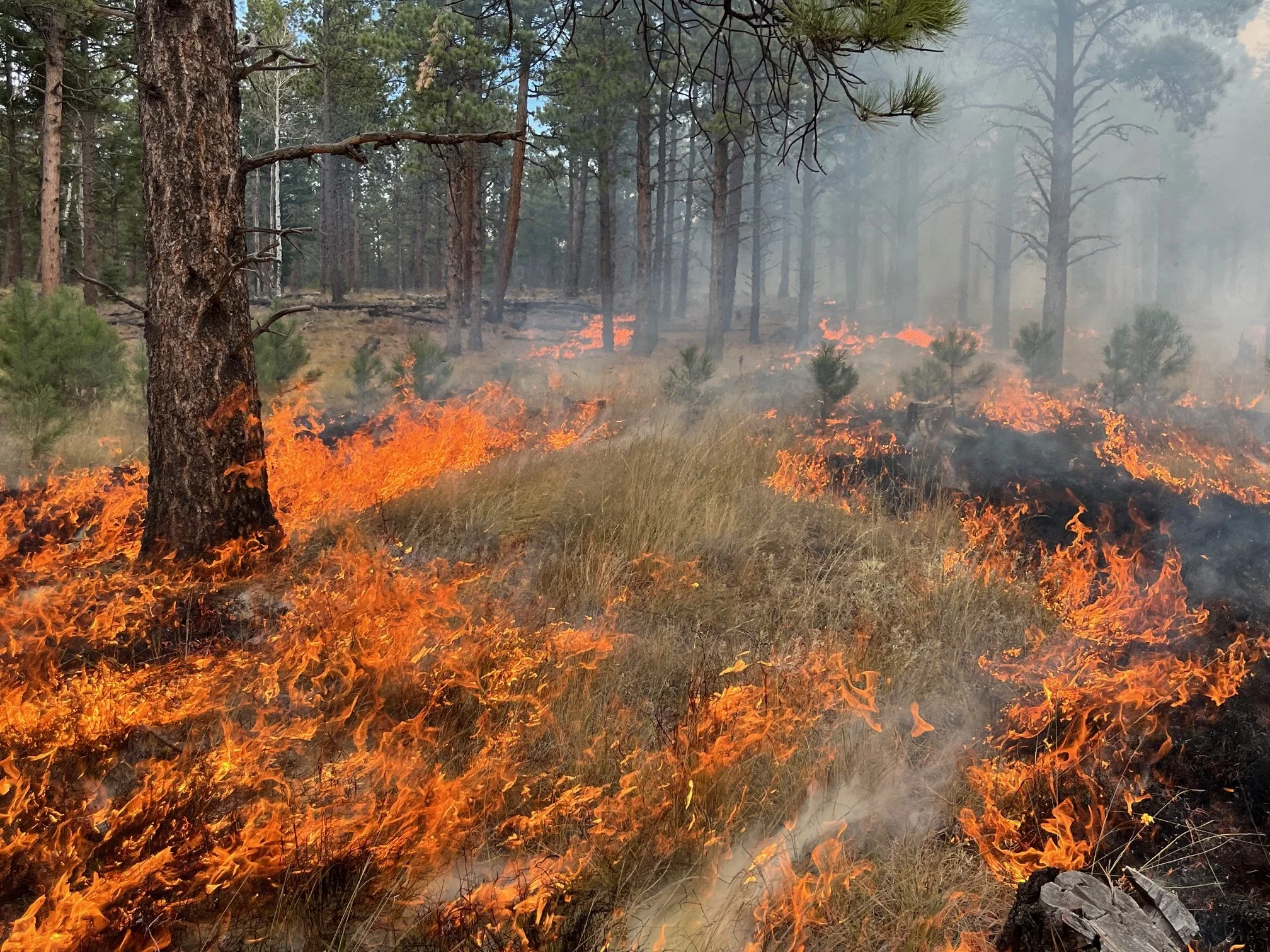
“The field tour was time for attendees to interact with low intensity fire up-close, to watch it move in the grass based on fuels, winds, and topography, and to feel the heat of different flame lengths. The questions and dialogue that resulted showed that all attendees brought their curiosity and an open mind to the day. Questions ranged from firing techniques, how does the operation that we were observing relate to the burn plan, to more broad questions about high elevation ponderosa pine ecology.”
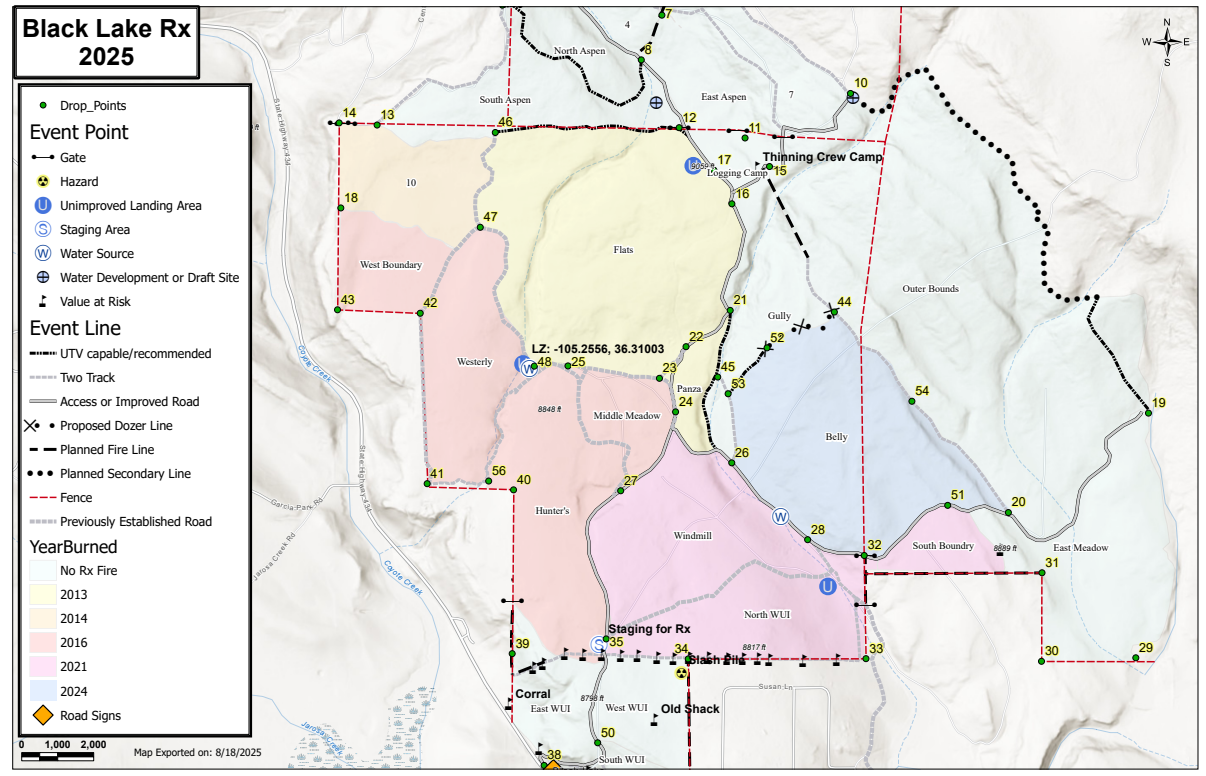
The 2025 burn is part of a much larger landscape-scale restoration effort—one that requires long-term commitment. A representative of the New Mexico State Land Office emphasized that this work is a sustained endeavor in forest and fire restoration. This commitment is evident in the years of effort that partners have invested in returning fire to this landscape, with treatments beginning back in 2013. The 2025 burn was the sixth in this area and the second entry burn for these units, which first burned in 2013 and 2016.
This year’s work highlights the culmination of years of relationship- and trust-building among the Forest Stewards Guild, the New Mexico State Land Office, The Nature Conservancy, fire organizations across northern New Mexico, universities, and the broader Black Lake community, who continue to support this form of land stewardship.
In the closing briefing, the Black Lake 2025 burn boss—who brings several decades of wildland and prescribed fire experience—offered words of appreciation that captured the spirit of the entire effort:
“I work with a lot of groups that want to be like this and so I think what you have here and what you have been developing for over a decade is really a premiere product... If you don’t already know this, you are a part of something really special up here.”
These words reflect what many felt throughout the operation. The Black Lake prescribed burn represents not only technical success, but the strength of long-term partnerships, shared learning, and a community that believes in the power of beneficial fire.
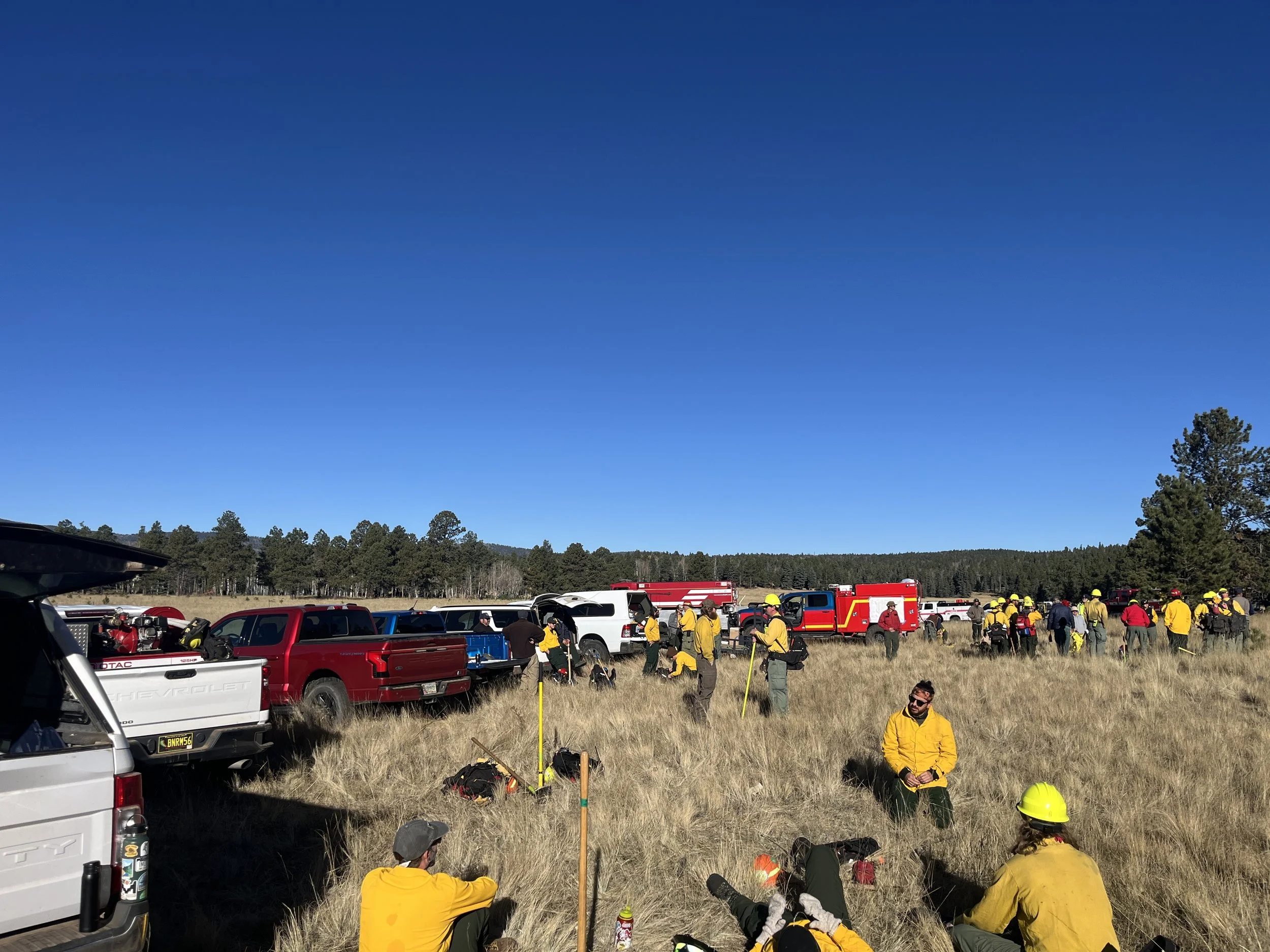
Borrego Mesa Prescribed Jackpot Burn
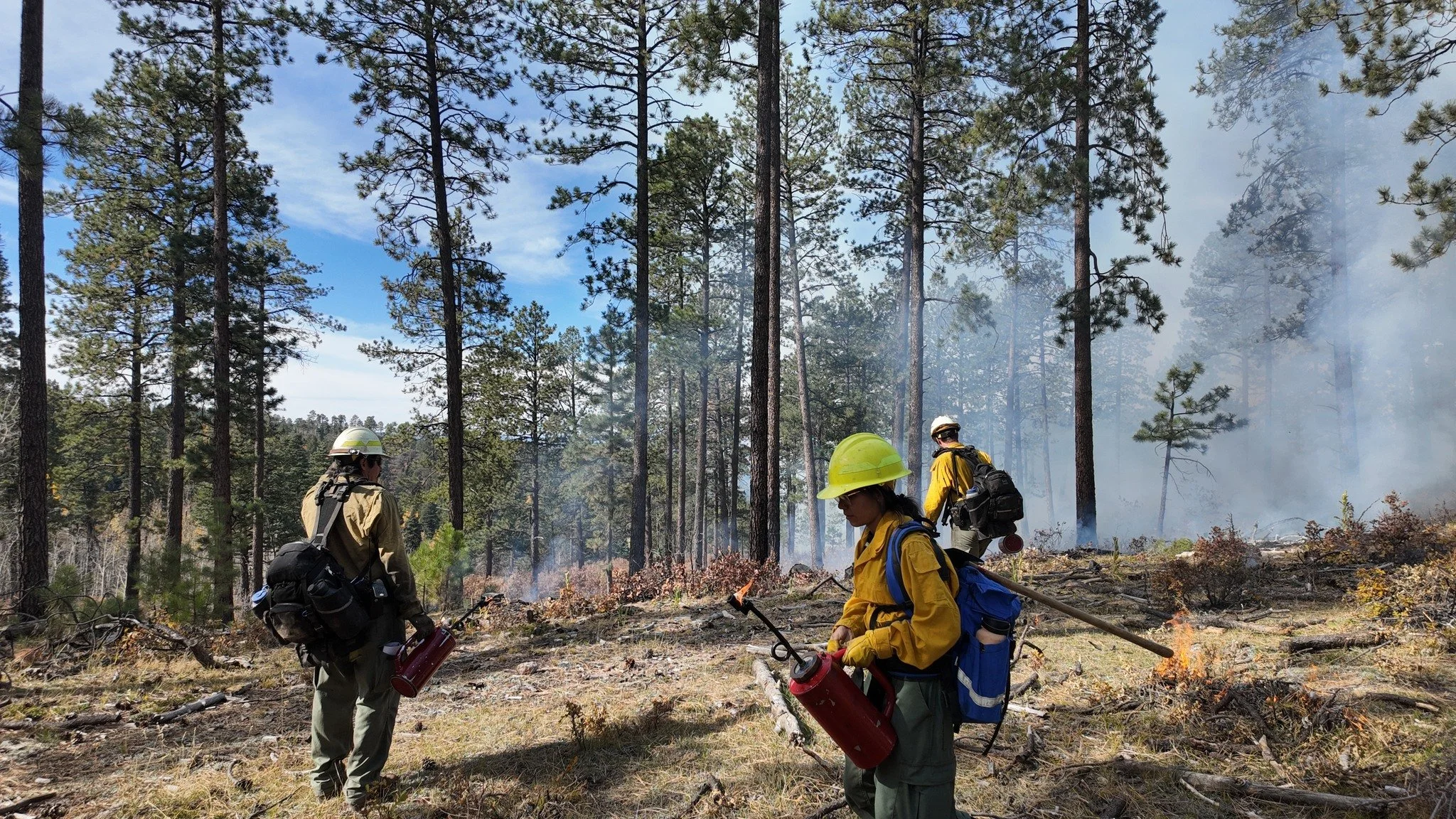
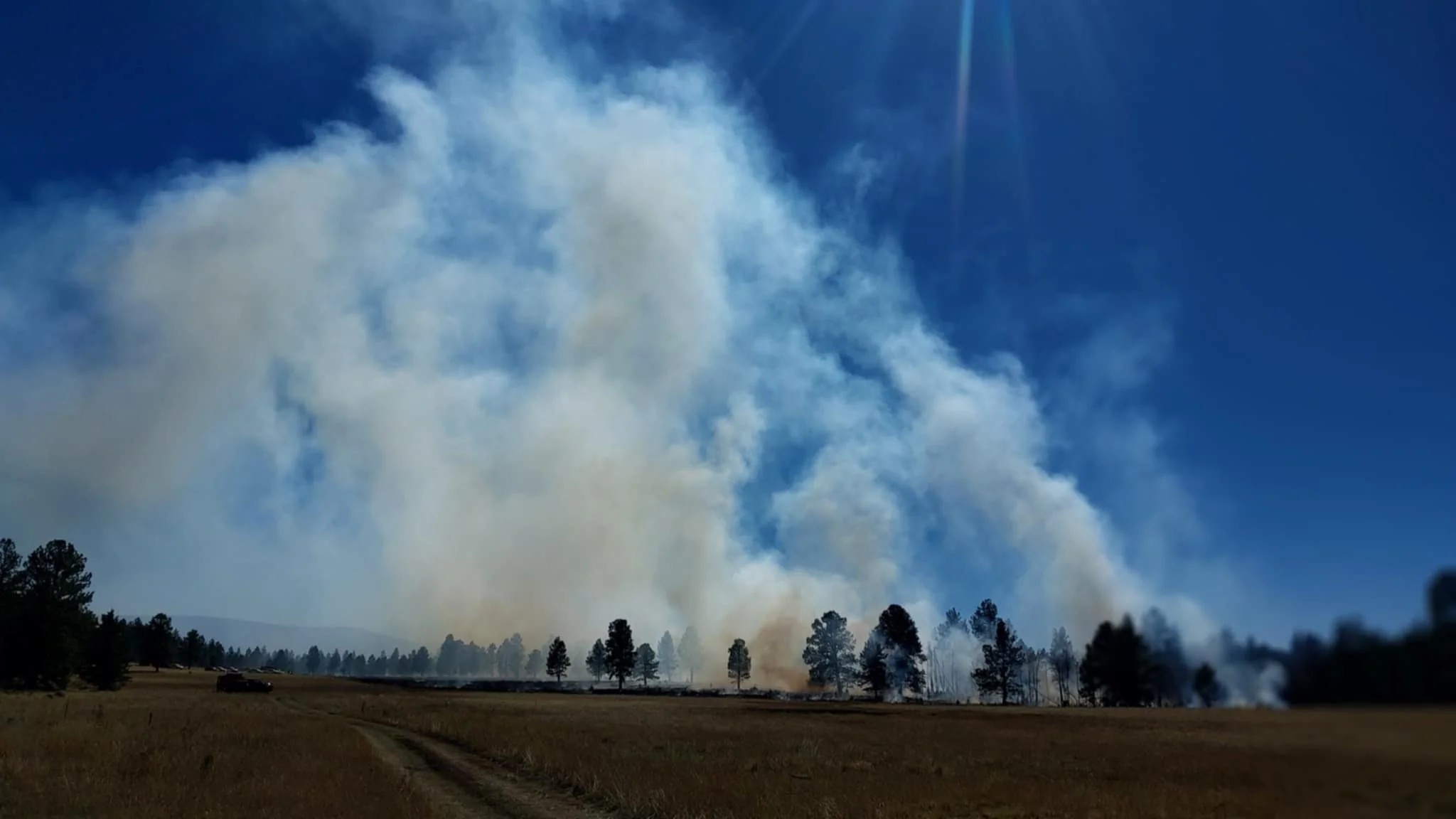
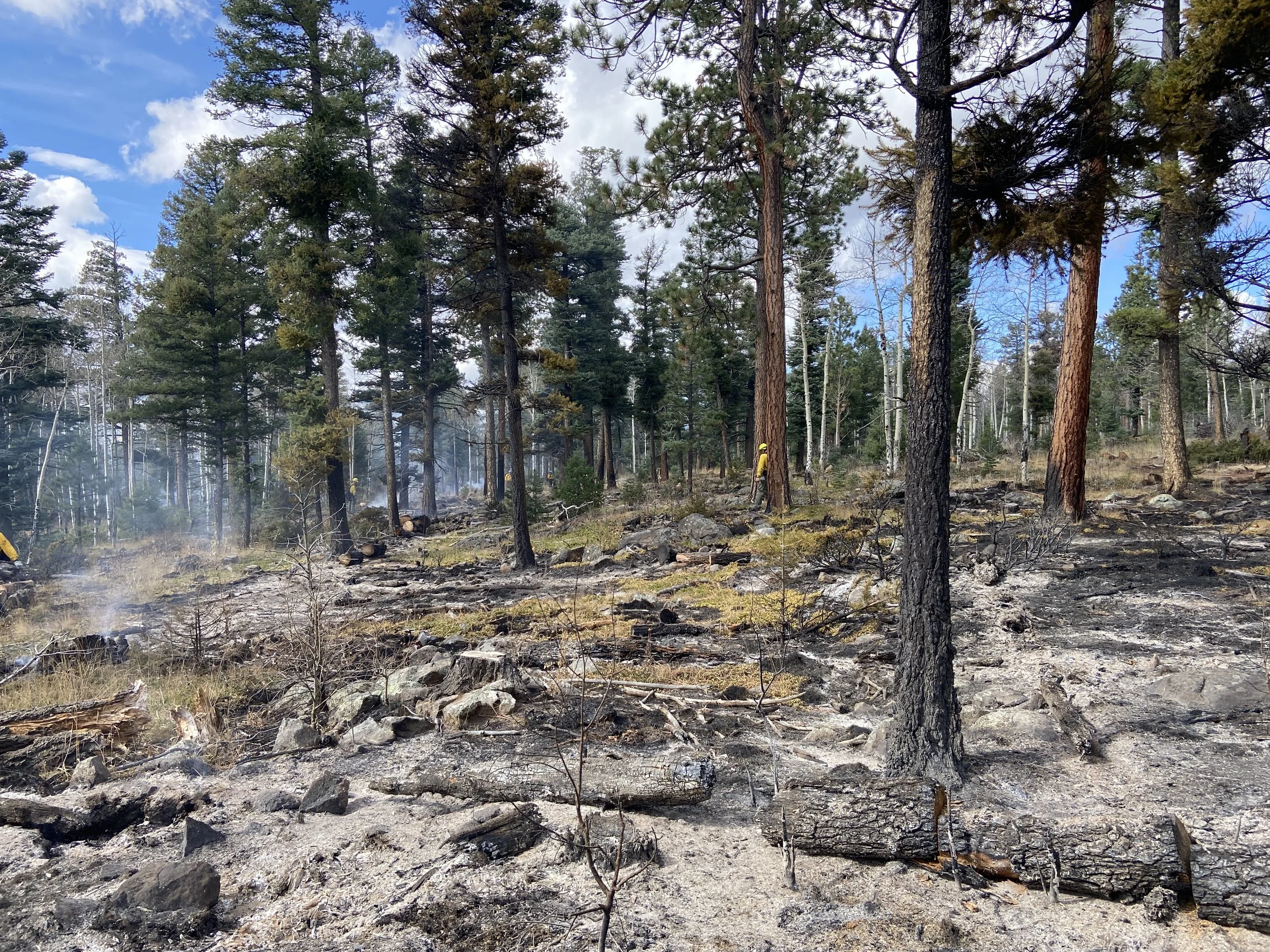
This 399-acre broadcast burn on the Santa Fe National Forest was the first burn on the Española Ranger District since post-Hermit’s Peak-Calf Canyon, marking one step in rebuilding public trust and safely re-initiating prescribed fire operations. On the landscape, this burn helped reduce heavy jackpots of dead and down fuels that had accumulated during the past few years of limited fire use. The project was also significant for its interagency coordination, led by Forest Service but also involving the City of Santa Fe Fire Department, the New Mexico Energy, Minerals, and Natural Resources Department, and the Forest Stewards Youth Corps.
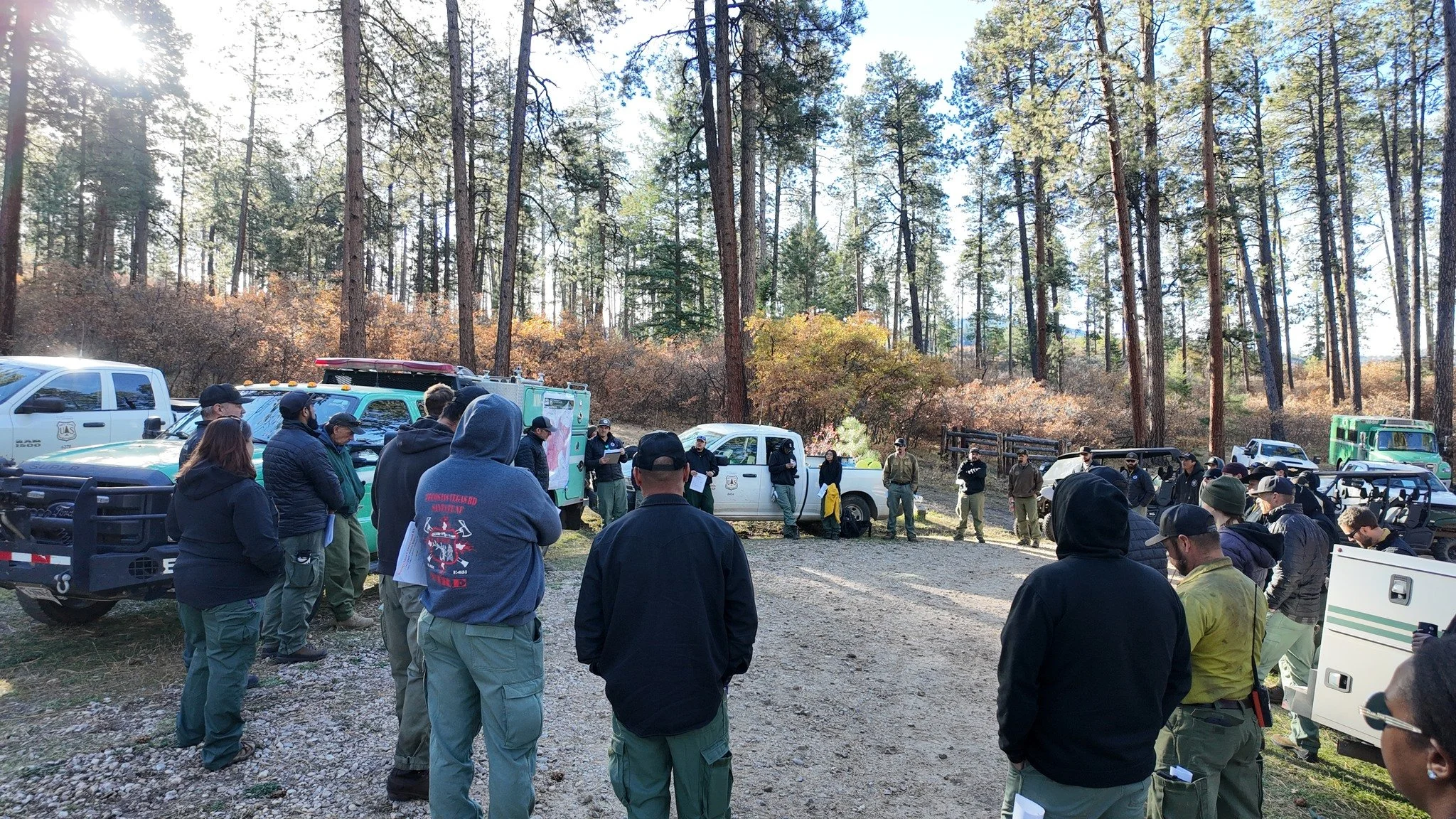
Ojo Sarco Prescribed Broadcast Burn
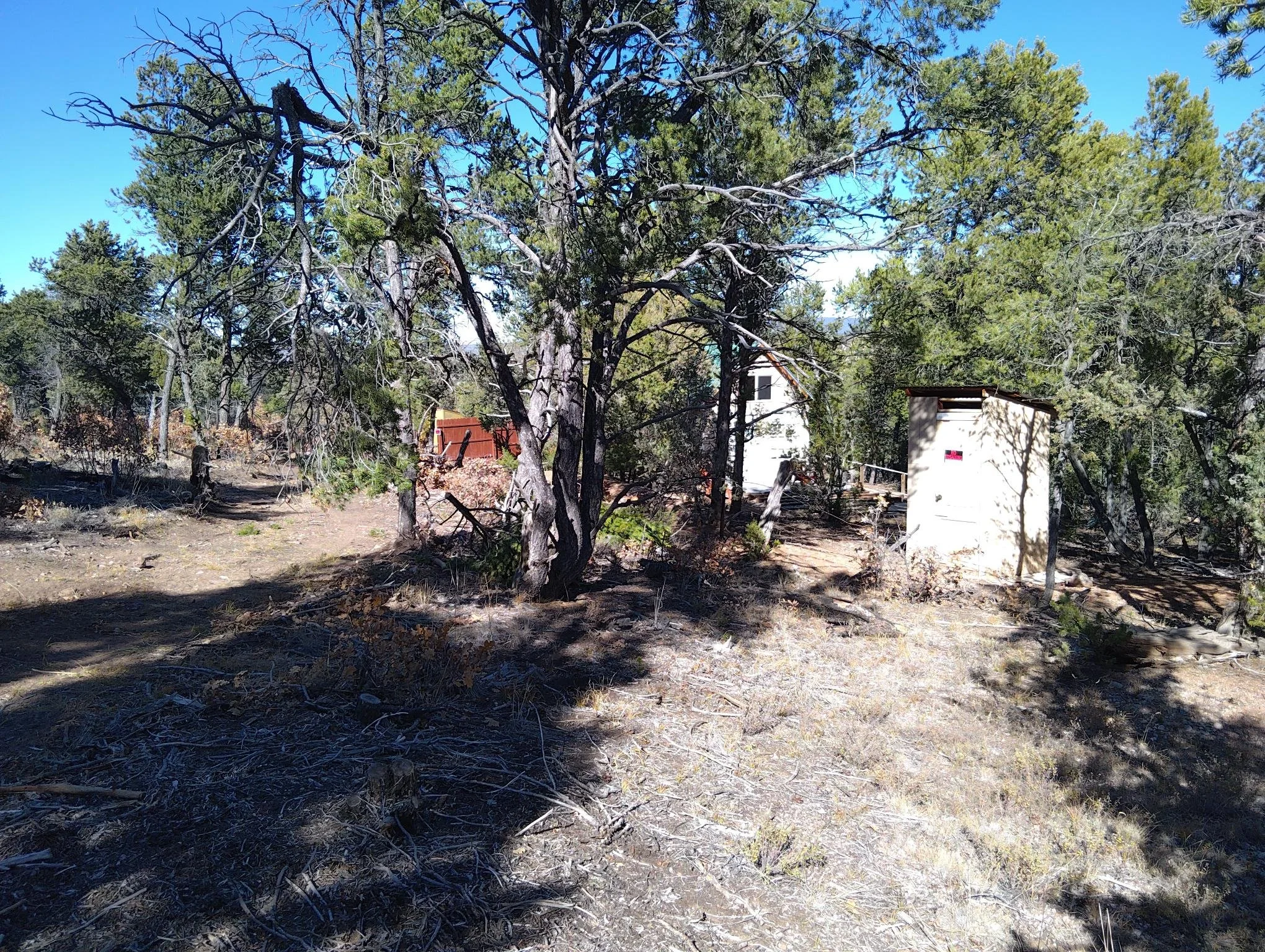
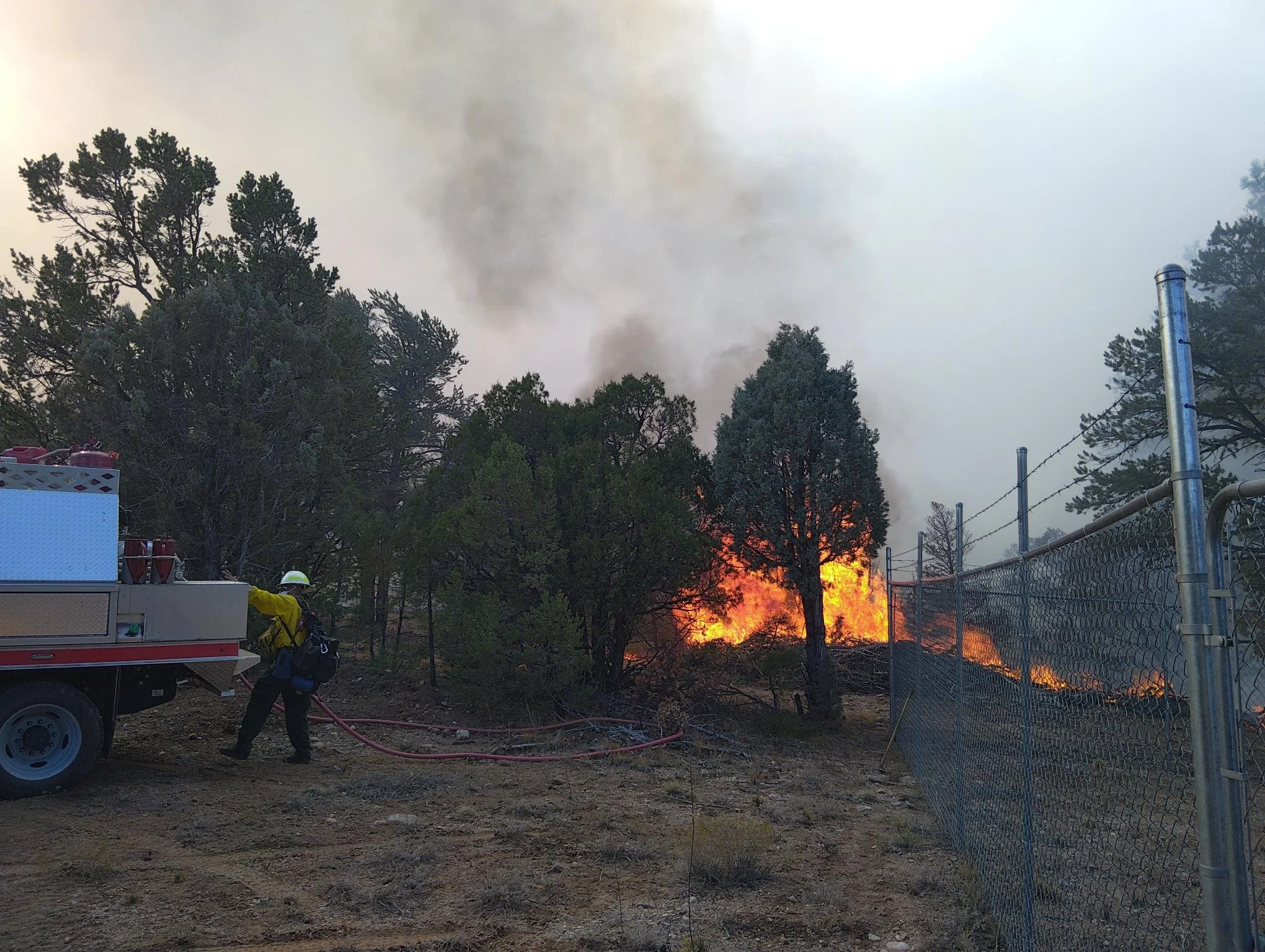
This 391-acre WUI (wildland–urban interface) broadcast burn on the Carson National Forest was located along Highway 76 near the community of Ojo Sarco and directly adjacent to private land. This burn not only achieved the objective of reducing hazardous fuels, but did so in an area where homes, transportation corridors, and forested lands meet, an example area where wildfire poses a high risk for destructive impact on a community. Successfully treating this area reduced fuels that pose a risk to Ojo Sarco, demonstrated careful coordination with landowners, and showcased how prescribed fire can be safely applied even in complex boundary conditions where private land boundaries are just feet away from active ignitions.
Holiday Mesa Prescribed Broadcast Burn
Members of the Forest Stewards Youth Corps - Jemez Pueblo Youth Crew were involved in this 878-acre burn led by the USDA Forest Service. Through it, they were able to return fire to the landscape on ancestral territory near the Pueblo. It supported Jemez’s ongoing work to restore traditional fire practices, empowered tribal youth through hands-on experience in land stewardship, and demonstrated the ability of federal partners to engage in land management beyond the limited scope of federal employees.
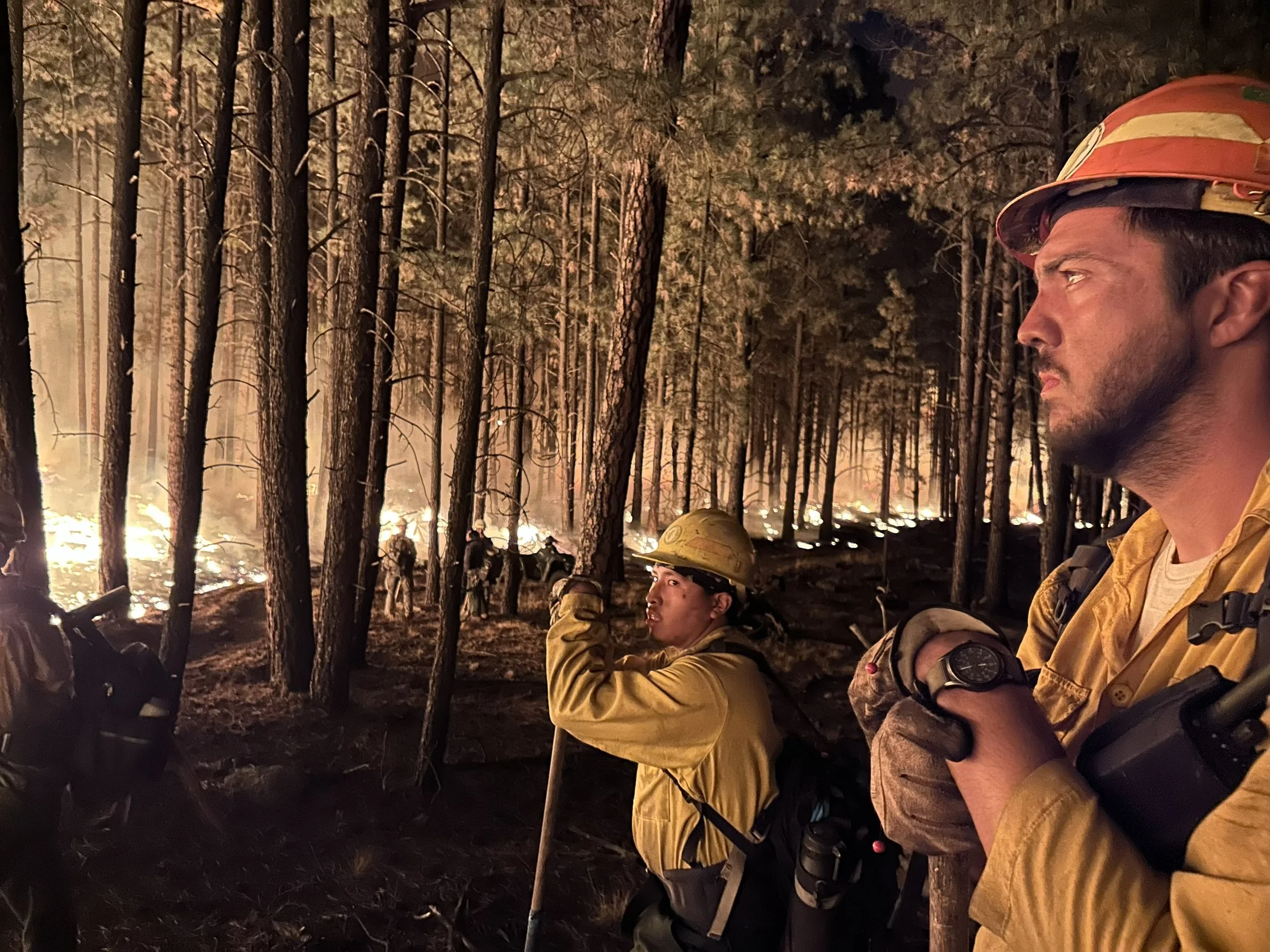
Forest Stewards Youth Corps Program Coordinator and member of Jemez Forest Stewards Youth Crew holding on the fireline
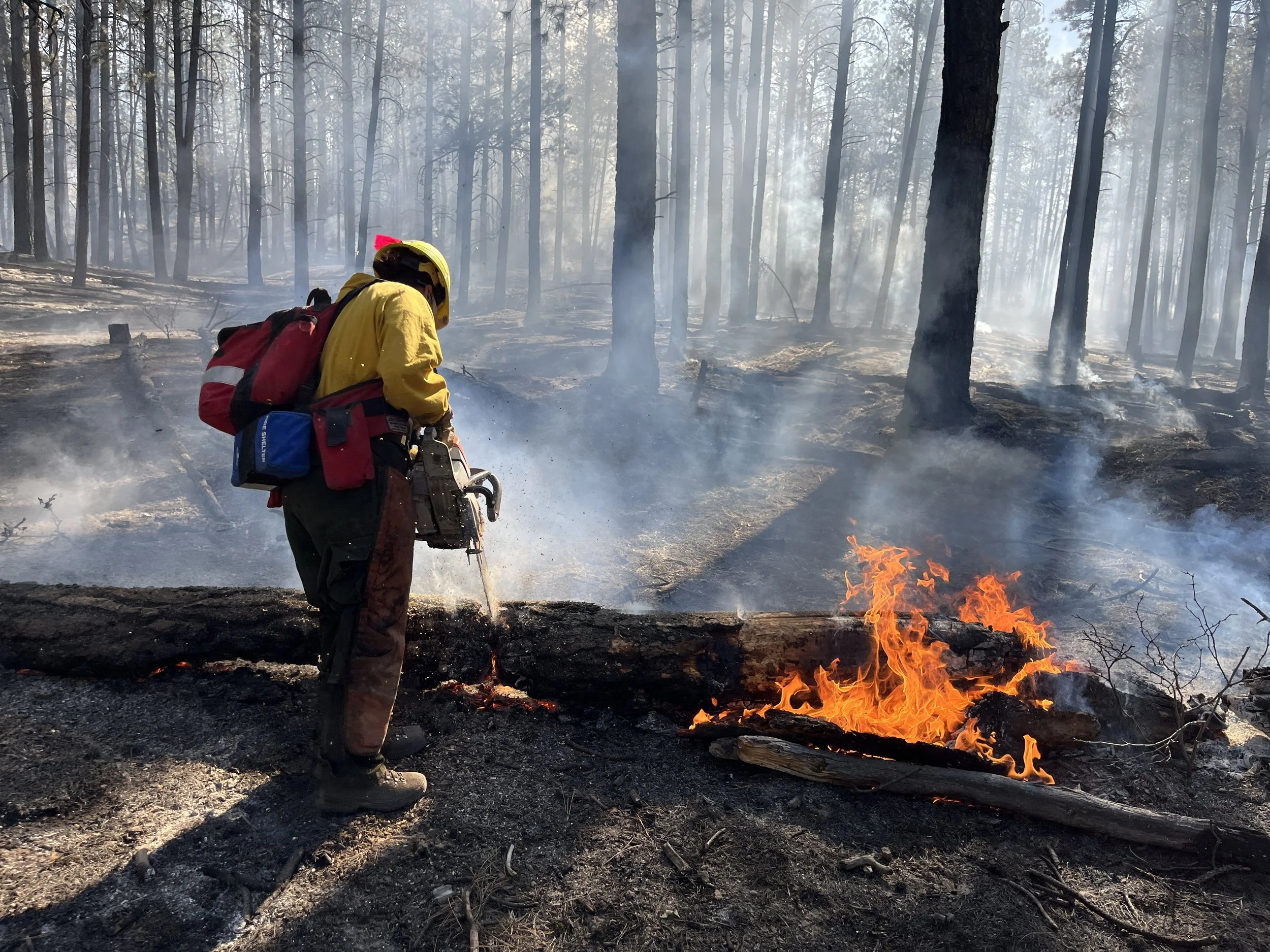
Member of Jemez Forest Stewards Youth Crew bucking a flaming log

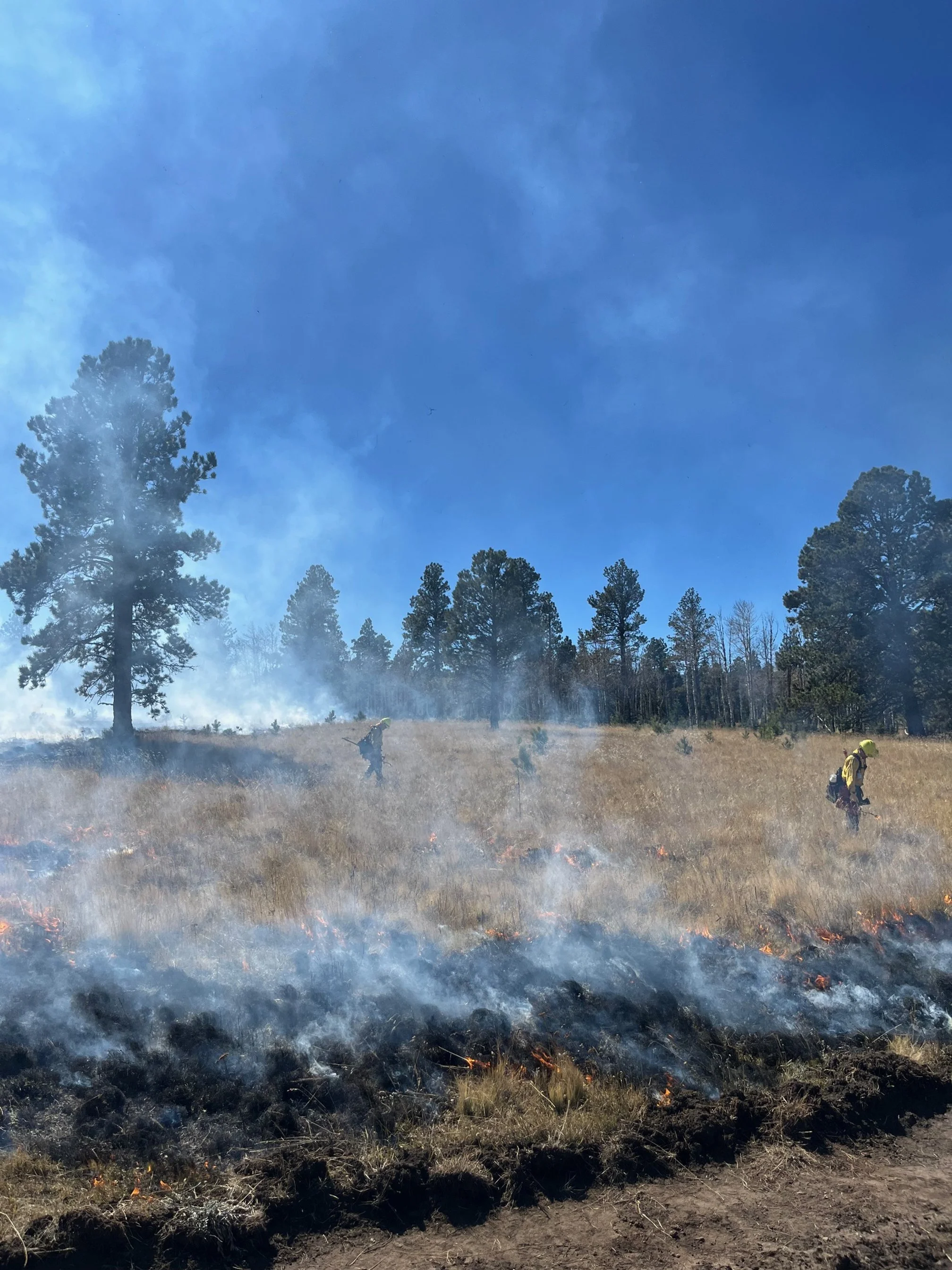
Strips of fire being applied by igniters
Espinosa Prescribed Broadcast Burn
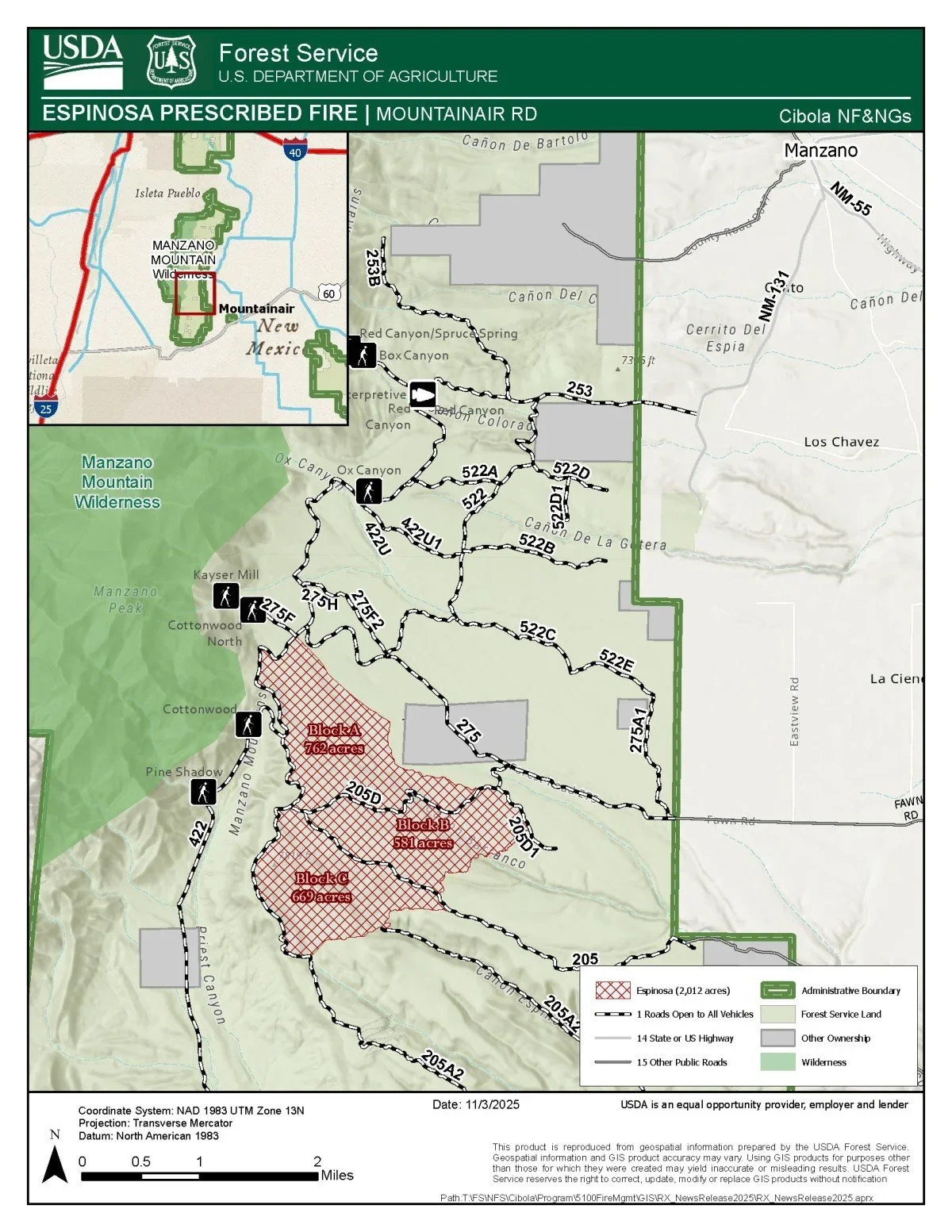
The 1,343-acre burn, the largest ever conducted on the Mountainair Ranger District, occurred within the Espinosa–Barranco Wildlife Improvement Project area. The scale made it an important milestone for the district’s capacity to implement large landscape-level prescribed fire. The project relied heavily on aerial ignition, allowing crews to treat over 1,000 acres in just a single day, a significant win in increasing the scale and pace to landscape treatment. In a landscape which is still feeling the impacts of severe wildfires such as the 2016 Dog head Fire, this collaborative burn represented a shift toward improving habitat conditions for wildlife, enhancing ecosystem resilience, and advancing the district’s long-term landscape restoration goals through the use of good fire.
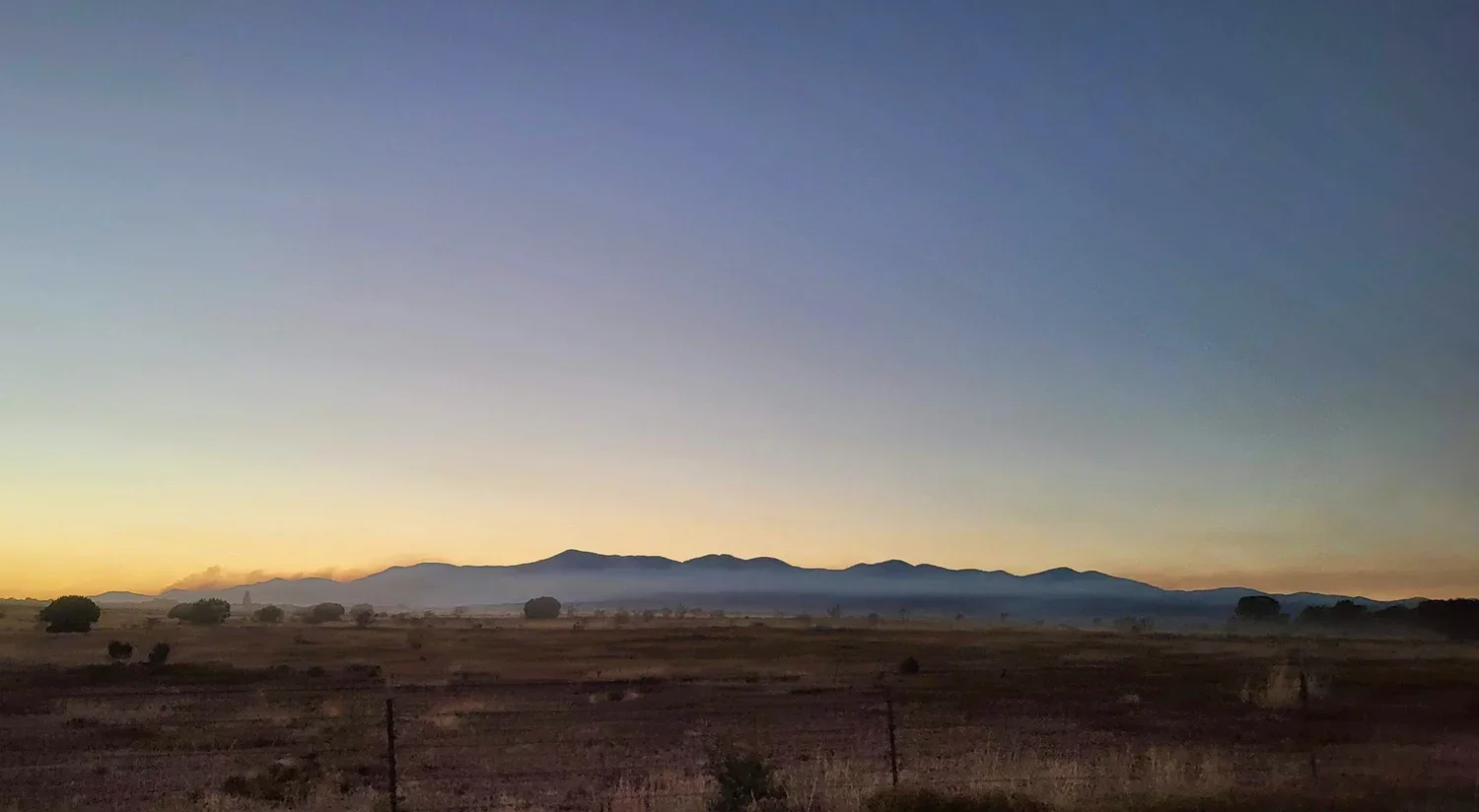
Smoke drifting from the burn area north across the Manzano Mountains after ignitions were completed.
Additional Resources
The Paseo Project - Taos, New Mexico
The Paseo Project invites artists working in all media (2D, 3D, installation, writing, sound, projection, performance, interdisciplinary forms) to apply for participation in Disturbance, a new interdisciplinary program that pairs artists with scientists to explore wildfire as both a destabilizing force and a regenerative element in ecological and social systems. This project will culminate in an exhibition and series of events in Taos, New Mexico, September–December 2026.

Through a required four-day Northern New Mexico based “fire ecology boot camp,” selected artists will be immersed in collaborative dialogue with fire practitioners and ecologists, and site visits to burn scars and post-fire landscapes. Artists will then return to their home studios to develop new work that reflects on the ecological, cultural, and emotional dimensions of wildfire. These works will then be shared in an exhibition, outdoor installations, and public programs in Taos, NM, designed to engage the broader community in dialogue about living with fire in a climate-altered future.
Applications will be accepted through February 1, 2026.
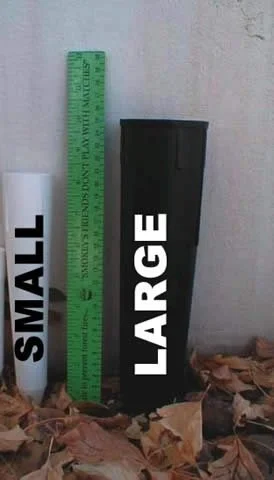
New Mexico Forestry Division offers low-cost seedlings in over 60 varieties for landowners to use in reforestation, erosion control, windbreaks, streambank restoration, and wildlife habitat improvement. Spring season orders for seedlings are now open. Ordering is first come first serve, so order early for the best selection.
Learn more about tree types and uses and order seedlings at Conservation Seedling Program - Forestry.
To participate in the program you must own at least one acre of land in New Mexico and the seedlings purchased through the program must be used for conservation purposes.
Webinar: Plan, Predict, and Burn - The New Prescribed Burn Planner
Wednesday, December 17, 2025, 1pm ET
Join Karen Cummins and Dr. Holly Nowell from Tall Timbers for a free one hour webinar as they demonstrate the Prescribed Burn Planner v2’s new capabilities.

The Prescribed Burn Planner (PBP) was originally developed to help users plan and prioritize prescribed burns by providing weather forecasts for individual burn units, thus hopefully reducing the number of missed burn windows. After receiving funding support from USDA Forest Service, Southern Region (R8), PBP version 2 was created to take prescribed burn planning to the next level.
The new release includes:
Updated meteorological data
Ability to draw the boundaries of a burn unit, rather than just a point location
Simple smoke plume modeling with a list of potentially impacted locations
Burn history tracking
Email notification for upcoming ideal burn windows as specified by the user for each individual location.
Nominations Open for National Wildfire Mitigation Awards - Due Jan 7 2026
The National Wildfire Mitigation Awards (WMAs) recognize outstanding work and significant program impact in wildfire preparedness and mitigation. The program was established in 2014 by the National Association of State Foresters (NASF), the International Association of Fire Chiefs (IAFC), the National Fire Protection Association (NFPA), and the USDA Forest Service (USFS), including the National Wildfire Mitigation Award, the National Mitigation Hero Award, and the Wildfire Mitigation Legacy Award.
Nominations for the 2026 awards are open and must be submitted by January 7, 2026. Past awardees, both individuals and organizations, have displayed outstanding dedication to wildfire mitigation across a broad spectrum of activities.