Wildfire Wednesdays #119: Managed Wildfire

Hello, Fireshed Folks!

Fire has always played a dual role in our planet's natural landscapes - an elemental force of destruction and a harbinger of renewal. Yet, within the smoky depths of this paradox lies a method of intentionally engaging with wildfire that has been honed and utilized by traditional communities, natural resources practitioners, fire managers, and others for the better part of a century. This technique has gone by many names but is now commonly known as "managed wildfire." In this week’s Wildfire Wednesday, we explore this practice, tracing its evolution, illuminating its significance, and recognizing the persistent place fire as a tool has and the role it will continue to play in our modern world. This post is based on a recent science synthesis on managed wildfire from the Southwest Fire Science Consortium.

Today’s Wildfire Wednesday features information on:

  • The concept of “managed wildfire”

  • How managed wildfire has evolved

  • Present use and benefits

  • The intersection of managed wildfire and climate change

  • Other resources, including microgrant opportunities, webinars, and more

—Alyssa


Defining “Managed Wildfire”

What is the fire response strategy?
Image courtesy of istock

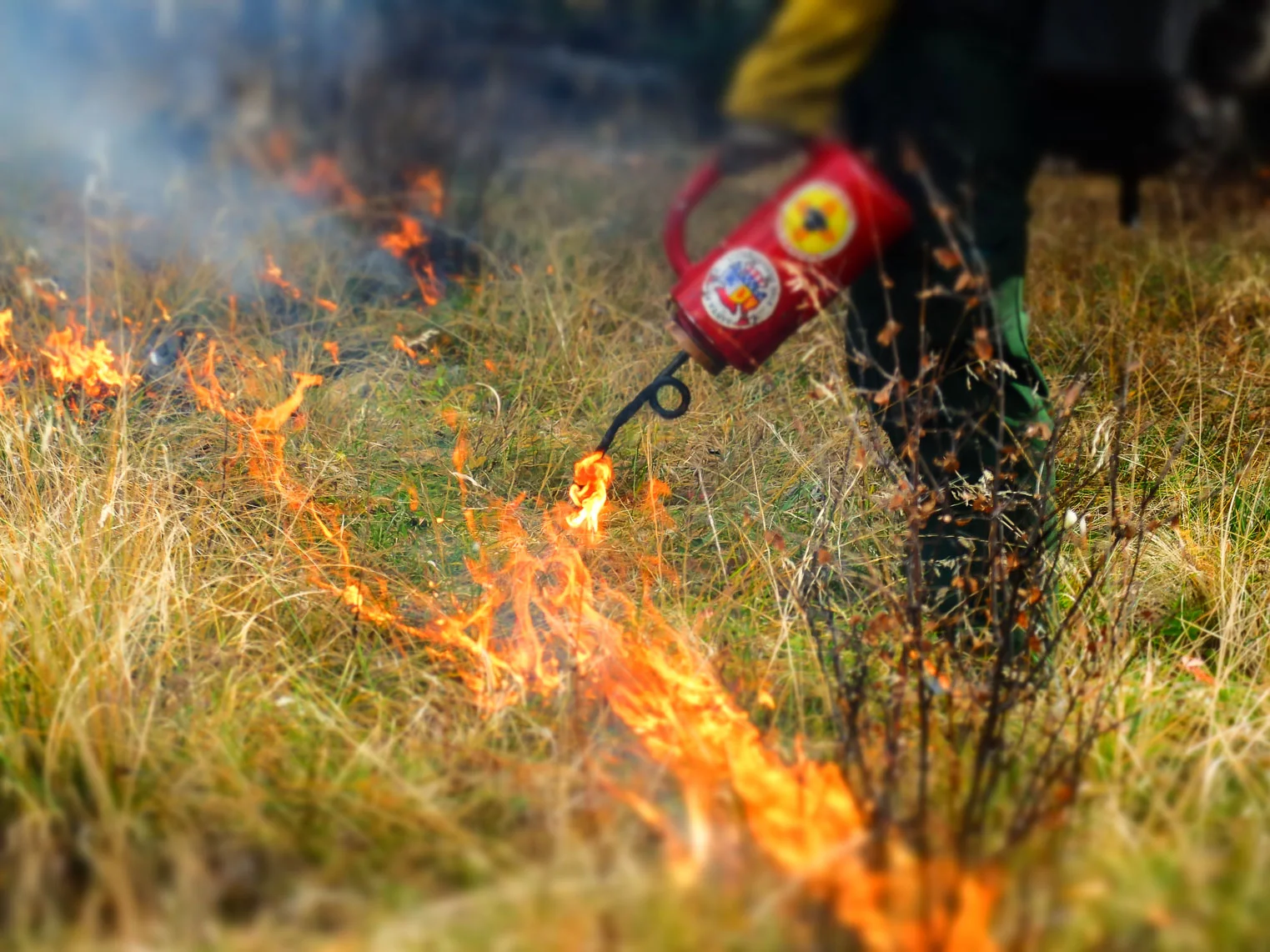
"Managed wildfire" is a strategy for responding to naturally ignited wildfires which refers to the deliberate use of wildfire as a land management tool to meet objectives such as firefighter safety, resource benefit, and community protection. This approach recognizes that many ecosystems have evolved with fire as a natural ecological process, essential for maintaining their health and biodiversity. By strategically permitting some wildfires to burn under moderate conditions with close monitoring and layered containment plans, land managers can achieve vital ecological and social safety goals which are otherwise daunting in their scale and need. Similar to prescribed fire, managed wildfires help reduce the buildup of dense underbrush, dead vegetation, and overgrown trees which can otherwise fuel catastrophic blazes. Managed fires introduce diversity, called heterogeneity, to fire-adapted forests. They often burn in a “mosaic” pattern, meaning that some areas will burn at low intensity while others burn a bit hotter with corresponding differences in fire impacts and residual forest density. This fire management technique promotes the regeneration of fire-adapted plant species, enhances habitat diversity for wildlife, and contributes to overall ecosystem resilience.
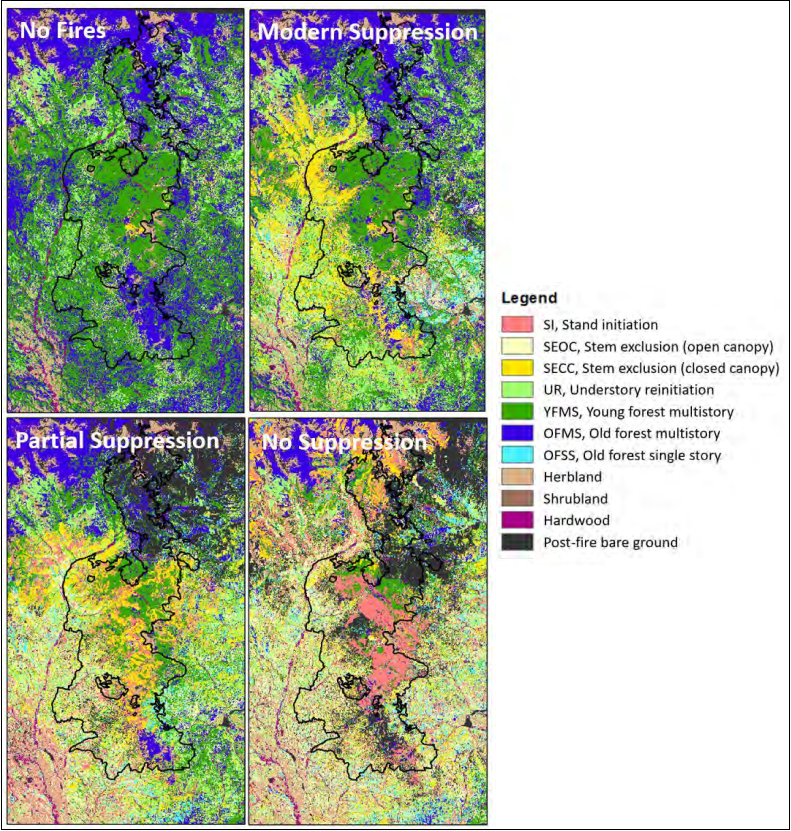
Figure courtesy of University of Washington: “Wildfires as fuel treatments – burn mosaics and wildfire management

Embracing managed wildfire as a fire response strategy acknowledges the limitations and dangers of complete fire suppression: some fires which encounter forest conditions shaped by fire exclusion and an absence of land maintenance grow large, destructive, and dangerous to control, posing an elevated risk to firefighters, communities, and the environment. Balancing the art and science of fire management with the proven benefits of fire reintroduction offers a more sustainable and proactive way to mitigate future wildfire risks and live in fire-dependent landscapes.

Read more about wildfires as fuel treatments - burn mosaics and wildfire management.


Historical Use

Fire as an essential ecological process
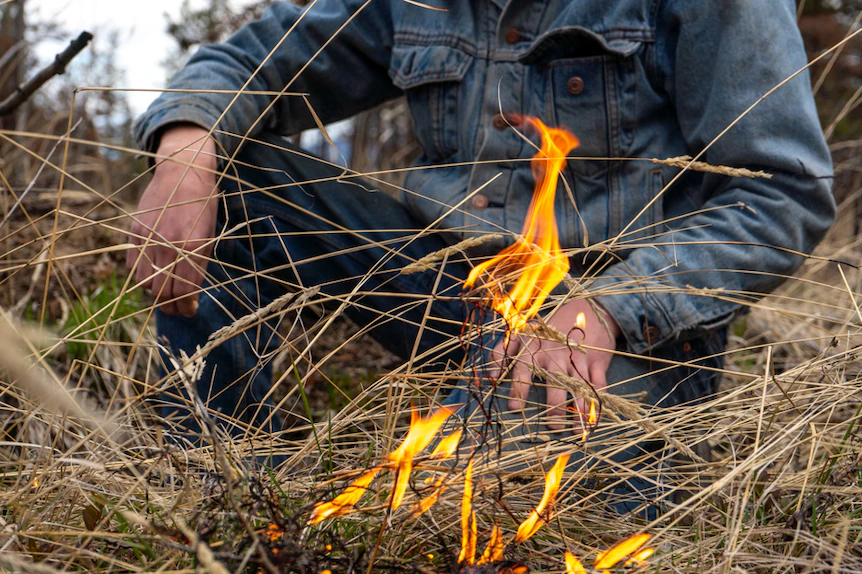
Image courtesy of Josh Neufeld

Indigenous peoples across the globe have long been custodians of the land with practices and knowledge systems that incorporate fire as a fundamental element of land stewardship. In the West, indigenous communities coexisted with wildfire for centuries or millennia before Euro-American colonization. Fire has also been used intentionally to reenergize the land: promoting the growth of edible, medicinal, and materially useful plants; cultivating open landscapes for habitat diversity, grassland browse for wildlife species, and farmer settlements; fire hazard reduction around settled communities; and more.

Suppression as the default
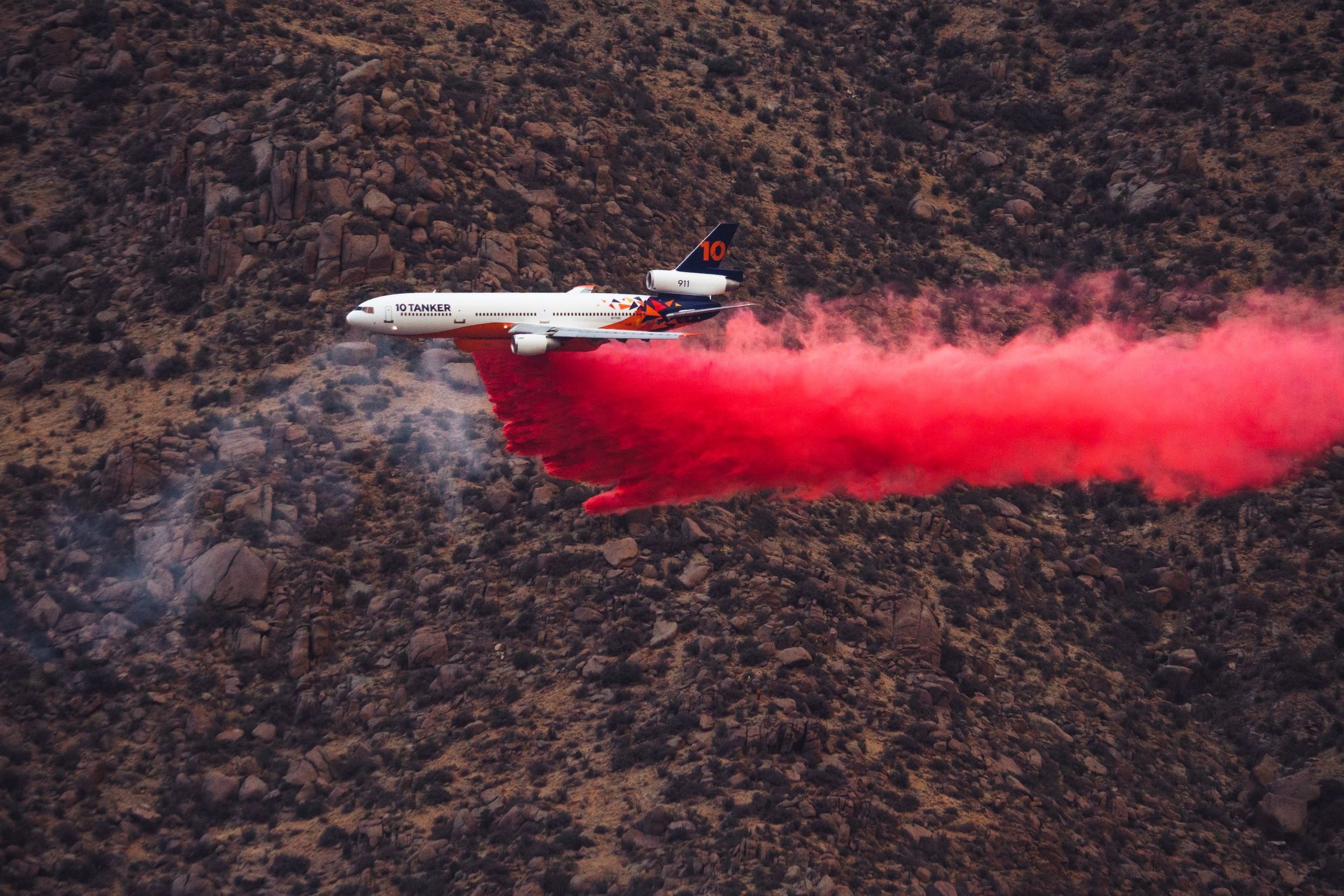
Retardant drop in Carnuel, NM, 2022. Photo courtesy of Alex Poli.

By the 1890s, European settlement resulted in an emphasis on suppression of wildfires. This regard for fire as a destructive force which threatened resources is exemplified by the establishment of the U.S. Forest Service in 1905, whose founding mission was wildfire suppression to safeguard lives, property, and valuable timber. Over the next century, full suppression became the preeminent response to wildfire, albeit with outliers. Technological advances, including the development of fire retardants, improved fire engines, and incorporation of firefighting aircraft, significantly enhanced the ability to actively combat wildfires. This approach, paired with climate change and drought, contributed to ecological imbalances that we are now seeing play out across our forested landscapes.

Unintended consequences of fire suppression:

  • Ecological Imbalances: over time, wildfire suppression has disrupted natural fire regimes in numerous ecosystems. Fire is an integral part of many landscapes, playing a crucial role in maintaining ecosystem health and diversity. The absence of regular, low- to moderate-intensity fire has led to the accumulation of fuel (called “fuel loading”) and shifts in vegetation composition.

  • Increased Fire Intensity: these ecological imbalances have contributed to larger and more intense wildfires when they do occur. This intensification can render firefighting efforts more challenging and costly.

  • Budgetary Constraints: the costs associated with wildfire suppression have soared, straining the Forest Service's budget and diverting resources from other critical programs, including forest management and conservation.

  • Loss of Fire-Adapted Ecosystems: fire-adapted ecosystems, such as grasslands, savannas, and specific forest types, have shrunk in extent (conversion to other ecotypes) or experienced character change due to fire exclusion.

Fuel loading provides ample resources for future fires to burn hotter, faster, and more intensely. The increased heat and rate of spread generated by such fires can make them difficult to control, posing a significant threat to both the natural environment and human communities. This cycle of fire suppression leading to fuel accumulation leading to catastrophic wildfires can become self-perpetuating. As large wildfires devastate the landscape, the impulse to suppress wildfires becomes stronger. These fires can also create even more favorable conditions for future fires, as dead and downed trees remain primed for future ignition and burned vegetation may not be able to recover as quickly, leaving behind a landscape that is more prone to reburning.

Reintroduction through policy
Federal policies have undergone significant evolution over the years as our understanding of fire ecology and land management practices has deepened. The concept of managed wildfire was introduced and implemented in California in the 1916, but political pushback ended the program after only three years. The National Park Service introduced managed wildfire, then called “natural prescribed fire” or “natural fire management”, to select parks for use the backcountry in the 1960s. A change in wildland fire behavior in the 1990s caused federal agencies to rethink their approach to fire management, and in 1995 the U.S. Forest Service updated their policies to create space for managed wildfire as a response strategy. The federal Departments of Agriculture and the Interior, in 2009, asserted that “fire, as a critical natural process, will be integrated into land and resource management plans and activities on a landscape scale, and across agency boundaries”, and the National Wildfire Coordinating Group (NWCG) and National Cohesive Wildland Fire Management Strategy have since named managed wildfire as a legitimate approach to fire management.


Present Use

Aren’t we “managing” wildfire now?

Technically, yes, all wildfires are managed using a variety of response strategies. As specified by the Chief of the U.S. Forest Service in 2022, “every fire receives a strategic, risk-based response, commensurate with the threats and opportunities, and uses the full spectrum of management actions, that consider fire and fuel conditions, weather, values at risk, and resources available and that is in alignment with the applicable Land and Resource Management Plan.”
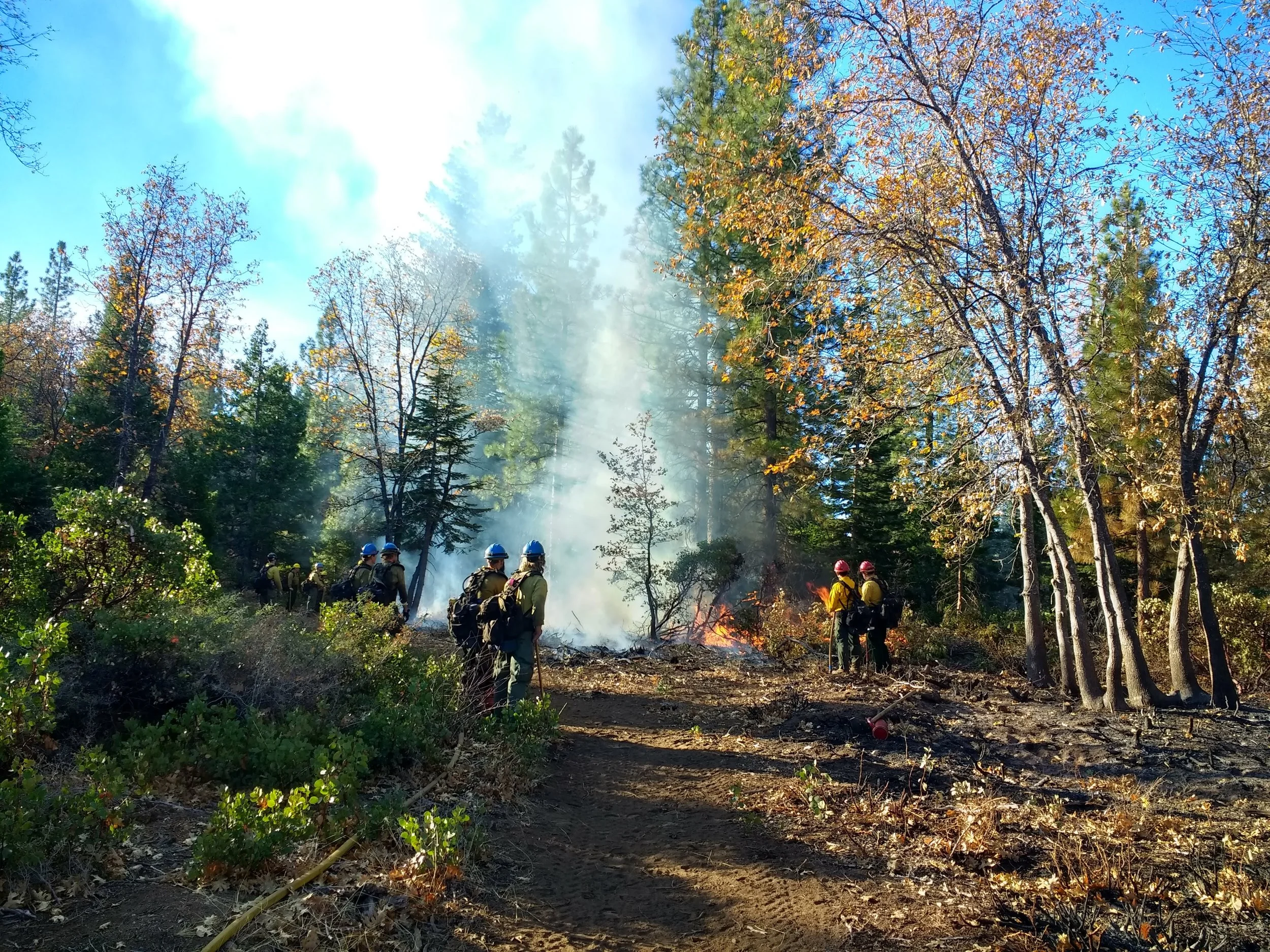
The shift in recent decades has been for the Forest Service and other land management agencies to acknowledge the importance of reincorporating fire into land management as an essential and natural ecological process. This is accomplished through prescribed burns and, when conditions are right and a natural ignition occurs in a suitable area, allowing some wildfires to burn without prioritizing full suppression as part of a managed wildfire approach. The goal of reintroduction, regardless of method, is the same: to harness the ecological benefits of fire while mitigating risks to communities, firefighters, and resources. This evolving approach represents a more holistic and sustainable way of responding to wildfires in the face of changing environmental conditions.

A little known but common response
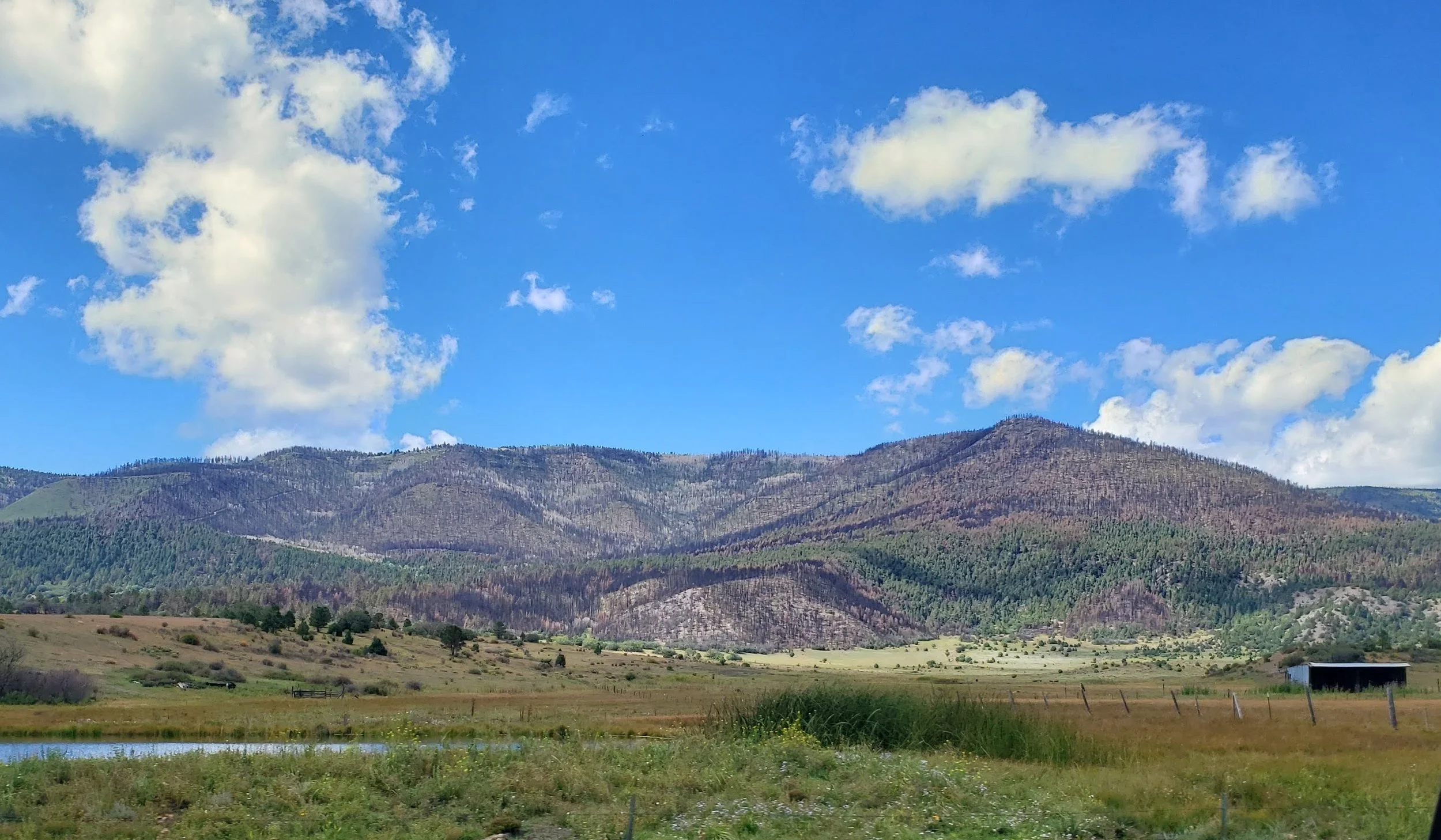
While full suppression is still used as the primary fire response strategy, especially during the hottest and driest months of the year, managed wildfires are a commonplace occurrence on the landscape. The combined footprint of managed wildfires in the western contiguous United States covers an average of 268,000 acres annually, and managed wildfire has been a dominant fire response strategy in Alaska. A strategy other than full suppression is chosen more often later in the season, usually starting after dangerous wildfires have been contained and when managers know that a significant precipitation is likely in the next six to eight weeks. Because managed wildfires generally burn under cool, moist, and moderate weather conditions, they tend to exhibit low- to moderate-fire severity. A managed wildfire strategy is also more likely to be implemented when the fire in question ignites far from communities or other values at risk, is likely to remain small based on natural barriers or containment features, and presents as less complex, requiring the involvement of fewer firefighting agencies and resources. Detailed case studies of managed wildfire found opportunities and obstacles to the strategy were “strongly shaped by local interagency and cross-jurisdictional contexts” such as federal, state, and local policy, Forest Plans, internal agency directives and culture, operational concerns, and real or perceived internal and public support for the strategy.

Benefits of managed fire

Reburns: in general, wildfire has a moderating effect on subsequent fires. Studies have found that in the ten years following a wildfire, subsequent fires experience reduced severity. This is true of managed wildfires, which generally burn under more moderate weather conditions and contribute to variable fire effects and surface fuel reduction that can mitigate future fire risk.
Forest structure: managed wildfires are effective at reducing tree densities, although perhaps not enough to return forests to historic conditions. Even repeat fire entries with predominantly low severity effects are not as effective for bolstering forest resilience as a single managed wildfire with moderate severity effects.
Waterways: in addition to mitigating effects on future wildfires and positive effects on forest structure, bringing fire back to fire-adapted forests benefits streams and rivers, promoting healthy water systems and reducing drought-induced tree mortality.
Cost: when and where wildfires can be managed for resource and community objectives, studies have demonstrated they likely cost less than full suppression wildfires. Additionally, where managed wildfires reduce fuels, they may also reduce the risk and cost of responding to future wildfires that burn through the same area.
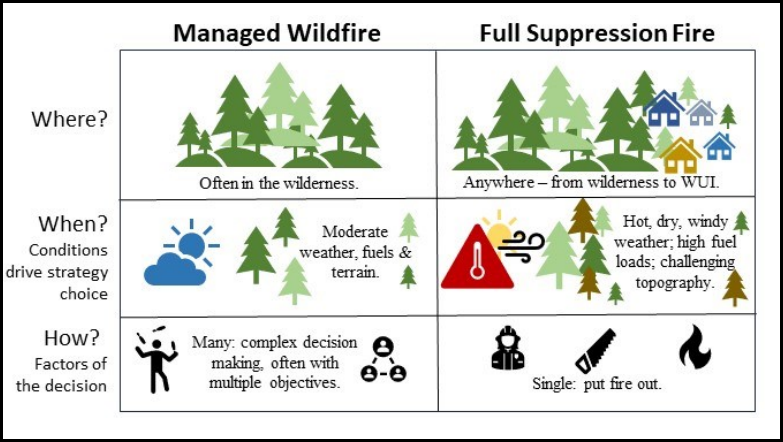
Figure comparing Managed Wildfire to Full Suppression Fire from the 2023 Southwest Fire Science Consortium Fact Sheet “Managed Wildfire: One fire response strategy’s history and use

Managed wildfires reengage the natural fire regimes that ecosystems evolved with, helping to reduce fuel loading, maintain biodiversity, and reduce the risk of catastrophic wildfires. By carefully planning and executing a managed wildfire, land managers can mitigate the long-term consequences of fire suppression policies, contributing to safer and healthier landscapes in the face of a changing climate.


Future Use

Facing the wildfire crisis

Increased management of wildfire for resource objectives will enlarge the area burned each year in the near term but will reduce the number of acres burned at high severity in the long term. Managed wildfire “can improve forest resilience and contribute to restoration efforts in fire-adapted forests,” but potential tradeoffs include increased smoke and declines in certain habitat types. Research comprehensively suggests that any long-term solution to the tremendous wildfire challenge facing communities and land managers across the western US will involve managed wildfire. Managing natural ignitions for resource and community benefit during moderate weather conditions offers hope for limiting future wildfire spread, reducing burn severity, and enhancing suppression effectiveness.
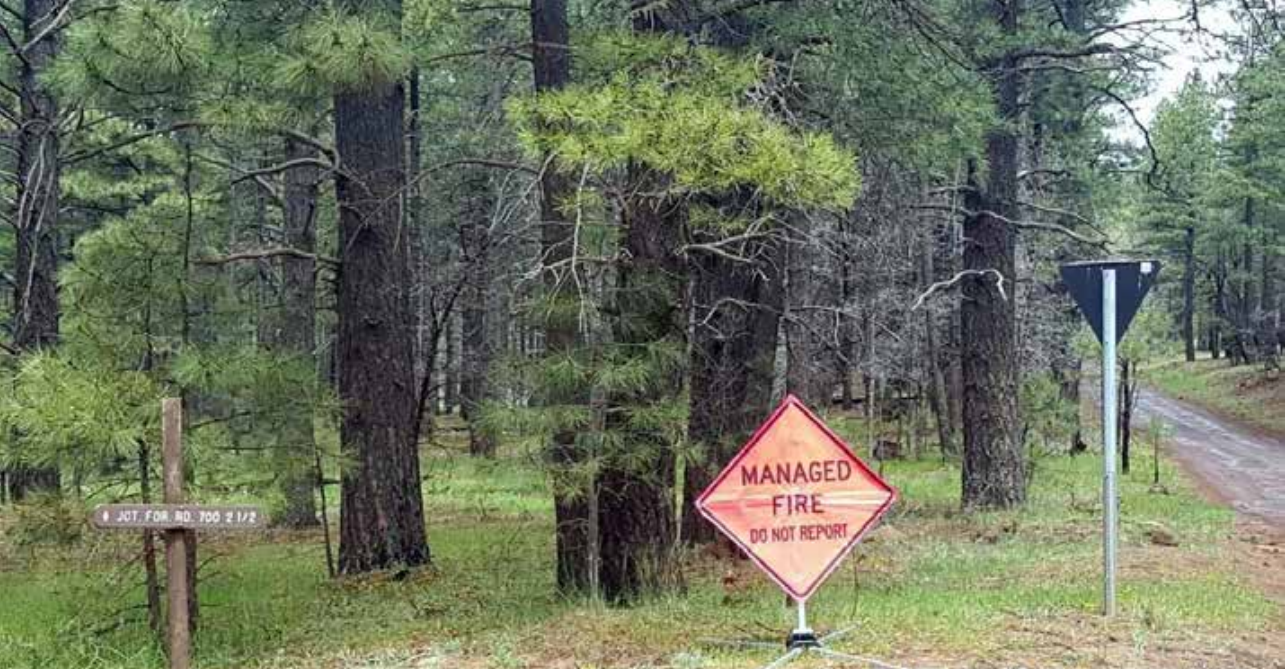
2016 Mormon Fire, Coconino National Forest. Photo courtesy of George Jozens, USDA Forest Service

An increase in the frequency and severity of managed wildfires will require careful risk management such as use of emerging fire modeling programs such as the Potential Operational Delineation (PODs) adaptive framework and clear communication with the public. Removing internal barriers, rethinking risk management, and reinvigorating the conversation around reintroduction of fire are logical and necessary next steps to increase utilization and facilitation of a restorative and cost-efficient forest management tool.

Managed fire and climate change

Incorporating the role of managed wildfires into the climate change resiliency conversation is crucial as we grapple with the far-reaching environmental transformations driven by climate change. These shifts encompass temperature variations, alterations in precipitation patterns, and increased frequencies and intensities of extreme weather events. These changes disrupt conventional ecological processes and render ecosystems more vulnerable to disturbances, including wildfires. As a result, understanding the significance of managed wildfires is pivotal in the context of climate change resilience. It underscores the dynamic nature of ecosystems and the necessity for flexible, responsive strategies. Raising public awareness about the ecological benefits of managed wildfires in the context of climate change resilience is equally vital. This can lead to greater support for burn programs and foster a broader understanding of the intricate relationship between fire, ecosystems, and climate change.

Managed fire research and factsheet

Other Resources

Grant opportunity

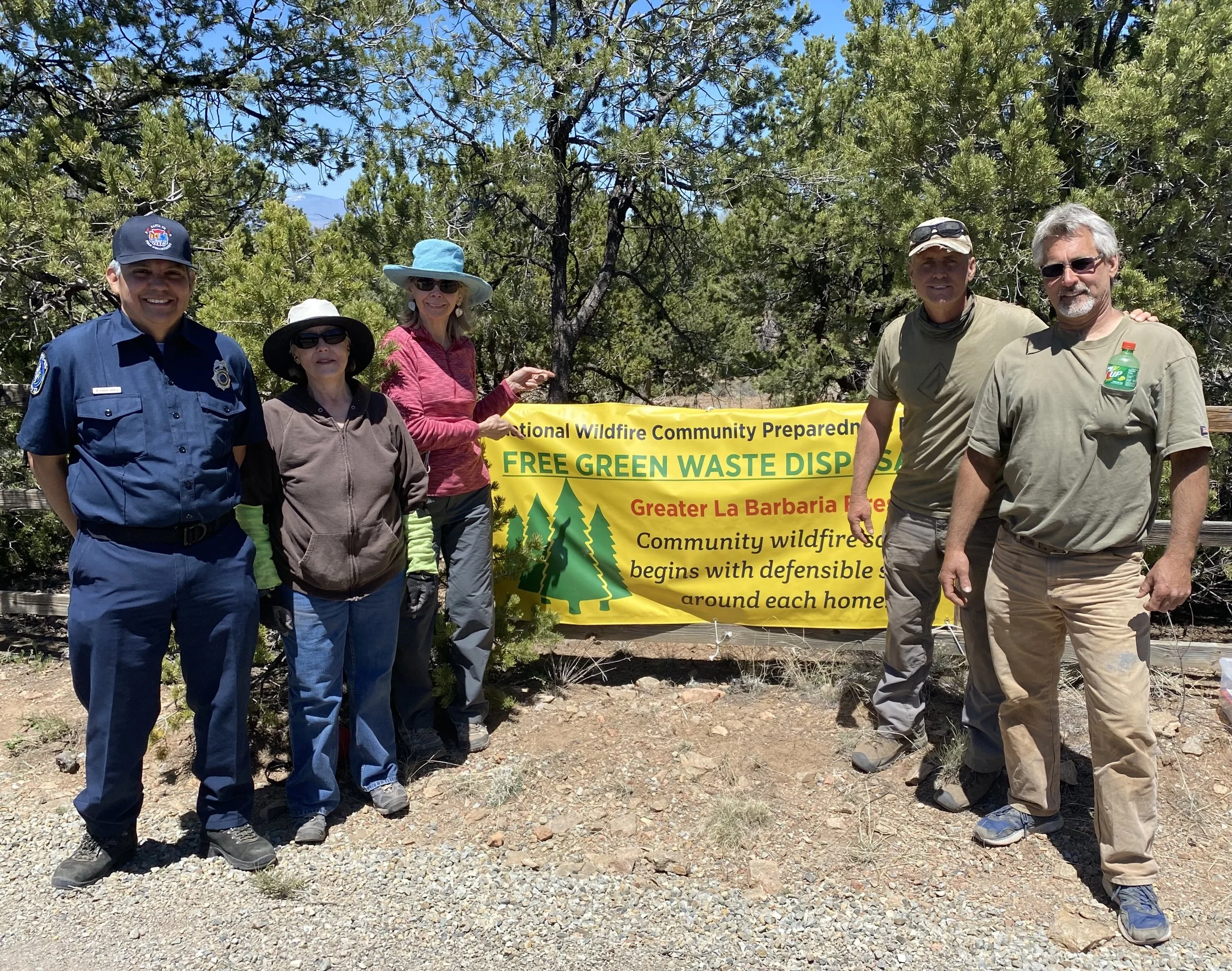
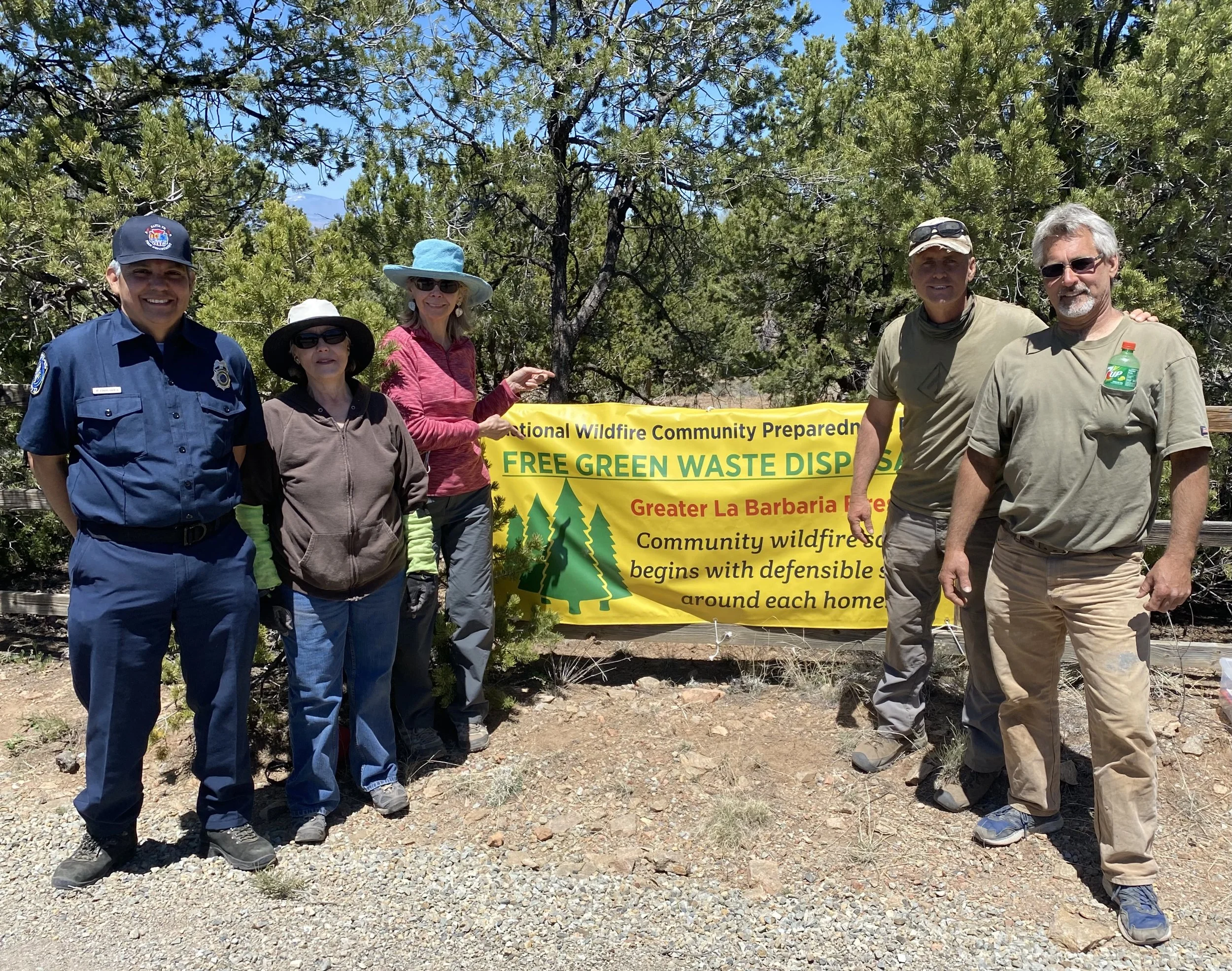
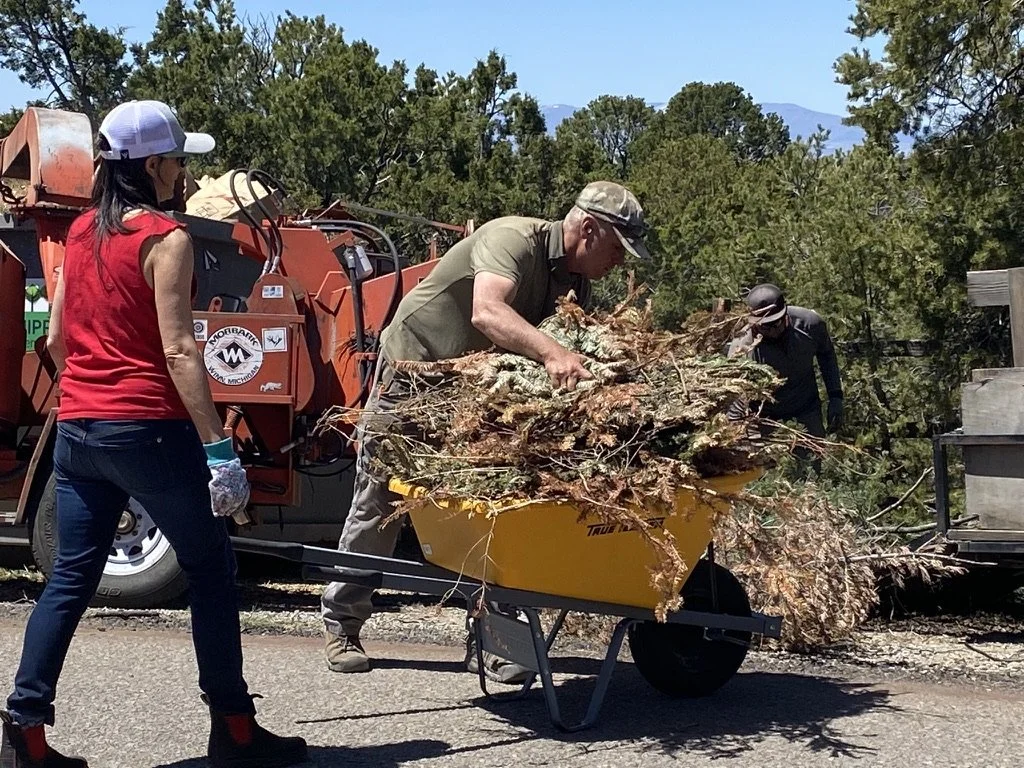
Photo from a green waste disposal event for the community of La Barbaria, made possible by Round 1 microgrant funding from FACNM.

Fire Adapted Communities NM is offering grants of up to $2,000 to network Leaders and Members seeking financial assistance for:

  • convening wildfire preparedness events,

  • enabling on-the-ground community fire risk mitigation work, or

  • grant proposal development to ensure the sustainable longevity of their Fire Adapted Community endeavor.

Proposals demonstrating community benefit or FAC capacity building are considered on a semi-annual basis; read about project successes funded by Spring 2023 - Round 1 microgrants. Grantees will be reimbursed for applicable expenses up to their awarded grant amount.

Learn more
Already a member? Apply for a grant

Webinars

Wednesday, 13 September at 12:00pm MDT: Grassification and Fast-Evolving Fire Connectivity and Risk in the Sonoran Desert
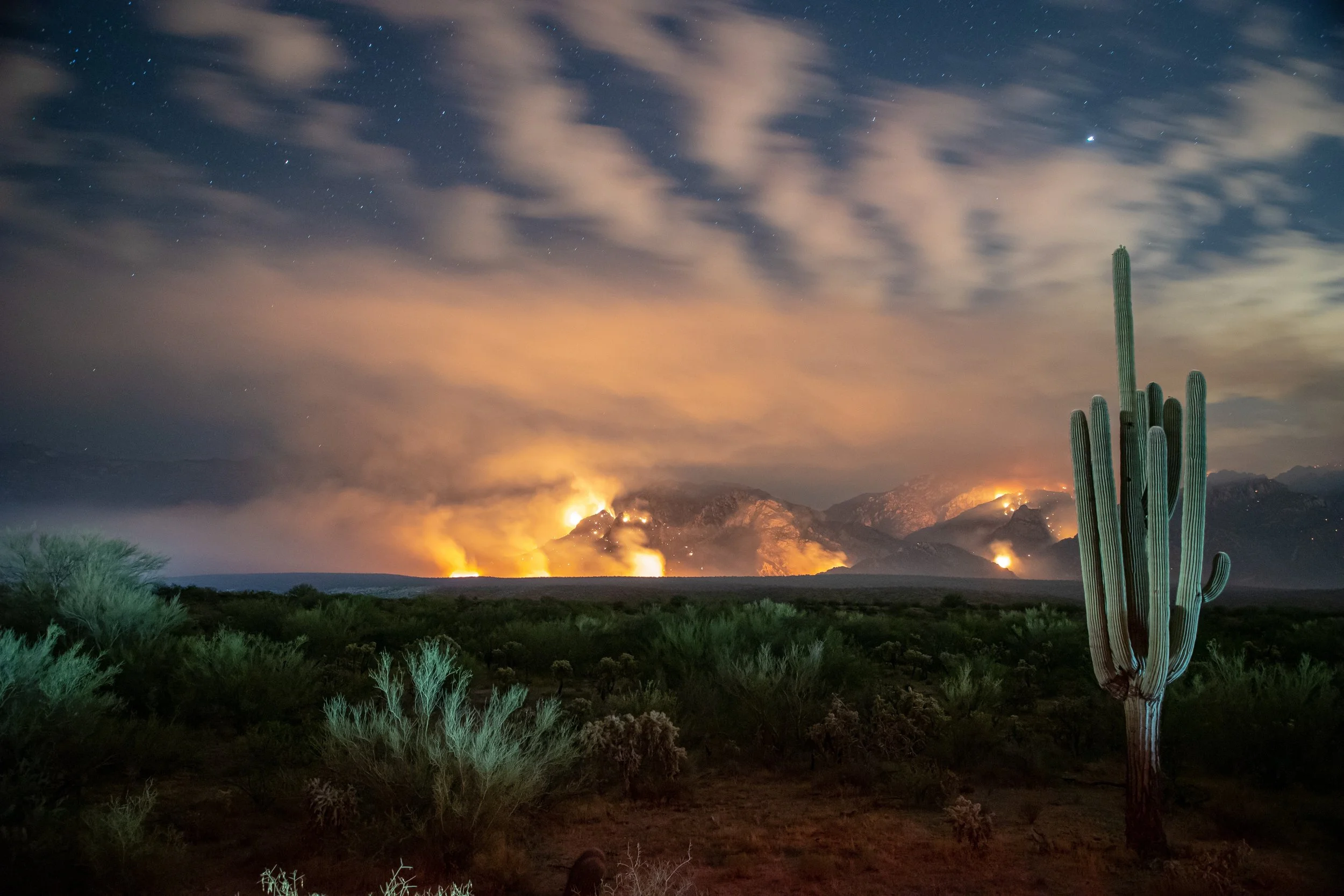
In the second webinar of a series on invasive grass-driven changes in dry desert systems, presenters will discuss their findings on fire dynamics in the 2020 Sonoran Desert Bighorn Fire near Tucson, AZ to better understand the changing nature of fire in desert systems which are increasingly experiencing conversion to grasslands.
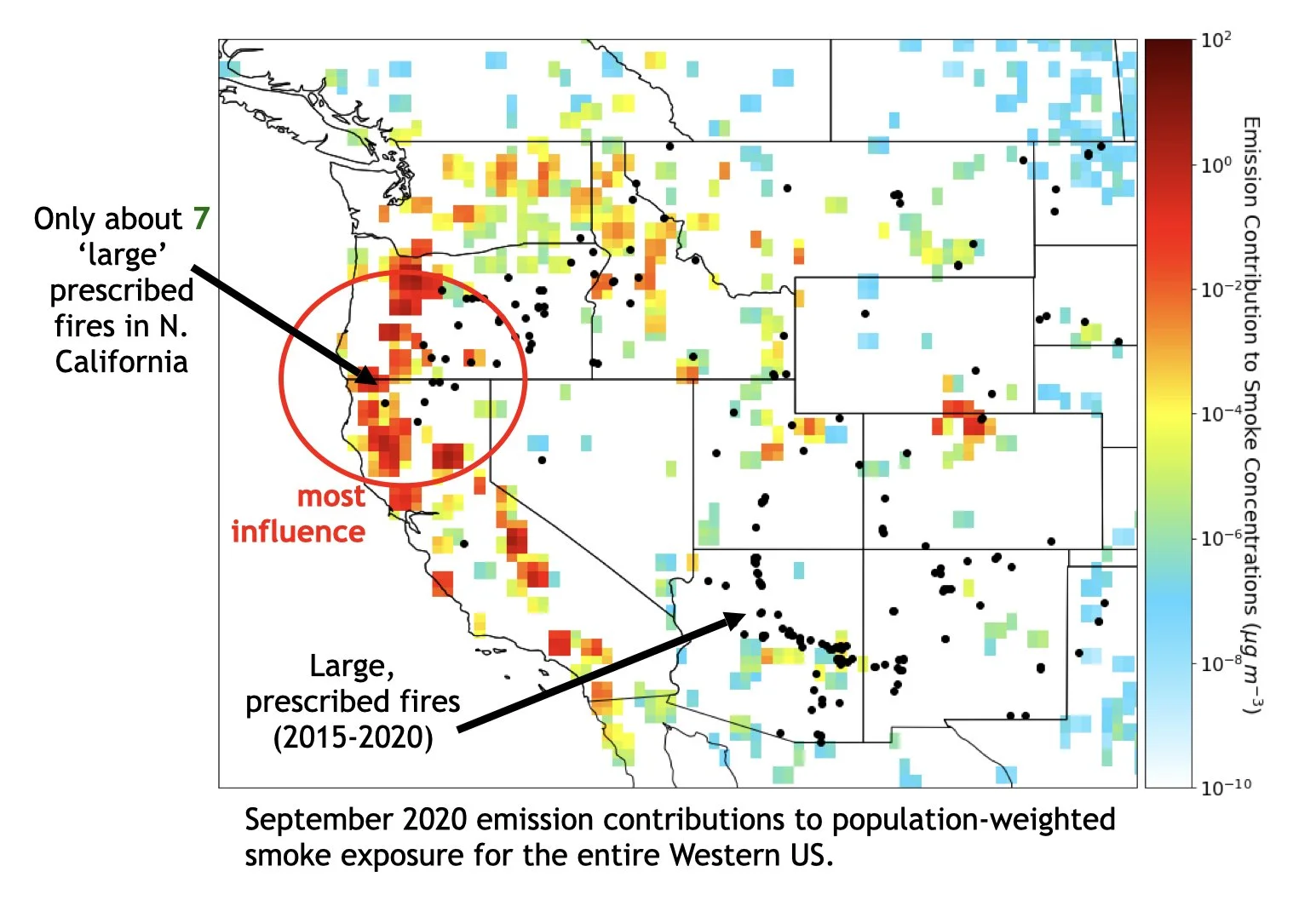
REGISTER FOR THE SEPTEMBER WEBINAR

Wednesday, 11 October at 12:00pm MDT: Prescribed Burns as a Tool to Mitigate Future Wildfire Smoke Exposure
Tune in for a webinar co-hosted by FACNM and the SW Fire Science Consortium! This presentation will introduce research on how targeted prescribed burn treatments in heavily forested Western states may have an outsized impact on improving air quality forecasts for the entire western U.S. by reducing the likelihood of future wildfire smoke.

REGISTER FOR THE OCTOBER WEBINAR

Recent research

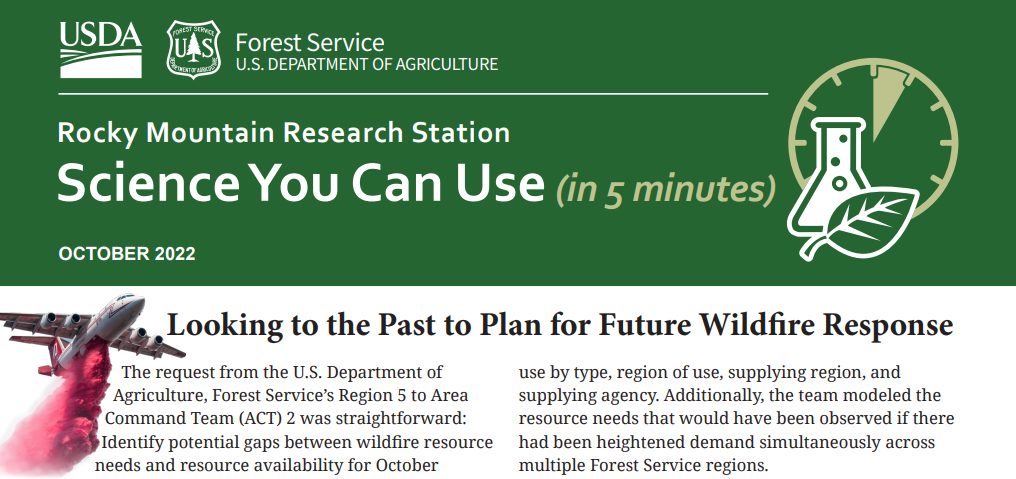
Planning for future fire resource needs: the Science You Can Use bulletin titled “Looking to the Past to Plan for Future Wildfire Response” focuses on how characterizing where firefighting personnel and equipment are coming from, both geographically and by managing agency, may help fire managers project how to fill future resource needs.

Read the paper

Giving Power to Communities for Fire Resilience: An Interview from the Fire Adapted Communities Learning Network dives into the importance of partnership, meaningful community engagement, and creating local intentional burn opportunities in order to foster community fire resilience.
Read the blog

Wildfire Wednesdays #118: Southwest Fire Climate Adaptation Menu

Happy Wednesday, Coalition readers!

There are many organizations, entities, and companies who offer tools, templates, and guidelines to prepare for wildfire. We regularly cover these resources here in the blog, including a Fire Preparedness Day ‘Menu’ from the National Fire Protection Association, information about the Home Ignition Zone and Defensible Space, a video series called Seven Saturdays to a More Fire Resistant Home, and many more.

One aspect of these tools that is sometimes overlooked or under-investigated is climate change. This phenomenon does and will continue to impact the likelihood, behavior, location, and severity of future wildfires, especially in the Southwest. Today’s Wildfire Wednesday addresses the parallels between climate readiness and Fire Adapted Communities as we dig into the Southwest Fire Menu, a product from Southwest FireCLIME: Research and Resources for Managing Fire in a Changing Climate.

Today’s Wildfire Wednesday features information on:

  • The Southwest Fire Menu basics

  • Useful tips and tricks to get started

  • How to get involved in the climate & fire conversation

  • Other resources and upcoming opportunities

Be well and stay fire safe as you enjoy the final month of summer!
Rachel


The Basics

An introduction to the Southwest Fire Menu

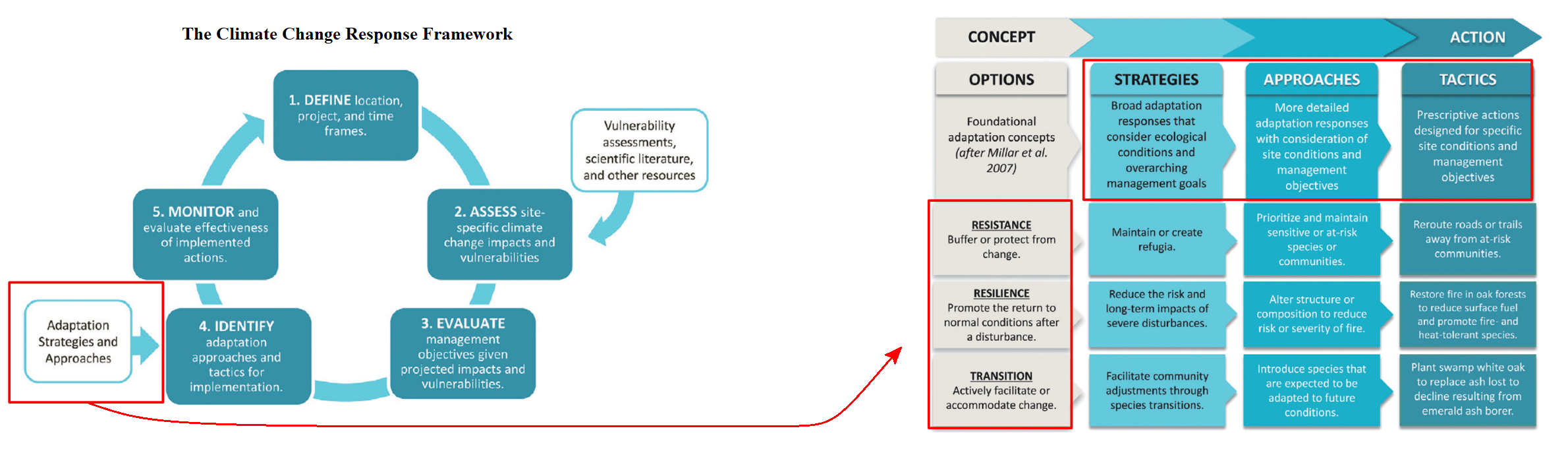
“Forests across the United States are expected to undergo numerous changes in response to the changing climate” write the authors of the second edition of Forest Adaptation Resources: climate change tools and approaches for land managers (2016). This paper, upon which the Southwest Fire Menu is based, “provides a collection of resources designed to help forest managers incorporate climate change considerations into management and devise adaptation tactics.”

From Forest Adaptation Resources: climate change tools and approaches for land managers, 2nd edition (2016) by Swanston, et al.

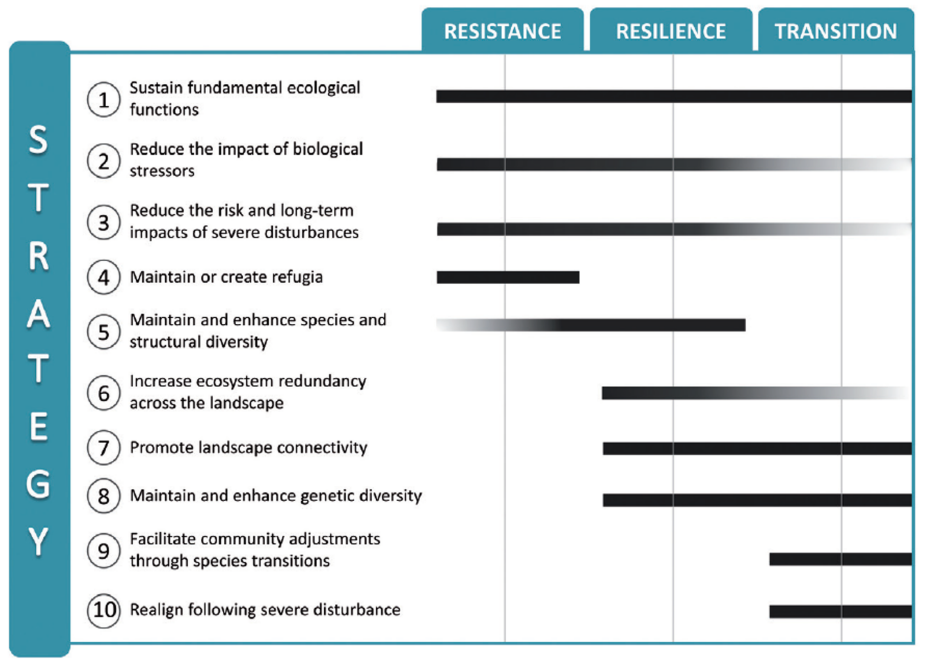
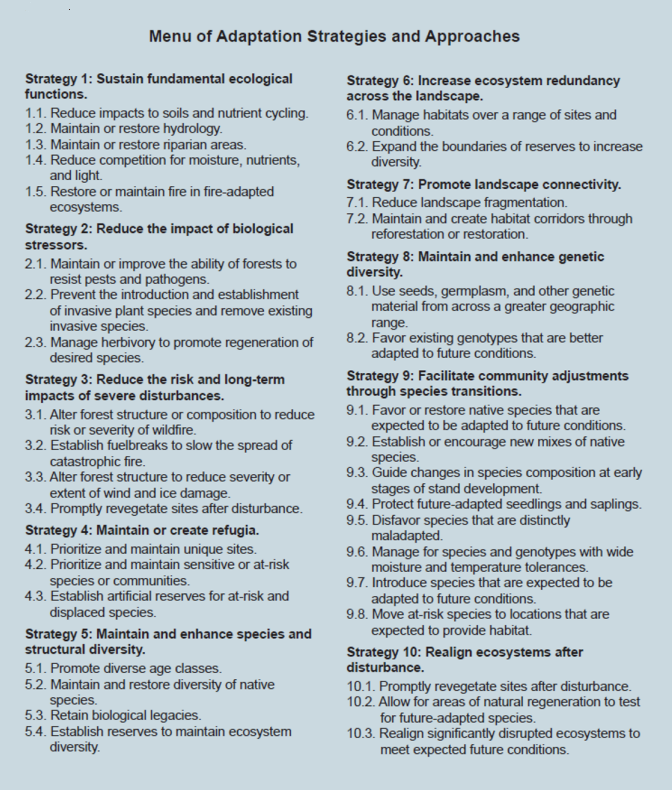
While the source publication details all five steps in the Climate Change Response Framework, including Define, Assess, Evaluate, and Monitor, the SW Fire Menu homes in on Identify: adaptation strategies and approaches for managing fire under future climate conditions. It is a product of Southwest FireCLIME, a regional initiative that applies the principles of science–management partnership and the co-production of knowledge to identify information needs related to climate-fire-ecosystem dynamics within the management community. Under the umbrella of Adaptation Strategies and Approaches, the Menu offers 10 ways that natural resources professionals can approach land management under an uncertain climate future.

The 10 strategies

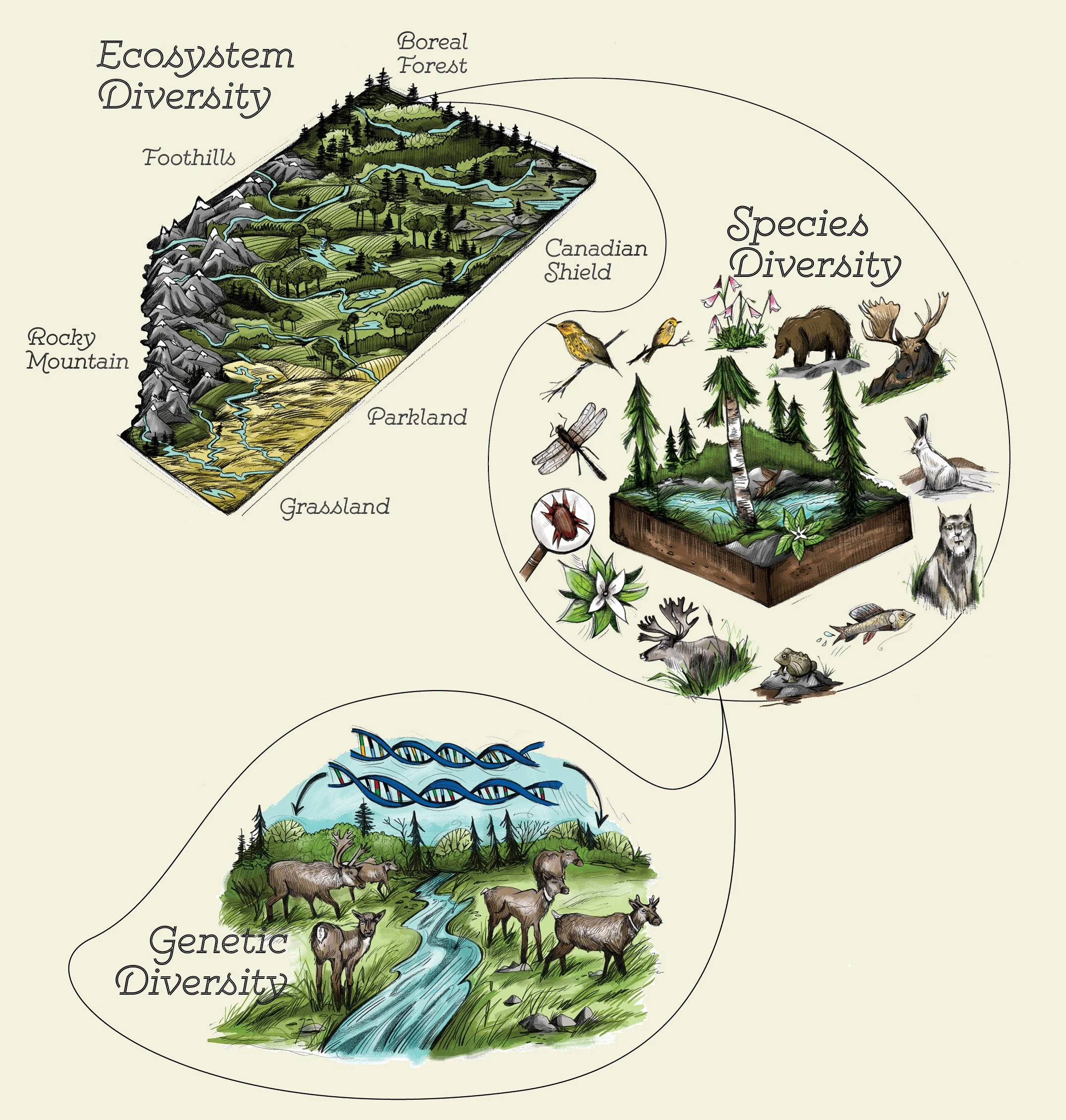
Image courtesy of Lumen Learning: The Diversity of Life

  1. Sustain fire as a fundamental ecological process
    Returning fire to landscapes and cultures where it has been artificially excluded has been shown to have a variety of ecological and social benefits, including the reduction in future wildfire activity that is more likely to occur at undesired spatial scale or severity.

  2. Reduce biotic and abiotic stressors affecting fire regimes
    When biotic or abiotic stressors alter fuel regimes and fire risk, fire regimes can undergo drastic changes over short periods of time.

  3. Reduce the risk of unacceptable fire
    Unacceptable fires may be ecologically uncharacteristic, socially undesirable, or both. Generally, management actions taken to reduce the risk of unacceptable fire will be preventative as opposed to reactive.

  4. Limit the effects of unacceptable fire and promote post-fire recovery
    Fire regimes altered by climate change are more likely to result in fires that are considered unacceptable. Thus, preventative treatment (pre-fire) and active restoration (post-fire) are important considerations necessary for mitigating ecosystem effects and enhancing recovery.

  5. Maintain and enhance structural, community, and species diversity using fire and fuels treatments
    Promoting higher structural, community, and species diversity from the stand to landscape scale will increase the likelihood that some subset of species and vegetation communities will persist in the future.

  6. Identify, promote, and conserve fire- and climate change-adapted species and genotypes
    Conserving and promoting climate- and fire-resilient species and genotypes that are already present may allow a similar vegetation community to persist further into the future.

  7. Facilitate ecosystem adaptation to expected future climate and fire regimes
    Promoting species adapted to future conditions increases the likelihood that forests and other fire-adapted ecosystems will persist through or recover from increased fire disturbances and novel fire regimes, reducing the likelihood of undesirable vegetation type conversion.

  8. Use fire events as opportunities for ecosystem realignment
    The immediate aftermath of a disturbance provides a very practical window for realigning successional trajectories to expected future conditions instead of historical references.

  9. Promote organizational and operational flexibility
    Management organizations that are able to respond adaptively and creatively to changing fire regimes may be able to increase efficiency and successful outcomes of management actions.

  10. Promote fire-adapted human communities
    Individuals and communities have essential responsibilities within a climate adaptation framework, both in modifications to the physical environment and our collective understanding of challenges and solutions.

All 10 strategies are organized within a decision-making system commonly applied to management of post-fire landscapes called the R-A-D framework (Resist-Accept-Direct). Within the Menu, each strategy fits under one or more of these three concepts: Resistance, Resilience, and Transition.

LEARN MORE ABOUT THE 10 STRATEGIES

Using the Menu

Tips and tricks to get started

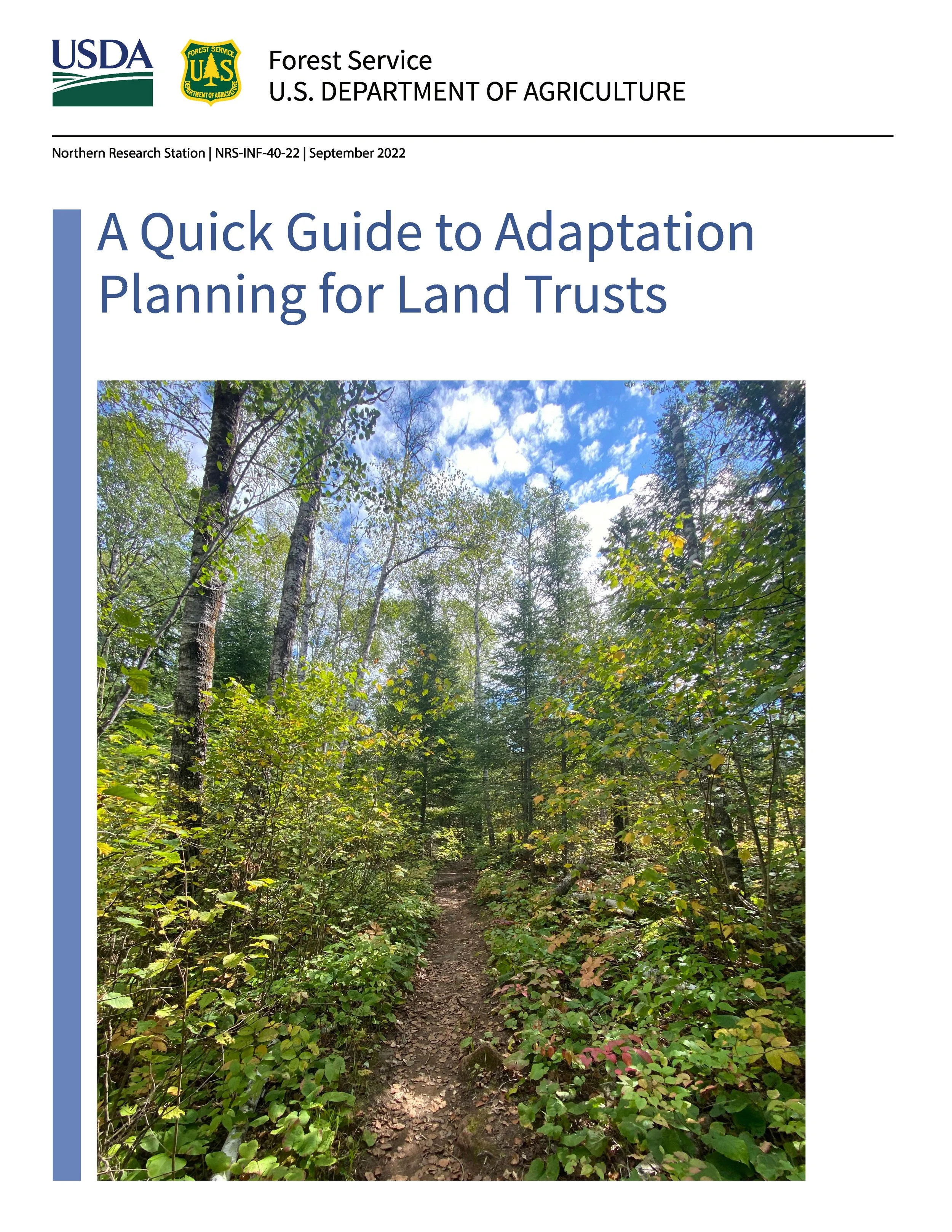
The Menu is intended to be used as part of the Adaptation Workbook process developed by the Northern Institute of Applied Climate Science (NIACS) and available online through the Climate Change Response Framework (CCRF). The Adaptation Workbook provides a structured yet flexible approach for integrating climate change into conservation and management projects. CCRF offers an implementation guide for both natural resources professionals and land trusts. These guides offer a short description and example for each step of the adaptation process, as described above. They are intended to be utilized in the beginning planning stages of a natural resources project, but are good to refer to at any point. A four-page set of worksheets at the end of the guide can be used to do a quick and easy exploration of adaptation for a small project area.

ESTRATEGIAS Y MÉTODOS DE ADAPTACIÓN

Tactics for implementation and examples of each of the 10 strategies outlined in the Fire Menu can be found on FireCLIME’s website as a dropdown for each individual strategy; additional examples and suggestions can be found in the parent paper’s Appendix A. Fire Menu with Example Tactics.


Get Involved in Climate and Fire Planning

Next steps to learn more

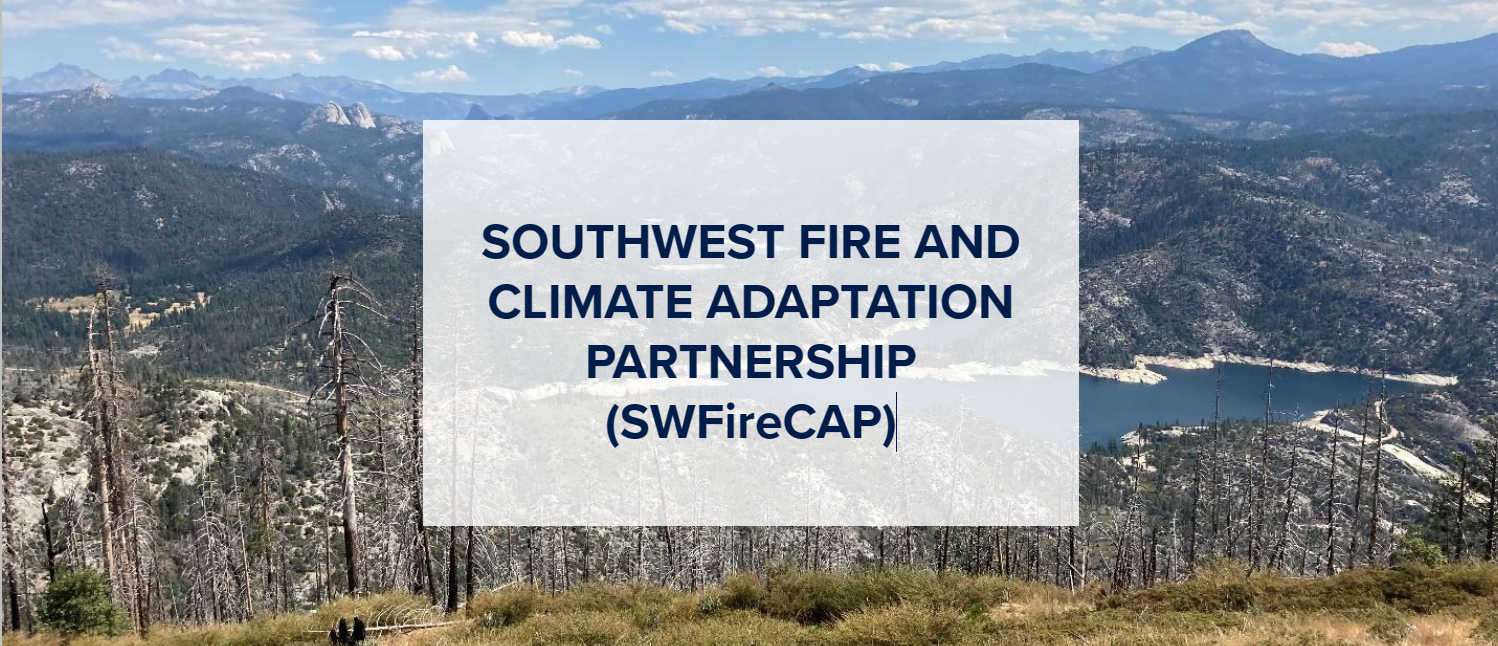
Housed under the Southwest Climate Adaptation Science Center at University of Arizona, the Southwest Fire and Climate Adaptation Partnership (SWFireCAP) is an open and inclusive group of partners with a shared vision for working together to advance fire and climate adaptation in the southwestern US. Their work is founded in the belief that the monumental task of effective climate adaptation requires cross-organization collaboration and leveraging of people, time, resources, and funding. Initiated by the Southwest Climate Adaptation Science Center and the Southwest Fire Science Consortium, the SWFireCAP now has several partner organizations and is open to anyone interested in the intersection of climate change and fire in the Southwest. The group offers research briefs, project summaries and publication, roundtables for targeted discussion (on-the-ground adaptation and cultural burning), workforce development fellowships, and more.

The SWFireCAP’s vision is “working together to advance fire and climate adaptation in the Southwest.” They are guided by the principles of inclusivity, cultural awareness, collaboration, evidence informed, consensus based, transparency, and collective impact.

LEARN MORE ABOUT FIRECAP

Other Resources

Webinars

Wednesday, 13 September at 12:00pm MDT: Grassification and Fast-Evolving Fire Connectivity and Risk in the Sonoran Desert
In the second webinar of a series on invasive grass-driven changes in dry desert systems, presenters will discuss their findings on fire dynamics in the 2020 Sonoran Desert Bighorn Fire near Tucson, AZ to better understand the changing nature of fire in desert systems which are increasingly experiencing conversion to grasslands.

REGISTER FOR THE SEPTEMBER WEBINAR

Wednesday, 11 October at 12:00pm MDT: Prescribed Burns as a Tool to Mitigate Future Wildfire Smoke Exposure
Tune in for a webinar co-hosted by FACNM and the SW Fire Science Consortium! This presentation will introduce research on how targeted prescribed burn treatments in heavily forested Western states may have an outsized impact on improving air quality forecasts for the entire western U.S. by reducing the likelihood of future wildfire smoke.

REGISTER FOR THE OCTOBER WEBINAR

Local conferences

November 6-10, 2023: 6th National Cohesive Wildland Fire Management Strategy Workshop
Read more and register now for this national gathering of fire management professionals working in in local, state, Tribal and federal agencies and organizations as well as non-governmental organizations and private companies! Hosted by the National Fire Leadership Council, the workshop will focus on peer-to-peer learning centered around a shared framework for the future.

REGISTER FOR THE WORKSHOP

Recent research

Home hazard assessments: the Science You Can Use bulletin titled “Sometimes Simple Works: The Value of Rapid Parcel-Level Wildfire Risk Assessments” focuses on how the rapid property assessments conducted by a Wildfire Research (WiRē) team for a Colorado neighborhood held up when the East Troublesome Fire burned through the area. WiRē has conducted assessments and public opinion surveys in the greater Santa Fe area, the results of which are expected to be released later this year.

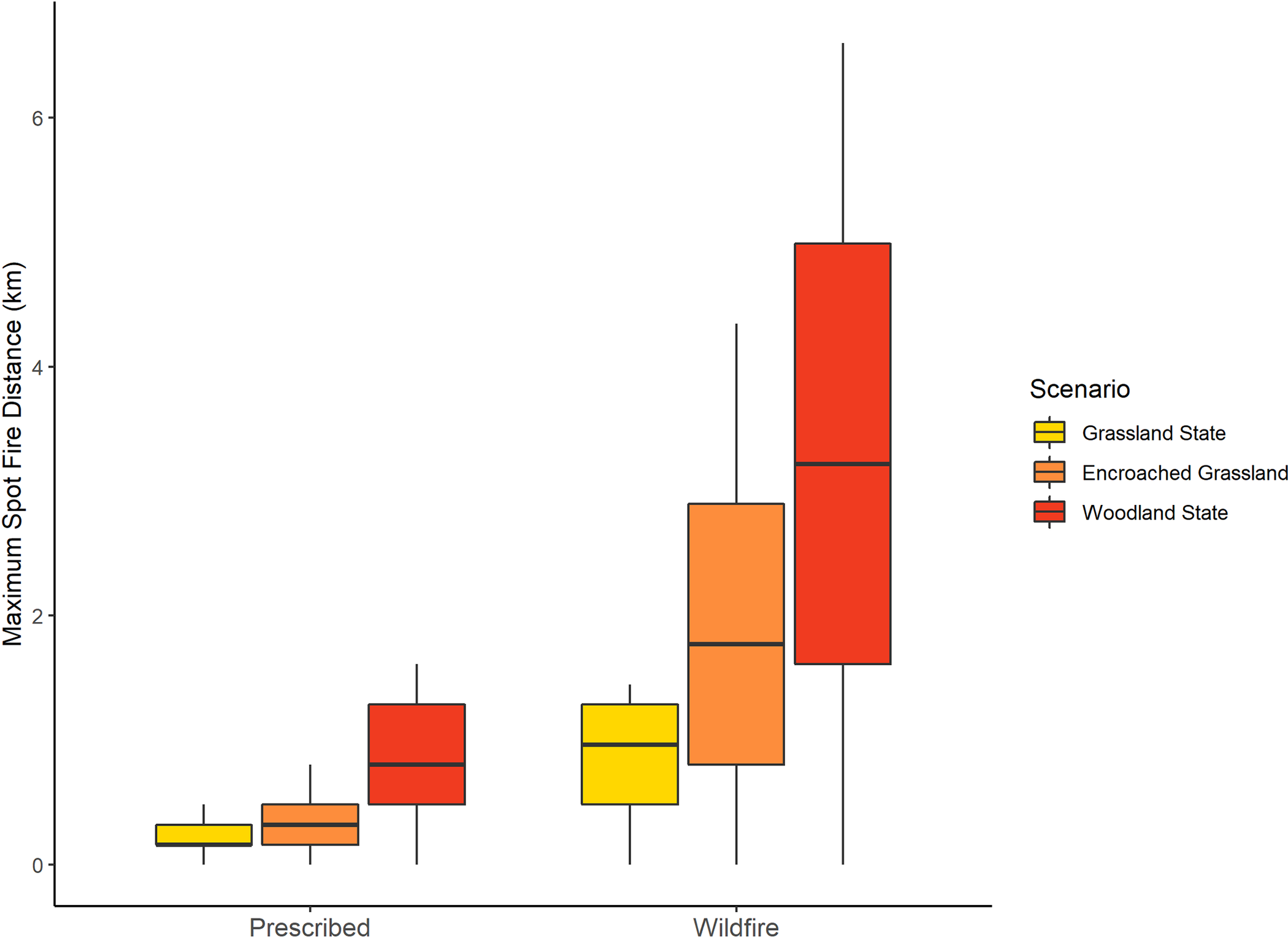
Fire behavior in wildland versus prescribed fires: “Spot-Fire Distance Increases Disproportionately for Wildfires Compared to Prescribed Fires…” is based on work in the Loess Canyons Experimental Landscape in Nebraska. This research investigates how forest encroachment into grasslands drastically increases risks associated with wildfire, and how spot fire (embers from one fire causing a new fire ignition) distances associated with woody encroachment are much lower in prescribed fires used to control woody encroachment compared to wildfires.

Movie night

Rocky Mountain PBS aired the half-hour documentary “CO-Existing With Wildfire” in July 2023. It is now available to stream.  

Wildfire Wednesdays #117: Community Wildfire Defense Grant Program

Happy Wednesday, Fireshed folks.

The Southwest’s delicate ecological balance is increasingly disrupted by the devastating force of high severity wildfires, wreaking havoc on landscapes, homes, and lives. In recent years, the frequency, intensity, and impact of wildfires have grown, highlighting the urgent need to implement effective mitigation strategies. The Community Wildfire Defense Grant (CWDG) Program was introduced in 2022 as a tool to assist communities across the US grappling with a growing threat. This innovative initiative is about more than funding; it represents a united desire, from Washington D.C. to our own backdoors, to create and bolster resilience against the fires that threaten our homes and environment. In this week’s Wildfire Wednesday, we delve into the basics of the Community Wildfire Defense Grant Program, exploring its significance, objectives, and the transformative impact it aims to have on wildfire management.

Today’s Wildfire Wednesday features:

  • An introduction to CWDG

  • Round 1 awards and insights

  • Application tools & data

  • Round 2 announcement

  • Upcoming opportunities

-Alyssa


What is the Community Wildfire Defense Grant Program?

An overview

The Community Wildfire Defense Grant (CWDG) Program is a comprehensive approach to building community, ecological, and structural resilience and preparedness in the face of wildfires. Administered by the USDA Forest Service, this program stems from the recognition that safeguarding communities against wildfires requires a multifaceted strategy. It aims to empower local communities, organizations, and agencies to forge partnerships that foster cooperation and shared expertise in order to create and implement wildfire protection plans.

The primary objectives of CWDG are twofold: to enhance community preparedness and to mitigate wildfire risks. This is achieved through a range of focus areas that address different aspects of wildfire defense:

  1. Community Engagement: The program encourages active participation from residents, local authorities, and fire departments. By fostering a culture of collective responsibility, communities are better equipped to identify vulnerabilities and devise strategies for prevention, early detection, and evacuation.

  2. Fuels Reduction: One pivotal component of wildfire management is reducing the amount of flammable material that can serve as fuel for fires in both urban and rural areas. The grant program supports projects such as vegetation management, thinning, controlled burns, and creating defensible spaces around homes and critical infrastructure.

  3. Education and Outreach: Knowledge and a shared understanding of needs and objectives are the cornerstone of an effective wildfire defense. CWDG prioritizes educating communities about fire-safe practices, evacuation procedures, and the science of wildfires. Public awareness campaigns and workshops play a pivotal role in creating informed and prepared communities.

The CWDG initiative heralds a transformative shift in wildfire management. It nurtures collaboration among diverse stakeholders, blending traditional wisdom with current technological and scientific advancements. By focusing on both immediate action and long-term resilience, the program fosters a sense of ownership, ensuring that communities are not just recipients of assistance, but active participants in their own safety. 


Round 1: Autumn 2022

Awards and Insights

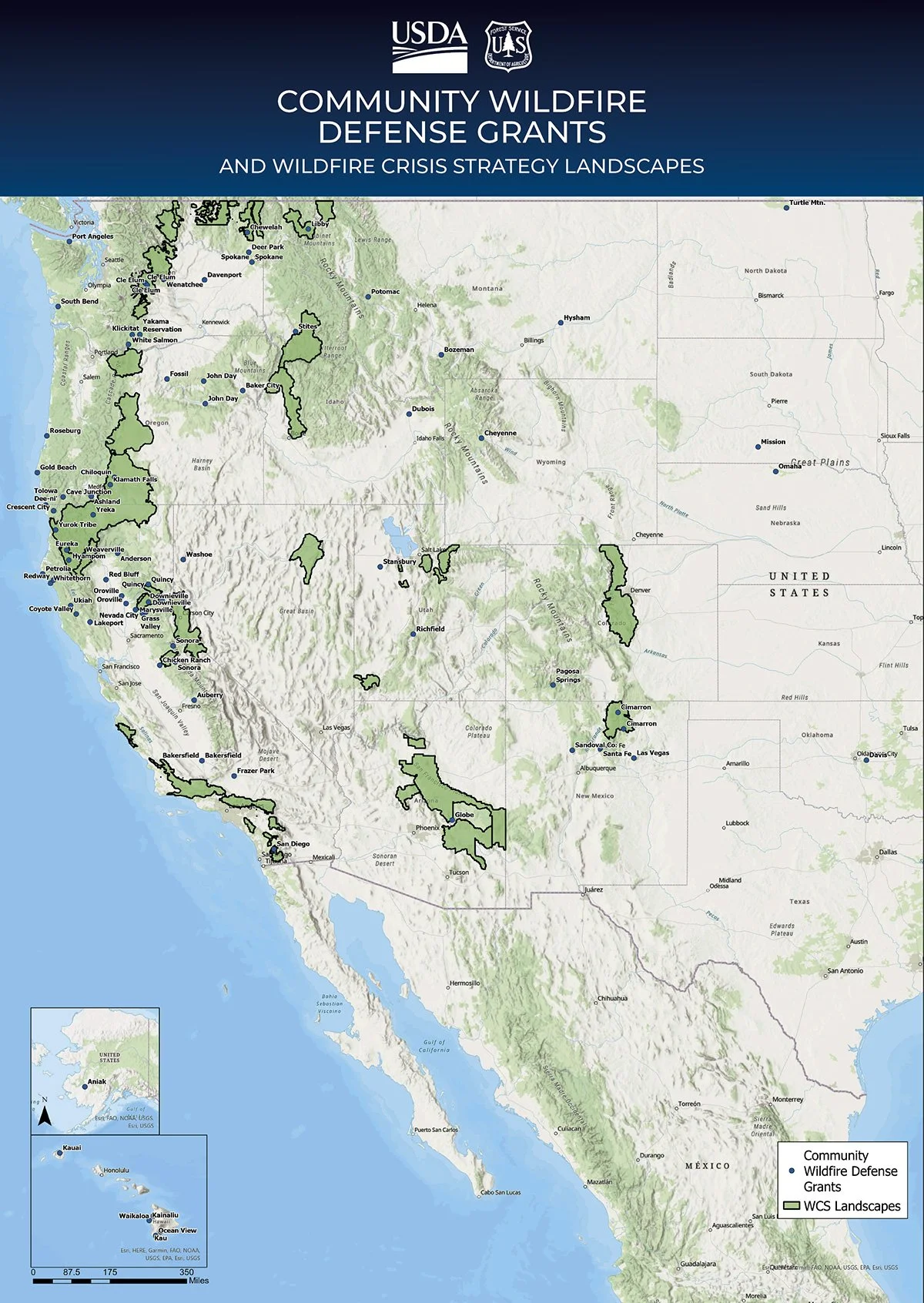
In a significant stride towards bolstering community wildfire resilience, the Community Wildfire Defense Grant Program's inaugural funding round has yielded promising outcomes. A total of 100 projects have been approved for funding, with an impressive allocation of $197 million dedicated to these initiatives. The program's wide reach is evident, as it spans across 22 states and extends support to 7 tribes, fostering a collaborative approach to wildfire mitigation. Notably, within this diverse landscape of projects, New Mexico stood out with five applicants successfully securing funding. These projects include:

  1. Colfax Collaborative Wildland Urban Interface Project ($8.8 million)

  2. Flying Horse Ranch Fuel Break Project ($1.8 million)

  3. Exercise and Project Implementation of Community Wildfire Protection Plan ($235k)

  4. Sandoval CWPP Update ($63k)

  5. Community Wildfire Mitigation in the Greater Santa Fe Fireshed ($1.3 million)


Application tools & data

Assistance evaluating risk for Round 2 applicants

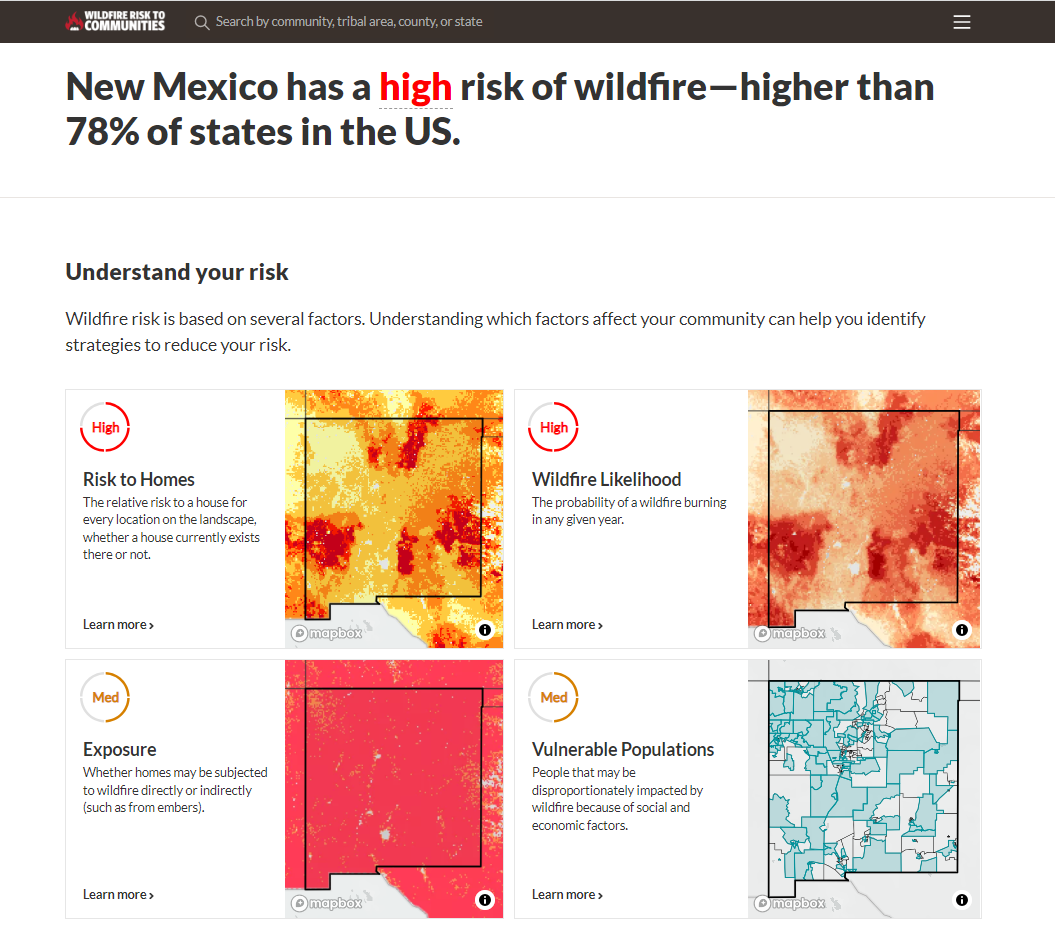
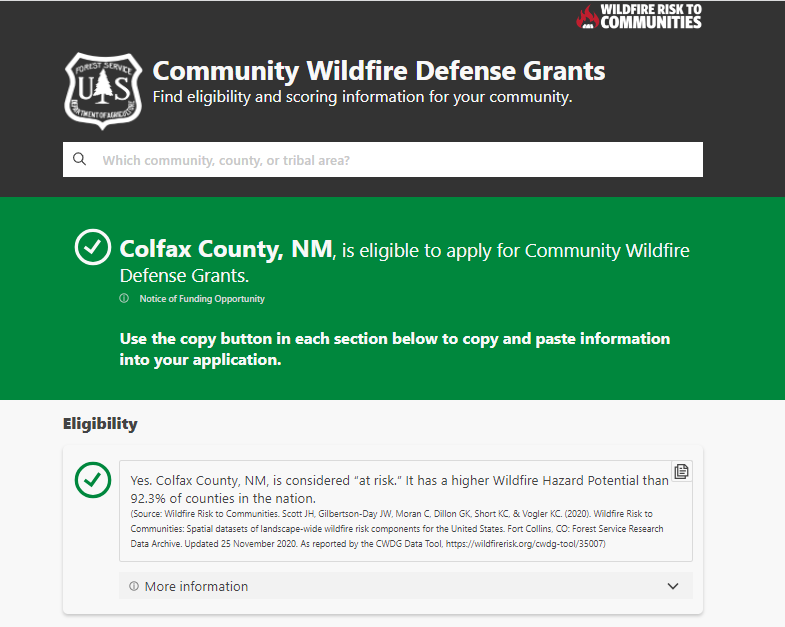
"Wildfire Risk to Communities" is a user-friendly website developed by the USDA Forest Service to aid communities in comprehending and decreasing their vulnerability to wildfires. This platform, established at the directive of Congress, offers interactive maps, charts, and resources to support informed decision-making. Utilizing the most up-to-date research insights, the website identifies and assesses wildfire vulnerability, equipping communities with the necessary tools to manage and mitigate these risks. The data used in the project is drawn from consistent sources like LANDFIRE for vegetation and fuels, the National Weather Service for weather information, and the U.S. Census Bureau for community data. Notably, wildfires and significant disturbances that happened after 2014 are not yet included in the data.

The website is primarily designed for community leaders such as elected officials, planners, and fire managers. It provides a broad perspective on risk across regions, states, and counties. While accessible for exploration online, the data can also be downloaded as GIS raster layers which enables more in-depth and personalized analysis. The website is intended to be used to compare risk among communities rather than within them and is not suitable for evaluating risk at the local, neighborhood, or individual home level.

An important feature is the CWDG tool, which allows users to specify a specific region or community and generate eligibility criteria data for their CWDG application. Applicants can cut and paste the risk information directly from the Wildfire Risk to Communities site into their application, increasing their likelihood to be selected for Round 2 funding by increasing their alignment with the application terms.


Workshop tips for applicants - recording available

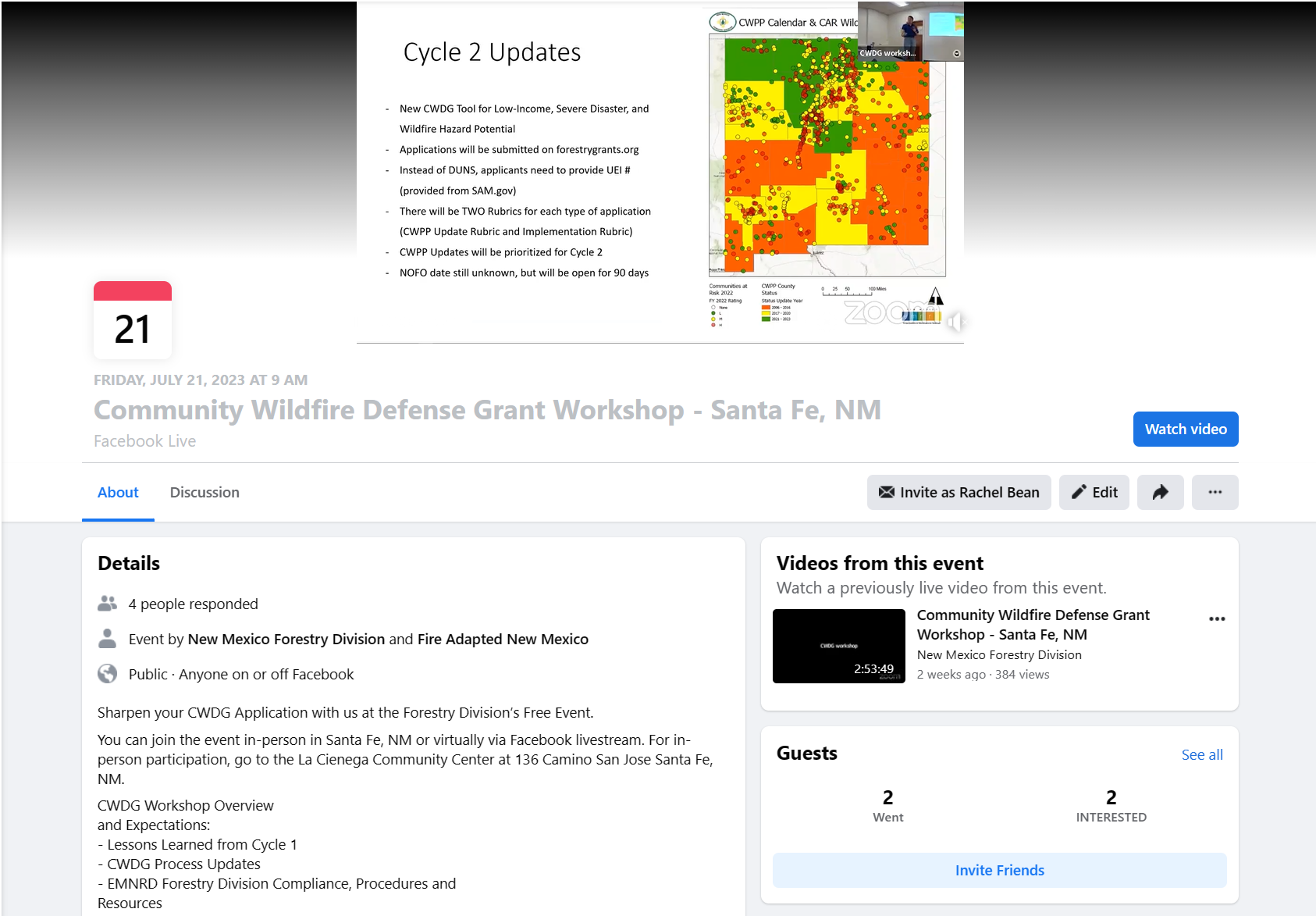
In July 2023, FACNM and the New Mexico EMNRD Forestry Division held a series of workshops to assist potential Round 2 applicants with their proposals. Topics included:

  • Lessons Learned from Round 1

  • CWDG Process Updates

  • EMNRD Forestry Division Compliance, Procedures and Resources

  • Cycle 2 Application Review

A recording of one such workshop, held in Santa Fe, is available for viewing on the FACNM Facebook page.


Round 2: Summer 2023

Request for Proposals now open

The second round of CWDG Program funding is open for applications until October 31, 2023!

Eligible entities include local governments in wildfire-prone areas, Tribes, non-profit organizations, state forestry agencies, and Alaska Native Corporations. There are two proposal categories: 1) Community Wildfire Protection Plan (CWPP) Development/Revision, and 2) CWPP project implementation. Priority will be given to applications representing high-risk areas, low-income communities, and those impacted by recent disasters. Funding limits range from $250,000 to $10 million per project, with potential for up to $250 million in total funding. Funds matching is required, with waivers available for specific cases.

Learn more about how to apply

Upcoming Opportunities

Webinars

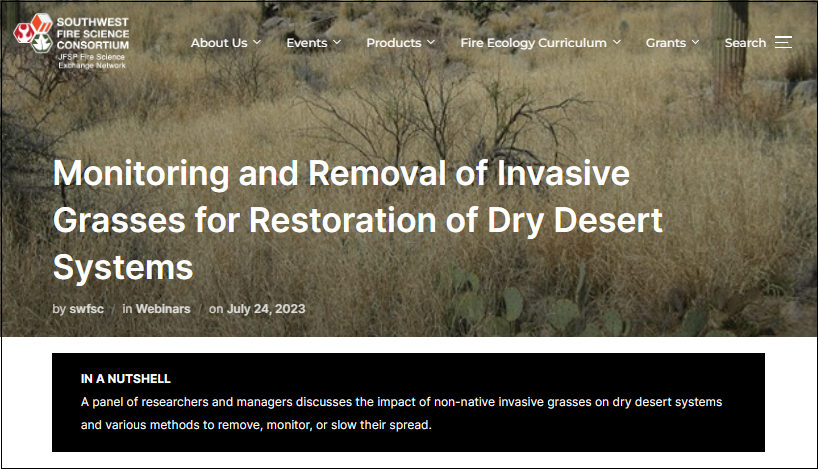
  • 10 August at 12pm MDT: Monitoring and Removal of Invasive Grasses for Restoration of Dry Desert Systems.
    In this webinar, a panel of scientists and practitioners will discuss a number of management techniques and research questions being utilized or tested in an effort to reduce the presence of introduced grasses and restore the historic fire regime in dry desert systems such as the Sonoran. This information can be used to improve current practices and help develop new approaches to slow the invasive grass-fire cycle in the southwestern US.

REGISTER NOW

Conferences

Learn about registration and the conference program

Wildfire Wednesdays #116: Seed Funding for Community Fire Preparedness

Happy Wednesday, GSFFC community!

Whether you’re a FACNM Leader, a seasoned FireWise community member, or are just learning about what it means to be fire adapted, figuring out where to start on the journey to community wildfire preparedness can feel pretty daunting. From the risk assessments to community organization to funding, there are a lot of details to work out.

In spring of 2023, FACNM began offering seed funding to FACNM Leaders and Members through a novel Microgrant Program. Individuals or Organizations could apply for up to $2,000 to buoy their community fire preparedness efforts - convening educational gatherings, enabling on-the-ground risk mitigation work, developing grant proposals to secure long-term funding, and more. In total, five applicants were chosen as award recipients and carried out a wide range of events, all of which aid in the development of Fire Adapted Communities.

Applications for a second round of funding for the FACNM Microgrant Program will be opening soon! To apply, ensure you are a registered FACNM Leader (click here to learn more) and visit the Microgrant webpage in mid-August to fill out the application form.

Today’s Wildfire Wednesday features:

  • Reports from the field: FACNM Microgrant success stories

  • Upcoming opportunities

Be well and stay cool,
Rachel


Reports from the Field: FACNM Microgrant Success Stories

Hazardous fuels removal - hauling and chipping:
The Overlook Homes Association and La Barbaria Canyon

In May, nineteen residents from The Overlook Homes Association and La Barbaria Canyon participated in their first annual National Wildfire Community Preparedness Day. The event was jointly coordinated by Greater Santa Fe Fireshed Coalition Ambassadors Ute Haker, Chris Schaum and Pam Ryan. Leading up to the Preparedness Day, community leaders engaged in educational outreach to other community members which focused on the concept of creating defensible space through vegetation removal, thinning, and home hardening.

The HOA received financial support from FACNM in the form of a Microgrant, as well as logistical support from Chris' Tree Service and the Forest Stewards Guild. Additional funding from Coalitions and Collaborative (COCO) AIM made it possible to offer residents, at no cost to them, both green slash disposal in a dumpster which was set on-site and slash chipping and hauling. The majority of material collected consisted of bagged needles, leaves and pinecones as well as ponderosa, pinion and juniper branches.

Participation between the two communities was evenly divided with a total of 4.25 tons of green waste collected over a period of 6 hours. All of the participants joined hands across the canyon in the true spirit of community to make this National Wildfire Preparedness Day a resounding success!   

Education and information exchange through in-person learning:
Wildfire Research Center (WiRē) and City of Santa Fe Fire

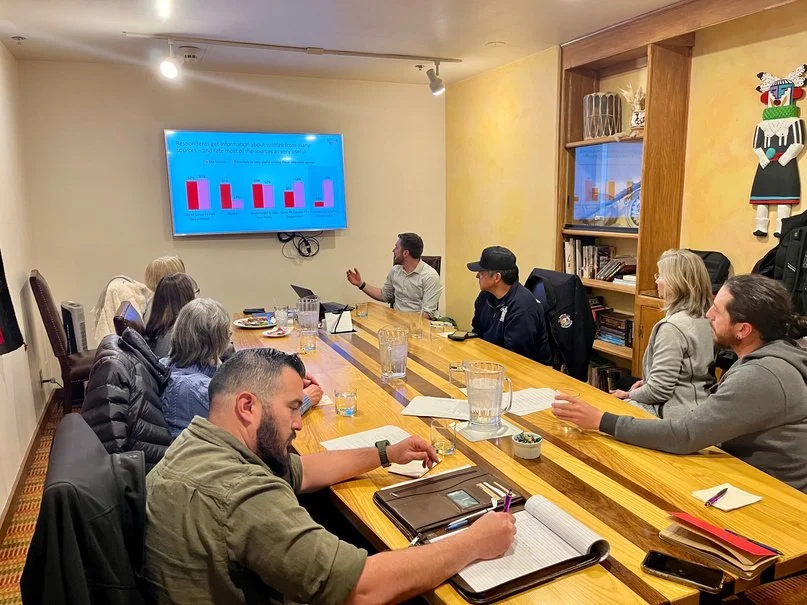
The City of Santa Fe Fire Department partnered with the Wildfire Research (WiRē) Center – a non-profit that works with wildfire practitioners across the western United States – to develop locally-tailored, evidence-based community wildfire education efforts so that communities can live with wildfire. Together, they conducted two data collection efforts: a rapid wildfire risk assessment of 965 residential properties, and a household survey sent to the owners of those same properties. The findings from this study are helping the City of Santa Fe Fire Department professionals better understand local wildfire risk and actions needed. These findings can also help residents know more about their property's risk and what actions they can take to reduce their risk.

WiRē Center was the recipient of a Fire Adapted Communities New Mexico (FACNM) Microgrant, which provided funding for space in which to hold in-person meetings with the Greater Santa Fe Fireshed Coalition and members of the Fireshed Ambassadors Program. In-person meetings enable more meaningful conversations among our collaborators, which leads to deeper understanding of the results of our project and how the data can be leveraged to inform programmatic improvements and more effective use of local resources. In the meetings supported by FACNM, WiRē presented on the results of our data collection efforts in Santa Fe to the Fireshed Coalition and its Fireshed Ambassadors tasked with public engagement, providing actionable information about wildfire mitigation.

These meetings were a catalyst for potential future projects. As a direct result of meeting with the Fireshed Coalition, they are considering a path toward a Fireshed-wide WiRē project. Some Fireshed Ambassadors expressed surprise at WiRē’s survey results and stated that those would inform how they interact with neighbors in the future. FACNM’s Microgrant support enabled the City to build momentum and generate ideas for how these data can be used to support wildfire adaptation in Santa Fe.

WUI fuels reduction demonstrations:
High Desert HOA - Fire Preparedness Committee

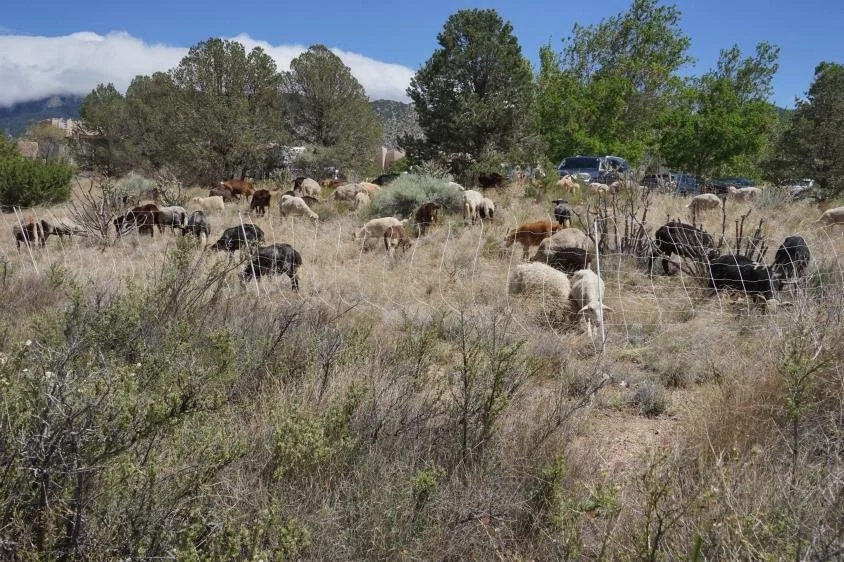
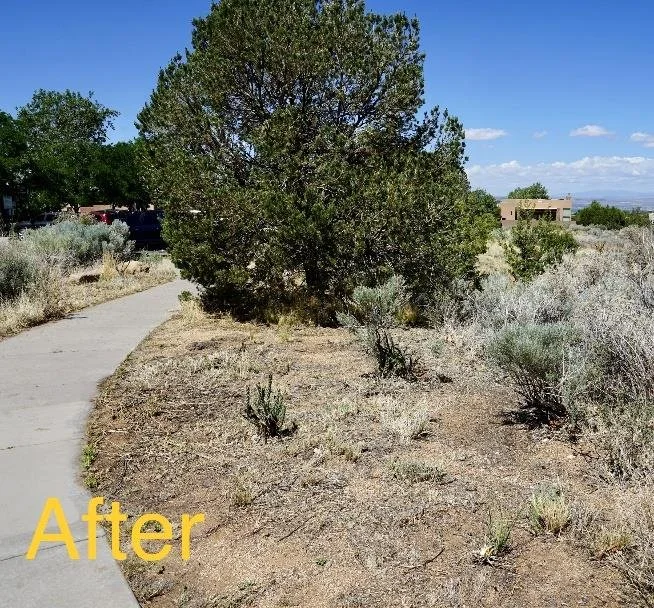
The Fire Preparedness (FP) Committee of the High Desert Residential Owners Association (HDROA) in Albuquerque, NM sponsored an education event through a unique and family-friendly hazardous fuel thinning demonstration in a communal arroyo comparing “goatscaping” with manual vegetation removal by landscapers. The goal of the project was to show how appropriate fuel reduction can be done to alter the path of a wildfire in a dense arroyo to protect homes. In 2018, the community experienced a 7-acre arroyo wildfire that engulfed everything in its path stopping only at residential property walls. Ten homes were damaged. The question was when, not if, we have another fire, how can the fire be directed to meet its combustion needs by protecting defensible spaces around homes and creating combustion sources away from homes.

High Desert received a Microgrant from FACNM with three goals in mind:
1. Secure approval from the City of Albuquerque to thin understory fuels in a 3-acre portion of the City Park.
2. Arrange an 8-hour period of goat and sheep grazing in a portion of the 3-acres, followed by 8 hours of manual fuel removal on another day for comparison.
3. Organize and publicize an educational event in the City’s Park with fire personnel and related environmental agencies for the High Desert residents that would allow direct interaction of the public with the animals and members of the FP Committee to explain the demonstration.

Approximately, two dozen community members attended the educational event. Officers of the HOA, ABQ Fire Rescue (AFR) Wildland Fire, FACNM, and ABQ Water Authority manned information tables and were on-site to answer questions. Lessons learned for both community members who attended the event and FP Committee Members included:

  • Goats do a great job of reducing fire risk where there are fine fuels like grasses, but do not change the fire behavior potential in arroyos dominated by shrubs and woody plants.

  • The paramount focus for fire preparedness of homes near arroyos needs to be fire hardening of the home within 0-6 feet of the exterior - in the Defensible Zone.

  • The secondary effort needs to be on reducing fuel in the Intermediate zone (6-30 feet) between a structure and the arroyo.

  • Into the Extended zone, 30-100 feet into the arroyos, reducing the available fuel and creating natural fuel breaks will change the fire behavior by slowing the movement of the fire and its intensity, thus also reducing embers.

Learn more about creating defensible space around your home in Wildfire Wednesdays #109 and #109B.

CWPP updates:
Cimarron Watershed Alliance, Inc.

The Cimarron Watershed Alliance, Inc. (CWA) is a collaborative watershed stakeholder nonprofit based in Colfax County, NM. CWA’s mission is “to strive for and maintain a healthy watershed for all residents through collaborative community activities involving all stakeholders with an interest in water”. 

In line with their mission, CWA led the effort to develop the first Colfax County Community Wildfire Protection Plan (CWPP) in 2008 as well as the subsequent Update in 2022. In late 2022, members of CWA identified gaps in, and a subsequent need for updates to, the 2022 Colfax County CWPP, particularly in regard to pre-identifying fuels reduction projects.

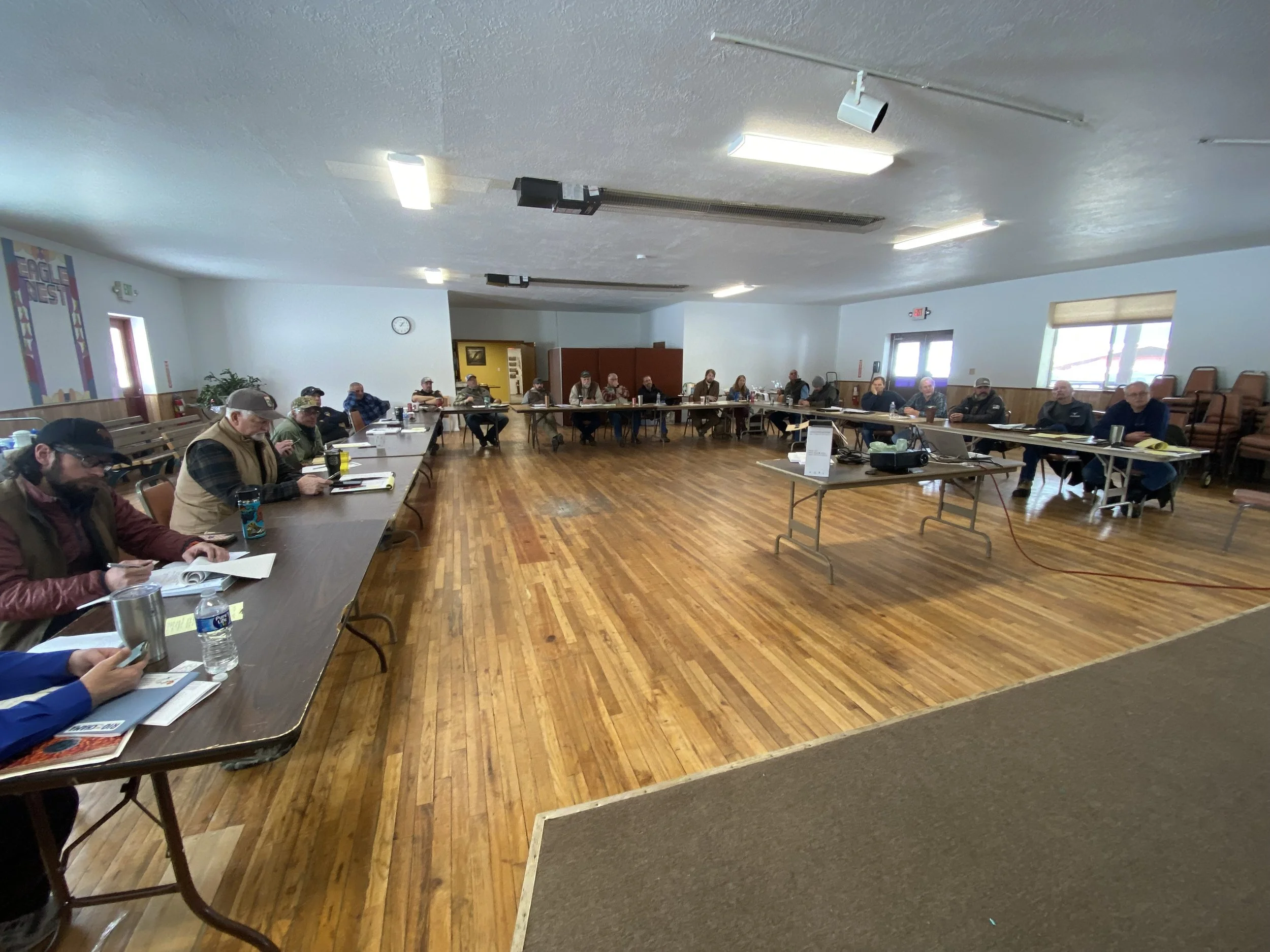
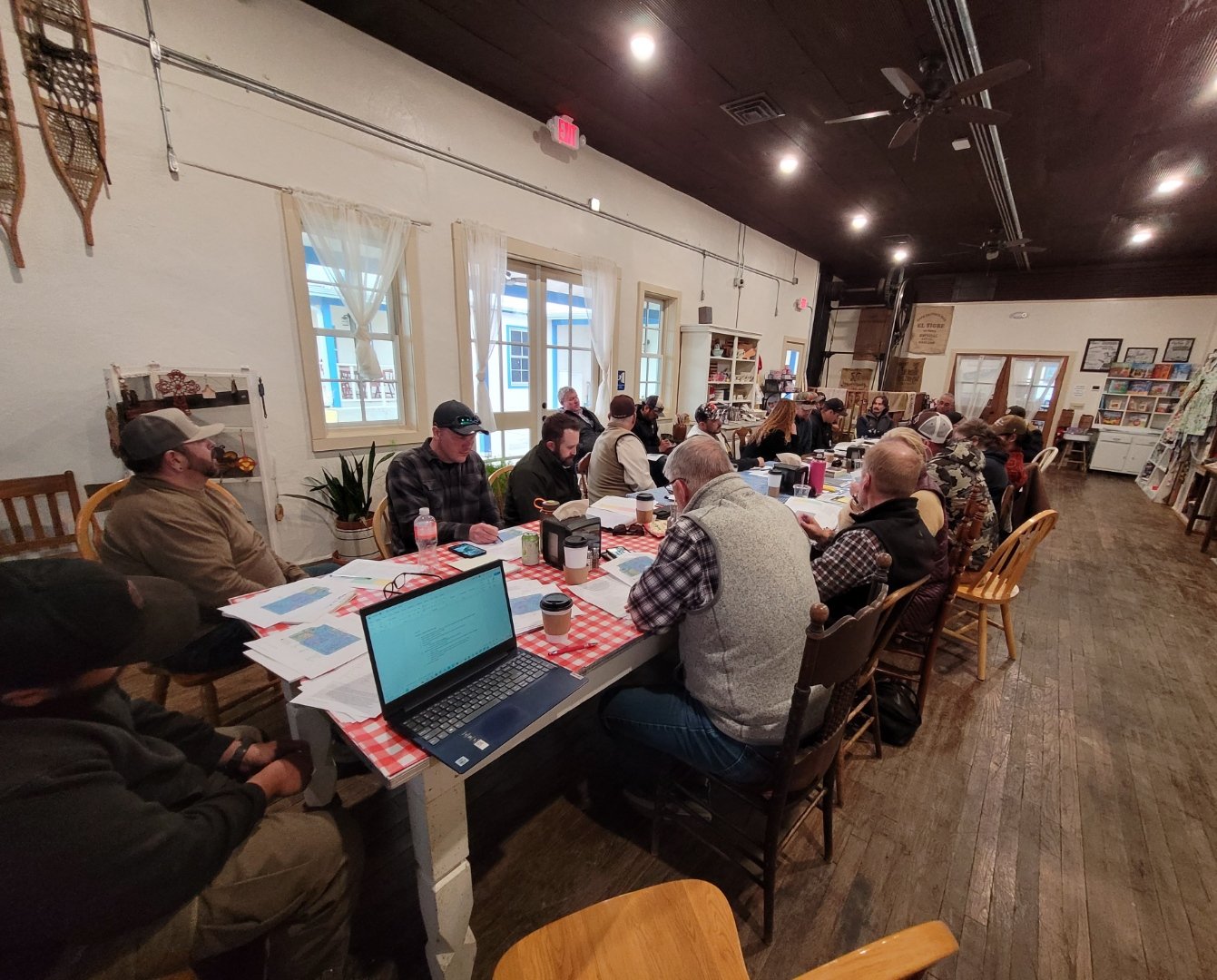
In early 2023, CWA received a FACNM Microgrant to support this 2023 CWPP update effort in the form of two Colfax CWPP meetings in Cimarron and Eagle Nest.  The Microgrant provided food for the meetings as well as technical advisory support from the Forest Stewards Guild for the updates themselves.

Representatives from the County, state and federal agencies, local landowners and managers, municipalities, and NGOs were in attendance at both meetings. Attendees were able to share and discuss their high priority projects and projects that are on the properties they manage or that directly affect them.  They were also able to collaboratively discuss projects that were a high priority within the county, those that affected everyone. In the end, CWA was able to come away with a larger list of wildfire protection priorities and projects within the County.  


Upcoming Opportunities

Webinars

  • 10 August at 12pm MDT: Monitoring and Removal of Invasive Grasses for Restoration of Dry Desert Systems.
    In this webinar, a panel of scientists and practitioners will discuss a number of management techniques and research questions being utilized or tested in an effort to reduce the presence of introduced grasses and restore the historic fire regime in dry desert systems such as the Sonoran. This information can be used to improve current practices and help develop new approaches to slow the invasive grass-fire cycle in the southwestern US.

REGISTER NOW

Conferences

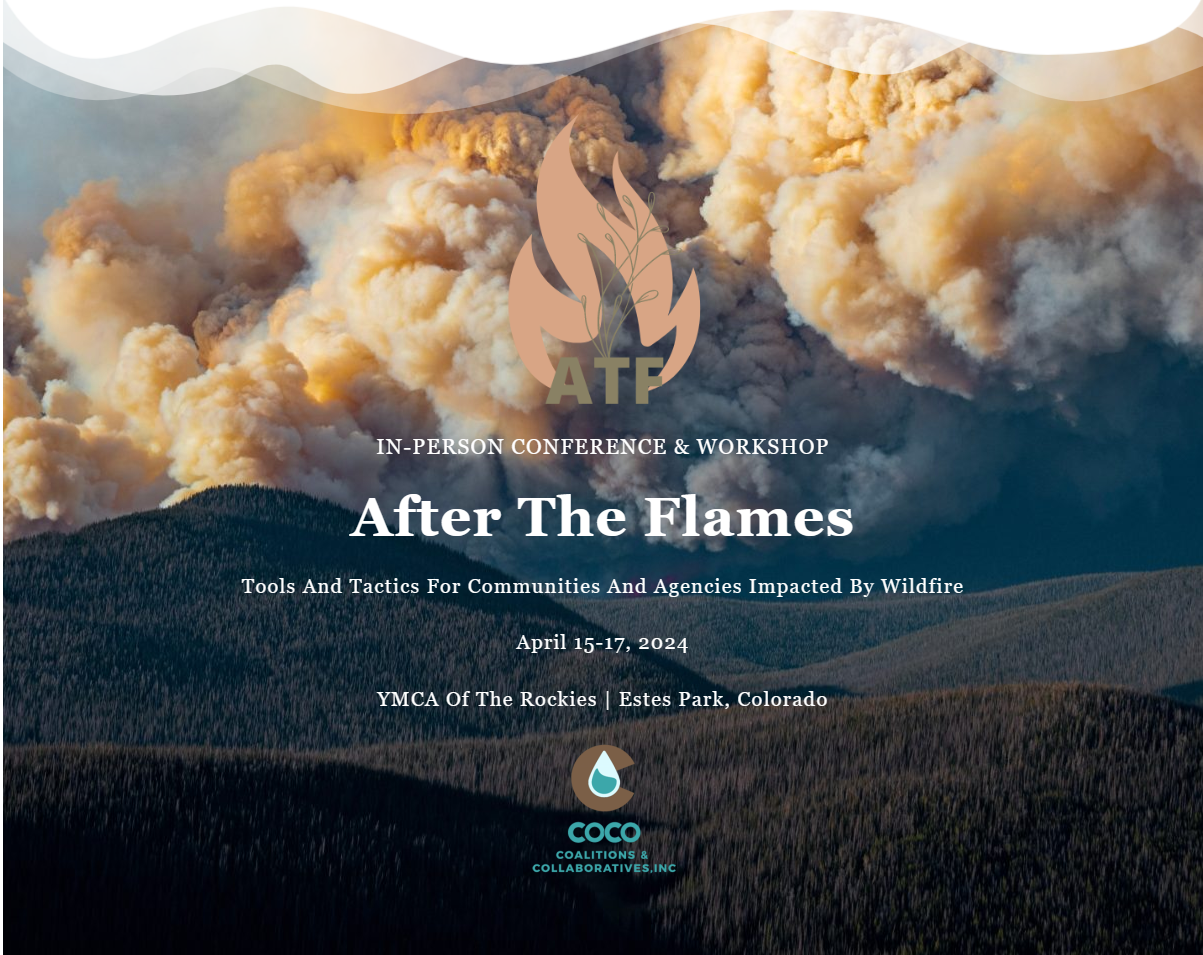
  • 15-17 April 2024: After The Flames in-person conference and workshop
    A first-of-its-kind Conference and Workshop devoted to post-fire recovery. Attendees will represent individuals, organizations, and agencies impacted by wildfire and responding to the post-fire impacts, as well as experts in the arena of post-fire recovery. Sign up for Coalitions & Collaboratives’ newsletter to stay up-to-date on conference details. 

LEARN ABOUT REGISTRATION

Learning Exchange: Field Tours

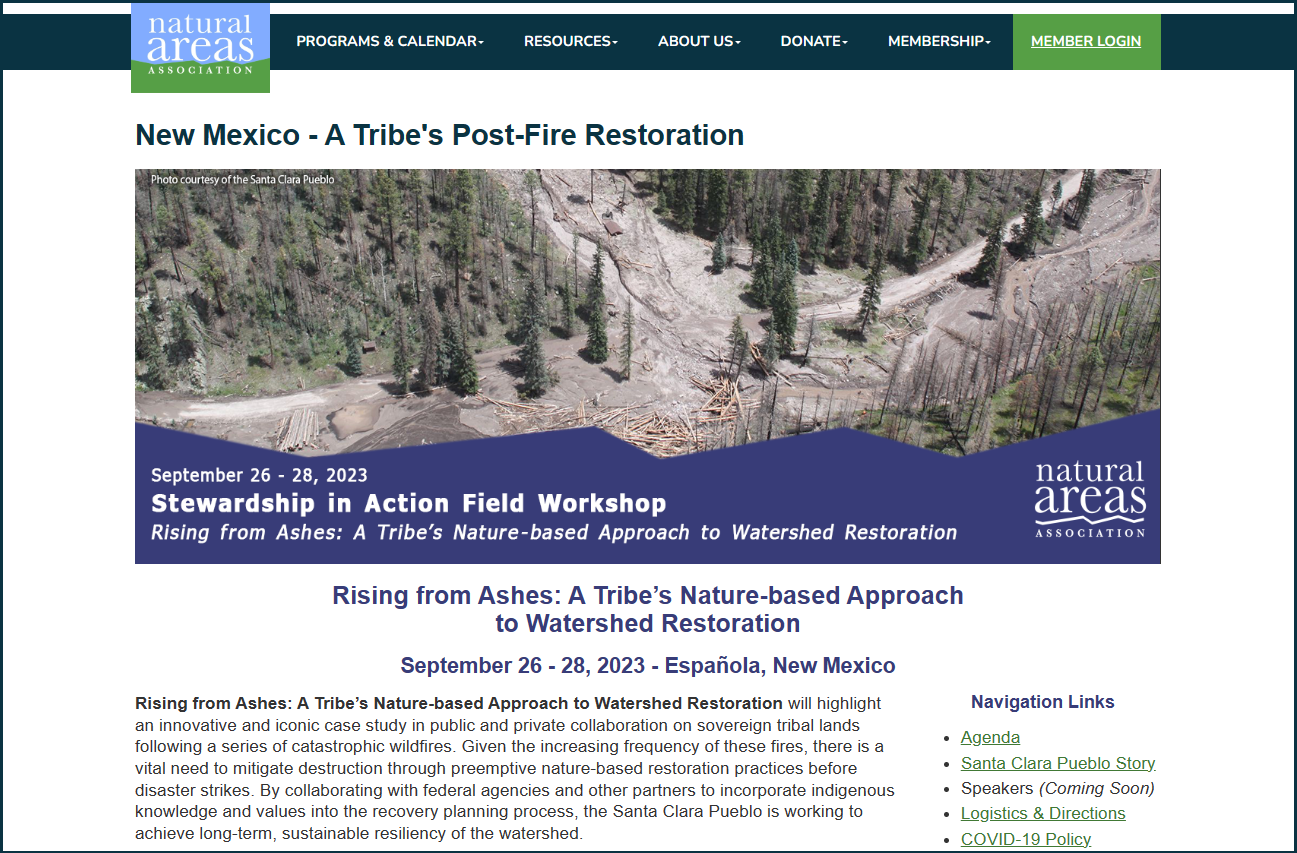
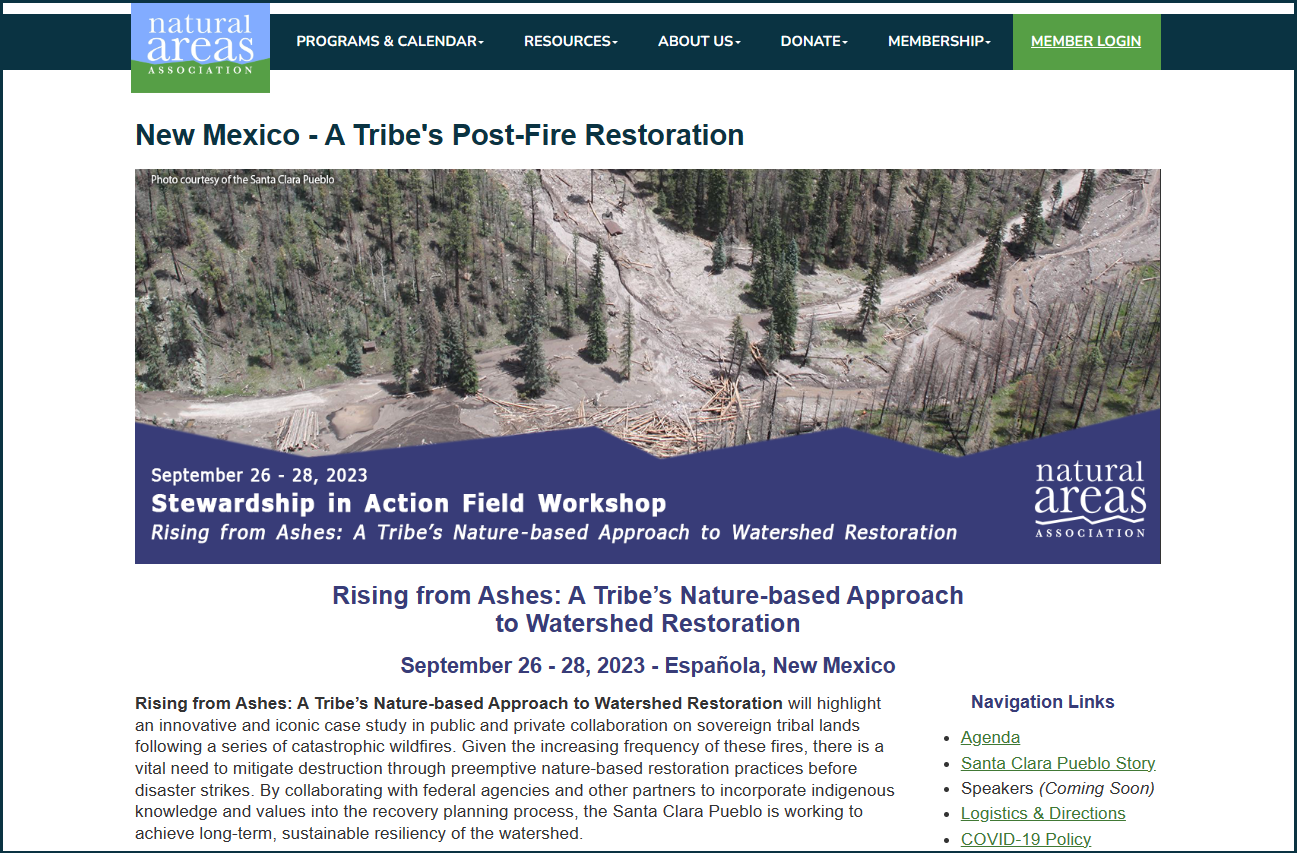
  • 26-28 September 2023: Stewardship in Action - A Tribe’s Nature-based Approach to Watershed Restoration
    The Natural Areas Association (NAA) is hosting a Stewardship in Action Field Workshop in Espanola, New Mexico on the lands of the Santa Clara Pueblo. It will highlight an innovative and iconic case study in public and private collaboration on sovereign tribal lands following a series of catastrophic wildfires. Learn more by visiting FACNM’s Events page.

REGISTER NOW

Local Job Opportunities

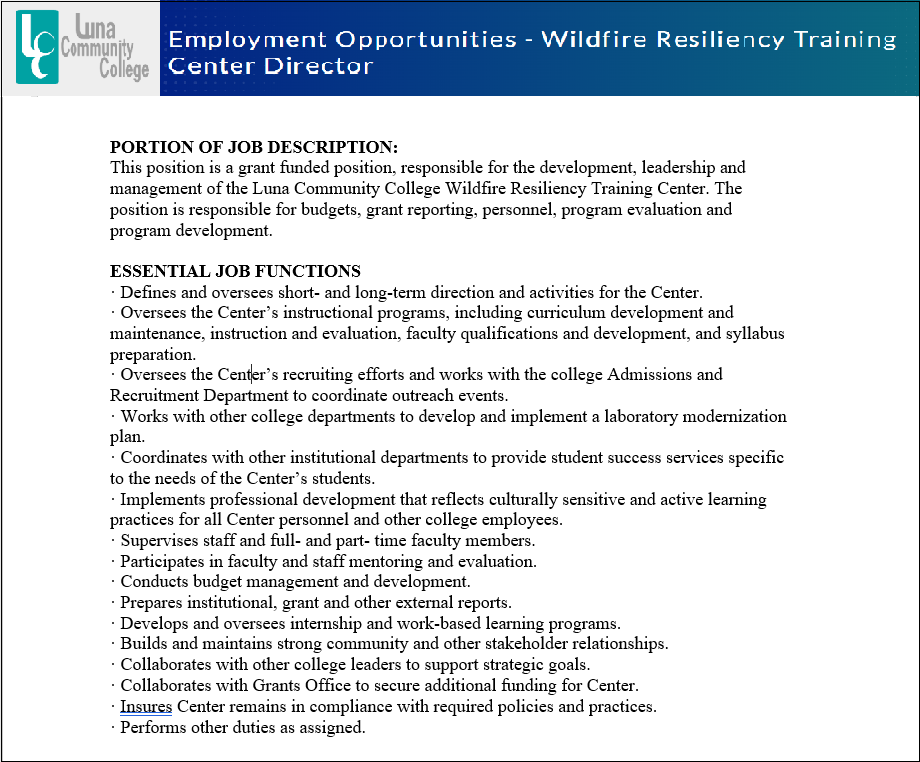
  • Luna Community College: Director of Wildfire Resiliency Training Center
    Wildfires are growing worse every year - both bigger and more frequent. To combat the devastation, we need more people with the skills and expertise to mitigate the dangers and implement recovery for lands, forests, water and communities. Luna Community College is opening a Wildfire Resiliency Training Center. Apply for the Wildfire Resiliency Training Center Director position by contacting Dr. Day at 505-454-5378 to discuss the Center and the position in greater detail.

LEARN MORE

Partner workshop opportunity: Stewardship in Action, Sept. 26-28, 2023

The Natural Areas Association (NAA) is hosting a Stewardship in Action Field Workshop in Espanola, New Mexico on the lands of the Santa Clara Pueblo, September 26 - 28, 2023. Rising from Ashes: A Tribe’s Nature-based Approach to Watershed Restoration will highlight an innovative and iconic case study in public and private collaboration on sovereign tribal lands following a series of catastrophic wildfires. By collaborating with federal agencies and other partners to incorporate indigenous knowledge and values into the recovery planning process, the Santa Clara Pueblo is working to achieve long-term, sustainable resiliency of the watershed. Learn more about the tribe’s journey

The purpose of this Stewardship in Action Field Workshop is to share what was learned by the Santa Clara Pueblo and their many partners and to engage land and water management practitioners from tribal nations, federal and state agencies, and nonprofit organizations from around the continent to exchange information and leverage success to benefit local communities. 

The agenda features both indoor presentations and field experiences. Sessions will explore:

  • public and private collaboration on sovereign tribal lands,

  • process-based restoration and watershed resilience,

  • forestry and fire management,

  • sediment stabilization,

  • native plant restoration,

  • indigenous knowledge,

  • nature-based solutions, and

  • preparing for future climate impacts by working together.

NAA’s field workshops are small by design to provide ample opportunity for peer-to-peer sharing. While the experience will be “priceless,” registration for this three-day workshop, including transportation to field sites, breakfast & lunch each day, a networking reception, and supplemental resources, is $329 per person. Visit the webpage to view the agenda and event details. Scholarships are available.

REGISTER NOW

Participation is first come, first served - and capacity is limited. Interested participants should register or email mmcgintyklos@naturalareas.org to express interest and temporarily reserve a spot.