Wildfire Wednesdays #86: People with Disabilities during Wildfires

Hello Fireshed Community,

My thoughts continue to be with those affected by the many wildfires burning across northern New Mexico. Thank you to all the first responders working hard to keep New Mexican communities safe.

Here are some resources related to the wildfires:

In the spirit of continuing our incremental progress towards making out communities better safer during a wildfire, this week’s Wildfire Wednesday newsletter shares information to support safer and more equitable wildfire response for people with disabilities. The following resources were shared from the national Fire Adapted Communities learning network (FAC Net).

Thanks,

Gabe

Functional Needs during Wildfire

For the purposes of this blog post the phrases “people with disabilities” and “people with functional needs” are used interchangeably to refer to a variety of conditions that require special attention during a wildfire.

“Emergency planners must have the ability to reach everyone in their communities to help them prepare for, respond to and recover from all types of emergencies. This includes community members with access and functional needs. All people in the community need to have accurate and trusted information in order to know what to do and when to do it. (from the Functional Needs Planning Toolkit).”
Defining Functional Needs

A Functional Needs Planning Toolkit by the National Response Network defines functional needs as:

“Populations whose members may have additional needs before, during, and after an incident in functional areas, including but not limited to: maintaining independence, communication, transportation ,supervision, and medical care. Individuals in need of additional response assistance may include those who have disabilities; who live in institutionalized settings; who are elderly; who are children; who are from diverse cultures; who have limited English proficiency or are non-English speaking; or who are transportation disadvantaged.”

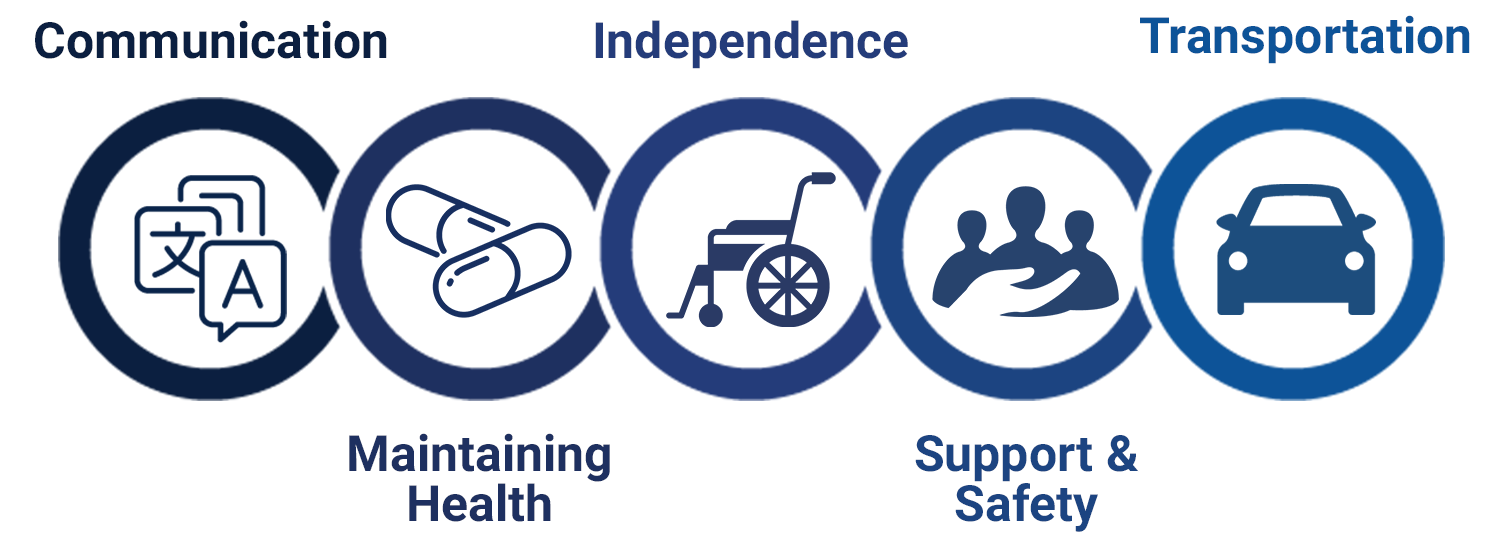
In looking at and assessing risk in emergencies, the individuals most impacted by an emergency have functional needs in the following areas:

  • Communications—relates to the individual’s ability to receive critical warnings and other emergency information, communicate effectively with emergency response personnel, and understand information being communicated so they can act to help themselves. Individuals may require auxiliary aids and services and may need to have information given to them in alternate formats.

  • Maintaining health—many will require continued access to specialized medical equipment, medications, supplies or personal assistance to maintain their health and prevent the decline of medical conditions if they are removed from their daily environments due to a disaster.

  • Independence—relates to support that people may need to remain independent and to take care of themselves like durable medical equipment, communication devices, service animals, and accessible facilities.

  • Safety, Support services and Supervision—some individuals require the support of people (personal care assistants, family, or friends) to cope with the challenges of emergencies; some may lack the cognitive ability to assess emergency situations and react appropriately without support and/or supervision.

  • Transportation—some individuals cannot drive, some need specialized vehicles for transport, and some do not have their own vehicles and rely solely on public transit.
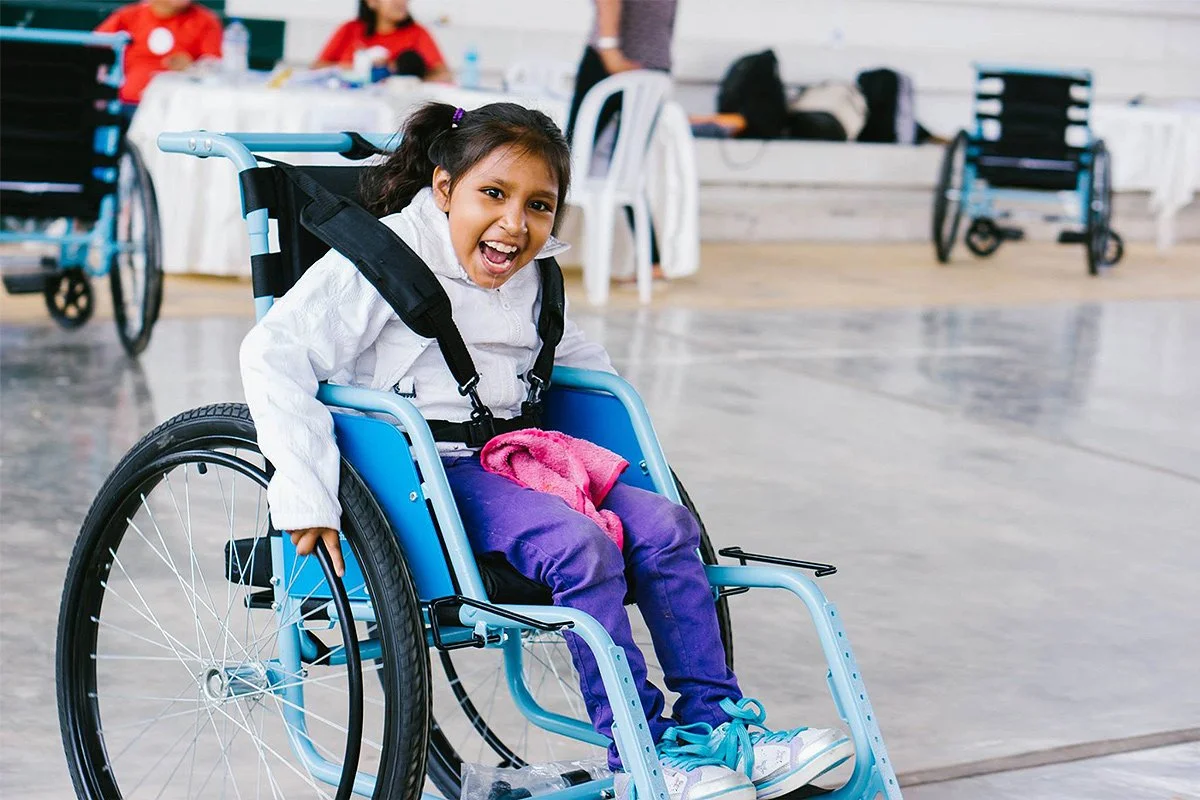
These functional needs have definite impacts on how people will respond in an emergency. Whole community emergency planning committees need to include people with access and functional needs and representatives from organizations providing services for people with disabilities to truly plan for everyone in the community.

Tools for Working with Functional Needs
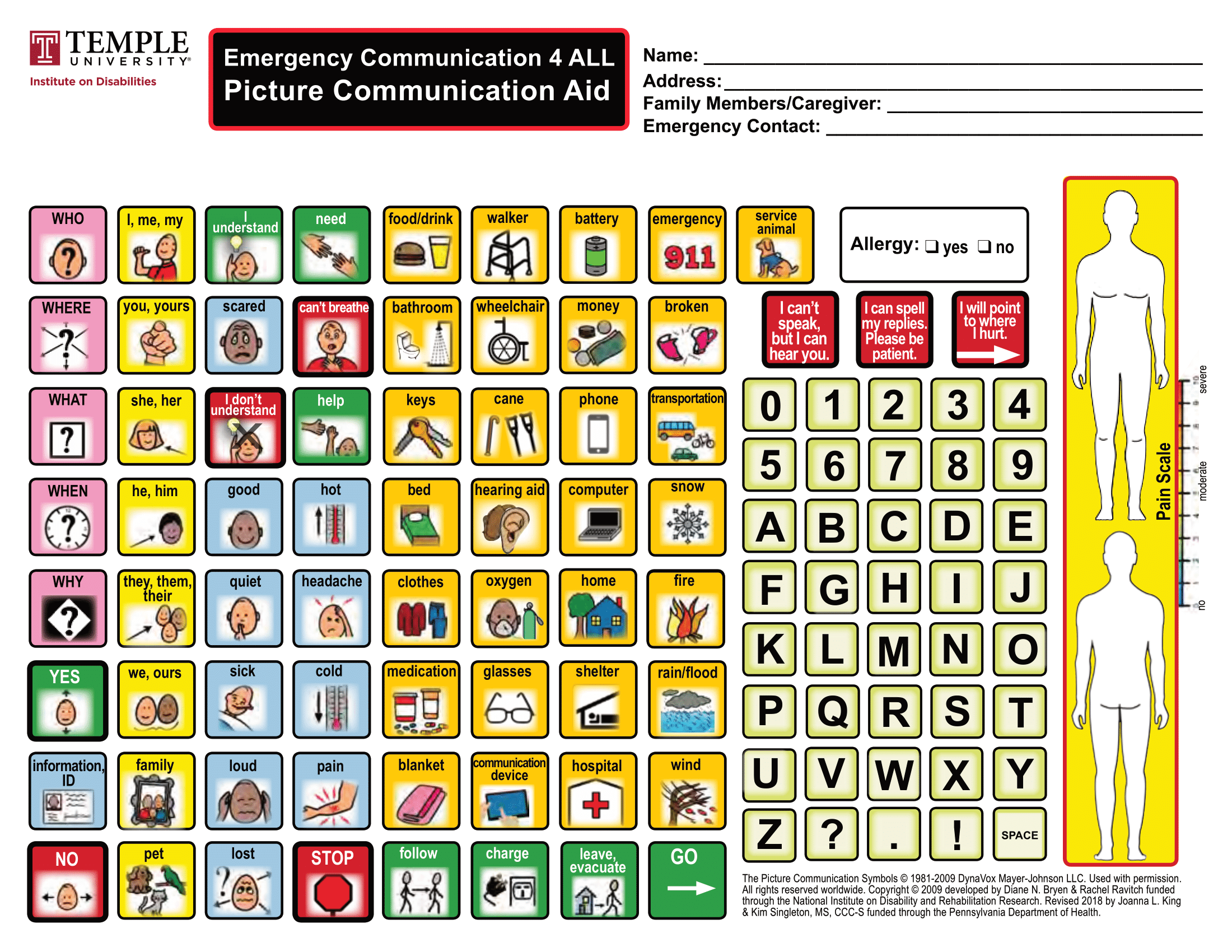
This emergency communications board can be used to support communication with individuals that are non-verbal or that do not speak English (see below)

There are many different considerations when working with the types of functional needs identified in the section above. The Functional Needs Planning Toolkit provides information needed to incorporate disabilities into our planning for:

  • Notifications and warnings

  • Evacuation

  • Emergency transportation

  • Sheltering

  • Effective communications

To support the continued learning about how to work with functional needs, the national Fire Adapted Communities learning network compiled the following resources:

With smoke in the air, a productive yet hazy Fireshed Peer Learning Exchange

Happy Friday, GSFFC! This blog was guest authored by Ch’aska Huayhuaca and Mike Caggiano of the Colorado Forest Restoration Institute (CFRI) and originally published on the Northern Colorado Fireshed Collaborative (NoCo Fireshed) webpage. Follow the links to learn more about CFRI and NoCo Fireshed.


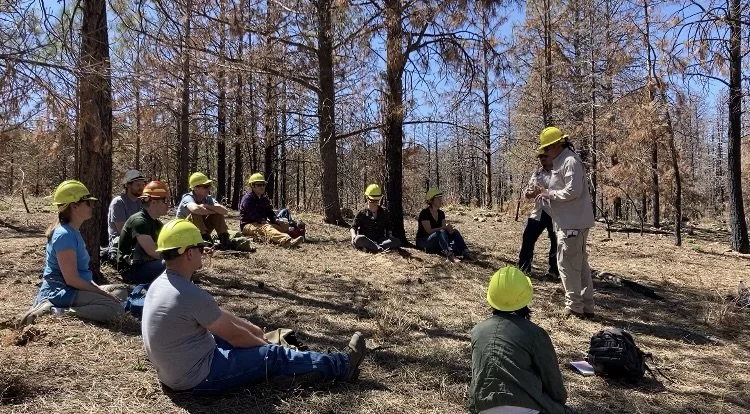
A group of a dozen people wearing hardhats sit under a canopy of red-needled pine in a burn scar

Attendees of the Learning Exchange sit under the reddened pine canopy of the Medio Fire burn scar, listening to representatives from Pueblo of Tesuque speak about their involvement in the collaborative Pacheco Canyon Treatments.

Staff from the Southwest Ecological Restoration Institute (SWERI) recently attended the Medio Fire learning exchange at Pacheco Canyon, north of Santa Fe, New Mexico. The event, which coincided with three major wildfires burning in the vicinity, was co-hosted by the Forest Stewards Guild, Pueblo of Tesuque, and Santa Fe National Forest (SFNF), and NM Department of Game and Fish, all of whom are partners of the Greater Santa Fe Fireshed Coalition (GSFFC). In addition to the cohosts, other GSFFC partners on the trip included our sister SWERI, the New Mexico Forest and Watershed Restoration Institute. The event was funded by the New Mexico Chapter of Fire Adapted Communities (FAC NM).

The tour showcased treatments within the fateful 2019 Pacheco Canyon Forest Resiliency Project. Partners of the GSFFC had collaboratively planned and implemented a 500-acre mechanical treatment and subsequent prescribed burn along a POD boundary. Coincidently, a year later, the 2020 Medio Fire ignited in the adjacent Rio Nambe drainage and grew rapidly, pushed by dry gusty winds over steep and heavily wooded terrain. As it burned southeast toward culturally significant ancestral lands of the Tesuque Pueblo and important recreation assets at the Santa Fe Ski Basin, firefighters were able to utilize the strategically located Pacheco Canyon fuel break and initiate a burn out along the treatments edge, helping to slow and eventually contain the fire. The collaboratively designed and implemented treatments, which were planned and implemented over a period of several years, provided an anchor for firefighters as they focused containment efforts on the southern edge to prevent the fire from burning into the Santa Fe watershed.

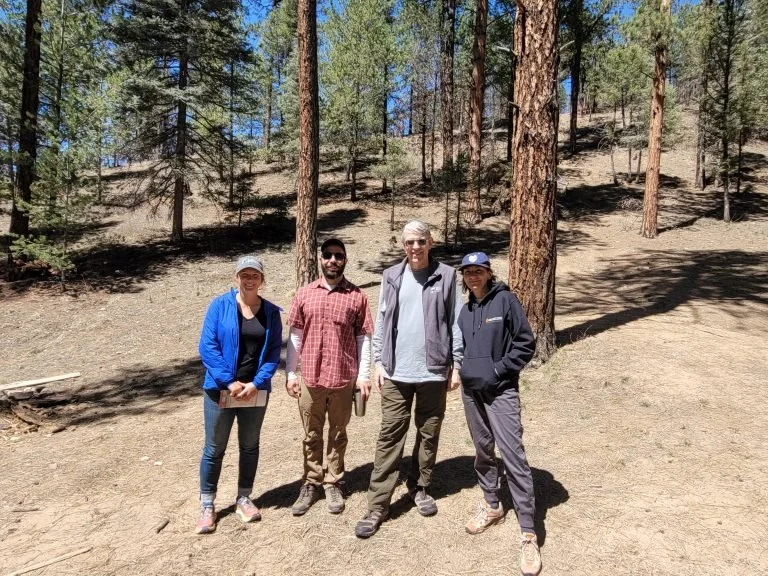
Four individuals in hiking boots and jackets pose for the camera in front of an open-canopy pine forest

SWERI staff from the New Mexico Forest & Watershed Restoration Institute and the Colorado Forest Restoration Institute: Elliese Wright, Mike Caggiano, Alan Barton, and Ch’aska Huayhuaca.

This field-based learning exchange focused on the collaborative planning and implementation process that led to multiple treatments in Pacheco Canyon that ultimately facilitated a strategic response during the Medio Fire.  Focusing on this multi-year effort allowed participants and stakeholders to share successes and challenges in cooperatively implementing cross-jurisdictional land management projects. This included leveraging creative funding sources and strategies for engaging with dissenters unsupportive of forest restoration and wildfire risk reduction projects. For Colorado Forest Restoration Institute staff members Mike Caggiano and Ch’aska Huayhuaca, who respectively participate in and coordinate the Northern Colorado Fireshed Collaborative (NCFC), it was an excellent opportunity for cross-Fireshed peer learning. While there are many contextual differences between the two Fireshed collaboratives with regards to their social and ecological landscapes, and the lessons learned may not translate directly, some compelling themes and similarities emerged.

The Importance of Implementation at Scale

Both initiatives have roots in large, destructive, unplanned fires that led stakeholders to recognize the importance of scale; that is, individual stakeholders treating a few hundred acres here and there was not going be effective for changing landscape scale wildfire behavior and damaging outcomes. The scale of action needs to be commensurate with the scale of disturbance; or put simply, big fires require big treatments. Both collaboratives struggle with the dual challenge of not being able to mechanically treat at a sufficient scale, while also often needing to implement mechanical treatments prior to using prescribed fire safely. The collaboratively developed implementation strategy at the heart of the Pacheco Canyon Forest Resiliency Project addressed this problem by creatively planning, funding, and implementing mechanical treatments to facilitate subsequent prescribed fire treatments, which in turn improved their ability to manage wildland fire and reduce its detrimental effects when the Medio Fire came through. This project was the result of years of trust building, capacity development, and interagency cooperation. Repeated, in-person connections and, importantly, time spent in the woods together discussing values and priorities promoted trust among key partners. As one participant said, “an hour in the field is worth 10 hours in a meeting and 20 on Zoom.” A Memorandum of Understanding between the Pueblo of Tesuque and the SFNF was essential for coordinating efforts to train tribal crews and cooperatively thin and burn the area. This interagency cooperation spurred progress and provided work-arounds when one partner faced internal barriers to getting work done quickly, maintaining momentum. Mike Martinez of the Pueblo of Tesuque commented that collaboration for him meant not settling for “no” when stumbling blocks appear; “Collaboration is finding a way forward, saying yes to your partners, and just showing up.” A recently completed categorical exclusion, a five-year plan of work and shovel-ready projects all contributed to this successful project.

The key for both collaboratives appears to be ensuring that science is inserted into planning and outreach activities appropriately, while staying nimble in the face of increasingly frequent fire, since science can be slow to catch up.

The Role of Science

Locally-relevant science is central to both Fireshed groups. Both  benefit from access to boundary-spanning organizations and partners with scientific knowledge and expertise to inform priorities (e.g., see the GSFFC’s 2018 Watershed Risk Assessment here), support on-the-ground work, and legitimize partnerships and projects. Ecological and social science provide context and facilitate conversations between stakeholders about diverse priorities, values at risk and the best way to safeguard them (such as clean air and water, cultural resources, wildlife, and recreation). The key for both collaboratives appears to be ensuring that science is inserted into planning and outreach activities appropriately, while staying nimble in the face of increasingly frequent fire, since science can be slow to catch up. Both groups suggested the desire for more data should not slow down action. Science provides information to help interpret what we are seeing with land management and wildland fire but cannot always tell you exactly what needs to be done. The SFNF Fuels Planning Specialist Dennis Carrol pointed to the importance of maintaining frequent dialog between science partners and land managers as a way of learning, negotiating, and striking a balance.

Coordinated Community Engagement

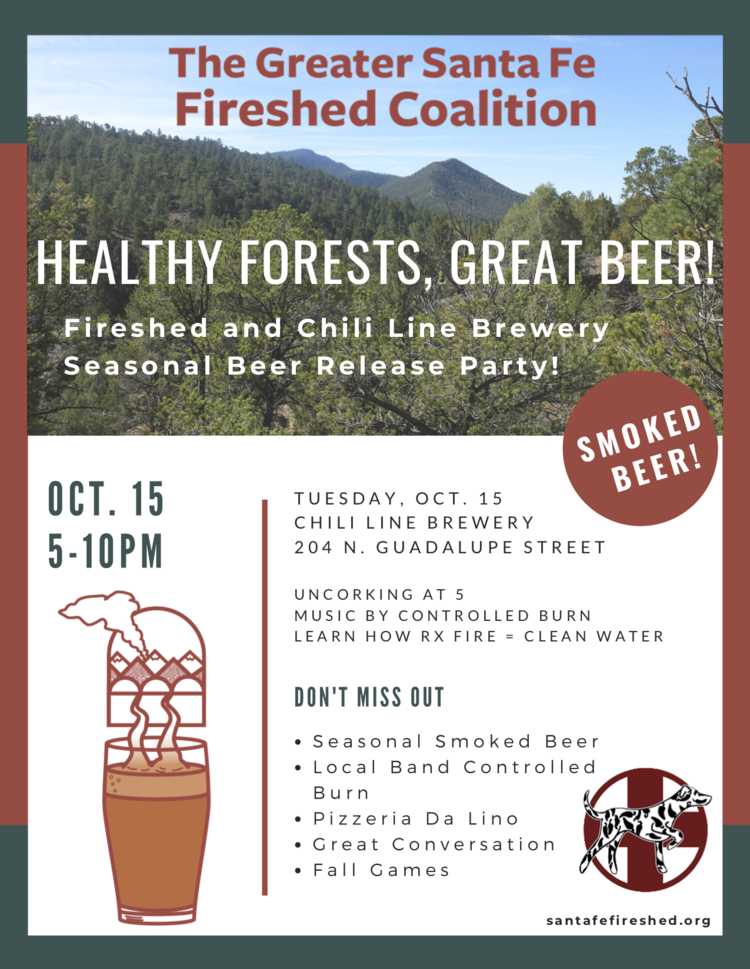
Flyer from the greater santa fe fireshed coalition advertising a seasonal beer release party

The third theme that emerged which was common to both groups was the approach of meeting communities where they are in terms of social understanding, acceptance, support for forest management and the reintroduction of fire on the landscape. Unlike the NCFC, whose Community Engagement & Outreach committee coordinates on shared messaging and coordinated activities between connected partners in individual watersheds, the GSFFC acts as both a platform for coordination and as a community connector. They have tailored their outreach strategy to connect with communities with different levels of social understanding, acceptance, readiness, and support for prescribed fire projects. They do this by identifying community spark plugs and focusing on community-relevant values. For example, they co-led a GSFFC “Roadshow,” a series of after-hours community meetings to talk about Rx fire in different communities. Organizers recalled, “sometimes we packed the house, sometimes very few showed up; sometimes there were protesters, but either way its important just to show up and be there.” An early project was developing a Fireshed beer, and they built on that momentum with a series of “Brewshed” events to encourage engagement and integrate science into community conversations and build knowledge among stakeholders. They also hosted a “Common Ground Town Hall” to engage with dissenters in science-informed conversation.

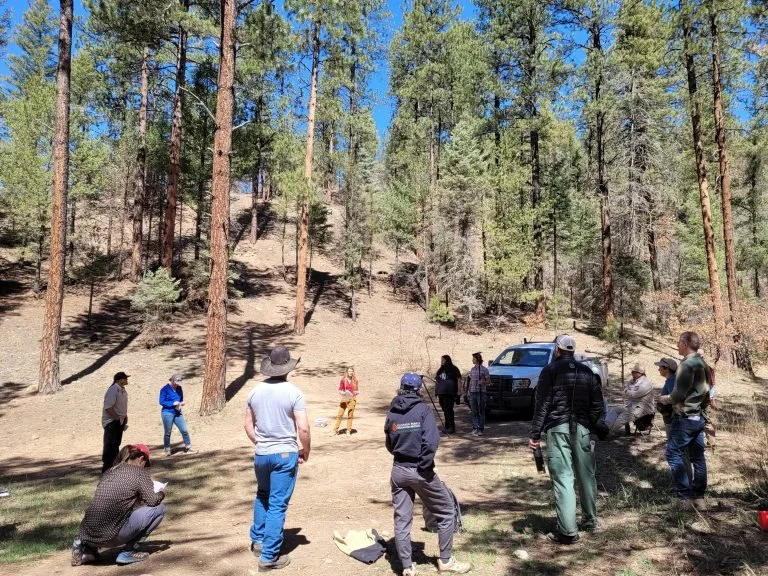
A group of 15 attendees stand in a circle in the woods on a sunny day with pine tree shadows and blue skies

Groups in attendance included the Pueblo of Tesuque, Santa Fe National Forest, New Mexico Department of Fish & Game, Forest Stewards Guild, the Taos Valley Watershed Coalition, Los Alamos National Laboratory, the Greater Santa Fe Fireshed Coalition, and the NM and CO SWERIs.

The NCFC and GSFFC were both identified as two of the priority Firesheds in the USFS 10-year Strategy and are both preparing to ramp up capacity and action. Both are preparing for increased funding, but also the increased attention and scrutiny that will likely come with the national initiative. As the frequency of destructive landscape scale fire accelerates, learning exchanges like this one will be increasingly important for stakeholders to adapt, learn, and develop resilience, both for the landscapes themselves and the collaboratives charged with their protection. Learning exchange participants left with a greater understanding that there is no one-size-fits-all solution to living well with fire. Successful strategies include but are not limited to effective and targeted community outreach, field-based learning, building scientific literacy, embracing difficult conversations, and planning strategically to treat at scale. Large landscapes in particular, with their diverse ecologies, diverse perspectives, and diverse community values, require strong and sustained collaboration and multipronged approaches.

Wildfire Wednesdays #85: NM Wildfires

Hi Fireshed Community,

As I am sure you are aware, Northern New Mexico is experiencing devastating wildfires.

Our hearts go out to all the communities that are evacuated, the residents who have lost their homes, and the fire personnel working so hard to contain these fires.

This is a difficult time and there is a long road of wildfire recovery ahead.

Given all that, we want to share resources:

Stay safe,

Gabe


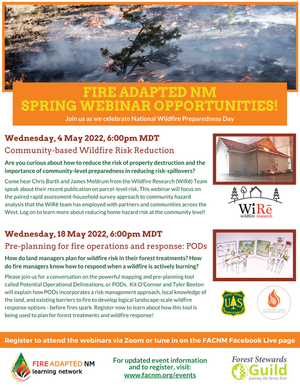
Webinar Tonight: Community-based Wildfire Risk Reduction

Join us in preparation for National Wildfire Preparedness Day (May 7th) by discussing advances in home wildfire risk assessments! In this 60-minute webinar, Chris Barth and James Meldrum from the Wildfire Research (WiRē) Team will speak about their recent publication on parcel-level risk. Their presentation will focus on the paired rapid assessment/household survey approach that the WiRē team has employed with partners and communities across the West. They will also discuss the effect home hazard assessments have on reducing the risk of property destruction and the importance of community-level risk reduction to address risk-spillovers across neighboring properties. Log on to learn more about reducing home hazard risk at the community level! Register now to attend the webinar via Zoom or tune in on the FACNM Facebook Live page.

REGISTER NOW

The Speakers

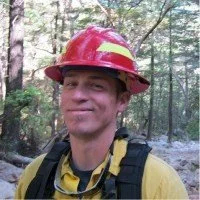
Chris Barth, Fire Mitigation Specialist, BLM-Montana/Dakotas Fire & Aviation Management
Chris works with the public, internal and external partners, elected officials, and the media to communicate fire management strategies and disaster response, planning, and fire adaptation concepts. Chris has received several national awards for his work to reduce community wildfire risk. He is a founding member and subject matter expert for the Wildfire Research (WiRē) Team - with research interests in homeowners’ attitudes towards wildfire mitigation and public perception of wildfire risk. He has co-authored papers on homeowners’ attitudes towards wildfire mitigation and public perception of wildfire risk. He has also presented at national and international conferences related to his work in this field.

Chris has worked in fire management for more than 30 years. He is a Public Information Officer (PIO) on a Type 1 incident management. As a PIO, Chris’ communication style is shaped by his operational, professional, and research experiences. 

More on Chris’ research can be found here.

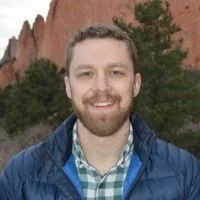
James Meldrum, Research Economist, U.S. Geological Survey (USGS)
James Meldrum is an applied research economist with the USGS’s Social and Economic Analysis branch in Fort Collins, CO. James is a founding member of the Wildfire Research (WiRē) Team, a long-standing collaboration between wildfire risk mitigation practitioners and social science researchers. Through more than 10 years of this partnership, he has published numerous journal articles on mitigating the risks of wildland fire. In addition to his work with the WiRē Team, James investigates the effects of natural resource decisions on people in numerous contexts, including fuels and fire management, ecosystem restoration, electricity generation, and the management of invasive species.

More on James’ research can be found here.

The Wildfire Research (WiRē) Team brings diverse expertise in economics, sociology, and wildfire risk mitigation to a multiyear research project on homeowner wildfire risk mitigation and community wildfire adaptedness.

Wildfire Wednesdays #84: Fire Season 2022

Happy Wednesday FAC NM community!

With at least 10 active wildfires burning across the state and more than 20,250 wildfire ignitions that have sparked across the country since the start of 2022, we wanted to remind everyone about emergency preparedness while taking some time to discuss the future of wildfires in the Southwest. Both personal and statewide wildfire readiness are an ongoing process, and both may be influenced by our evolving understanding of fire behavior and climate science.

This week’s Wildfire Wednesday features information on:

  • Reviewing steps for personal wildfire preparedness

  • The current state and future of Wildfire in the West

  • Upcoming events and webinars

Best regards,

Rachel


Steps for personal wildfire preparedness

Where to start

Wildfire readiness can be categorized into three stages:

1) Getting your space ready for and resilient against wildfire ahead of time
2) Getting yourself and your family set for safety in the event of a wildfire
3) Getting away from the active wildfire by following the RSG evacuation guide

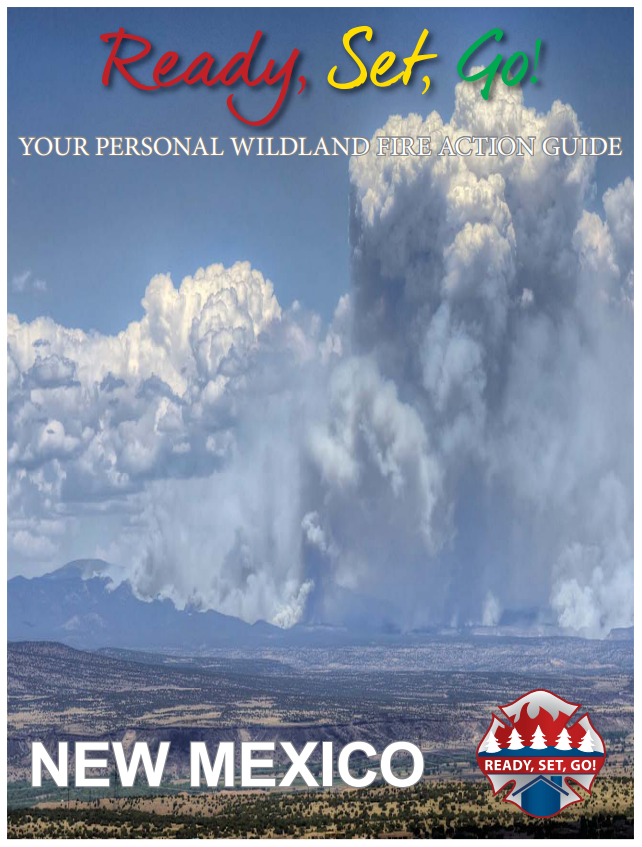
Cover of New Mexico Ready Set Go guide showing a large plume of smoke rising from a mountainous region with pinyon juniper savannah in the foreground

So where is the best place to start? The Ready, Set, Go! Fire Action Guide empowers residents living in the wildland urban interface with the knowledge they need to be better prepared for responding to a wildfire in their community. Each step of the program addresses wildfire preparedness at each of the stages mentioned above.

Using the Ready, Set, Go! resource, residents can read about actionable steps to protect their homes, learn about the Wildland Urban Interface (WUI) and how this impacts fire risk, and follow checklists for how to prepare their family ahead of time, get ready to evacuate as the fire approaches, and ensure they leave early. Individuals interested in learning more can find the latest news and initiatives through the national Ready, Set, Go! website.

Ready when wildfire approaches

As we all gear up for a very active wildfire season across the Southwest, you can use Living with Fire’s Evacuation Checklist to mentally refresh on what should be in your to-go bag, how to prepare family, pets, and your vehicle for an evacuation, and learn what to do inside and outside of your home to provide the best chance for structure survival.

Resources for keeping up to date

Air Quality Index schematic showing green for good, yellow for moderate, orange for unhealthy for sensitive groups, red for unhealthy, purple for very unhealthy, and magenta for hazardous air quality

Air Quality: the national AirNow Fire and Smoke Map allows you to view known wildfire incident information, locate satellite-detected fire activity, navigate to real-time air quality reports from various monitoring equipment, and generate reports on the fire activity, air quality, or smoke plumes in any location by providing your geolocation. You can also visit the website or sign up to receive air quality text alerts from the National Weather Service.

Active Wildfires: visit InciWeb’s interactive wildfire map to view wildfire locations and to review incident information; keep up to date with wildfire incident and evacuation information through NM Fire Info.

Automatic Alerts: download the CodeRed Mobile Alert App to receive emergency alert notifications directly to your mobile device whether at home, on the road, or traveling around the country. These mobile push notifications deliver relevant GPS location-based alerts to ensure you receive critical information when you are in CodeRED jurisdiction.
Emergency notifications, including wildfire evacuation notices, are also broadcast over radio and television though the Emergency Alert System. Find your local CPB radio station and be prepared to listen for emergency alerts, even if the power goes out.

Register for emergency alerts

Wildfire in the West: current state and the future

An early start to fire season

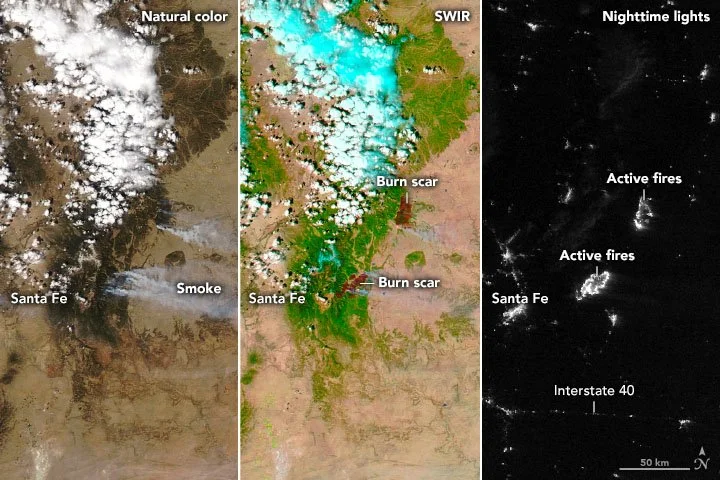
Image series from NASA Earth Observatory showing fires east of Santa Fe

Image courtesy of NASA Earth Observatory: natural color, Short-Wave Infrared (SWIR), and nighttime lights satellite images show two fires in northern NM, 23 April 2022.

“Fire season in New Mexico arrived early and aggressively in 2022, fueled by strong, gusty winds, extremely low humidity, and an exceedingly dry landscape. As of April 19, nearly 99 percent of the state was dealing with some level of drought” according to an April 26 NASA Earth Observatory article. Scientists have recently determined that annual acreage burned by wildfires in the western United States has doubled in the last two decades, an increase they attribute to a climate change-driven intensification of how hot and dry the atmosphere gets. This heating and drying makes “vegetation more susceptible to burning and the atmosphere more conducive to sustaining fire.”

Climate change leads to wildfire uncertainty

Schematic showing stages of wind-driven crown fire

Image courtesy of IFTDSS: how forest crown fire spreads via wind

One aspect of climate change is certain: the uncertainty it will create. Such is the case for wind, a major driver in the unseasonable intensity and spread we have seen in April’s large wildfires across the state. Recent research out of Columbia University has shown that as the climate warms, the westerly winds and other major global air currents may shift trajectory. “The movement of these winds have huge implications for storm systems and precipitation patterns. And while this research does not indicate exactly where it will rain more or less, it confirms that [this shift in trajectory will cause] wind and precipitation patterns [to] change”.

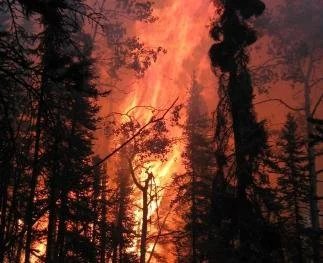
Crown fire burning a dark forest canopy

Image courtesy of USDA Rocky Mountain Research Station

So how else might fire conditions change in the future? According to a 2015 working paper titled Climate Change and Fire in the Southwest, “there are three pathways through which fire activity might be influenced by climate change: changes in fuel condition (fuel moisture), changes in fuel loading, and changes in ignitions.” While it is more challenging to predict the impact climate change will have on how wet or dry the state is, researchers generally agree that the southwest will see less winter snow and more summer rain.

As temperatures increase, heat waves become more common, and water availability for plants and trees becomes less predictable, large wildfires like the ones burning right now will likely become more common and more severe.

Fire behavior 101

Learn more about what influences wildland fire behavior.

Wildfire Trends

Learn more about wildfire trends, causes and risk factors, and effects in the western U.S.


We hope you will join us!

Wildfire Wednesdays #83: How to Talk About Wildfire

We recognize the many wildfires which have ignited recently and are threatening homes and communities across the state. Our hearts go out to those who have been forced to evacuate, experienced destruction of property, or are otherwise impacted. Sign up for New Mexico State Forestry Division’s wildfire alert system here or visit NM Fire Info’s During a Wildfire webpage for more information and resources. Those who have been evacuated can find a Red Cross disaster shelter using this tool.

ready! set! go! guide
EN SUS MARCAS! LISTOS! FUERA!
after wildfire nm

Hello and happy Wednesday, FACNM readers!

The blustery winds of spring are blowing in change both across the landscape and in the FACNM community. My name is Rachel and I work for the Forest Stewards Guild, a forestry nonprofit out of Santa Fe. I have contributed to this blog a few times in the past and will be helping out with the Wildfire Wednesdays project into the future. I look forward to getting to know this virtual community of curious and passionate folks!

Today we will be talking about talking - specifically, how to talk to kids about wildfire. Hotter drier days and those strong spring winds mean that wildfire season is here and smoke is on the horizon. Although wildfire is a natural phenomenon in the desert Southwest, it still poses a risk to our homes and communities and can be a pretty scary subject, especially for our youngest FACNM’ers.

This week’s Wildfire Wednesday features information on:

  • Teaching: how to talk about fire ecology - the science behind wildfire

  • Preparation: how to get your kids ready for wildfire

  • Coping: how to talk to kids about upsetting news and current events

  • Plus a wildfire graphic novel and coloring book for kids or the young at heart, upcoming FACNM events, and more!

Best regards,

Rachel


Teaching: breaking down fire ecology

What is fire?

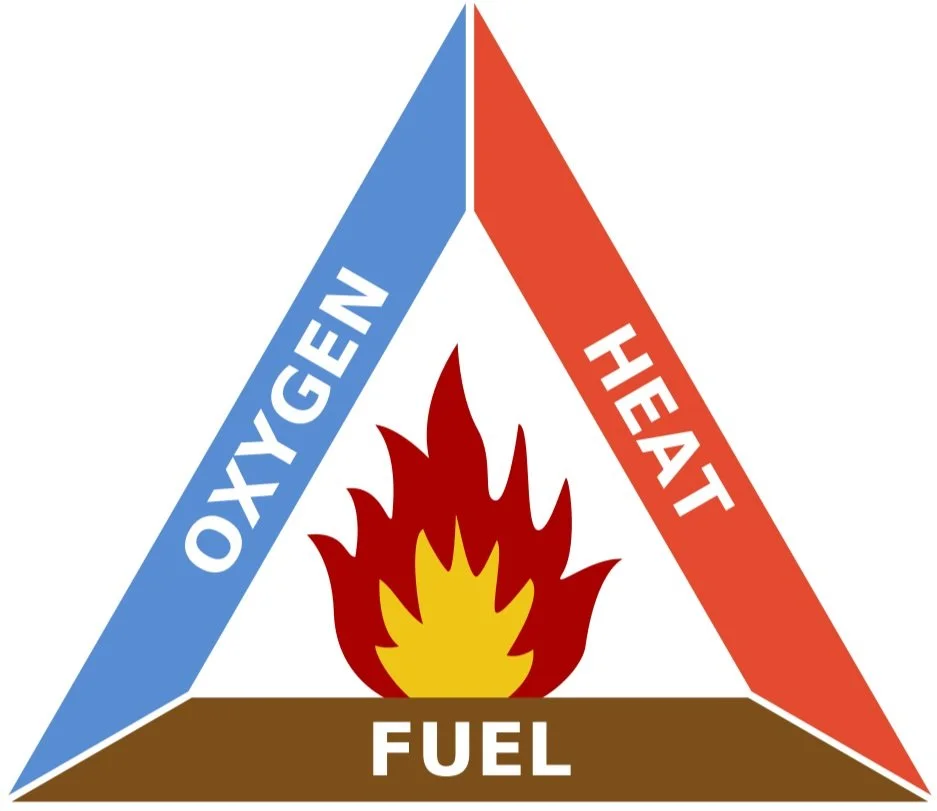
Triangle displaying oxygen, heat, and fuel on its three sides, making up the components necessary to create fire

The Fire Triangle: illustration courtesy of Oregon State University

Before we can talk about how fire spreads, we need to understand what fire is. We can feel its heat, smell its smoke, and see its light, but fire is actually not a solid, liquid, or gas. Rather, it is the result of a chemical reaction called combustion. Combustion is the process by which a substance called fuel reacts rapidly with oxygen and gives off heat. There are three components needed for ignition and combustion to occur. A fire requires fuel ­to burn, air to supply oxygen, and a heat source to bring the fuel up to ignition temperature. Heat, oxygen and fuel form the fire triangle. Fire’s heat is the result of super-excited molecules releasing energy in the form of heat as they break and reform their atomic bonds. Smoke is the result of organic material in the fuel being heated to the point that it converts from a solid to a gas. Light is the result of that released energy incandescing, or glowing, and giving off visible light waves at a very high temperature.

How does fire spread?

“After combustion occurs and a fire begins to burn, there are several factors that determine how the fire spreads. These three factors include fuel [what burns], weather [such as temperature and how dry the air is], and topography [the flatness (such as a grassland) or steepness (such as a mountain slope) of the ground]. Depending on these factors, a fire can quickly fizzle or turn into a raging blaze that scorches thousands of acres” (How Wildfires Work).

Fire ecology: the study of fire as a natural part of the ecosystem


Preparation: getting ready for wildfire

Preparing an evacuation kit

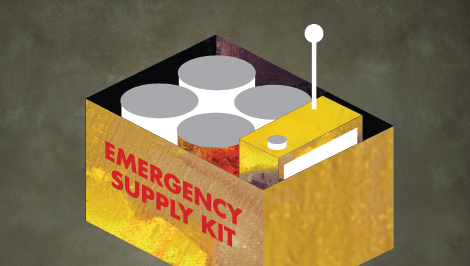
Illustration of an emergency supply kit: a box with rations, radios, and other evacuation necessities inside

Illustration courtesy of CalFire

When a wildfire is spreading quickly and your family receives orders to evacuate, your safety is the top priority. This means you probably won’t have time to go through the house and decide what you want or need to take with you, you will just need to get moving. One key to readiness is “having an emergency supply kit ready to grab on the go, long before a wildfire or other disaster occurs. Keep it easily accessible so you can take it with you when you have to evacuate [and] plan to be away from your home for an extended period of time.” Follow the link to learn how to assemble your kit.

Making a family plan

Figure out before a disaster strikes how the whole family will react. Know how you’ll contact one another and reconnect if separated, establish a family meeting place that’s familiar and easy to find, consider the specific needs of your household, and practice ahead of time! Learn how to make a plan today.

Staying up-to-date on wildfires near you

Now that you’re prepared with an evacuation kit and a plan, you need to know where to find accurate information on a wildfire burning nearby.

The National Wildfire Coordinating Group (NWCG) maintains InciWeb, a website where official responding agencies such as the US Forest Service and NM Forestry Division can announce new wildfire ignitions and update wildfire incidents with location, containment status, acres burned, and evacuation notices. Search by incident name or find an incident on their national map (InciWeb).

New Mexico Fire Information (NM Fire Info) is an interagency effort by federal and state agencies to provide timely and accurate fire and restriction information for the entire state. The aim is to maintain one website where the best available information and links related to wildfire and restrictions can be accessed. Find updates on wildfires in the state, links to other helpful sites, and information on fire restrictions and smoke management (NM Fire Info).

visit inciweb
visit nm fire info

Coping: how to talk about challenging subjects

illustration of adult talking to and comforting child

“After disturbing incidents like… natural disasters, feelings of panic and fear increase. Extensive news coverage and posts on social media can heighten those feelings, especially in kids and teens. As adults grapple with how to move forward in the aftermath these events, it's important to help kids and teens process them, too.” Follow these General Guidelines for helping your kid(s) cope and find security in the face of upsetting current events.

During and following a wildfire, “routine is disrupted and one's sense of security is undermined. Families and communities should not underestimate the accumulative effects of evacuation, displacement, relocation, and rebuilding”. Talking to your child, providing them with facts and explanations of what fire is and why it happened, and allowing them time to process and ask questions can all help them cope with the stress and fear associated with living through a wildfire. Visit this link to learn how to help children impacted by wildfires.


Additional resources

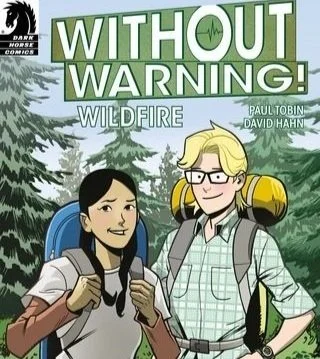
Graphic novel: create an account on Dark Horse to access this open-source graphic novel. Follow along as Meghan and Alexx encounter a wildfire, experience what it is like to be evacuated, and talk about fire safety in Without Warning! Wildfire Safety Comic.

Coloring book: educational wildland fire coloring sheets, available for download from The Smokey Generation (Wildfire Coloring Sheets).


Upcoming Events

Join us as we celebrate National Wildfire Preparedness Day all through the month of May!

Upcoming webinars:

Research Survey:

Barriers to Biochar Production

There is little research directly considering barriers to individual- and community-scale biochar production, and the region’s socioecological context may present unique barriers to adoption different from those reported elsewhere. Click here to fill out the survey and support this research that will promote biochar.

STAY UP TO DATE ON EVENTS