Wildfire Wednesdays #19: Wildfire and Pollinators - Support Navajo Nation Elders

Hi Fireshed Members,

With the monsoon rains in New Mexico, we hope that many of the wildfires start cooling down, and our communities and ecosystems can begin to recover. Wildfire is a natural disturbance in many of New Mexico’s forests. Depending on the fire behavior and severity, we often see species and ecosystems respond well to wildfire. Fuel reduction thinning and prescribed fire are powerful tools that help keep fire behavior and severity within the range that ecosystems are adapted to recover from.  

This week’s Wildfire Wednesday includes: 

  • A briefing paper about the relationship between native pollinators and wildfire 

  • An opportunity to support The Navajo Nation in a time of need. 

Best,  

Gabe  
Pollinators Briefing paper_Final (1).jpg

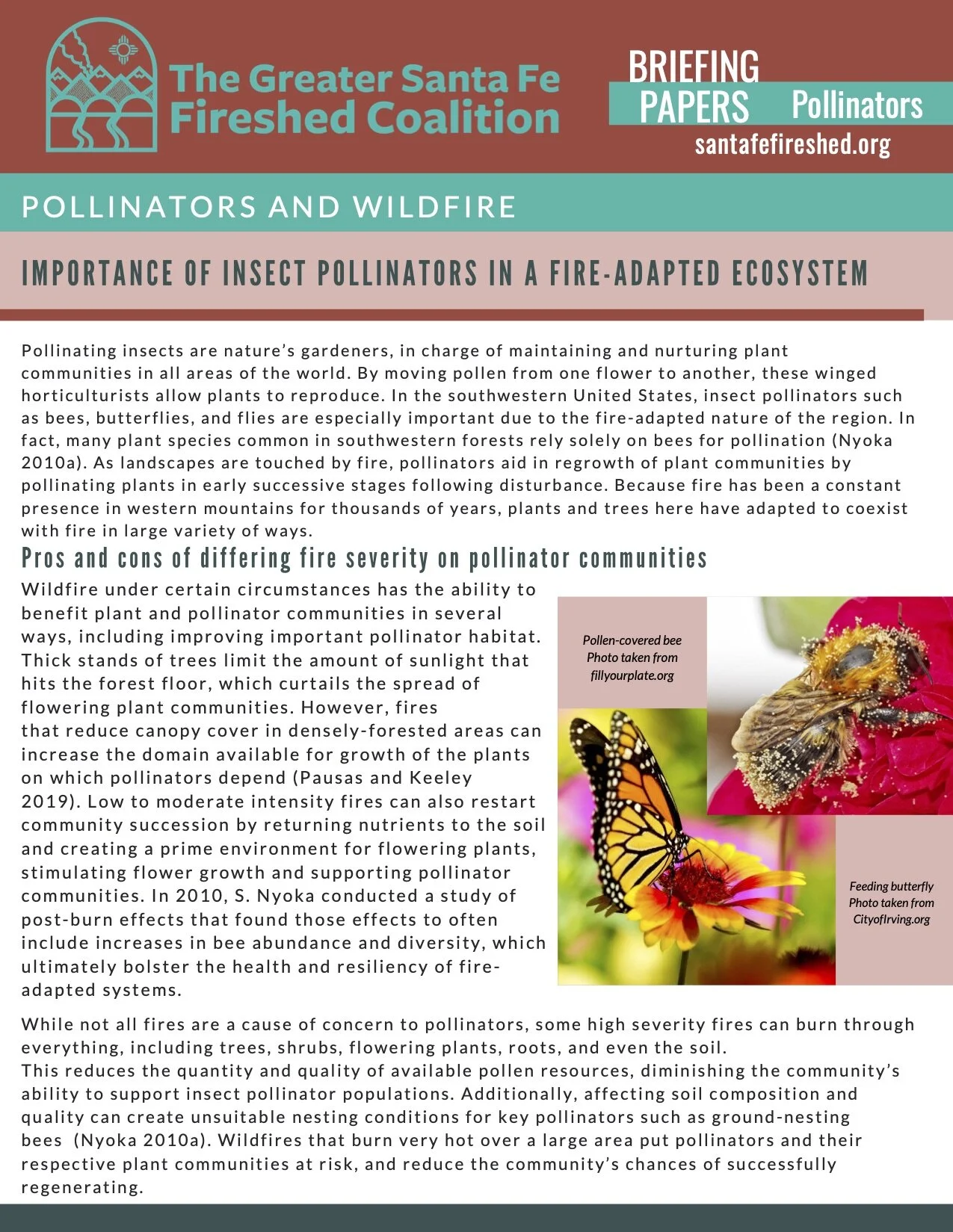
Briefing Paper: Pollinators and Wildfire 

Birds and bees and...wildfire? As an introduction to the studies being conducted on pollinating insects and birds and their relationship to wildfire, the Forest Stewards Guild is releasing another briefing paper covering why pollinators are important, and how they are affected by fires of differing severity. Be sure to check out this newest addition of to our series of Briefing Papers! 

To read the briefing paper, click here.  

Support the Navajo Nation in a Time of Need 
download.jpeg

In addition to recovering from and actively fighting wildfire, The Navajo Nation is disproportionately struggling with the covid-19 pandemic. One way that you can help is by contributing to the “Chizh for Cheii,” or “wood for grandpa” fund that supports firewood delivery to Navajo Nation elders. Many people on the Navajo reservation, especially elders, live with no running water and electricity. These people rely on firewood to heat their homes, and with winter around the corner and firewood in short supply, they need your help.  

To view the “Chizh for Cheii” go fund me page, click here: https://www.gofundme.com/f/chizh-for-cheii 
Wildfire Wednesdays #18: Fire Restrictions Rescinded - Call for Presentations!

Hi Fireshed Members,  

With monsoon rains starting across the state, we are beginning to see a much-needed decrease in fire risk. I hope you all are enjoying the cooling effect of these seasonal rains and the pulse of vegetation growth that comes with it. As we transition into the fall, many land management agencies hope to get some much needed prescribed fire into our fire-adapted forests to restore forest health and protect our communities from future wildfire.  

This Wildfire Wednesday includes 

  • An update on fire restrictions on public lands in NM 

  • A call for presenters for this year’s Virtual Wildland Urban Fire Summit 

Keep up the good work!  

Gabe 

Fire Restrictions Rescinded! 

campfire.jpg

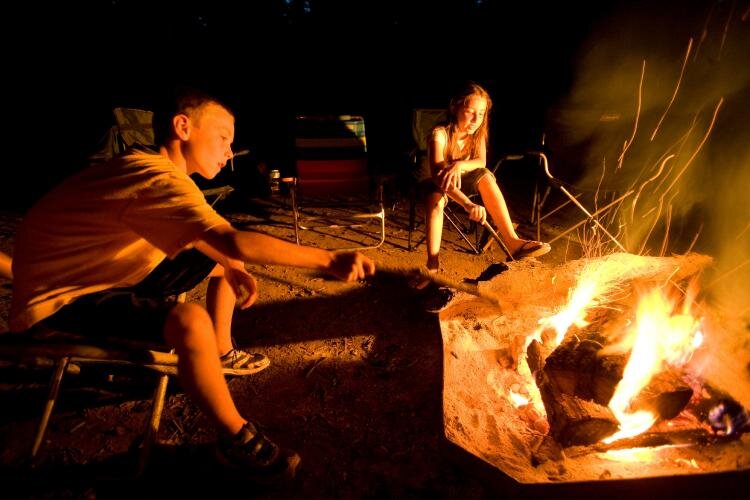
Great news! Many land management agencies are beginning to lift some fire restrictions, allowing fire campfires on public lands in time for fall camping. Still, always know before you go and be sure to check ahead of time to make sure this is the case where you are planning to visit. Visit NMFireInfo.com for updates and to firerestrictions.us/nm to see what's still restricted and what has been lifted. 

Here are some updates on fire restrictions: 

  • BLM NM statewide rescinded 7/28 

  • NM State Forestry rescinded 7/24 

  • Northern Forests (Cibola, Santa Fe and Carson) to rescind Stage 2 restrictions today, 7/29.  The Lincoln and Gila had already gone out last week. 

  • Park Service units are rescinding, but be sure to check for details. 

  • Tribal lands remain in restrictions and they may not be open to the general public due to the pandemic. 


Virtual Wildland-Urban Fire Summit (WUFS): Please Submit Presentation Ideas! 

WUFS_Logo_White-01 (1).png

The New Mexico Wildland Urban Fire Virtual Summit planning committee is soliciting presentations for the upcoming summit to be held October 22-23, 2020. 

This year’s theme is “All Lands, All Neighbors (for wildfire resilience.” If you are interested in submitting a proposal, please email awebb@nmcounties.org for more information on how to submit a proposal.  The proposal deadline is July 31. 

Stay tuned here for more on the summit and save the date: October 22-23, 2020!  The NM Wildland Urban Fire Summit is New Mexico’s premiere venue for wildfire preparedness and planning. Join your peers, community members and leaders, fire service, businesses and nonprofits, colleges and universities, and federal, state and local government to: Create a network of experts and peers that will assist you in your fire resiliency goals, learn new and innovative ways to adapt your community to a wildfire environment, and share successes and lessons learned from “living with fire” in New Mexico. 

Wildfire Wednesdays #17 - Living with Wildfire Webinar - Pinon Juniper Synthesis - Home Hardening Webinar

Hello Fireshed Members,

Although we’ve been getting monsoon rains in parts of New Mexico, the accompanying lightning has also led to more natural ignitions of wildfires. For the most part, these fires have been suppressed quickly by firefighters since they are accompanied by moisture that slows the spread, but it shows that we truly are living in fire adapted ecosystems where wildfires have always had a place! This week spend some time catching up on webinars or take a deep dive into the fascinating world of Pinon-Juniper landscapes.

This week we have:

  • Bachechi Open Space Webinar Recording – Living and Adapting with Fire, presented by your blog writer Gabe Kohler of the Forest Stewards Guild

  • Pinon Juniper Synthesis –  Ecology, Ecohydrology, Restoration, and Management

  • Upcoming Home Hardening Against Wildfire webinar- Tahoe Home Retro Fit Workshop

Best,

Sam 

Living with and Adapting to Wildfire

Annotation 2020-07-15 142926.jpg

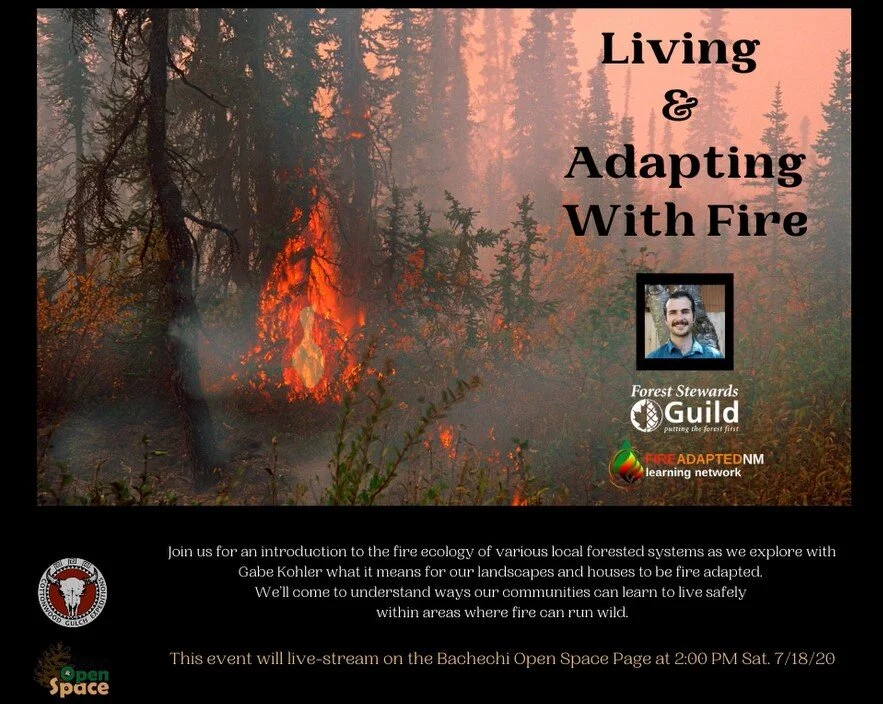
In case you missed it, check out this webinar recording titled Living and Adapting with Fire. As part of Bachechi Open Space’s Backyard Science webinar series, this talk features an introduction to the fire ecology of various forested systems (bosque and mountain areas) that are common to northern New Mexico. Explore what it means for landscapes and houses to be fire adapted. Understand the ways communities can learn to live safely within areas where fire can run wild. Presenter, Gabe Kohler, is a program coordinator with The Forest Stewards Guild that works on increasing engagement with Fire Adapted Communities New Mexico (FACNM).

To Check out the webinar recording , visit https://www.facebook.com/BachechiOpenSpace/

Pinon-Juniper Management Synthesis

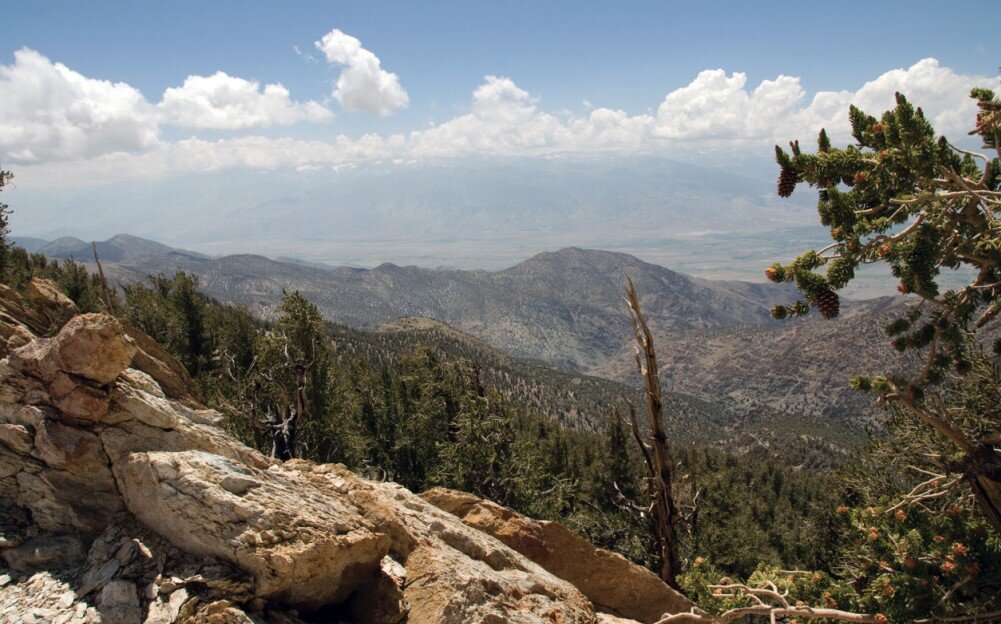
The Synthesis reviews the history of Pinyon and juniper woodlands, to provide the basis for understanding their ecology. Photo: R.Miller, Oregon State University

The Synthesis reviews the history of Pinyon and juniper woodlands, to provide the basis for understanding their ecology. Photo: R.Miller, Oregon State University

If you are live or work in Pinon Juniper landscapes this new synthesis will provide fresh insight into this important forest type. “This synthesis is a comprehensive review of the current knowledge of both persistent and newly expanded pinyon and juniper (PJ) woodlands that will be of interest to managers, researchers, and the public,” says Jeanne Chambers, a Research Ecologist with the Rocky Mountain Research Station and synthesis coauthor. Although this synthesis focuses on the Great Basin and Colorado Plateau, much of the information will be applicable to New Mexico. Besides the full length report the authors and their partners have created a series of briefing papers on specific topics. Dive into the world of PJ in the links below!

Upcoming Home Hardening against Wildfire Webinar- Tahoe Home Retro Fit Workshop

Jul 28, 2020 06:30 PM

Join experts from California and Nevada for this workshop hosted over zoom about retrofitting your home to be more resistant to wildfires.

Click here to register

Speakers include:

Christina Restaino - Assistant Professor and Natural Resources Specialist with University of Nevada, Reno Extension and the Director of the Living With Fire Program.

Susie Kocher - Forestry Advisor at the University of California Cooperative Extension Central Sierra and is a registered professional forester

Stephen Quarles - University of California Cooperative Extension Advisor Emeritus and the retired Chief Scientist for Wildfire and Durability, Insurance Institute for Business & Home Safety Research Center.

Wildfire Wednesday #16 - Backyard Science Webinar Series - Business Resiliency to Wildfire

Hello Fireshed

It’s the blog’s sweet sixteen today and at least in some parts of the state we’re finally getting some relief from the heat this week with some (hopefully monsoonal?!) storms. If the storms do strengthen and turn into monsoons we may be in for a reprieve from fire season, which will make a wonderful birthday present for this blog! If monsoons are coming this week or a month from now, we’ll welcome the change in the season, and a transition to work on different aspects of fire adaptation, because unlike a monsoon storm, adaptation to fire doesn’t happen all at once, but bit by bit!

Best, Sam

This week we have:

  • Bachechi Open Space Webinar – Living and Adapting with Fire, presented by your blog writer, Gabe Kohler of the Forest Stewards Guild

  • Business Resilience and Wildfire – read more about preparations for business resilience in the face of wildfire

Living and Adapting with Fire - Back Yard Science Series Webinar

presented by Bachechi Open Space

Tune into the Backyard Science Series this Saturday, July 18th, at 2:00 pm for a webinar titled Living and Adapting with Fire. This talk will feature an introduction to the fire ecology of various forested systems (bosque and mountain areas) that are common to northern New Mexico. Explore what it means for landscapes and houses to be fire-adapted. Understand the ways communities can learn to live safely within areas where fire can run wild. Presenter, Gabe Kohler, is a program coordinator with The Forest Stewards Guild that works on increasing engagement with Fire Adapted Communities New Mexico (FACNM).

To check out the talk this Saturday, visit https://www.facebook.com/BachechiOpenSpace/

Business Resilience and Wildfire

Living in a fire-adapted community means many things, but what does it mean for businesses and local economy? Wildfires pose a serious threat to a community’s continuity, and can have devastating effects on the small businesses that depend on it. As we know all to well with the current crisis, business resiliency and risk mitigation strategies help to defend communities from losses, and are especially important for small businesses as they experience the most risk due to wildfires. With the current increasing frequency and severity of wildfires across the region, people are coming together to collaborate and create strategies to keep businesses open in light of fires. In May of 2019, the Island Park Sustainable Fire Community in Idaho held a workshop to tackle this challenge; check out the link below! There may be some lessons for the current crisis here too.

https://fireadaptednetwork.org/business-resilience-round-up-fire-adaptation/

Wildfire Wednesdays #15 - Homeowner Mitigation Webinar - Invasives and Fire - Common Ground

Hi Fireshed Members,

The goal of our first Wildfire Wednesday newsletter was to provide curated resources to New Mexicans despite social distance. We have seen positive strides toward this goal. Thank you all for continuing to help grow this network and to share this information with your friends and loved ones. We are truly stronger together.

This edition of Wildfire Wednesday includes:

  • A webinar by Sarah McCaffrey focused on what motivates homeowners to mitigate fire risk

  • A look into the connection between invasive species and fire ecology

  • An article describing how increasing wildfire risk is agreed upon across political lines

  • Upcoming webinar tomorrow on wildfire response and recovery

Sincerely,

Gabe

What Motivates Homeowners to Mitigate Wildfire Risk?

USFS Research Social Scientist, Sarah McCaffrey

USFS Research Social Scientist, Sarah McCaffrey

If you watch one webinar recording about wildfire preparedness this year make it last week’s keynote address from The Bill Lane Center for the American West, where Sarah McCaffrey takes an informed look at how landowners respond to outreach for wildfire mitigation. This webinar looks past “the imagined public” and uses rigorous social science methods to investigate what actually motivates homeowners to mitigate wildfire risk.

To view the webinar recording and learn how to improve your outreach to homeowners, click here.

Invasive Species and Fire Risk

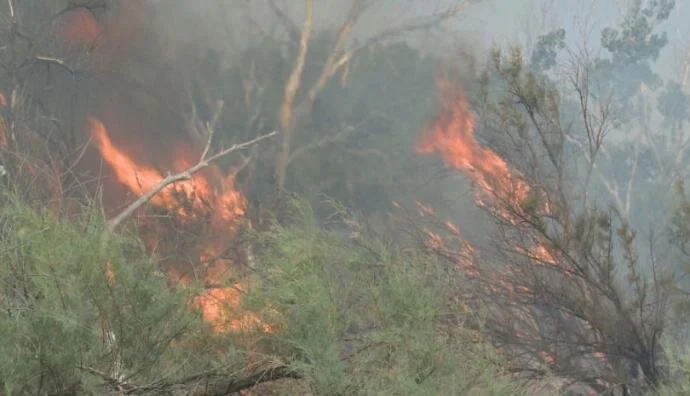
A wildfire moves through tamarisk (salt cedar).

A wildfire moves through tamarisk (salt cedar).

Fire ecology investigates the complex strategies of flora and fauna employ to survive wildfire. We commonly think of ponderosa pine trees that grow thick bark to resist the impacts of fire. A deeper look though shows that these trees not only just survive fire but also perpetuate more fire by dropping flammable needles that allows fire to spread.

In contrast other species like Cottonwoods that grow along rivers or sage brush on plateaus have different less harmonious relationships with fire. In these areas fires occurred much less frequently for many reasons but in part because the leaves that drop from sage and cottonwoods are less flammable than ponderosa needles.  

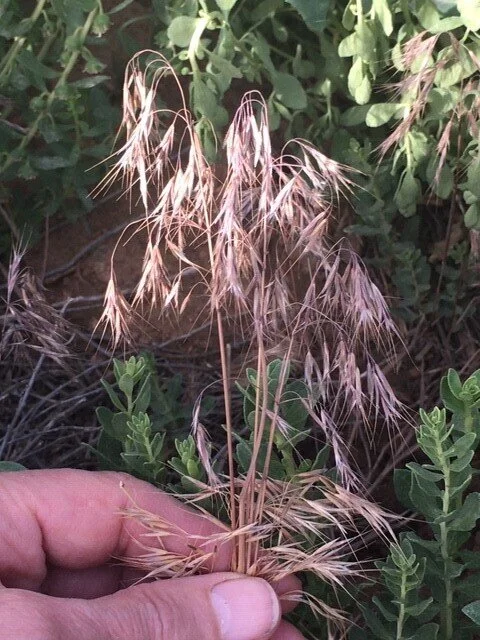
Cheatgrass is an invasive species that often out competes native species and is highly flammable.

Cheatgrass is an invasive species that often out competes native species and is highly flammable.

Now invasive species have changed this equation. In the case of sage ecosystems, cheatgrass has moved in. Cheatgrass is very flammable and will quickly recolonize an area after a fire, long before sage has a chance to reestablish. There is a similar story occurring in our bosques where invasive species such as salt cedar (tamarisk) and Russian olive trees that are very flammable have invaded areas, and changed the fire ecology by adding fuel to the system, leading to fires that cottonwoods are often unprepared for.

In both cases there are diligent restoration efforts occurring across the US to restore these ecosystems. However, make sure to take a look right around your home or property too. Just as these flammable invasive plants threaten our iconic sage flats and cottonwood galleries, they also are a wildfire threat near your home.

Fire Science Brief: Pentimento: Fuels Reduction and Restoration in the Bosque of the Middle Rio Grande

Cheat grass advice from Waterwise LLC in Santa Fe

Attacking Invasive Cheatgrass at Its Root

Fighting Fire with Native Plants

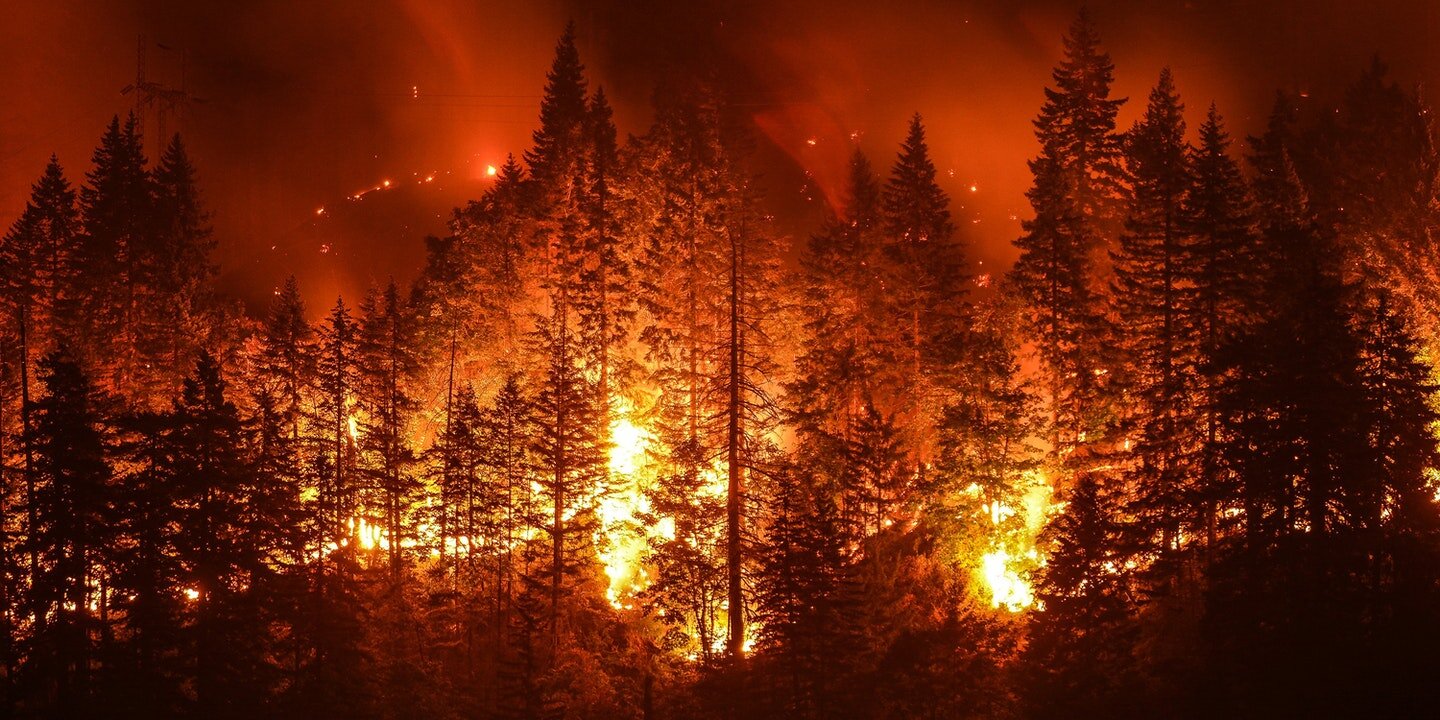
The 2017 Eagle Creek Wildfire in The Columbia River Gorge

The 2017 Eagle Creek Wildfire in The Columbia River Gorge

Common Ground: Agreement on Increasing Wildfire Risk Crosses Political Lines

A recent article from the Blue Mountain ecoregion in Northeastern Oregon provides useful insight into how political views may create a stumbling block for forest and fire management and suggests alternative ways of communicating the need for wildfire mitigation.

Despite overwhelming scientific and experiential data, climate change remains a divisive factor in forest and fire management. Beliefs about climate change are found to be strongly linked to a person’s political leanings. However, beliefs about future wildfire risks were found to be largely independent of political beliefs and people accurately agree about the rising frequency of large wildfires and expect this trend to continue. This finding presents an opportunity to engage diverse stakeholders in developing policies to mitigate increasing wildfire risk without invoking politicized beliefs about climate change.

To learn more about these findings, click here.

Tomorrow: Virtual Wildfire Series: Webinar on Response and Recovery

Jul 9, 2020 03:30 PM

The Bill Lane Center for the American West is hosting a panel discussion on the human dimensions of wildfire response and recovery during the COVID-19 pandemic. Our panelists Luke Beckman from the Red Cross, Alma Bowen from Nuestra Comunidad, and Charles Brooks from the Rebuild Paradise Foundation will discuss the challenges and best practices for evacuations, shelters, planning and coordination, and recovery efforts in our new reality.

https://west.stanford.edu/events/virtual-wildfire-series-response-and-recovery